
Living in Todos Santos: An Expat Guide to Budget, Water and Community

Living in Todos Santos means living in a small desert town on the Pacific coast of Baja California Sur, about an hour from both La Paz and Cabo San Lucas. People come for the light, the ocean, the art scene and a slower pace than Los Cabos. What surprises them is the practical side: water that arrives in a rooftop tank, a summer that empties the town, and property rules that differ from home. This guide covers those points. It is general information, not legal or financial advice: confirm residency and property questions with the official sources named below.
What living in Todos Santos is like
Todos Santos grew around an 18th-century Jesuit mission and, later, sugar cane fields watered by springs; the palm groves and orchards at the edge of town still depend on that water. Administratively it belongs to the municipality of La Paz, which matters when you deal with water, permits and property records. The town is small: the historic center, with the church of Nuestra Señora del Pilar, the plaza, galleries and restaurants, is walkable, but most houses built by newcomers sit outside it, on dirt roads towards the beaches of La Cachora, Las Tunas and Punta Lobos, or south towards El Pescadero.
The year has two halves. From November to April the weather is mild, whales pass offshore, seasonal residents return and the town is busy. From late summer into autumn it is hot and more humid, some businesses close for weeks, and many foreign residents leave. Before deciding, spend time in both seasons; our guide to the best things to do in Todos Santos gives a sense of the high-season rhythm.
Water in a desert town
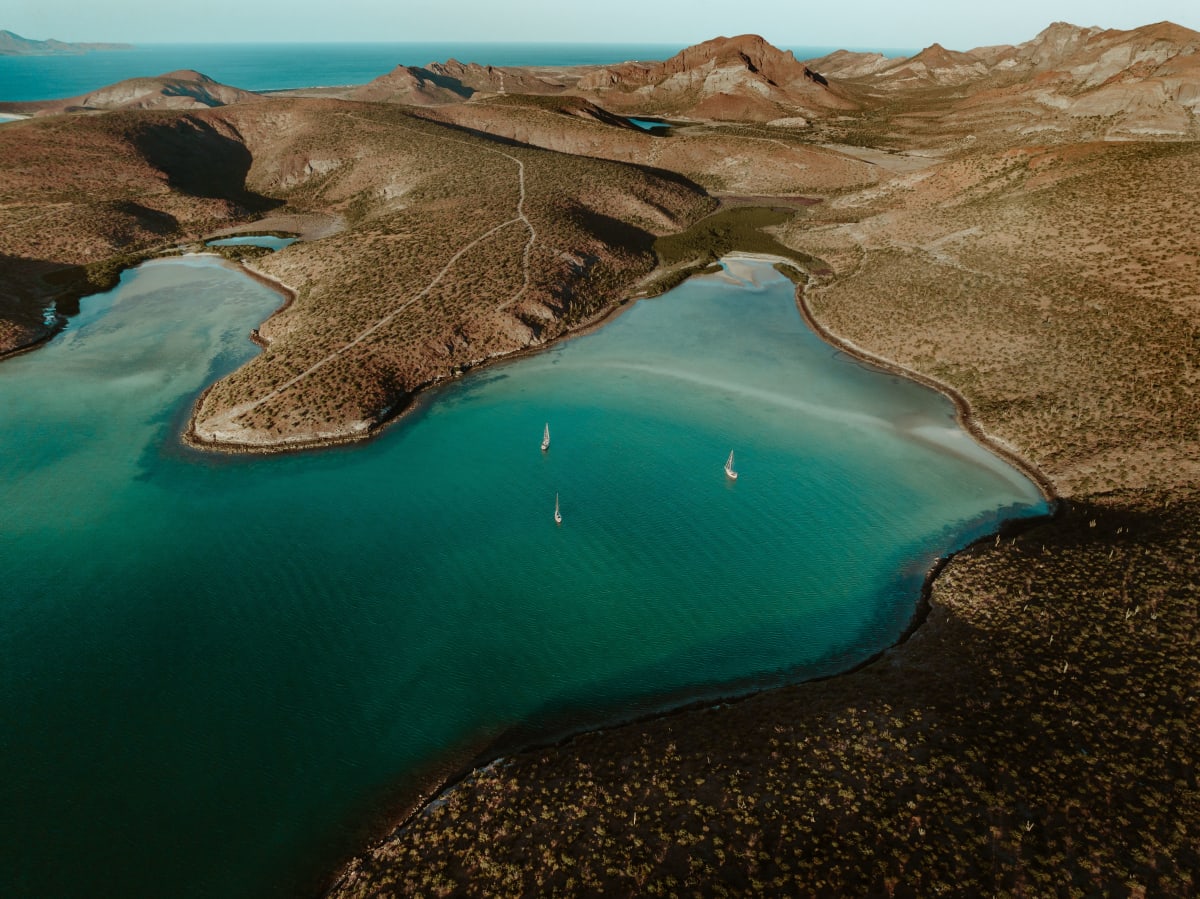
Baja California Sur is one of the driest states in Mexico. Rain is scarce and irregular, often concentrated in a few late-summer storms, and towns depend on groundwater that is shared with farms and with growing communities along the coast. In Todos Santos, water is the subject that comes up first among residents, and it should shape where and how you live.
How water reaches a house
Most homes have a cistern (cisterna or aljibe) that fills from the municipal network, and a pump that lifts water to a rooftop tank (tinaco). In parts of town the network does not deliver every day, so the cistern is your reserve. Houses outside the network, or whose cistern runs dry, buy water from a delivery truck (pipa). Before renting or buying, ask how large the cistern is, how often the network fills it, whether the house has ever needed trucks, and what the drainage is: many properties outside the center use a septic system rather than a sewer.
Drinking water and using less
As in most of Mexico, people drink purified water, sold in 20-liter jugs (garrafones) and delivered or refilled at local purifiers; some houses add a filter system. Residents who stay long learn the habits of the desert: native and drought-tolerant plants instead of lawns, short showers, fixing leaks fast and, in some houses, reusing greywater for the garden. A pool is possible, but it means a large, steady demand on a limited resource; think about that before you design one.
What moves the monthly budget
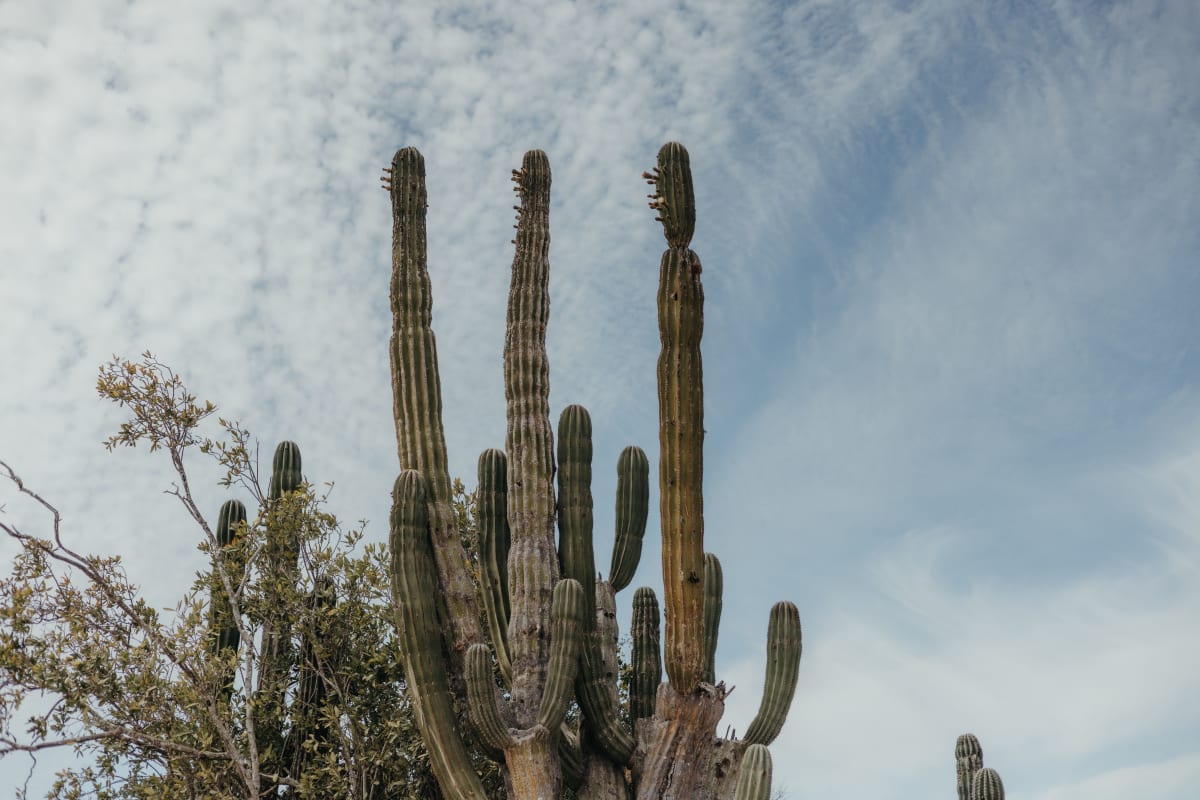
A single monthly figure for living in Todos Santos would mislead you: two people in the same street can spend very different amounts. Rather than quoting prices that change every season, here is what decides the total.
| Topic | What to know | Where to check |
|---|---|---|
| Housing | Furnished rentals are hardest to find and cost most from November to April | Rent month to month first; visit in summer too |
| Water | Cistern size, network schedule and truck deliveries change the cost | Landlord, neighbors, recent receipts |
| Electricity | CFE bills in tiers; air conditioning in summer drives the bill up | Ask for the last year of bills |
| Healthcare | Basic care in town; hospitals in La Paz and Cabo San Lucas | Your insurer; local clinics |
| Transport | A car is close to essential outside the center | Insurance valid in Mexico |
| Residency and property | Consulate visa, then INM; fideicomiso in the coastal zone | Mexican consulate, INM, a notario público |
Housing is the largest variable. Prices in Todos Santos rose as the area became popular, and the gap between a simple house in a Mexican neighborhood and a new home near the beach is wide. Electricity is the second: CFE, the national utility, bills households in consumption tiers, and homes that use heavily for months can lose the subsidized rate. Ask to see bills from August and September, not only from winter.
Groceries and everyday goods are available in town, with small supermarkets, markets, organic farms around El Pescadero and fish from the beach at Punta Lobos. For large shopping, specialist doctors or hardware, residents drive to La Paz or Cabo San Lucas; see our guide on how to get to Todos Santos for the roads and buses. Internet varies by street: check the options at the exact address before you sign, especially if you work online.
Residency and buying property
Immigration is handled by Mexico's National Institute of Migration (INM), and residence visas are issued by Mexican consulates abroad. The broad structure is stable; the documents and amounts are not.
Residency: the general route
Entering as a visitor is not residency: the officer on arrival decides how many days you get, up to 180, and visitor status does not allow you to work for a Mexican employer. To live here you usually apply for temporary residency (up to four years, then generally the option of permanent) or, in some cases, permanent residency directly, at a Mexican consulate in your home country, and then complete the process at an INM office in Mexico within 30 days of arrival. The financial requirements are set by the authorities and change; check the current figures with the consulate where you will apply, not on forums.
The coastal zone, the fideicomiso and ejido land
Mexico's Constitution restricts direct foreign ownership of land within 50 km of the coast, and Todos Santos is inside that zone. Foreigners therefore hold residential property through a bank trust, the fideicomiso, or through a Mexican company. Every sale is formalized before a notario público, who checks title and taxes and registers the deed. Two warnings come up often in southern Baja: much land around the town was or is ejido (communal) land, which cannot be sold to a foreigner unless it has been legally converted to private ownership, and the strip next to the beach is federal zone. Have the notario and an independent lawyer review the title before you pay anything; our directory lists lawyers and notaries in Todos Santos as a starting point.
Community, health and services
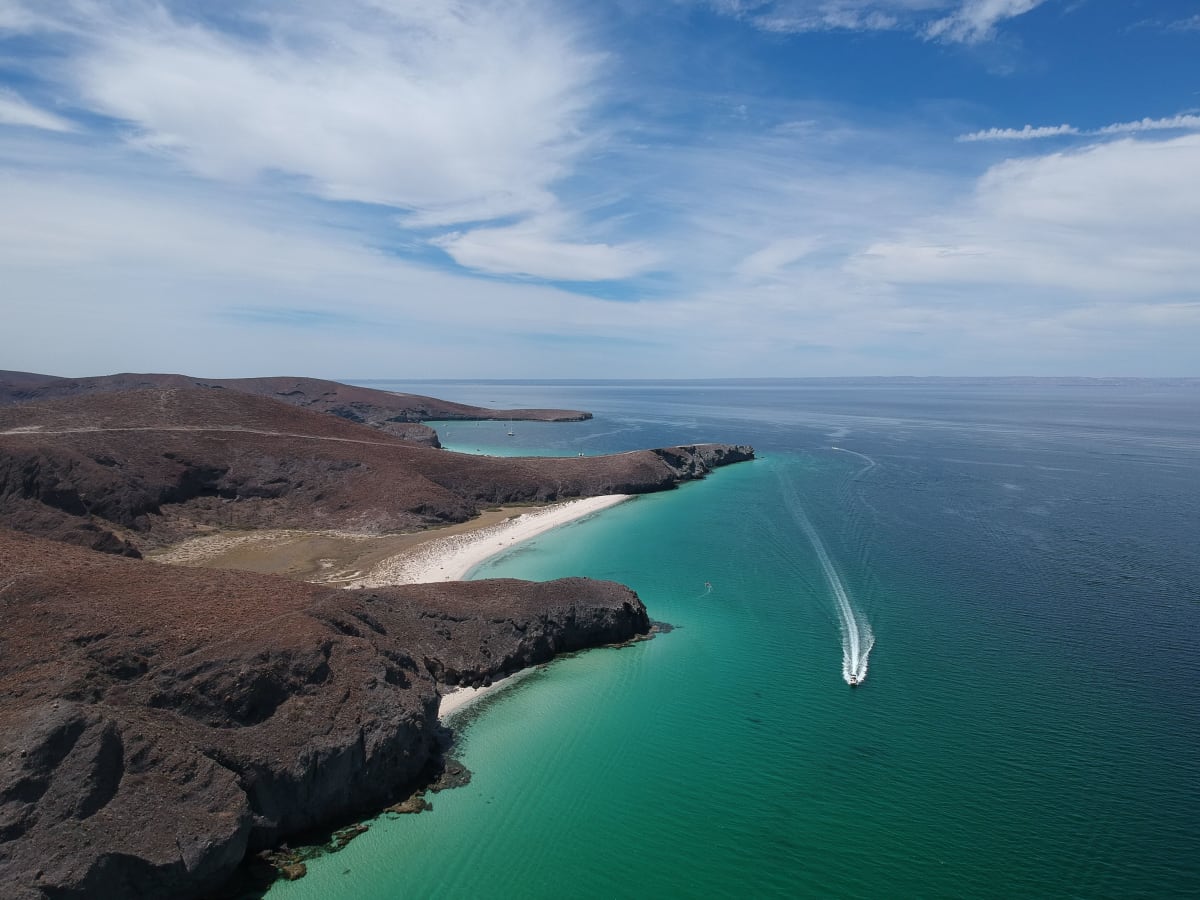
Todos Santos is a Mexican town first: families who have lived here for generations, farmers, ranchers and fishermen, joined since the 1980s by artists and later by surfers, remote workers and retirees from the United States, Canada and Europe. Spanish makes a real difference, both with neighbors and with every office you will deal with.
Community life
Much of social life happens in the galleries, the cultural events of the high season and the October fiestas of the patron saint. Many residents volunteer, for example with sea turtle conservation on the beaches or with animal welfare groups. Newcomers who do well tend to rent first, learn the rhythm of both seasons and take part in town life rather than living only behind a gate. If you are still choosing an area, our guide on where to stay in Todos Santos compares the main parts of town.
Healthcare and storms
Town has clinics, pharmacies and dentists, listed in our medical and dental directory, but for hospitals and specialists residents drive to La Paz or Cabo San Lucas, so emergencies take planning. Private insurance that covers you in Mexico is the norm for foreign residents. The Pacific hurricane season runs officially from mid-May to the end of November; in 2014 Hurricane Odile showed how hard southern Baja can be hit. Keep water and supplies in reserve, and follow the national weather service and Civil Protection when a storm forms.
Frequently Asked Questions
Is there enough water for living in Todos Santos?
Houses get water, but supply is limited and not always daily. Homes rely on a cistern and rooftop tank, sometimes on delivery trucks, and residents drink purified water. Check the water setup of any house before you commit.
Can foreigners buy property in Todos Santos?
Yes, but because the town is within 50 km of the coast, foreigners hold residential property through a bank trust (fideicomiso) or a Mexican company. Avoid ejido land that has not been converted to private ownership, and close the sale before a notario público.
Do I need residency to live in Todos Santos?
To live in Mexico beyond the days granted as a visitor, yes. Most people apply for temporary or permanent residency at a Mexican consulate abroad and finish the process at an INM office in Mexico. Requirements change, so check with the consulate.
Where do Todos Santos residents go to hospital?
Town has clinics, pharmacies and dentists. For hospitals and specialists, residents usually go to La Paz or Cabo San Lucas, each about an hour away by road.
Continue exploring Todos Santos
You Might Also Like
 ExploringNov 9, 2026
Todos Santos vs La Paz: Where to Base Yourself in Southern Baja
Todos Santos vs La Paz: a small Pacific art town with surf and empty beaches, or a relaxed state capital on the calm Sea
 ExploringOct 26, 2026
Todos Santos vs Cabo San Lucas: Art Town or Party Marina?
Todos Santos vs Cabo: a quiet Pueblo Mágico of galleries and wild surf, or a lively marina town with calm swimming bays,
 ExploringOct 24, 2026
El Pescadero Guide: Beaches, Farms & Surf Stays South of Todos Santos
El Pescadero is the farming and surf village about 10 minutes south of Todos Santos, between San Pedrito and Los Cerrito