Tour 4h
Tulum: Leopard 51′ Yacht with Gourmet Dining & Water Toys
From$55,150 MXN(~$3150 USD)


Tulum, Quintana Roo — Mexico
Your complete guide to tours, beaches, stays & adventures on the Caribbean coast of Quintana Roo.
Things to do in Tulum, on the map
Load the interactive map to browse 658 bookable tours, restaurants, bars, cafés, markets and attractions across Tulum.
Loaded only when you ask for it, to keep this page fast.
Base map © OpenFreeMap / OSM
Hand-picked adventures for every type of traveler
Tour 4hTulum: Leopard 51′ Yacht with Gourmet Dining & Water Toys
 Tour
Private Tour to Tulum, Cenote and Swimming with Turtles
 Tour 5h
Birdwatching in Sian Ka´an Muyil from Tulum - Shared Group Tour
 Tour 3h
Private Kiteboarding Lesson in Tulum
 Tour 4h
Cenote Paddleboarding and Snorkeling in Tulum
 Tour 4h 30m
Tulum Ruins & Cenote guided private tour from Tulum and Riviera Maya.
Live unique private moments — perfect for creating unforgettable memories with family and friends.
 Private Experiences
Private VW Beetle Tour to Chichen Itza, Cenote & Valladolid
Operated by Senor Travel Bug, the itinerary of this tour is a classic of the Cancun and Riviera Maya region, but with two principal differences. You will ride in a Classic VW Beetle painted as a racing car (although you can choose a more 'standard' car if you prefer), and your gu
 Private Experiences
Tulum Ruins & Swim in a Cenote – VIP Private Experience
Explore the magnificent Tulum Mayan ruins during the optimal times to ensure a crowd-free experience. This extraordinary tour offers not only a visit to the ruins but also an opportunity to take a refreshing swim in one of three stunning cenotes: Nicte Ha, Jaguar, or Taak bi Ha.
 Private Experiences
Cenote and Swimming with Turtles Private Tour in Akumal
Dive into crystal-clear cenotes on this private tour and swim with Turtles in their natural habitat, making unforgettable memories! Enjoy personalized insights into the region's history and ecology with our licensed tour guide.
 Private Experiences
Private tour of Muyil Archaeological Site & Sian Ka'an Lazy River
Discover the fascinating history of the Maya at Muyil, a spectacular ancient city in the middle of the jungle. The ruins of Muyil are hidden gem to visit in the region, our expert guides will lead you through this wonderful site with tales of calendars, ceremony and Spanish invad
 Private Experiences
Private Turtle Snorkel Adventure in Akumal
This experience is perfect for families, small groups, or couples seeking a romantic getaway. Relax knowing everything is taken care of—from pick-up to drop-off—so you can focus on making unforgettable memories in the heart of the Riviera Maya
 Private Experiences
Coba Ruins and Punta Laguna Monkey Reserve Day Tour from Tulum
Mayan culture and adventure together in one trip! Visit the Mayan ruins of Coba, ride a bicycle to get to the pyramid, climb it and admire the view that the Mayan priest observed from the top, participate in a Mayan ceremony, paddle a kayak trough the lagoon, zipline above the wa
 Private Experiences
Private Cenote Snorkeling Tour – Tulum’s Hidden Gems
Experience two of the Tulum’s most breathtaking cenotes on this exclusive private snorkeling adventure. Guided by your certified snorkeling expert, you’ll explore the crystal-clear waters and impressive rock formations of Nicte Ha and Taak Bi Ha cenotes—safe, easy, and accessible
 Private Experiences
Tulum VIP Private Tour with Sea Turtles & Cenote – Award-Winning
Tulum, Cenote & Akumal Turtles – Private Tour with Lunch Discover the very best of the Riviera Maya in one unforgettable day! Start with an early morning visit to the breathtaking Tulum ruins, where your private certified guide will share the fascinating stories of this ancient
Private transfers sold on Viator and run by local operators, from the airport or to nearby sights. Prices come from Viator; the details are on each transfer page.
 30+ restaurants
From fresh seafood on the beach to world-class mezcal bars — Tulum’s food scene is as diverse as its beaches. Discover 30+ restaurants with ratings from Tripadvisor.
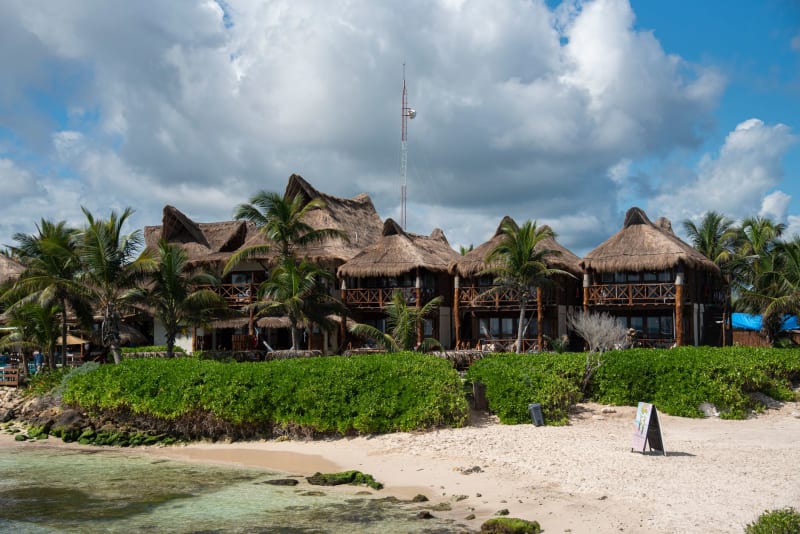 90+ properties
From beachfront boutique hotels to cozy hostels — browse 90+ properties with real Booking.com reviews. Five distinct neighborhoods, each with its own personality.
Beaches, lagoons, and mountain villages — all within reach
 Destination
Playa Paraíso
Consistently ranked among the world's most beautiful beaches — powdery white sand, swaying palms, and water so turquoise
 Destination
Playa Ruinas
The only beach in the world where you swim beneath ancient Mayan ruins — a small cove of white sand and turquoise water
 Destination
Akumal Bay
One of the world's best places to snorkel with wild sea turtles year-round — Akumal's calm, shallow lagoon has resident
 Destination
Playa Pescadores
Tulum's most authentic local beach — no beach clubs, no cover charges, just Mexican families, local fishermen, and the w
 Destination
Tulum Pueblo
The heart of Tulum — a laid-back Mexican town with world-class restaurants, organic markets, cenotes, boutique shops, an
 Destination
Zona Hotelera
Tulum's legendary hotel zone — a stretch of eco-hotels, boho-chic beach clubs, and yoga studios strung along the Caribbe
Click any destination to explore tours, stays, and unique experiences.
DestinosMX is a guide: tours are sold and run by others
1
Compare tours by price, duration and reviews on this site. Each tour page shows what is included.
2
The booking button takes you to Viator, which takes the booking and the payment and sends the confirmation.
3
Most tours in Tulum offer free cancellation; the exact policy is shown on each tour and on Viator.
Tulum is located on the Caribbean coast of Quintana Roo, Mexico. From world-class cenotes to bioluminescent lagoons, indigenous culture, and vibrant nightlife — discover why this is Mexico’s fastest-growing beach destination.

Quintana Roo
Caribbean Coast, Mexico
29,903
Inhabitants
15+
Beaches
27°C
Avg. Temperature
Where to Stay in Tulum
Tulum — a name derived from the Mayan word for "wall" — was an ancient Mayan walled city perched dramatically on cliffs above the Caribbean Sea, serving as a major trading port during the Postclassic period (900–1521 AD).
During the early 20th century, Tulum was largely forgotten, its ruins reclaimed by jungle. The construction of roads connecting the Yucatán peninsula brought the first explorers, and by the 1970s, Tulum became a magnet for hippies and adventurers drawn to its mystical Mayan ruins and pristine Caribbean beaches.
Throughout the 1990s and 2000s, Tulum transformed from a hidden gem into one of Mexico's most coveted destinations. International travelers discovered its perfect combination of Mayan heritage, cenotes, white-sand beaches, and turquoise Caribbean waters. The town grew steadily while retaining its bohemian character — a rare feat for a Mexican beach destination.
Today, Tulum is one of Mexico's fastest-growing tourist destinations with a booming population, yet it still retains a magical, otherworldly atmosphere. The arrival of the Maya Train, a growing digital nomad community, and international recognition as a world-class wellness and adventure destination have cemented its status — while preserving the authentic Maya culture, indigenous traditions, and natural beauty that make it truly special.

Tulum enjoys a tropical climate with warm temperatures year-round. The dry season (December–April) offers sunny skies and is peak tourist season. The wet season (May–November) can bring rain and occasional hurricanes but lower prices and fewer crowds.

27°C / 81°F
Avg. Temperature
28°C / 82°F
Ocean Temperature
300+
Sunny Days / Year
1–6m
Wave Range
When Is the Best Time to Visit? — Dry Season
November – May: The most popular time to visit. Sunny skies, no rain, and warm temperatures. Peak season is December–February with the highest prices. Whale shark encounters peak July–September. Turtle releases June–December. Ideal for cenote diving, snorkeling, and all outdoor activities.
Rainy Season
June – October: Rain usually arrives in short afternoon bursts — mornings are still sunny and perfect for the beach. Prices drop 30–50%, crowds thin out, and the landscape turns lush green. Surf season peaks May–September with the biggest waves. Bioluminescence is best June–November.
Tulum is served by Cancún International Airport (CUN), about 130 km north, and is well connected by road and the Tren Maya. Here's how to get here.

By Air
By Land
The Caribbean coast is home to an incredible diversity of wildlife — from sea turtles and whale sharks to bioluminescent plankton and over 300 bird species in the Sian Ka'an Biosphere Reserve.

Sea Turtles
Olive ridley nesting Jul–Dec
Humpback Whales
Migration Nov–Mar
Dolphins
Year-round sightings
Bioluminescence
Glowing lagoon Jun–Nov
Mangroves
Rich coastal ecosystems
200+ Bird Species
Herons, pelicans, flamingos

Tulum is one of the Riviera Maya's premier destinations, famous for its turquoise Caribbean waters, ancient Mayan ruins, and world-class cenotes. The coastline stretches along pristine white-sand beaches, drawing visitors from around the globe seeking adventure and natural beauty.
The cenotes nearby (Gran Cenote, Dos Ojos, Car Wash) are perfect for snorkeling and diving at all levels. The Mesoamerican Barrier Reef offers spectacular underwater adventures just offshore. Multiple dive shops offer courses and guided cenote and reef tours for all levels.
The best conditions for snorkeling and cenote diving are year-round, with visibility often exceeding 100 meters in cenotes. Whale shark season runs June–September near Isla Holbox. The vibe here is authentic and welcoming — a perfect mix of bohemian freedom, Mayan mysticism, and Caribbean paradise.

Tulum sits within the heart of the ancient Maya civilization. The Yucatán Peninsula is home to one of Mexico's largest Maya populations, with traditions spanning over three millennia. Their influence is woven into every aspect of local life — from cenote rituals and ruins to festivals, traditional food, and the continued use of the Yucatec Maya language.
The cenotes you'll swim in were sacred to the Maya, used for rituals and offerings to the rain god Chaac. The ancient city of Tulum was a walled Maya port trading jade, obsidian, and copper. Today, Mayan descendants continue cultural traditions — from hand-woven textiles and jade jewelry to ancestral cooking techniques using achiote, habanero, and citrus.
Major cultural events include Día de los Muertos (Oct 31–Nov 2), the Maya New Year celebrations, and the Festival Internacional Xcaret México. These celebrations offer a window into the deep spiritual and communal traditions of the Maya people of Quintana Roo.
Maya Art & Jade
Jade jewelry, stone carvings, and intricate hand-woven textiles — three millennia of Maya and Yucatec artistic tradition preserved in Quintana Roo.
Sacred Cenotes
Over 6,000 cenotes dot the Yucatán Peninsula. Sacred to the Maya as portals to the underworld, they are now world-famous for diving, snorkeling, and swimming.
Yucatecan Cuisine
Cochinita pibil, salbutes, panuchos, and fresh ceviche — Yucatecan cuisine is one of Mexico's most distinct, using ancestral achiote, habanero, and citrus.
Maya Ruins & Temples
Tulum ruins, Cobá, and Chichén Itzá — some of the most spectacular Maya archaeological sites, accessible as day trips from Tulum.
Tulum has become one of Mexico's top destinations for digital nomads and remote workers. Affordable living, reliable internet, coworking spaces, and an incredible lifestyle make it an ideal base.

Coworking Spaces
Cafes with Great Wi-Fi
Tulum is considered one of the safest beach destinations in Quintana Roo and Mexico. The town relies heavily on tourism and the local community is welcoming and friendly. Standard travel precautions apply: use hotel safes, avoid walking alone on unlit beaches at night, and secure your belongings.
Water safety is important — some beaches have strong currents. Always respect beach flag warnings and follow guide instructions in cenotes. Wear a life vest for all water activities.
Health tips: Drink bottled water only (never tap water). Wear sunscreen — the tropical sun is intense. Bring insect repellent for evenings and jungle excursions. In case of emergency, dial 911.
What is Tulum known for?
Where is Tulum located?
How do I get to Tulum?
What is the best time to visit Tulum?
Is Tulum safe for tourists?
Can beginners snorkel or dive in Tulum?
What are the best beaches in Tulum?
What activities are available in Tulum?
What types of accommodations are available in Tulum?
What are the best places to eat in Tulum?
What is the nightlife like?
What should I pack for a trip to Tulum?
What languages are spoken in Tulum?
Are there any health concerns?
What are some popular festivals in Tulum?
How can I stay connected?
How can I respect the environment during my visit?
What indigenous cultures are present in Tulum?
What is the currency and how should I pay?
Do I need a visa to visit Tulum?
Can I see bioluminescence in Tulum?
Can I see whale sharks in Tulum?
What is the party scene like in Tulum?
Is Tulum good for families with children?
How far is Tulum from Cancun?
What is mezcal and where can I try it in Tulum?
Not sure where to start? Send us your questions on WhatsApp and we'll point you to tours and guides on the site.