explore Tour
schedule4h
explore Tour
schedule4hTulum: Leopard 51′ Yacht with Gourmet Dining & Water Toys
Desde$55,150 MXN(~$3150 USD)
arrow_forward


Tulum, Quintana Roo — México
Tu guía completa de tours, playas, hospedaje y aventuras en la Costa del Caribe de Quintana Roo.
Qué hacer en Tulum, en el mapa
Carga el mapa interactivo para explorar 661 tours reservables, restaurantes, bares, cafés, mercados y atracciones en Tulum.
Se carga solo cuando lo pides, para mantener esta página rápida.
Mapa base © OpenFreeMap / OSM
Aventuras seleccionadas para todo tipo de viajero
explore Tour
schedule4hTulum: Leopard 51′ Yacht with Gourmet Dining & Water Toys
 explore Tour
Private Tour to Tulum, Cenote and Swimming with Turtles
 explore Tour
schedule5h
explore Tour
schedule5hBirdwatching in Sian Ka´an Muyil from Tulum - Shared Group Tour
 explore Tour
schedule3h
explore Tour
schedule3hPrivate Kiteboarding Lesson in Tulum
 explore Tour
schedule4h
explore Tour
schedule4hCenote Paddleboarding and Snorkeling in Tulum
 explore Tour
schedule4h 30m
explore Tour
schedule4h 30mTulum Ruins & Cenote guided private tour from Tulum and Riviera Maya.
Vive momentos privados únicos — perfectos para crear recuerdos inolvidables con familia y amigos.
 diamond Experiencias Privadas
 Private VW Beetle Tour to Chichen Itza, Cenote & Valladolid
Operated by Senor Travel Bug, the itinerary of this tour is a classic of the Cancun and Riviera Maya region, but with two principal differences. You will ride in a Classic VW Beetle painted as a racing car (although you can choose a more 'standard' car if you prefer), and your gu
 diamond Experiencias Privadas
 Tulum Ruins & Swim in a Cenote – VIP Private Experience
Explore the magnificent Tulum Mayan ruins during the optimal times to ensure a crowd-free experience. This extraordinary tour offers not only a visit to the ruins but also an opportunity to take a refreshing swim in one of three stunning cenotes: Nicte Ha, Jaguar, or Taak bi Ha.
 diamond Experiencias Privadas
 Cenote and Swimming with Turtles Private Tour in Akumal
Dive into crystal-clear cenotes on this private tour and swim with Turtles in their natural habitat, making unforgettable memories! Enjoy personalized insights into the region's history and ecology with our licensed tour guide.
 diamond Experiencias Privadas
 Private tour of Muyil Archaeological Site & Sian Ka'an Lazy River
Discover the fascinating history of the Maya at Muyil, a spectacular ancient city in the middle of the jungle. The ruins of Muyil are hidden gem to visit in the region, our expert guides will lead you through this wonderful site with tales of calendars, ceremony and Spanish invad
 diamond Experiencias Privadas
 Tulum All Inclusive DJ Party – 51' Leopard PowerCat 4h
For all those who like to celebrate big special occasions, wether if it´s a birthday, anniversary, bachelor or bachelorette party, or any other importan date or event, we have the perfect experience for it. Enjoy a ride where you can dance non stop to the DJ beats with unlimited
 diamond Experiencias Privadas
 Private Turtle Snorkel Adventure in Akumal
This experience is perfect for families, small groups, or couples seeking a romantic getaway. Relax knowing everything is taken care of—from pick-up to drop-off—so you can focus on making unforgettable memories in the heart of the Riviera Maya
 diamond Experiencias Privadas
 Coba Ruins and Punta Laguna Monkey Reserve Day Tour from Tulum
Mayan culture and adventure together in one trip! Visit the Mayan ruins of Coba, ride a bicycle to get to the pyramid, climb it and admire the view that the Mayan priest observed from the top, participate in a Mayan ceremony, paddle a kayak trough the lagoon, zipline above the wa
 diamond Experiencias Privadas
 Cancun: 4-Hour All Inclusive Luxury Yacht – 50' Cranchi
An incredible 4 hours experience in an exclusive yacht, tasting exquisite dishes and enjoying a day just for you and your family. You can visit different exclusive places
Viaja sin estrés con nuestros servicios de traslado privado. Ya sea que llegues al aeropuerto o explores atracciones cercanas, nuestros traslados ofrecen comodidad, conveniencia y privacidad.
 restaurant 30+ restaurants
Desde mariscos frescos en la playa hasta bares de mezcal de clase mundial — la escena gastronómica de Tulum es tan diversa como sus playas.
 hotel 90+ properties
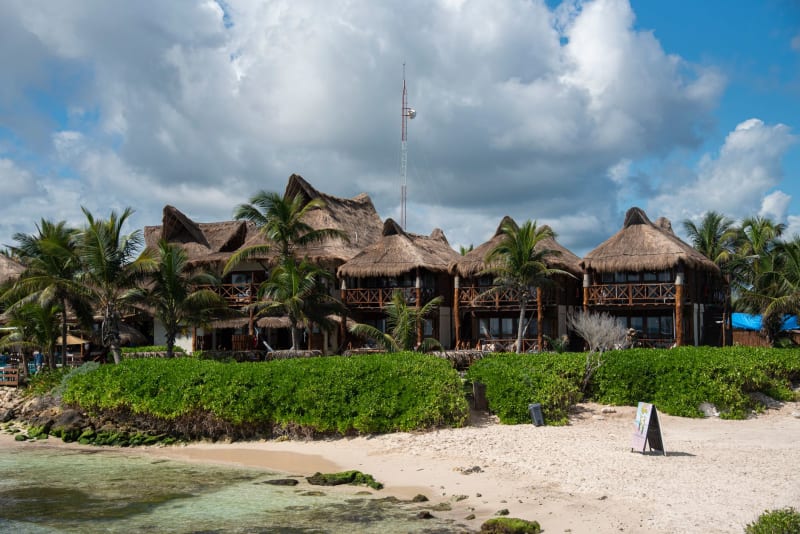
Desde hoteles boutique frente al mar hasta hostales acogedores — explora 90+ propiedades con reseñas reales de Booking.com.
Playas, lagunas y pueblos de montaña — todo al alcance
 location_on Destino
 Playa Paraíso
Clasificada constantemente entre las playas más hermosas del mundo — arena blanca, palmeras y agua tan turquesa que pare
 location_on Destino
 Playa Ruinas
La única playa del mundo donde se nada bajo ruinas mayas antiguas — una pequeña cala de arena blanca y agua turquesa al
 location_on Destino
 Bahía de Akumal
Uno de los mejores lugares del mundo para hacer snorkel con tortugas marinas silvestres todo el año — la tranquila lagun
 location_on Destino
 Playa Pescadores
La playa local más auténtica de Tulum — sin beach clubs, sin cobros, solo familias mexicanas, pescadores locales y el cá
 location_on Destino
 Tulum Pueblo
El corazón de Tulum — un relajado pueblo mexicano con restaurantes de clase mundial, mercados orgánicos, cenotes, tienda
 location_on Destino
 Zona Hotelera
La legendaria zona hotelera de Tulum — una franja de eco-hoteles, beach clubs boho-chic y estudios de yoga que se extien
Haz clic en cualquier destino para explorar tours, hospedaje y experiencias únicas.
Todo lo que necesitas para tu experiencia en Tulum — desde rentas vacacionales hasta organización de bodas.
 villa vacation.destinosmx.com
Renta Vacacional
Explora casas, villas y departamentos vacacionales curados en Tulum. Desde casitas frente al mar hasta penthouses de lujo.
 home_work realestate.destinosmx.com
Bienes Raíces en Tulum
Descubre opciones inmobiliarias — desde casas y villas elegantes, terrenos diversos, apartamentos y condominios modernos, hasta hoteles y negocios lucrativos.
favorite weddings.destinosmx.com
Organización de Bodas
Bodas soñadas en la Riviera Maya. Nos encargamos de todo — venue, decoración, catering, música y fotografía.
 celebration events.destinosmx.com
Organización de Eventos
Retiros corporativos, fiestas de cumpleaños, despedidas de soltero/a y eventos privados en Tulum. Experiencias personalizadas.
Reseñas reales de viajeros reales en Google
"We did a private boat tour, wonderful experience! We saw whales, dolphins, turtles and rays! Would recommend 100%!"
"The mole class was just fantastic. Alejandrina was perfection. Thank you Lia for our tour."
"We had such a great experience with Pierre and the trip. Communication on point, as well as transport. The trip self was beau-ti-ful!!! The horses were great and great taken care of by the local owner which also joined our ride. It exceeded our expectations, I can't imagine a more beautiful surroundings to do horse riding trek that doesn't feels touristy. Definitely recommended!"
"Unbelievable experience, had such an amazing time, our trip wouldn't have been the same if it wasn't for you guys."
"INCREIBLE !!! 10/10"
"Hice el tour de avistamiento de delfines y ballenas y la liberación de tortugas con ellos. 10/10. Nuestro capitán Wilmer con su embarcación Marbella, estuvo increíble. Nos dio muchísima información y nos explicó todo! Agencia responsable, puntual y siempre ahí para ayudar. La recomiendo."
Tulum está ubicado en la costa del Caribe de Quintana Roo, México. Cenotes de clase mundial, lagunas bioluminiscentes, cultura indígena y vida nocturna vibrante.

Quintana Roo
Caribbean Coast, Mexico
29,903
Habitantes
15+
Playas
27°C
Temp. Promedio
Dónde Hospedarse en Tulum
Tulum — a name derived from the Mayan word for "wall" — was an ancient Mayan walled city perched dramatically on cliffs above the Caribbean Sea, serving as a major trading port during the Postclassic period (900–1521 AD).
During the early 20th century, Tulum was largely forgotten, its ruins reclaimed by jungle. The construction of roads connecting the Yucatán peninsula brought the first explorers, and by the 1970s, Tulum became a magnet for hippies and adventurers drawn to its mystical Mayan ruins and pristine Caribbean beaches.
Throughout the 1990s and 2000s, Tulum transformed from a hidden gem into one of Mexico's most coveted destinations. International travelers discovered its perfect combination of Mayan heritage, cenotes, white-sand beaches, and turquoise Caribbean waters. The town grew steadily while retaining its bohemian character — a rare feat for a Mexican beach destination.
Today, Tulum is one of Mexico's fastest-growing tourist destinations with a booming population, yet it still retains a magical, otherworldly atmosphere. The arrival of the Maya Train, a growing digital nomad community, and international recognition as a world-class wellness and adventure destination have cemented its status — while preserving the authentic Maya culture, indigenous traditions, and natural beauty that make it truly special.
Tulum enjoys a tropical climate with warm temperatures year-round. The dry season (December–April) offers sunny skies and is peak tourist season. The wet season (May–November) can bring rain and occasional hurricanes but lower prices and fewer crowds.

27°C / 81°F
Temp. Promedio
28°C / 82°F
Temp. del Océano
300+
Días Soleados / Año
1–6m
Rango de Olas
wb_sunny ¿Cuál Es la Mejor Época para Visitar? — Dry Season
November – May: The most popular time to visit. Sunny skies, no rain, and warm temperatures. Peak season is December–February with the highest prices. Whale shark encounters peak July–September. Turtle releases June–December. Ideal for cenote diving, snorkeling, and all outdoor activities.
water_drop Rainy Season
June – October: Rain usually arrives in short afternoon bursts — mornings are still sunny and perfect for the beach. Prices drop 30–50%, crowds thin out, and the landscape turns lush green. Surf season peaks May–September with the biggest waves. Bioluminescence is best June–November.
Tulum is served by Cancún International Airport (CUN), about 130 km north, and is well connected by road and the Tren Maya. Here's how to get here.

flight By Air
directions_car By Land
The Caribbean coast is home to an incredible diversity of wildlife — from sea turtles and whale sharks to bioluminescent plankton and over 300 bird species in the Sian Ka'an Biosphere Reserve.

Sea Turtles
Olive ridley nesting Jul–Dec
Humpback Whales
Migration Nov–Mar
Dolphins
Year-round sightings
Bioluminescence
Glowing lagoon Jun–Nov
Mangroves
Rich coastal ecosystems
200+ Bird Species
Herons, pelicans, flamingos

Tulum is one of the Riviera Maya's premier destinations, famous for its turquoise Caribbean waters, ancient Mayan ruins, and world-class cenotes. The coastline stretches along pristine white-sand beaches, drawing visitors from around the globe seeking adventure and natural beauty.
The cenotes nearby (Gran Cenote, Dos Ojos, Car Wash) are perfect for snorkeling and diving at all levels. The Mesoamerican Barrier Reef offers spectacular underwater adventures just offshore. Multiple dive shops offer courses and guided cenote and reef tours for all levels.
The best conditions for snorkeling and cenote diving are year-round, with visibility often exceeding 100 meters in cenotes. Whale shark season runs June–September near Isla Holbox. The vibe here is authentic and welcoming — a perfect mix of bohemian freedom, Mayan mysticism, and Caribbean paradise.

Tulum sits within the heart of the ancient Maya civilization. The Yucatán Peninsula is home to one of Mexico's largest Maya populations, with traditions spanning over three millennia. Their influence is woven into every aspect of local life — from cenote rituals and ruins to festivals, traditional food, and the continued use of the Yucatec Maya language.
The cenotes you'll swim in were sacred to the Maya, used for rituals and offerings to the rain god Chaac. The ancient city of Tulum was a walled Maya port trading jade, obsidian, and copper. Today, Mayan descendants continue cultural traditions — from hand-woven textiles and jade jewelry to ancestral cooking techniques using achiote, habanero, and citrus.
Major cultural events include Día de los Muertos (Oct 31–Nov 2), the Maya New Year celebrations, and the Festival Internacional Xcaret México. These celebrations offer a window into the deep spiritual and communal traditions of the Maya people of Quintana Roo.
Maya Art & Jade
Jade jewelry, stone carvings, and intricate hand-woven textiles — three millennia of Maya and Yucatec artistic tradition preserved in Quintana Roo.
Sacred Cenotes
Over 6,000 cenotes dot the Yucatán Peninsula. Sacred to the Maya as portals to the underworld, they are now world-famous for diving, snorkeling, and swimming.
Yucatecan Cuisine
Cochinita pibil, salbutes, panuchos, and fresh ceviche — Yucatecan cuisine is one of Mexico's most distinct, using ancestral achiote, habanero, and citrus.
Maya Ruins & Temples
Tulum ruins, Cobá, and Chichén Itzá — some of the most spectacular Maya archaeological sites, accessible as day trips from Tulum.
Tulum has become one of Mexico's top destinations for digital nomads and remote workers. Affordable living, reliable internet, coworking spaces, and an incredible lifestyle make it an ideal base.

desktop_windows Coworking Spaces
coffee Cafes with Great Wi-Fi
Tulum is considered one of the safest beach destinations in Quintana Roo and Mexico. The town relies heavily on tourism and the local community is welcoming and friendly. Standard travel precautions apply: use hotel safes, avoid walking alone on unlit beaches at night, and secure your belongings.
Water safety is important — some beaches have strong currents. Always respect beach flag warnings and follow guide instructions in cenotes. Wear a life vest for all water activities.
Health tips: Drink bottled water only (never tap water). Wear sunscreen — the tropical sun is intense. Bring insect repellent for evenings and jungle excursions. In case of emergency, dial 911.
¿No sabes por dónde empezar? Envíanos un mensaje y crearemos un itinerario personalizado.