Why Tulum is a Paradise for Water Lovers
First Impressions of Tulum
There is a moment — usually about five minutes after arriving in Tulum — when you stop, look around, and realize this place is unlike anywhere else in Mexico. The Caribbean stretches out in impossible shades of turquoise. A cluster of ancient Mayan ruins perches on the cliff above the sea. And somewhere in the jungle behind you, a freshwater cenote waits to be discovered. This is Tulum: a destination where history, nature, and the ocean all collide in the most spectacular way.
Our DestinosMX team has spent a lot of time exploring the Riviera Maya, and we keep coming back to Tulum. Not for the waves — the Caribbean is famously calm and gentle here — but for every other kind of water adventure you can imagine. Cenote diving, coral reef snorkelling, sea turtle encounters, lagoon kayaking, and floating through underground rivers. Tulum delivers all of it.
The Caribbean Sea: Calm, Warm, and Impossibly Blue
Let's be honest about one thing upfront: Tulum is not a surf destination. The Caribbean Sea is sheltered by the Mesoamerican Barrier Reef — the second-largest coral reef system in the world — which means the waves along Tulum Beach are gentle laps rather than powerful swells. If you came looking for big-wave surfing, you'll want to head to the Pacific coast instead.
But what the Caribbean loses in wave power, it more than makes up for in everything else. The water temperature hovers around 27–29°C (80–84°F) year-round. Visibility underwater can reach 30 metres on a clear day. The colour is that specific shade of turquoise that travel photographers spend their whole careers trying to capture. And because the reef acts as a natural barrier, the sea is safe, calm, and perfect for swimmers of all levels.
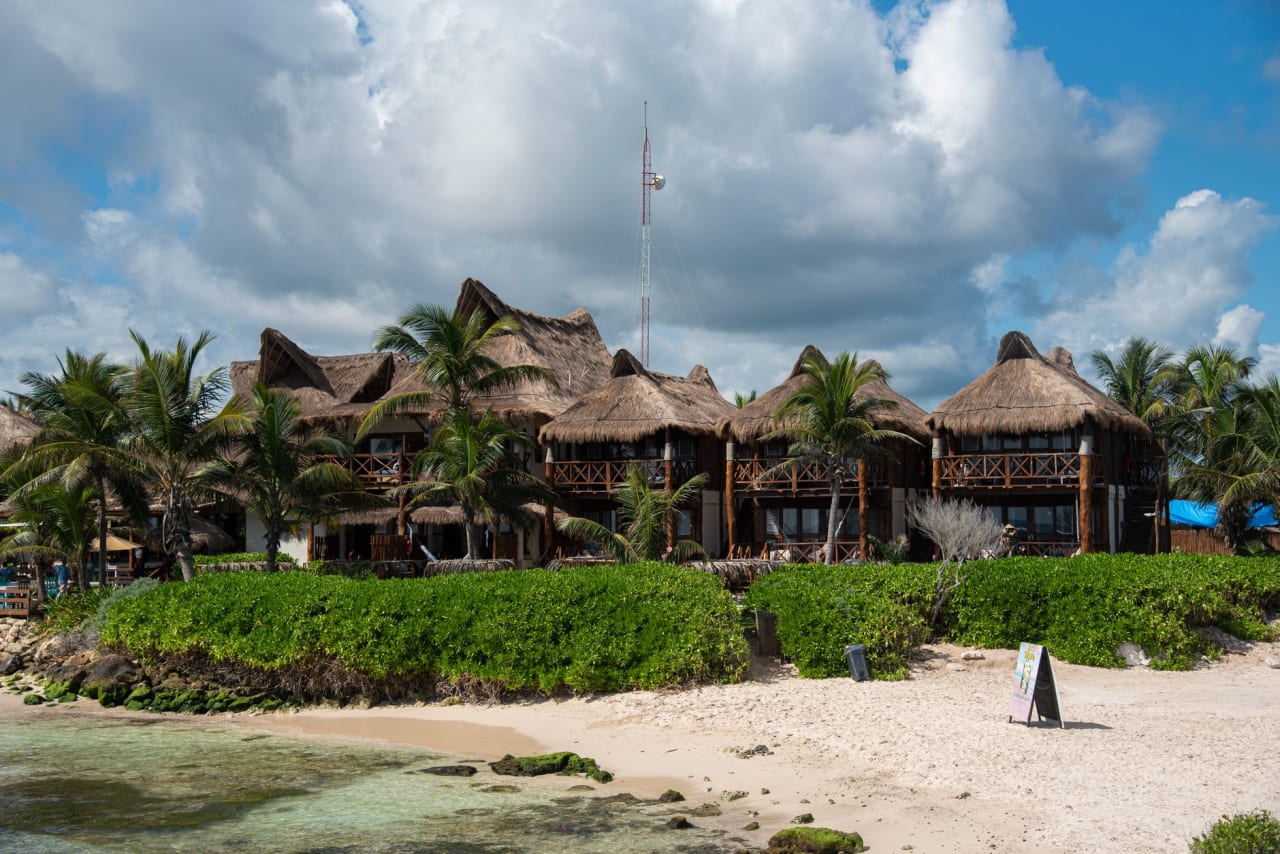
The main beach strip — known as the Zona Hotelera — runs along a narrow road between the jungle and the sea. Here you'll find boutique eco-hotels, yoga shalas, and beach clubs, all facing that gorgeous Caribbean water. Playa Paraíso, at the southern end of the hotel zone, consistently ranks among Mexico's most beautiful beaches. Further north, Playa Ruinas sits directly beneath the ancient Mayan fortress, giving you the surreal experience of swimming in the shadow of a thousand-year-old archaeological site.
Cenotes: Tulum's Most Magical Water Experience
If there is one thing that makes Tulum completely unique among beach destinations, it is the cenotes. These are freshwater sinkholes formed over millennia as rainwater dissolved the limestone bedrock of the Yucatán Peninsula. The result is a network of thousands of natural pools, caverns, and underground rivers — many of them crystal clear, some of them connected to the sea, and all of them breathtaking.
The cenotes around Tulum are, in our honest opinion, the single best reason to visit. Here are the ones our team recommends most:
Gran Cenote
Just a few kilometres west of Tulum Pueblo, Gran Cenote is the most famous and arguably most beautiful open-air cenote in the region. The turquoise water is so clear you can see the bottom from 10 metres above. Stalactites hang from the low cave ceilings at the edges. Turtles and small fish drift past as you snorkel. It opens early and gets busy by midday, so we recommend arriving at 8 a.m. to have it nearly to yourself. Bring your snorkel mask — the underwater views are extraordinary.
Dos Ojos
The name means "Two Eyes" — a reference to the two main sinkholes that form the entrance to one of the world's most impressive underwater cave systems. Dos Ojos is paradise for snorkellers and certified cave divers alike. The cavern zone (no certification required) takes you through cathedral-like limestone chambers with shafts of sunlight piercing the water. It is genuinely one of the most otherworldly experiences we have had anywhere in Mexico.
Cenote Azul
Cenote Azul is a wide, open cenote with multiple depth levels — perfect for families because children can splash in the shallower sections while adults explore the deeper areas. The surrounding jungle provides shade, there are rope swings and jumping platforms for the adventurous, and a small restaurant on-site means you can make a full afternoon of it. The water really is that shade of deep, rich blue the name promises.
Jardín del Edén
Also called Ponderosa, Jardín del Edén is one of the larger cenotes in the area — open-air, with room to float and swim without feeling crowded. The water clarity here is exceptional, and the cenote connects to an underwater cave system that more experienced snorkellers can partially explore. It is set amid lush jungle, and the whole scene has a genuinely Eden-like quality to it.
Casa Cenote
Casa Cenote is unique because it sits just a few hundred metres from the Caribbean — and it actually connects to the sea through an underground channel. That means you can sometimes see small marine fish mixing with freshwater species in the same pool. It is a wonderful spot for kayaking as well as swimming, and the mangrove fringe around the edges is home to birds and other wildlife. Sunrise here is something special.
Snorkelling the Mesoamerican Reef
While Tulum itself doesn't have a dive shop on every corner the way Playa del Carmen or Cozumel do, the coral reef is very much accessible from here. Several tour operators in Tulum Pueblo run half-day snorkelling trips out to the reef, where you'll encounter parrotfish, angelfish, moray eels, sea fans, and — if you're lucky — nurse sharks resting on the sandy bottom.
For sea turtles, the best spot in the region is Akumal, about 30 minutes north of Tulum on Highway 307. Wild green sea turtles feed on the seagrass beds in Akumal Bay year-round. You can snorkel directly from the beach in water that's rarely more than 2–3 metres deep, drifting alongside turtles that are entirely unbothered by human presence. It is one of those bucket-list experiences that actually lives up to the hype.
The Sian Ka'an Biosphere Reserve
South of Tulum's hotel zone, the road eventually gives way to the Sian Ka'an UNESCO Biosphere Reserve — over 500,000 hectares of protected mangroves, lagoons, tropical forest, and Caribbean coastline. Sian Ka'an means "where the sky is born" in Mayan, and the name fits: the light in this place is extraordinary.
The reserve is home to manatees, crocodiles, jaguars, howler monkeys, flamingos, and hundreds of bird species. Tours from Tulum typically include boat rides through the mangrove channels, visits to ancient Mayan canal systems that are still visible underwater, and time at isolated Caribbean beaches that you'll likely have entirely to yourselves. It is the wild, untouched side of Tulum — and it is not to be missed.
Tulum Pueblo vs. the Zona Hotelera
One thing that surprises first-time visitors is how different the two main parts of Tulum feel. Tulum Pueblo — the town — is where locals live, where the best taco stands and affordable restaurants are, and where you get a sense of actual Mexican daily life. The main street has supermarkets, pharmacies, colourful lunch spots, and the kind of unpretentious energy that keeps travellers coming back.
The Zona Hotelera, a few kilometres east on the coast road, is a different world: boutique eco-lodges, high-end beach clubs, rooftop bars, and jungle-to-sea wellness retreats. It's quieter, more curated, and considerably more expensive. Many travellers stay in the Pueblo and rent a bicycle or scooter to reach the beach — it's a 10–15 minute ride and far more affordable than staying in the hotel zone itself.
Between the two sits Aldea Zama, a planned residential and boutique commercial neighbourhood carved out of the jungle. It has a growing selection of excellent restaurants, yoga studios, and boutique shops — a nice middle ground between the rawness of Pueblo and the polish of the hotel zone.
Day Trips from Tulum
Tulum's location on the Riviera Maya puts you within easy reach of some of Mexico's most impressive sights. Our team's top recommendations for day trips:
Cobá Ruins
About 45 minutes northwest of Tulum, Cobá is a sprawling Mayan city set deep in the jungle. Unlike the cliff-top ruins in Tulum itself, Cobá has a main pyramid — Nohoch Mul — that you can still climb (as of our last visit). Standing at the top, looking out over an unbroken canopy of jungle in every direction, is one of those moments that stays with you. Go early to beat the heat and the crowds.
Chichén Itzá
The most famous Mayan archaeological site in the world is about 2.5 hours from Tulum by car. The scale of El Castillo pyramid is genuinely awe-inspiring in person. We recommend booking a guided tour from Tulum — the guides bring the history to life in a way that the site alone cannot.
Bacalar
The "Lake of Seven Colours" is about three hours south of Tulum and absolutely worth an overnight trip. The lagoon shades from pale turquoise to deep navy depending on depth, and you can kayak, paddleboard, and swim in some of the clearest fresh water in Mexico. Bacalar is still relatively off the tourist radar compared to Tulum — a wonderful contrast.
Getting Around Tulum
Tulum is well connected to the rest of the Riviera Maya. ADO buses run frequently between Cancún (about 2 hours), Playa del Carmen (45 minutes), and Tulum Pueblo. Colectivos — shared passenger vans running along Highway 307 — are the local's choice for short hops between towns and cost just a few pesos. Within Tulum, bicycles are the classic way to get around: the flat terrain makes cycling easy, and the bike ride down the Zona Hotelera road through the jungle to the beach is a pleasure in itself.
Car or scooter rental is useful for reaching more remote cenotes and Sian Ka'an. Taxis are plentiful in town, and several apps including inDriver operate in the area for fair metered pricing.
Food and Nightlife
Tulum has earned a reputation as one of Mexico's most exciting food destinations. The wellness influence means the vegan and organic restaurant scene is unusually strong — you'll find excellent plant-based food at every price point. But don't let that mislead you: the taco stands in Tulum Pueblo are sensational, and the fresh seafood (ceviches, aguachiles, grilled fish) at the beach clubs in the Zona Hotelera is some of the best we've eaten anywhere on the Mexican coast.
For a lively evening, head to the night market scene near El Camello in Tulum Pueblo, where you'll find grilled meats, local craft beers, mezcal, and a wonderfully mixed crowd of travellers and locals. The hotel zone has its own nightlife — more upscale, more DJ-driven — but the Pueblo is where you'll find the most authentic energy after dark.
Our Honest Take: Who Is Tulum For?
Tulum is one of those rare destinations that genuinely has something for everyone — as long as you're not chasing big waves. If you love snorkelling, cenote swimming, exploring ancient ruins, eating exceptional food, doing yoga at sunrise, and going to sleep to the sound of the jungle and the sea, then Tulum is for you. If you need heavy surf, head to Puerto Escondido or Sayulita instead.
But for anyone who wants to experience the Caribbean at its most magical — turquoise water, limestone cenotes, Mayan history, and a wellness vibe that doesn't feel forced — Tulum delivers at every turn. Our team has visited dozens of times and we still find something new every trip. That's the sign of a truly special place.
Ready to plan your Tulum adventure? Browse our Tulum tours and experiences and let our team help you build the perfect itinerary.