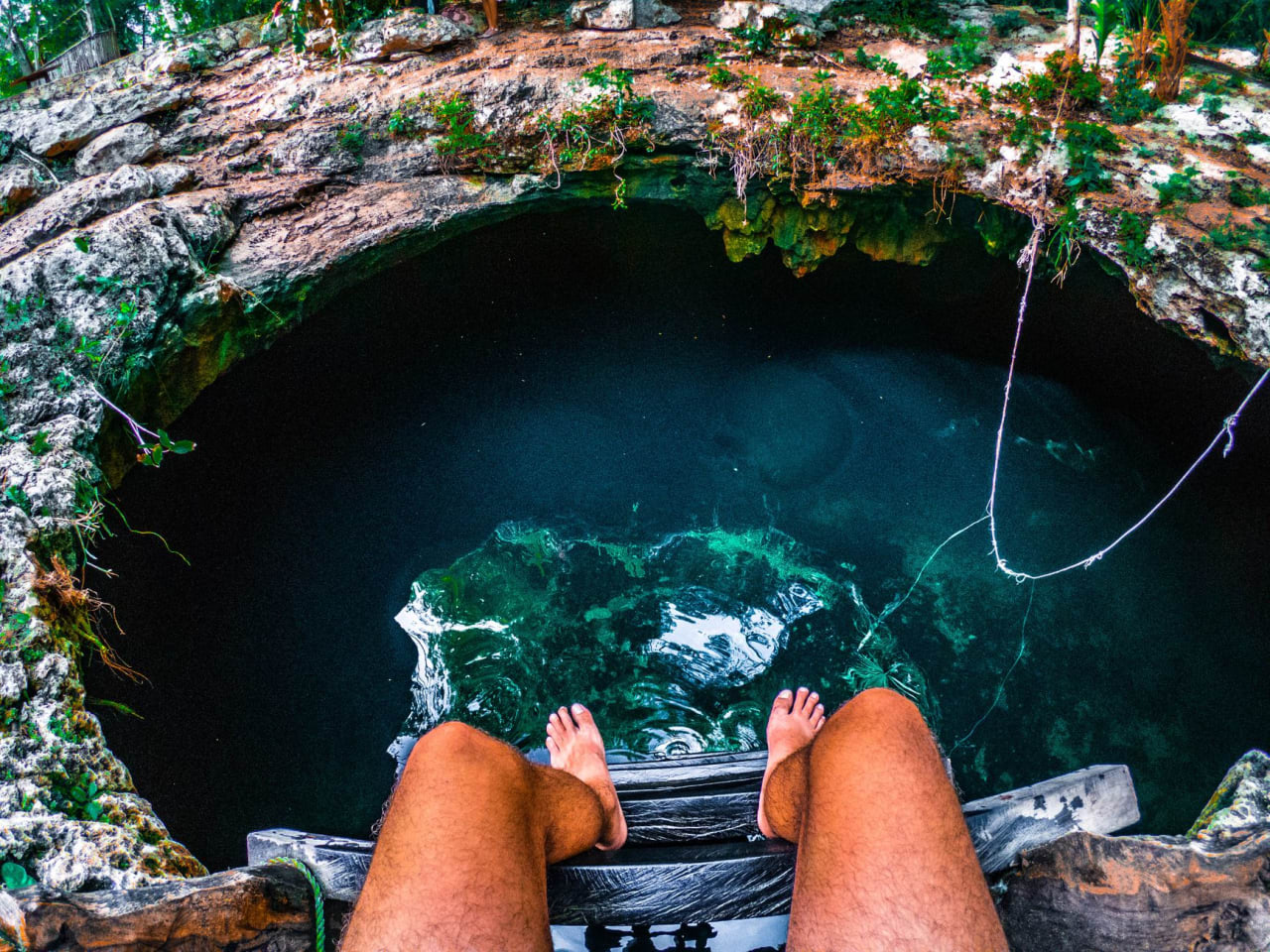
The Best Time of Year to Take a Cenote Tour in Tulum
My first impression of Tulum was nothing short of magical. Stepping out into the warm Caribbean air, surrounded by lush jungle and the promise of turquoise water just minutes away, I felt it immediately — this place was special. Tulum, perched on the Caribbean coast of Quintana Roo, Mexico, is famous for its ancient Mayan cliff-top ruins, eco-chic jungle hotels, and above all, its extraordinary cenotes. These freshwater sinkholes, formed over millennia as rainwater dissolved the limestone bedrock, are Tulum's greatest natural treasure — and the closest thing the Yucatán Peninsula has to a therapeutic, otherworldly immersion in nature.
I have long been drawn to natural water experiences. There is something about slipping into a crystal-clear underground pool, surrounded by stalactites and the hush of an ancient cavern, that soothes not just the body but also the mind and soul. So when our team first learned about Tulum's cenote tours, it shot straight to the top of our travel list. Here was a chance to experience one of Mexico's true geological wonders — a far cry from ordinary beach days and far more immersive than any spa.
In this post, we journey into the heart of Tulum and its cenote landscape, helping you decode the best time of year to visit for that perfect cenote tour. We'll also share what makes these natural pools a blend of adventure and relaxation that truly sets Tulum apart from every other destination on Mexico's Caribbean coast.
A Deeper Dive into Tulum's Cenotes
Tulum's cenotes have drawn travelers, divers, and wellness seekers from around the world for decades — all eager to experience these geologic spectacles. The expression on the faces of first-time visitors when they lower themselves into the crystalline water is a sight to behold: muscles unwind, heat dissolves, and a look of pure bliss settles in.
Stunning natural landscapes surround most of Tulum's cenotes. Some are open-sky pools fringed with jungle palms and hanging roots. Others are partially or fully underground, their chambers lit by shafts of light that turn the water an impossible shade of turquoise and jade. Taking a cenote tour in Tulum is like stepping into a hidden world where the noise of town fades and you're left with nothing but cool, clear water and the quiet of the earth.
Overview of the Uniqueness and Natural Beauty of Tulum's Cenotes
Tulum's cenotes are unlike anything else in the world. Their uniqueness lies in how they were formed naturally over thousands of years: ancient rainwater percolated through the porous limestone of the Yucatán Peninsula, carving vast underground river systems. When cave ceilings collapsed, cenotes opened to the sky — or remained as awe-inspiring underground caverns accessible only by ladder or rope.
The most visited cenotes near Tulum include:
- Gran Cenote — Just 4 km west of Tulum Pueblo, this is the classic first-cenote experience: a partially open cenote with clear turquoise water, stalactites, freshwater turtles, and easy snorkelling. It opens early and fills up fast.
- Dos Ojos — One of the world's longest underwater cave systems, about 25 km north of Tulum. The name means "Two Eyes" for its two connected pools. Snorkelling and certified cave diving are both available.
- Cenote Azul — A large open-sky cenote near Akumal, with a shallow area perfect for families and a deep zone for confident swimmers.
- Jardín del Edén (also called Ponderosa) — A sprawling open cenote with a small island in the centre, rope swings, and remarkable underwater visibility. Popular with younger crowds for its relaxed, social atmosphere.
- Casa Cenote (Cenote Manantial) — Near Tulum's coast, this brackish cenote connects to the Caribbean Sea through an underground channel — you may spot mangrove fish and even the occasional crocodile on the banks.
Each cenote has its own character, its own microclimate, and its own magic. Our Tulum team recommends visiting at least two on any cenote tour to appreciate the full range of what the region offers.
Sharing Some Local Lore and Stories About the Cenotes
To the ancient Maya, cenotes were not simply swimming holes — they were Dzonot, sacred portals to Xibalba, the Maya underworld. Cenotes served as the primary fresh water source for Mayan cities across the Yucatán, and many were sites of ritual offerings and ceremonies. Archaeologists have recovered jade, pottery, incense, and in some cases human remains from cenote floors, evidence of the reverence the Maya held for these waters.
Local guides in Tulum still share these stories as you slip into the water, and that layer of history adds a dimension to the experience that no ordinary swimming pool can replicate. When you float in the light-dappled interior of Gran Cenote or drift through the cavern passages of Dos Ojos, you're moving through a landscape that has been sacred for over a thousand years. That knowledge alone is worth the trip.
Experience and Benefits of a Cenote Tour During Different Seasons
Tulum has two main seasons that shape the cenote experience significantly. Understanding them helps you plan a visit that matches your priorities — whether you want lush jungle scenery, fewer crowds, or the best water clarity.
The Peak Season (December – April): Sun, Crowds, and Crystalline Water
Tulum's dry season runs from roughly December through April, coinciding with the peak tourist influx from North America and Europe. During these months, the weather is near-perfect: warm and sunny days (27–31°C / 81–88°F), low humidity, negligible rainfall, and calm Caribbean breezes.
For cenote tours, the dry season delivers:
- Maximum water clarity — Without heavy rains flushing tannins and sediment into the system, cenote water is at its clearest. Visibility at Dos Ojos can exceed 100 metres underwater during this period.
- Comfortable swimming temperatures — Cenote water stays at a steady 24–25°C (75–77°F) year-round regardless of season, which feels deliciously refreshing against the warm dry-season air.
- Consistent sunshine — Open-sky cenotes like Gran Cenote and Jardín del Edén are most photogenic mid-morning when sunbeams pierce the water at dramatic angles.
The trade-off is crowds. January through March in particular brings the highest visitor numbers to Tulum. Gran Cenote can feel busy by 10 a.m., and popular spots like Dos Ojos fill up by mid-morning. Our team's advice: book a guided cenote tour that departs at or before 8 a.m. to beat the tour-bus rush, and consider visiting two or three cenotes in a single outing so you spend less time at any one crowded spot.
The Off-Peak Season (May – November): Lush, Quiet, and Atmospheric
Tulum's rainy season brings a different kind of beauty. May and June are transitional — warm, occasionally showery, but far less crowded than the peak months. July and August are hot and humid (33–35°C / 91–95°F), with afternoon thunderstorms that roll in and pass quickly. September and October are the heart of hurricane season, though Tulum's sheltered cenotes are not affected by wave conditions the way coastal activities are.
What the off-peak season offers cenote visitors:
- Dramatically fewer crowds — We've had Gran Cenote almost entirely to ourselves in late September. That kind of solitude transforms the experience.
- Jungle at its most vibrant — The vegetation surrounding open cenotes explodes into deep greens. The contrast of emerald jungle against turquoise water is at its most photogenic after the rains.
- Lower prices — Hotels, tours, and rental equipment are typically 20–40% cheaper outside peak season. A cenote tour that costs $80 USD in January may run $50 in October.
- Cenote water stays stable — Unlike the ocean, cenote water temperature and clarity are governed by the underground aquifer, not surface weather. A rainy day above ground does not cloud the water below.
The main consideration is that some cenotes temporarily close if heavy rains cause minor flooding of entrance paths — always check with your tour operator the day before. And if you're visiting in September or October, monitor tropical storm forecasts, though Tulum's cenote season never truly closes.
In-Depth Recommendation: The Best Time to Take a Cenote Tour in Tulum
After many visits and conversations with local guides, dive operators, and fellow travelers, our Tulum team has a clear recommendation: late November through mid-December is the sweet spot for most visitors.
Why Late November to Mid-December Is Ideal
This narrow window sits at the hinge between the rainy and dry seasons, and it delivers the best of both worlds:
- Weather is settling — Rains have tapered off, the jungle is still lush from the wet season, and sunshine returns reliably.
- Crowds haven't arrived yet — The big Christmas influx typically doesn't hit until December 20–22. Visiting in late November or early December means you enjoy near-empty cenotes with dry-season clarity.
- Water clarity is building — The aquifer has had months to filter and stabilise, and underwater visibility at places like Dos Ojos is often spectacular.
- Temperatures are comfortable — Daytime highs of 28–30°C (82–86°F), cooling pleasantly at night, make the cenote's 24°C water feel like a refreshing embrace rather than a shock.
If late November doesn't fit your schedule, early May is our second recommendation. The crowds have cleared, prices drop overnight, and the first rains are just beginning to green up the jungle — but cenotes are still clear and open.
Packing Tips and How to Prepare for Your Cenote Tour
A cenote tour in Tulum is easy to enjoy with the right preparation. Here's what our team recommends:
- Reef-safe sunscreen only — Most cenotes in Tulum require biodegradable, reef-safe sunscreen. Standard chemical sunscreens are banned to protect the delicate freshwater ecosystem. Buy a reef-safe option before you arrive or pick one up in Tulum Pueblo.
- Water shoes — Cenote entry points can involve slippery limestone steps, ladders, or rocky paths. Lightweight water shoes provide grip and protect your feet.
- Snorkel gear — Most guided tours include fins, mask, and snorkel. If you have your own, bring it; rental quality varies.
- Dry bag — A small dry bag protects your phone, camera, and documents. Cenote lighting is extraordinary — you'll want your camera.
- Cash in pesos — Many cenotes charge a separate entry fee (typically 200–400 MXN) on top of your tour price. ATMs in Tulum Pueblo are reliable; those in the Zona Hotelera less so.
- Early departure — Book a tour that starts by 8 a.m. You'll reach Gran Cenote or Dos Ojos before the tour buses arrive, and the low morning light through the cenote openings is extraordinary.
- Hydration — Between cenotes you'll be outdoors in tropical heat. Bring a reusable water bottle; colectivos and tour vehicles don't always carry water.
Getting around is straightforward: colectivos (shared vans) run along Highway 307 between Tulum Pueblo and the cenote corridor toward Cobá. For multiple cenotes in one day, renting a bicycle or scooter from Tulum Pueblo gives you maximum flexibility and costs very little.
Personal Reflections and an Invitation to Share Your Experience
The first time our team descended into Gran Cenote at 8 in the morning, before the day-trippers arrived, the silence was almost physical. Shafts of pale gold light cut through the cenote opening and illuminated columns of stalactites beneath the surface. A freshwater turtle glided past, unhurried. In that moment, we understood why the ancient Maya considered these waters sacred.
Cenote tours in Tulum are not just a box to tick on a Riviera Maya itinerary. They are a genuine encounter with one of the planet's most remarkable geological and ecological systems — an underground world of rivers, caverns, and crystal water that stretches across the entire Yucatán Peninsula beneath your feet.
Whether you visit in the quiet of late November, the blazing energy of January, or the lush solitude of a rainy-season September, a cenote tour in Tulum will stay with you long after you've left. The water is always clear. The light is always a little miraculous. And the feeling of floating in an ancient underground river, connected to the earth in a way that few experiences can replicate, is something we encourage every traveller to seek out.
Have you taken a cenote tour in Tulum? We'd love to hear which cenote moved you most — drop your experience in the comments or reach out to our team. And if you're still planning your trip, browse our Tulum cenote tours to find the experience that fits your style, whether you're after a gentle snorkel in an open-sky pool or a full-day cave-diving adventure at Dos Ojos.
auto_awesome Continue exploring Tulum
You Might Also Like
 article Adventures calendar_today Oct 29, 2021
 60 Things To Do in Tulum
Planning your vacation to Tulum can be a bit overwhelming, especially with so much to do and see. To help you out, we’ve
 article Adventures calendar_today Nov 10, 2023
 The Types of Fish You Can Catch on a Tulum Fishing Tour
Hello there! Sophia here, globe-trotter, storyteller, and now, somewhat of an amateur angler. After months of planning a
 article Adventures calendar_today Nov 5, 2023
 Why Tulum is the Best Place for Turtle Release Tours
We can hardly contain our excitement when we talk about one of the most moving experiences the Riviera Maya has to offer