The Best Time to Experience Turtle Release in Tulum
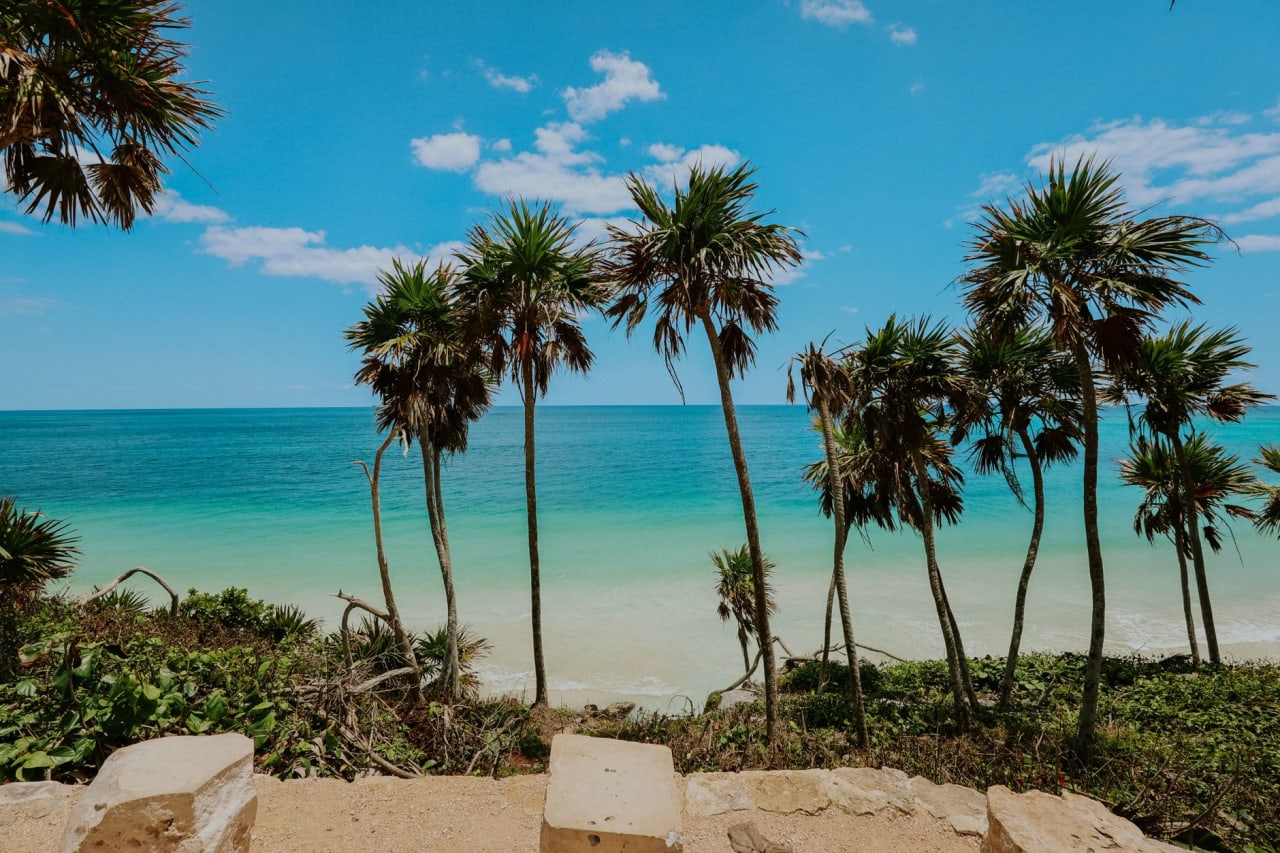
There I was, stepping onto the powdery white sands of Tulum's Caribbean coast for the first time. The turquoise water glittered beneath the afternoon sun, ancient Mayan ruins crowned the sea cliffs above the Zona Hotelera, and the jungle hummed with birdsong at dusk. But nothing could prepare me for the most humbling sight of all — the turtle release in Tulum. Tiny hatchlings, no bigger than your palm, making their brave first journey into the warm Caribbean Sea.
When To Witness The Turtle Release
Timing Is Key
Timing, as with so many natural wonders, is everything when it comes to this remarkable event. Sea turtles — primarily loggerhead and green turtles — nest on Tulum's Caribbean beaches from late spring through autumn. Hatchlings begin emerging from July through December, with peak activity concentrated between August and November. We planned our visit specifically around this window, and we were rewarded with multiple release events over just a few days. If you can only come once, aim for September or October — the beach is warm, the hatching is intense, and crowds are lighter than in high season.

Understanding Turtle Release in Tulum
The Process and Its Importance
The turtle release in Tulum involves local conservation teams carefully collecting freshly laid eggs from the beach, incubating them in protected hatcheries, and then safely guiding the hatchlings to the water once they emerge. The Caribbean shoreline of Tulum — stretching from Playa Paraíso in the south to the beaches near Casa Cenote further north — is a critical nesting corridor for sea turtles in Mexico. Organizations working in the Sian Ka'an biosphere reserve, just south of Tulum, have been monitoring and protecting these nesting sites for decades. By participating in a guided release event, you are directly supporting their conservation work and helping to boost sea turtle populations in the Caribbean.
Our Team's Turtle Release Experience

Our Tulum team will never forget that evening on the beach near the Zona Hotelera. Under a sky blazing with stars — no light pollution in this stretch of jungle coast — dozens of hatchlings emerged from the sand and scrambled toward the gentle Caribbean surf. Their determination was extraordinary. These tiny creatures, weighing barely an ounce, somehow knew exactly which direction to go, guided by the faint luminescence of the sea. Watching them disappear into the warm, turquoise water was both heartwarming and deeply moving. Participating in this cause gave every one of us a profound sense of purpose — it is the hands-on wildlife conservation experience we did not know we needed until we lived it.
The Lasting Impact of the Experience
Reflections and Takeaways
Looking back, our turtle release experience in Tulum stands among the most meaningful wildlife encounters any of us has ever had. It went far beyond an Instagram moment. Understanding that these hatchlings face enormous odds — only roughly one in a thousand will reach adulthood — made witnessing their first steps all the more poignant. The journey of those tiny turtles into the vast Caribbean was a living lesson in resilience, vulnerability, and survival that stayed with us long after we left the beach. Combine this experience with a sunrise visit to the Tulum Mayan ruins overlooking the sea, or a cenote swim at Gran Cenote or Dos Ojos, and you have a Tulum trip that touches every sense and every emotion.
Join the Adventure

If you are planning a trip to Mexico's Caribbean coast, we strongly encourage you to time your visit around the turtle release season in Tulum. Between July and December — and especially from August through November — the beaches of Tulum's Zona Hotelera become one of the most extraordinary wildlife stages in all of the Riviera Maya. Come for the turtles, stay for the cenotes, the ruins, and the warm Caribbean nights. We hope to see you here, on the white sands of Tulum, watching these ancient mariners take their first courageous steps toward the sea.
Protecting Tulum's Wildlife
Tulum is home to olive ridley and loggerhead sea turtles, humpback whales, dolphins, crocodiles, and over 200 species of birds. Conservation programs at Akumal Bay and the Sian Ka'an Biosphere Reserve protect nesting turtles during the July–December season. Responsible tourism — keeping distance from wildlife, avoiding flash photography, and following guide instructions — helps preserve these incredible ecosystems.
arrow_forward Join a Turtle Releaseauto_awesome Continue exploring Tulum
You Might Also Like
 article Adventures calendar_today Nov 27, 2023
 Understanding the Life Cycle of Sea Turtles in Tulum
Having spent many summers peering into crystal-clear turquoise waters, I’ve had the privilege of witnessing a marine wor
 article Crocodile Watching calendar_today Dec 17, 2023
 Are There Crocodiles in Tulum? What Travelers Need to Know
Tulum is famous for its turquoise Caribbean waters, ancient Mayan ruins, and lush cenotes — but lurking in the mangrove
 article Crocodile Watching calendar_today Dec 12, 2023
 The Benefits of Taking a Guided Crocodile Watching Tour in Tulum
My adventure started in a small café in Tulum Pueblo, sipping local coffee and scrolling through crocodile watching tour