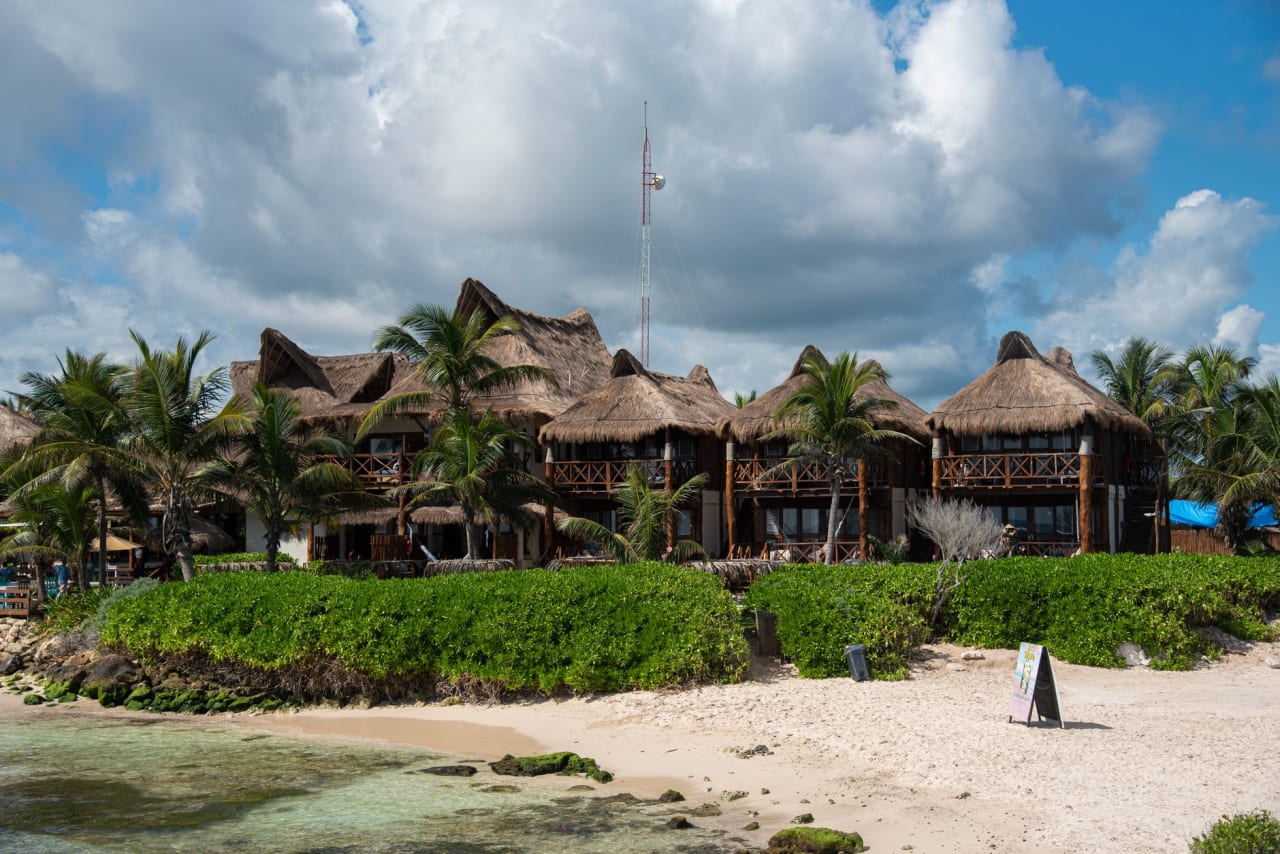
How Tulum's Underwater Explorers Are Influencing Cenote Diving Techniques
From the moment we first slipped beneath the surface of Gran Cenote's crystal-clear waters, we understood why Tulum's community of freedivers and snorkelers is quietly reshaping how people explore the underwater world. The Caribbean coast of Quintana Roo is not a surf destination — the warm, turquoise sea here is calm and reef-sheltered — but it is one of the world's great stages for cenote exploration, and the techniques emerging from this scene are turning heads globally.
A Different Kind of Wave Rider
Tulum sits roughly 130 km south of Cancún on the Riviera Maya corridor, and its coastline faces the Caribbean Sea — not the Pacific. Instead of barrel waves, what draws adventurers here are the otherworldly freshwater sinkholes known as cenotes: subterranean caverns flooded with rain water filtered through the Yucatán limestone for thousands of years. The result is visibility that can stretch beyond 100 metres and temperatures that hover around 24 °C year-round.
As we watched freedivers glide through the stalactite chambers of Dos Ojos and snorkelers hover motionless above the halocline at Cenote Azul, we noticed something unmistakable: the practitioners here had developed a precision and economy of movement unlike anything we had seen at typical reef sites. Their breath-hold disciplines and buoyancy techniques were adapted specifically to the confined, cathedral-like spaces of the cenote network.

Techniques Born in the Cenotes
The cenote system beneath the Yucatán Peninsula is the largest known underwater cave network on Earth. Exploring it demands a completely different skill set from open-water diving. Local guides and instructors based in Tulum — many of them trained by CAVE and NACD-certified cave divers — have refined a set of cenote-specific techniques that are now being taught in dive centres from Playa del Carmen to the Maldives.
We spoke with several instructors working out of the Zona Hotelera and the cenotes along the road toward Cobá. They described the core principles: ultra-slow fin kicks that disturb neither the silt floor nor the halocline boundary layer, deliberate negative-entry freediving to avoid splashing disturbed air into the cavern, and a mindful stillness that turns a cenote visit into something closer to meditation than recreation.
These practices are finding their way into freediving workshops worldwide. The cenote environment rewards patience and subtlety in a way that open ocean does not, and practitioners who train here often return home with a measurably improved breath-hold performance and a fundamentally different relationship with underwater space.

Reflections from the Water
The humbling experience of floating inside Jardín del Edén at golden hour — sunlight filtering through the cenote's open ceiling and illuminating columns of limestone — gave us a perspective we had not expected. Tulum's underwater culture is not loud or competitive. It is deliberate, eco-conscious, and deeply connected to the Mayan heritage of the land above.
As the sun dropped toward the Zona Hotelera's palm-lined horizon and we made our way back through Tulum Pueblo, we realised that the influence flowing outward from these limestone chambers is every bit as powerful as any ocean swell. Divers trained in the cenotes carry a quietness and technical precision that reshapes every body of water they enter afterward. The cenotes of Tulum, it turns out, are producing some of the most thoughtful underwater explorers in the world.

A Personal Invitation
So, for all the underwater explorers and blue-water souls out there seeking a genuinely transformative experience — pack your mask and fins and head to Tulum. Spend a morning at Gran Cenote, an afternoon at Casa Cenote where the mangroves meet the sea, and let the silence beneath the limestone teach you something new. Our Tulum team recommends booking a guided cenote tour to access the best cavern chambers safely and responsibly — the underground world here is irreplaceable, and it deserves to be explored with care.
Water Activities in Tulum
Tulum is not primarily a surf destination — the calm Caribbean waters make it ideal for snorkeling and swimming rather than surfing. For snorkeling, Akumal (about 30 minutes north) is famous for swimming with sea turtles. Tulum Beach and El Paraíso offer beautiful spots for paddleboarding and kayaking. If surfing is your priority, the nearest consistent breaks are about an hour away near Puerto Morelos on the Yucatan coast.
arrow_forward Book Surf Lessonsauto_awesome Continue exploring Tulum
You Might Also Like
 article Exploring calendar_today Jan 20, 2026
 Tulum Beach: Your Complete Guide to the Zona Hotelera and Beyond
Stretching over ten kilometers of powdery white sand and turquoise Caribbean water, Tulum’s coastline is one of the most
 article Uncategorized calendar_today Jan 3, 2024
 Exploring Tulum: Snorkel Gear Rental and Beyond
Few things compare to the thrill of floating above a coral reef or drifting through a luminous cenote in the extraordina
 article Exploring calendar_today Nov 23, 2021
 Tulum's Calmest Beaches: Where to Swim Without the Waves
If you plan to visit Tulum, it will be useful to know about the different beaches you can enjoy during your stay on this