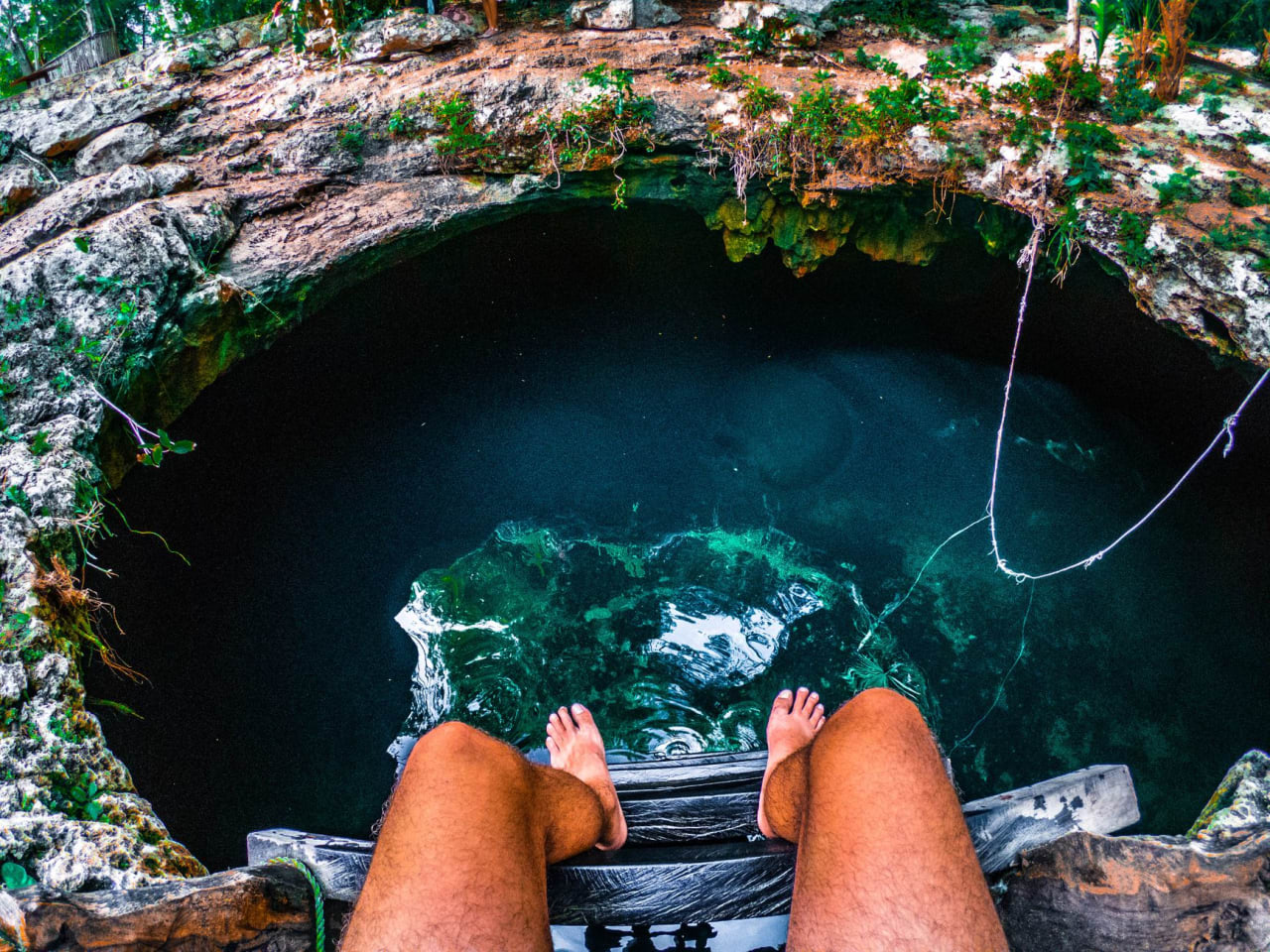
Exploring the Pristine Mangroves – A Kayaking How-To Guide in Tulum
This kayaking how-to guide will take you on a journey through the pristine mangroves of Tulum, offering a unique opportunity to connect with nature in a peaceful Caribbean setting. Mangrove Kayaking Tulum is an experience like no other, allowing you to explore the beauty of these ecosystems up close and personal. From the brackish channels of Casa Cenote near Tulum Beach to the vast waterways threading through the Sian Ka'an UNESCO Biosphere Reserve south of town, the mangroves here are extraordinary. Before you set out on this adventure, it’s important to be prepared and informed to make the most of your time on the water.
This guide will provide you with crucial tips and safety precautions to ensure a smooth and enjoyable kayaking experience in the mangroves of Tulum. Whether you are a beginner or an experienced kayaker, exploring these mangroves will undoubtedly leave you with lasting memories of adventure and serenity. We recommend joining a local guided tour — our Tulum team has found that knowledgeable guides make the difference between a pleasant paddle and a truly transformative experience.
Key Takeaways:
- Prepare adequately: Before setting out for a kayaking adventure in Tulum’s mangroves, pack essentials like water, sun protection, and insect repellent — the Caribbean humidity makes these non-negotiable.
- Choose your launch point: Casa Cenote (near Tankah Bay, 4 km north of the Zona Hotelera) and Sian Ka'an's Boca Paila channel are the two classic starting points our team recommends.
- Respect the environment: While kayaking, maintain a respectful distance from wildlife and avoid disturbing the delicate ecosystem of the mangroves.
- Stay hydrated: Paddling through the mangroves can be physically demanding under the Yucatán sun, so remember to stay hydrated throughout your journey.
- Choose the right kayak: Opt for a stable and easy-to-maneuver kayak suitable for navigating the narrow waterways of the mangroves.
- Guided tours: Consider joining a guided kayaking tour to learn about the flora, fauna, and Mayan history of the mangroves from knowledgeable local guides.
- Embrace the tranquility: Take moments to pause, observe the beauty of the mangroves, and appreciate the peace and serenity of these natural surroundings.
- Practice safety: Always wear a life jacket, inform someone of your kayaking plans, and be mindful of changing weather conditions.
1. Rent a kayak from a local rental shop or book a guided tour from Tulum Pueblo.
2. Pack water, sunscreen, insect repellent, and a waterproof bag for valuables.
3. Follow your guide or map to navigate the mangrove channels — GPS can be unreliable in the dense canopy.
4. Stay quiet to observe wildlife like herons, frigatebirds, crocodiles, and crabs.
5. Paddle slowly to enjoy the serene surroundings and let wildlife approach naturally.
6. Return your kayak on time and leave no trace behind.
Understanding Mangroves
While kayaking through the serene Caribbean waters of Tulum, it’s important to have a good understanding of the delicate ecosystem you are exploring. Mangroves play a crucial role in the coastal environment, providing habitat for a wide range of marine life and protecting the shoreline from erosion. Tulum’s mangroves are particularly special because they sit at the intersection of the Caribbean Sea, freshwater cenote systems, and the Mesoamerican Barrier Reef — the world’s second largest coral reef.
What are Mangroves?
On a basic level, mangroves are salt-tolerant trees and shrubs that grow in coastal intertidal areas. These trees have unique adaptations to survive in saline water and unstable soil conditions. Their complex root systems not only provide them stability but also serve as nurseries for young fish and other marine species. In Tulum, the mangrove forests also connect directly to the underground cenote network, creating a remarkable freshwater-saltwater mixing zone. Mangroves help maintain water quality by filtering pollutants and act as a buffer against tropical storms and hurricanes — a critical function on the Caribbean coast of Quintana Roo.
Types of Mangroves in Tulum
A variety of mangrove species can be found in the mangrove forests of Tulum and the surrounding Sian Ka'an Biosphere Reserve. Each type has its own characteristics and adaptations to the local Caribbean environment. Knowing which mangrove species you encounter can deepen your appreciation for this unique ecosystem.
- Red Mangrove (Rhizophora mangle) – the iconic arching prop roots you’ll paddle through; dominant along the water’s edge at Casa Cenote and Boca Paila.
- Black Mangrove (Avicennia germinans) – identified by its pencil-like pneumatophores poking up from the mud; common in the inner lagoon areas of Sian Ka'an.
- White Mangrove (Laguncularia racemosa) – known for its excretory salt glands; typically found on slightly higher ground behind the red mangrove fringe.
- Buttonwood Mangrove (Conocarpus erectus) – often found on the highest ground at the landward edge of the mangrove belt.
- Green Mangrove (Pelliciera rhizophorae) – recognized by its glossy green leaves; a rarer find that signals a particularly healthy ecosystem.

Knowing the differences between these mangrove species can enhance your kayaking experience as you navigate through the intricate network of roots and branches. Each type contributes to the overall biodiversity and resilience of the mangrove ecosystem in Tulum. Our team especially loves the Red Mangrove tunnels at Casa Cenote — a short paddle from Tulum Beach that feels like entering another world.
Preparation for Mangrove Kayaking
Not every kayaking adventure is the same, especially when exploring the pristine mangroves of Tulum on the Caribbean coast. Proper preparation is crucial to ensure a safe and enjoyable experience. Here is a guide to help you get ready for your mangrove kayaking expedition.
Essential Gear and Equipment
An essential part of preparing for a mangrove kayaking trip is making sure you have the right gear and equipment. You’ll need a sturdy kayak that is suitable for navigating through narrow waterways — sit-on-top kayaks are the most popular choice here, as they handle the warm Caribbean conditions well and are easy to re-mount if you tip. Make sure your paddle is the right length for your height. Additionally, it’s crucial to have the appropriate safety equipment, such as a life jacket and a whistle. Don’t forget to pack plenty of water, snacks, reef-safe sunscreen (required in Quintana Roo’s protected waters), insect repellent, and a dry bag to keep your belongings safe from the water.
Safety Tips Before You Paddle
One of the most important aspects of preparing for a mangrove kayaking adventure is ensuring your safety on the water. Before you head out, make sure you are familiar with the local weather conditions — Tulum’s Caribbean coast is subject to afternoon tropical showers from June through October, and strong easterly winds can make paddling in open channels demanding. Always let someone know your planned route and expected return time. It’s also wise to paddle with a buddy or in a group.
- Check the weather conditions before heading out — afternoon storms build quickly off the Caribbean.
- Inform someone of your planned route and expected return time.
- Paddle with a buddy or join a guided group for added safety in Sian Ka'an's larger channels.
After taking these safety precautions, you can set out on your mangrove kayaking journey with peace of mind, ready to explore the beauty and tranquility of this unique Caribbean ecosystem.
Kayaking Skills and Techniques
After gearing up and getting comfortable in your kayak, it’s time to focus on honing your kayaking skills. Mastering basic paddling techniques and learning how to maneuver through Tulum’s intricate mangrove forests is essential for a successful kayaking adventure.
Basic Kayaking Strokes
Skills: Before setting out on your kayaking journey in Tulum, it’s crucial to familiarize yourself with basic kayaking strokes. The forward stroke, reverse stroke, sweep stroke, and draw stroke are fundamental techniques that will help you navigate through the water smoothly. Practice these strokes on calm water before venturing into the dense mangrove forests — the still, protected waters of Tankah Bay near Casa Cenote are perfect for beginners to warm up.
Maneuvering Through the Mangrove Forests
Mangrove navigation: Threading through Tulum’s enchanting but challenging mangrove forests requires skill and patience. The narrow waterways, overhanging branches, and arching prop roots can present obstacles for kayakers. It’s important to stay focused and agile, using a combination of forward and sweep strokes to maneuver through tight passages. Keeping a low profile in your kayak can help you glide gracefully through the dense Red Mangrove tunnels without getting tangled up.
Understanding the unique environment of Tulum’s mangrove forests is crucial for a successful kayaking experience. These biodiverse ecosystems are teeming with wildlife: roseate spoonbills, great blue herons, frigatebirds, and wood storks are common sightings. In the calmer lagoon sections of Sian Ka'an you may spot American crocodiles basking on the banks or manatees drifting slowly beneath your kayak. Embrace the challenge of paddling through this dynamic Caribbean environment and you’ll be rewarded with unforgettable sights.
Step-by-Step Kayaking Adventure
For a successful kayaking adventure in the pristine mangroves of Tulum, it’s crucial to be well-prepared and informed. Below is a breakdown of the essential steps to make the most out of your exploration.
1. Launching your Kayak 2. Navigating the Mangrove Ecosystem To start your kayaking journey, carefully push your kayak into the water and ensure it’s stable before getting in. Sit comfortably and adjust your footrests and backrest for support. At Casa Cenote, the launch is easy from the sandy shore — you’ll enter the brackish channel that connects the cenote to Tankah Bay. The mangrove ecosystem is a complex network of roots and channels. Follow the natural flow of the water and be mindful of low-hanging branches or submerged roots.Launching your Kayak
When launching your kayak at any of Tulum’s mangrove access points — whether at Casa Cenote, at the Sian Ka'an entrance near Boca Paila, or from the Zona Hotelera's southern beach road — be aware of your surroundings and potential hazards in the water. Remember to wear your life jacket at all times and carry essential safety equipment such as a whistle and a basic first aid kit.
Navigating the Mangrove Ecosystem
The mangrove ecosystem of Tulum is teeming with diverse wildlife: herons, cormorants, pelicans, crabs, and — in the deeper Sian Ka'an channels — American crocodiles and manatees. Keep a respectful distance from all wildlife and avoid disturbing their habitat.
Mangrove Adventure: While kayaking through the mangroves, keep an eye out for the intricate root systems and the way the clear Caribbean light filters through the canopy. At Casa Cenote, you can actually peer down through gin-clear water to see tropical fish darting below your hull — the freshwater cenote outflow keeps this channel remarkably clear. Take in the serenity of the surroundings and appreciate the natural beauty that defines Tulum’s Caribbean coast.

What to Do if You Encounter Wildlife
With the possibility of encountering wildlife during your Tulum kayaking adventure, it’s crucial to remain calm and observant. Maintain a safe distance and avoid sudden movements that may startle the animals. The mangroves and lagoons of Sian Ka'an are a UNESCO-protected reserve, and disturbing wildlife carries real fines.
Adventure: If you come across any wildlife — a crocodile sunbathing on a bank, a manatee surfacing nearby, or nesting herons overhead — admire them from a distance and refrain from approaching or feeding them. Respect their space and remember that you are a guest in their home.
Environmental Factors and Considerations
Keep in mind that when kayaking in the pristine mangroves of Tulum, there are several environmental factors specific to the Caribbean coast to consider in order to ensure a safe and enjoyable experience.
Tidal and Cenote Influences on Kayaking Routes
One crucial factor to be aware of in Tulum is the interplay between tidal flows and freshwater cenote outflows. The mangrove channels here are fed not only by tidal movement from the Caribbean but also by underground freshwater from the cenote network — this creates unique current patterns. At Casa Cenote, the outflow can be surprisingly strong after heavy rains. It’s important to check conditions before setting out. High tide can provide more water in shallow areas, making navigation easier, while low tide can expose roots that require more careful maneuvering. Plan your kayaking trips around high tide whenever possible.
Weather Patterns and Planning Your Trip
Your kayaking expedition can also be greatly influenced by the weather patterns of Quintana Roo’s Caribbean coast. It’s vital to check the weather forecast before heading out. Strong easterly trade winds are common from November through February and can make open-channel paddling demanding. The rainy season (June–October) brings afternoon thunderstorms that develop quickly — always be off the water by early afternoon during this season. Additionally, the Sian Ka'an channels can experience strong wind chop in exposed areas.
The weather patterns in Tulum can be unpredictable, so it’s crucial to stay informed and flexible with your plans. Always have a backup activity — a cenote swim, a visit to the Tulum ruins, or an afternoon in Tulum Pueblo’s cafes — in case the weather conditions become unfavorable. Safety should always be your top priority when exploring the beautiful mangroves of Tulum.
The Pros and Cons of Mangrove Kayaking
Many factors should be considered when launching on a kayaking adventure through the pristine mangroves of Tulum. It is important to weigh the pros and cons to ensure a safe and enjoyable experience. Below is a breakdown of the advantages and challenges of mangrove kayaking on the Caribbean coast:
Advantages Challenges Opportunity to observe diverse Caribbean wildlife (herons, crocodiles, manatees) Potential navigation difficulties due to narrow root-tangled waterways Exploring a UNESCO-protected biosphere ecosystem Risk of encountering sharp mangrove roots near the waterline Chance to experience tranquility inside Sian Ka'an's ancient lagoons Possibility of getting stuck in dense mangrove areas on a falling tide Physical exercise while connecting with a living coral reef system Exposure to insects, especially at dawn and dusk during rainy seasonAdvantages of Kayaking in Tulum's Mangrove Ecosystems
An incredible advantage of kayaking through Tulum’s mangrove ecosystems is the unparalleled opportunity to observe diverse Caribbean wildlife in their natural habitats. The Sian Ka'an Biosphere Reserve — a UNESCO World Heritage Site covering over 500,000 hectares south of Tulum — shelters jaguars, tapirs, manatees, American crocodiles, and hundreds of bird species. Kayaking is one of the few ways to access the interior lagoons without disturbing this environment. Additionally, exploring Casa Cenote’s mangrove channel lets you snorkel in crystal-clear cenote water as part of the same outing.
Challenges and How to Overcome Them
Mangrove kayaking in Tulum comes with its set of challenges that adventurers must be prepared to face. One common challenge is the risk of encountering sharp mangrove roots that can scratch your hull or cause injury when exiting the kayak in shallow areas. Navigate carefully and be aware of your surroundings. Getting turned around in the Sian Ka'an labyrinth is also a real risk — this is why our team strongly recommends going with a certified guide who knows the channels well. With proper preparation and local expertise, adventurers can navigate through Tulum’s mangroves safely and enjoy all the wonders this Caribbean ecosystem has to offer.
Making the Most of Your Experience
Once again, if you want to make the most of your kayaking experience in the pristine mangroves of Tulum, it’s important to choose the right tour operator. Look for guides certified by the Sian Ka'an Biosphere management who follow low-impact protocols. Check out the best Tulum canoe & kayak tours to ensure a well-guided and memorable adventure.
Photography Tips for Capturing the Mangrove Beauty
When exploring the breathtaking mangroves of Tulum’s Caribbean coast, don’t forget to capture the moments with your camera. To make the most out of your photography, remember these important tips:
- Utilize natural light: Early morning light on the Sian Ka'an lagoons creates a golden-pink glow that is simply magical — worth the 5 AM start.
- Focus on details: Highlight the unique prop roots, the nesting frigatebirds, and the reflections of the mangrove canopy in the still, clear water.
- Waterproof your gear: Use a waterproof case or dry bag for your camera — the Caribbean humidity and occasional paddle splashes can be unforgiving.
Perceiving the intricate ecosystem through your lens can help others appreciate and protect these extraordinary Caribbean environments for generations to come.
Conservation and Responsible Kayaking Practices

Even as you enjoy the wonders of Tulum’s mangroves, it’s crucial to practice conservation and responsible kayaking to preserve this delicate Caribbean ecosystem for future generations. The Sian Ka'an Biosphere Reserve is a UNESCO World Heritage Site — treat it accordingly.
Conservation efforts include using only reef-safe, biodegradable sunscreen in the water (mandatory in Quintana Roo), respecting wildlife and habitats, avoiding littering, and following designated water trails. Support local conservation efforts by choosing locally-owned tour operators rather than large hotel chains. By adhering to responsible kayaking practices, you contribute to the long-term sustainability of these precious Caribbean environments.
To wrap up
On the whole, exploring the pristine mangroves of Tulum through kayaking can be a truly rewarding experience for nature lovers and adventure seekers alike. Whether you paddle Casa Cenote’s crystal-clear root tunnels, drift through the ancient lagoon systems of Sian Ka'an, or explore the quieter channels along the Zona Hotelera’s southern coast, the mangroves of Tulum offer something genuinely unforgettable. By following the tips and guidelines in this how-to guide, kayakers can navigate through these unique Caribbean ecosystems while minimizing their impact on the environment. Remember to always prioritize safety, respect wildlife, use eco-friendly products, and leave no trace behind — so that these beautiful natural habitats endure for future generations to enjoy.
FAQ
Q: What are mangroves?
A: Mangroves are coastal trees or shrubs that grow in saline or brackish water in tropical and subtropical regions. In Tulum, they line the channels connecting the Caribbean Sea to the inland cenote and lagoon systems.
Q: Why are mangroves important in Tulum?
A: Tulum’s mangroves are vital ecosystems that protect the Caribbean coastline from erosion and storm surge, provide nurseries for the fish and marine life of the Mesoamerican Barrier Reef, and support the extraordinary biodiversity of the Sian Ka'an Biosphere Reserve.
Q: What are the best mangrove kayaking spots in Tulum?
A: Our team recommends Casa Cenote (Tankah Bay) for a half-day accessible paddle combining mangroves and cenote snorkelling, and the Sian Ka'an Biosphere lagoons (accessed via the Boca Paila road south of the Zona Hotelera) for a full-day immersive experience in the UNESCO reserve.
Q: How can I prepare for a kayaking trip in Tulum's mangroves?
A: Pack reef-safe sunscreen (required in Quintana Roo), insect repellent, plenty of water, a hat, sunglasses, and a dry bag. Book a certified local guide, especially for Sian Ka'an, where channels can be confusing.
Q: Is kayaking in Tulum's mangroves suitable for beginners?
A: Yes — Casa Cenote is ideal for beginners, with calm, shallow water and a short, manageable route. The Sian Ka'an lagoons are better suited to paddlers with some experience, especially on windy days.
Q: What wildlife can I expect to see while kayaking in Tulum's mangroves?
A: You may encounter roseate spoonbills, great blue herons, frigatebirds, wood storks, American crocodiles, manatees, tropical fish visible through the clear water, and a wide variety of crabs and invertebrates along the root systems.
Q: How can I help conserve Tulum's mangrove ecosystems during my kayaking trip?
A: Use only reef-safe and biodegradable sunscreen, follow designated water trails, avoid disturbing wildlife, do not litter, and choose locally-owned tour operators who are certified by the Sian Ka'an Biosphere management. Your choices directly support conservation of this irreplaceable Caribbean ecosystem.
auto_awesome Continue exploring Tulum
You Might Also Like
 article Adventures calendar_today Nov 27, 2023
 Understanding the Life Cycle of Sea Turtles in Tulum
Having spent many summers peering into crystal-clear turquoise waters, I’ve had the privilege of witnessing a marine wor
 article Adventures calendar_today Mar 22, 2024
 Bird Watching Bliss – A How-To Guide To Birdwatching In Tulum
This comprehensive guide will take you on a journey through the stunning world of birdwatching in Tulum. Known for its d
 article Uncategorized calendar_today Mar 6, 2024
 Beach Cleaning and Marine Life in Tulum: Why Every Piece of Trash Matters
Walking along the turquoise shores of Tulum's Caribbean coast, our team was struck by the contrast between the pristine