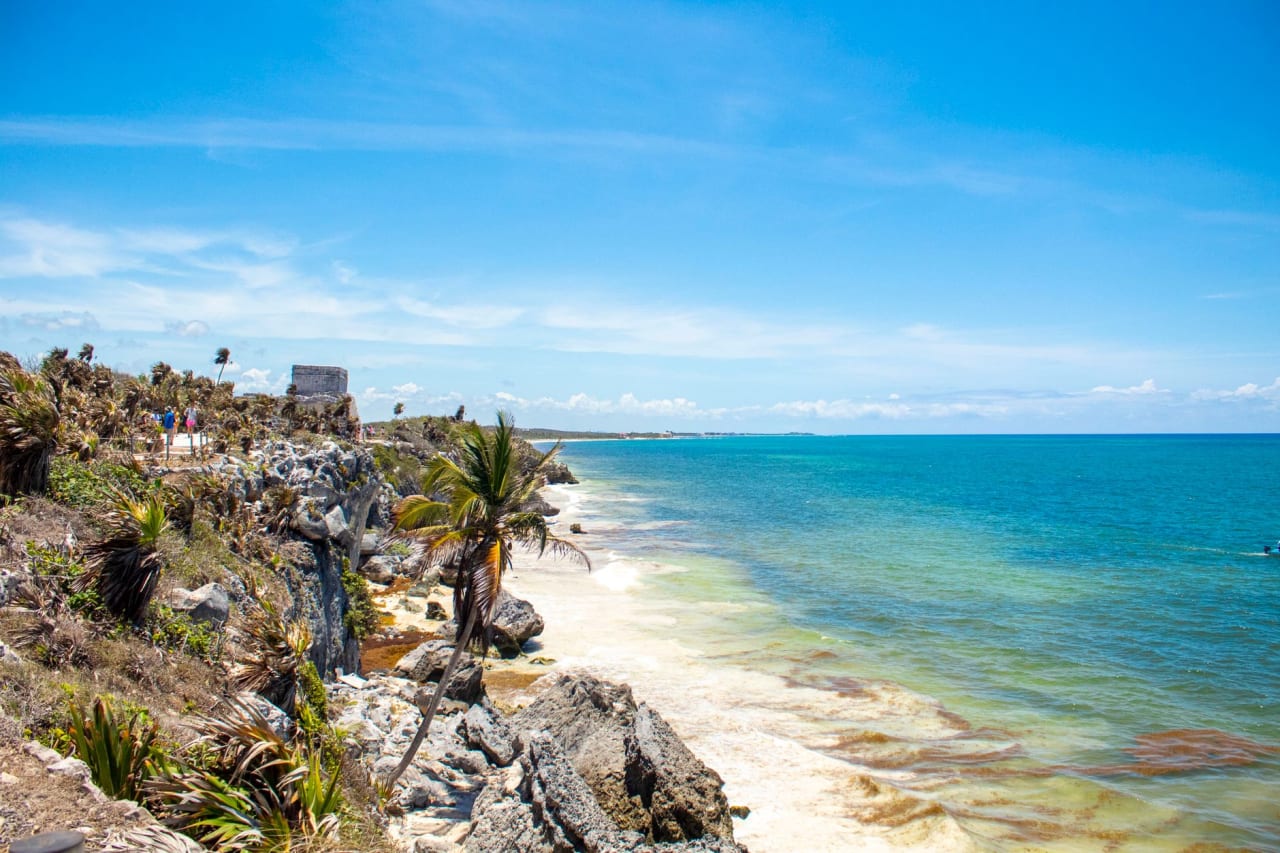
Top Snorkeling Activities in Tulum – The Complete Guide
Just off the Caribbean coast of Tulum lies a world waiting to be explored beneath the turquoise waters. Whether you’re a seasoned snorkeler or a first-timer, there are top experiences that simply cannot be missed. From swimming alongside colorful fish at the coral reef to drifting through crystal-clear cenotes, Tulum offers unforgettable snorkeling adventures for all.
Key Takeaways:
- Snorkeling at Tulum: Tulum offers fantastic snorkeling in two distinct environments – warm Caribbean reef waters and freshwater cenotes – making it one of Mexico’s most varied underwater destinations.
- Majestic Marine Wildlife: Exploring the underwater world in Tulum allows you to encounter majestic marine creatures such as sea turtles at Akumal, colorful reef fish, nurse sharks, and rays along the Mesoamerican Barrier Reef.
- Cenote Snorkeling: Tulum’s famous freshwater sinkholes – Gran Cenote, Dos Ojos, and Cenote Azul – offer crystal-clear visibility and dramatic underwater cave formations unlike anywhere else on earth.
- Professional Guided Tours: Opting for a guided snorkeling tour ensures safety and provides insightful information about the marine ecosystem and cenote geology in Tulum.
- Photography Opportunities: Don’t forget to bring your underwater camera to capture the breathtaking beauty of the Caribbean reef and the ethereal light rays inside the cenotes.
- Relaxing Experience: Snorkeling in Tulum offers a relaxing and tranquil experience, allowing you to unwind and connect with nature in both ocean and freshwater settings.
- Family-Friendly Activity: Snorkeling in Tulum is suitable for all ages, with calm Caribbean waters and shallow cenote pools making it a perfect day out for the whole family.
1. Research best snorkeling spots in Tulum: cenotes and the reef.
2. Book a snorkeling tour with a reputable company.
3. Pack reef-safe sunscreen, water, and snorkeling gear.
4. Explore coral reefs and cenote passages underwater.
5. Take underwater photos for memories.
6. Enjoy fresh seafood or organic cuisine in the Zona Hotelera after snorkeling.
Exploring the Waters of Tulum
If you’re visiting Tulum, one of the top activities you must experience is snorkeling. Situated on the Caribbean coast of Mexico’s Riviera Maya, about 130 km south of Cancun, Tulum offers two extraordinary snorkeling environments: the warm, turquoise Caribbean Sea with its coral formations along the Mesoamerican Barrier Reef, and the world-famous cenotes – ancient freshwater sinkholes carved into the limestone bedrock over millennia. Whether you’re a seasoned snorkeler or a beginner, there is something for everyone to discover beneath the surface of Tulum’s waters.
The Many Faces of Marine Life
For snorkelers in Tulum, the Caribbean underwater world is a kaleidoscope of colors and species. From vibrant brain corals and sea fans swaying gently in the currents to schools of parrotfish, angelfish, and sergeant majors darting between formations, every glimpse beneath the surface offers a new and breathtaking sight. Keep your eyes peeled for spotted eagle rays gliding gracefully through the blue and the occasional nurse shark resting on the sandy bottom. Head north just 30 minutes to Akumal and you will snorkel alongside wild sea turtles year-round – one of the most reliable turtle encounters in all of Mexico. Inside the cenotes, expect gin-clear visibility, stalactites descending from the ceiling, and the eerie, beautiful halocline layer where freshwater meets salt water.
Top Snorkeling Spots to Explore
An essential stop for snorkeling enthusiasts in Tulum is Gran Cenote, located just a few kilometers west of Tulum Pueblo on the road to Cobá. Its open-air pool and connected cave chambers offer some of the most photogenic snorkeling in the Yucatán. Dos Ojos (“Two Eyes”) is another must-visit cenote system with two large sinkholes linked by an underwater passage teeming with stalactites – it ranks among the longest explored underwater cave systems in the world. For ocean snorkeling, Playa Ruinas sits directly beneath the iconic Mayan cliff-top ruins and offers a dramatic backdrop as you explore the reef just offshore. Casa Cenote near Tankah is a mangrove-fringed cenote that opens into the sea, making it one of Tulum’s most unique snorkeling experiences where freshwater and saltwater fish intermingle.
Types of Snorkeling Adventures
To truly experience the wonders of the underwater world in Tulum, there are various types of snorkeling adventures you can embark on. Whether you prefer exploring beach and reef snorkeling, cenote snorkeling, or night snorkeling, each offers a unique opportunity to discover the marine and freshwater life that thrives in this extraordinary Caribbean destination.
Reef Snorkeling Cenote Snorkeling Warm Caribbean water year-round Freshwater with exceptional visibility Access via beach or short boat trip Located inland, near Tulum Pueblo Colorful coral, fish, turtles, and rays Stalactites, cave formations, halocline layers Guided tours depart from Zona Hotelera Some cenotes open for self-guided entry Best in the morning for calm conditions Light rays most spectacular 10am–noonReef and Beach Snorkeling

Tulum’s Caribbean coastline gives you direct access to coral snorkeling right from the beach. The Zona Hotelera (the hotel strip running along the coast) has several entry points where you can wade in and find coral formations within swimming distance. The water here is calm, warm, and turquoise – nothing like the Pacific surf conditions you’d find elsewhere in Mexico. It’s perfect for beginners and families looking for a relaxed, accessible snorkeling experience. We recommend heading out in the morning before the afternoon breeze picks up for the best visibility.
Cenote Snorkeling
For a snorkeling experience found nowhere else on the planet, cenote snorkeling in Tulum is in a category of its own. Cenotes are natural freshwater sinkholes formed when the limestone ceiling of underground rivers collapsed, creating open pools with access to vast submerged cave systems. The water is so clear you can see 30–60 meters ahead. Gran Cenote, Dos Ojos, Cenote Azul, and Jardín del Edén are all within a 20-minute drive from Tulum Pueblo and offer varying difficulty levels and scenery. Even a non-swimmer can enjoy the shallower open pools with a life jacket provided by most operators.
Joining a guided cenote tour is the best way to experience multiple sites in a single day. Local guides know which cenotes are less crowded in the morning, where the best light falls, and how to navigate the underwater passages safely. They also provide all necessary equipment and transport.
Night Snorkeling
Adventures in darkness await those seeking a thrilling snorkeling experience in Tulum. Night snorkeling in the Caribbean reef opens up a whole new world of underwater wonders: octopuses emerge from their hiding spots, lobsters patrol the sandy bottom, and sleeping parrotfish rest in mucus cocoons on the coral. The experience of floating through the warm Caribbean water under a canopy of stars is both surreal and captivating.
For those curious about bioluminescence in the sea, Tulum’s Caribbean waters do occasionally show plankton bioluminescence on very dark nights away from resort lighting. Night snorkeling tours depart from the Zona Hotelera with qualified guides who provide underwater torches and full safety briefings. It’s an unforgettable adventure that provides a completely different perspective on the reef ecosystem.
Gear Up: Snorkeling Equipment Essentials
Once again, you are gearing up for an exciting snorkeling adventure in Tulum, and having the right equipment is vital for a safe and enjoyable experience. When it comes to snorkeling gear, there are a few key essentials that will make the most of your underwater exploration – both on the reef and in the cenotes.
Choosing the Right Snorkel and Mask
Some of the most important pieces of snorkeling equipment are your mask and snorkel. Your mask should provide a comfortable and watertight seal to prevent leaking while allowing for a clear view underwater. Look for a mask with tempered glass lenses to ensure durability and clarity. When it comes to the snorkel, opt for one with a purge valve for easy clearing of water and a comfortable mouthpiece for extended use. Many cenote operators include full snorkel sets in their tour price, so check before buying extra gear.
Fins and Wetsuits: Matching Your Gear to Conditions
Fins and wetsuits play a crucial role in your snorkeling experience, especially in Tulum where you are moving between two very different environments. In the Caribbean sea, a lightweight short wetsuit or rash guard is enough – the water stays around 27–29°C year-round. Inside the cenotes, however, the freshwater temperature drops to around 24°C, which feels noticeably cooler after extended snorkeling, so a full-length rash guard or thin wetsuit is recommended. Open-heel adjustable fins work well in both settings. Make sure to match your gear to the specific conditions of the day to ensure a safe and enjoyable snorkeling adventure.
Fins and wetsuits are not only vital for comfort and safety but also for maximizing your snorkeling experience in Tulum. Paying attention to details such as water temperature and the type of environment – open ocean versus enclosed cenote – can help you choose the right gear to enhance your underwater exploration.
Step-by-Step Guide to Snorkeling in Tulum
Preparing for Your Snorkeling Trip
To ensure you have a successful snorkeling experience in Tulum, it is important to properly prepare for your trip. Here are the key steps to follow:
1. Choose Your Environment Decide whether you want reef snorkeling in the Caribbean Sea, cenote snorkeling in freshwater caves, or both – many tours combine the two in a single day. 2. Check Snorkeling Equipment Make sure your snorkeling gear is in good condition, including the mask, snorkel, fins, and any additional equipment you may need. Most cenote and reef tour operators provide quality rental gear.Entering the Water and Basic Snorkeling Techniques
To make the most of your snorkeling adventure, it’s important to know how to enter the water and use basic snorkeling techniques. Follow these steps:
1. Enter the Water Safely For reef snorkeling, choose a sandy entry point to avoid stepping on coral. For cenotes, use the ladders or steps provided. Walk slowly into the water and adjust your snorkel gear before starting. 2. Practice Proper Breathing Breathe slowly and deeply through your mouth using the snorkel to avoid fogging up the mask. Stay relaxed and enjoy the underwater scenery.Snorkeling in Tulum offers a unique opportunity to explore the vibrant underwater world of the Caribbean Sea and the otherworldly freshwater cenotes. Remember to always snorkel with a buddy for safety, be mindful of your surroundings, and avoid touching or disturbing marine life and cenote formations. By following these steps and techniques, you can have an unforgettable snorkeling experience in Tulum.
Tips for a Safe and Enjoyable Snorkeling Experience
Your snorkeling adventure in Tulum is sure to be a memorable one, but it’s important to prioritize safety and enjoyment while exploring the underwater wonders. Here are some tips to ensure a smooth and enjoyable snorkeling experience:
- Always snorkel with a buddy for added safety and fun.
- Choose high-quality snorkeling gear that fits well and is in good condition.
- Check the weather and sea conditions before heading to reef spots.
- Respect marine life and coral reefs by avoiding touching or chasing animals.
- Use only reef-safe, biodegradable sunscreen – many cenotes prohibit regular sunscreen to protect the fragile ecosystem.
- Do not wear sunscreen at all inside cenotes – opt for a rash guard for UV protection instead.

The The 19 Best Things to do in Tulum, Quintana Roo guide can provide more insights into making the most of your trip while ensuring your safety.
Understanding Ocean and Cenote Conditions and Safety Protocols
Snorkeling in Tulum should always include being aware of conditions and following established safety protocols. In the Caribbean, check for current and wind conditions before entering – the sea is generally calm but afternoon breezes can pick up. In cenotes, never enter unmarked passages without a certified cave diving or snorkeling guide, as the cave systems can extend for many kilometers. Pay attention to local guidelines and warnings to avoid risky situations. Remember, the ocean and cenote cave systems can each be unpredictable, so always prioritize your safety above all else.
Eco-friendly Snorkeling: Respecting the Marine Environment
Let’s talk about eco-friendly snorkeling practices in Tulum. The cenotes and the Mesoamerican Barrier Reef are both exceptionally fragile ecosystems. When exploring the underwater world, it’s vital to show respect for both environments. Never touch the stalactites in cenotes – the oils from your hands can stop thousands of years of mineral growth instantly. Avoid standing on or touching coral on the reef. Use reef-safe sunscreen in the sea and no sunscreen at all in the cenotes. By following these protocols, you contribute to the preservation of marine and freshwater life and ensure future generations can enjoy the beauty of Tulum’s extraordinary underwater world.
Factors to Consider for the Best Snorkeling Experience
Many factors play a crucial role in ensuring you have the best snorkeling experience in Tulum. Consider the following factors to make the most of your underwater adventure:
Seasonal Changes and Visibility
To maximize your snorkeling experience in Tulum, take into account the seasonal changes that can affect visibility underwater. Generally, the best time for reef snorkeling in Tulum is during the dry season, from November to April, when the Caribbean Sea is calmest and clearest. During the rainy season, from May to October, occasional tropical storms can temporarily reduce ocean visibility – though the cenotes maintain their exceptional clarity year-round regardless of rain, making them a reliable alternative on cloudy or windy days. Whale shark season (June–September) brings opportunities for tours departing from nearby Cancun and Isla Mujeres for those wanting a truly epic encounter.
Time of Day and Weather Factors
Many factors, such as the time of day and weather conditions, can significantly impact your snorkeling experience. Consider the following factors to make the most of your time in the water:
- Optimal Time for Cenotes: Arrive between 10am and noon to catch the famous cathedral light rays that stream through the cenote openings and illuminate the water below.
- Optimal Time for Reef: Early morning (7–9am) offers the calmest sea conditions and best visibility before the afternoon breeze develops.
- Weather Conditions: Clear skies and calm winds are ideal for ocean snorkeling; cenotes are excellent on any day.
Some additional tips to consider include checking the tide schedule, as low tides can make it easier to access certain reef entry points. Recognizing these factors will help you plan your snorkeling excursions for the best experience possible.
It is crucial to prioritize safety while snorkeling, so always be aware of your surroundings and adhere to local guidelines and regulations. Remember to stay hydrated, use reef-safe sunscreen, and avoid touching any marine life or cenote formations. By considering these factors and planning ahead, you can ensure a memorable and enjoyable snorkeling experience in Tulum.
The Pros and Cons of Snorkeling in Tulum
When considering snorkeling in Tulum, it’s useful to weigh the pros and cons to make the most of your experience. Below is a breakdown of the advantages and challenges you may encounter while snorkeling in this remarkable Caribbean destination.
Pros of Snorkeling in Tulum Cons of Snorkeling in Tulum Two unique environments: Caribbean reef and freshwater cenotes Cenotes can be crowded mid-morning in peak season Exceptional visibility in cenotes year-round Some cenotes charge separate entry fees (typically $10–$20 USD) Wild sea turtle encounters at nearby Akumal (30 min north) Ocean visibility can drop during rainy season stormsAdvantages of the Snorkeling Experience
The snorkeling experience in Tulum offers a chance to immerse yourself in the stunning marine world of the Caribbean Sea as well as the ancient freshwater cenote systems of the Yucatán Peninsula. With our DestinosMX Tulum team on the ground, we can easily connect you with the best snorkeling operators and help you witness a variety of marine life up close. Whether you are a beginner or seasoned snorkeler, the warm turquoise waters of the Caribbean and the crystal-clear cenotes are sure to captivate you in ways that few destinations can match.
Challenges and How to Overcome Them
Prospective snorkelers should be aware of the challenges they might face in Tulum. Popular cenotes like Gran Cenote can get busy between 10am and 2pm in high season. To overcome this, arrive early (before 9am) or visit late afternoon when tour groups have left. In the ocean, occasional jellyfish are present – a thin rash guard provides adequate protection. To overcome any navigation challenges on the reef, snorkel with a certified local guide who knows the best entry points and underwater terrain.
With proper preparation and awareness of the conditions, snorkeling in Tulum can be a rewarding and unforgettable adventure. By weighing the pros and cons and taking necessary precautions, you can make the most of this remarkable underwater experience.

To wrap up
Ultimately, snorkeling in Tulum offers a unique opportunity to explore two worlds beneath the surface: the vibrant coral reef ecosystem of the Caribbean Sea and the ethereal underground rivers of the cenote network. With beautiful reef beaches along the Zona Hotelera, world-class cenotes like Gran Cenote and Dos Ojos minutes from town, and reliable sea turtle encounters at Akumal just 30 minutes north, Tulum truly delivers for snorkelers of every level. Whether you’re a seasoned underwater explorer or a first-timer looking to dip your mask below the surface, Tulum is one of the most extraordinary snorkeling destinations in all of Mexico. For more information on planning your trip to Tulum, Quintana Roo, check out Tulum, Quintana Roo: The Ultimate Travel Guide.
FAQ
Q: What is Tulum known for?
A: Tulum is known for its ancient Mayan cliff-top ruins, stunning Caribbean beaches, world-class cenote snorkeling, the Sian Ka’an UNESCO biosphere reserve, and a thriving eco-chic wellness scene. It is one of Mexico’s most popular snorkeling and diving destinations.
Q: When is the best time to go snorkeling in Tulum?
A: The best time for ocean reef snorkeling in Tulum is during the dry season from November to April when the Caribbean Sea is calmest and clearest. Cenote snorkeling is excellent year-round, with the most spectacular light rays inside the cenotes between 10am and noon.
Q: What marine life can you expect to see while snorkeling in Tulum?
A: While snorkeling in Tulum’s Caribbean waters, you can expect to see colorful reef fish (parrotfish, angelfish, triggerfish), sea turtles, spotted eagle rays, nurse sharks, and moray eels. At nearby Akumal (30 minutes north), wild sea turtle encounters are almost guaranteed year-round. In cenotes you will see freshwater fish, dramatic stalactites, and the stunning halocline where fresh and saltwater meet.
Q: Do I need to be an experienced snorkeler to enjoy snorkeling in Tulum?
A: No, you do not need to be experienced to enjoy snorkeling in Tulum. The calm, shallow Caribbean waters and the open pools of cenotes like Gran Cenote are perfect for beginners. Most cenote operators provide life jackets and brief instruction before entry.
Q: Are there guided snorkeling tours available in Tulum?
A: Yes, there are guided snorkeling tours available in Tulum for both reef and cenote experiences. Guided cenote tours often combine two or three cenotes in a single day and include transport, equipment, and a knowledgeable local guide who can navigate the cave systems safely.
Q: What should I pack for a day of snorkeling in Tulum?
A: When going snorkeling in Tulum, pack reef-safe biodegradable sunscreen (for the ocean), a rash guard (for UV protection in cenotes where sunscreen is prohibited), a swimsuit, towel, reusable water bottle, and a snorkel mask. Bring a waterproof camera or GoPro to capture the cenote light rays and Caribbean reef fish.
Q: What are some of the top snorkeling spots in Tulum?
A: The top snorkeling spots in and around Tulum include Gran Cenote (freshwater, stalactites, swimming turtles), Dos Ojos cenote system (vast underground cave passages), Cenote Azul (wide open-air pool with a large cave section), Jardín del Edén (lush, jungle-fringed cenote), Casa Cenote (where fresh and saltwater mix near the mangroves), Playa Ruinas (ocean reef beneath the Mayan ruins), and Akumal Bay (30 min north, famous for wild sea turtles).
auto_awesome Continue exploring Tulum
You Might Also Like
 article Adventures calendar_today Oct 29, 2021
 60 Things To Do in Tulum
Planning your vacation to Tulum can be a bit overwhelming, especially with so much to do and see. To help you out, we’ve
 article Adventures calendar_today Mar 28, 2024
 The Thrill Seeker’s Guide To Sport Fishing In Tulum
This exhilarating guide is perfect for adrenaline junkies looking to experience the ultimate fishing adventure in Tulum.
article Exploring calendar_today Mar 1, 2024 Exploring the Underwater Life: Snorkelling Tour in Tulum
As a travel writer obsessed with what lies beneath the surface, Tulum was calling my name. Between the Caribbean reef ju