Tulum Zona Hotelera vs. Tulum Pueblo: Which Area Should You Choose?
Tulum sits on one of the most photogenic stretches of the Riviera Maya, but it is really two very different places sharing the same name. On one side you have the Zona Hotelera — a narrow jungle-meets-Caribbean corridor of boutique eco-hotels, white-sand beaches, and cenote-fed cocktail bars. On the other side, about three kilometres inland, is Tulum Pueblo (the town), a fast-growing street of taquerias, co-working cafés, local tiendas, and budget guesthouses. Choosing between them shapes your entire trip, so we put together this honest comparison after spending weeks in both zones.
The Zona Hotelera: Jungle, Beach, and Pure Caribbean Magic
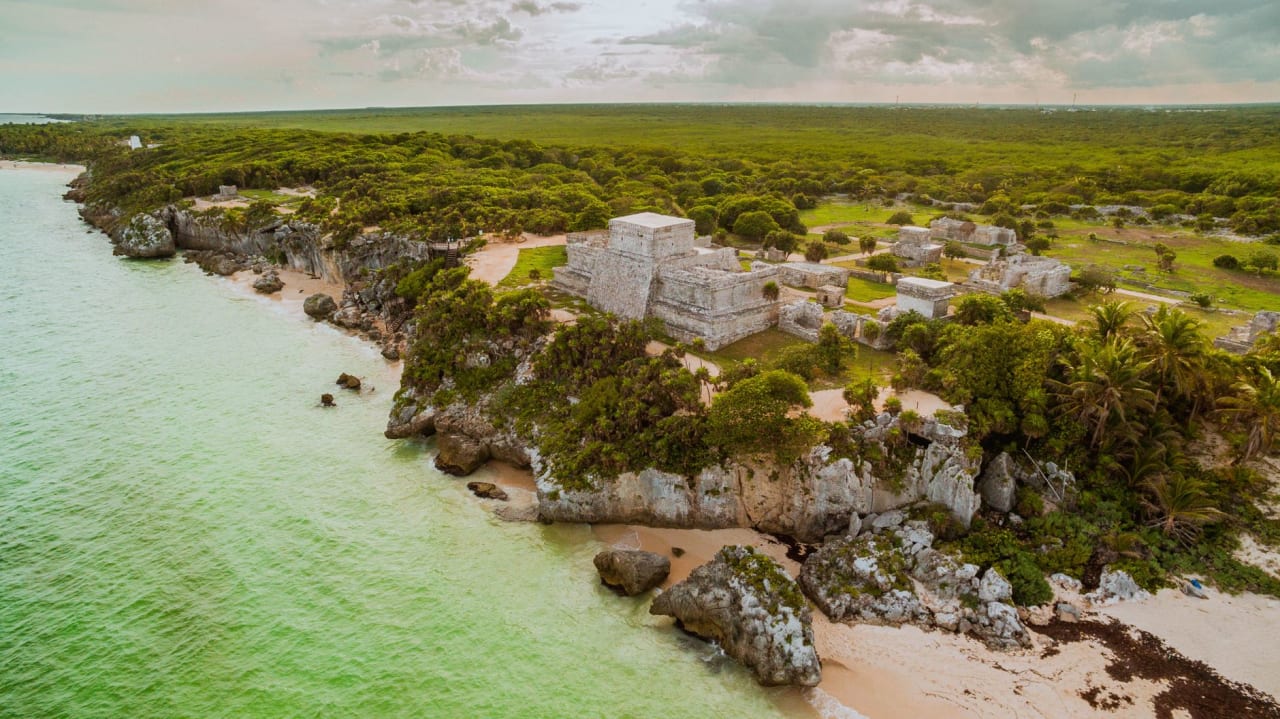
The Zona Hotelera stretches roughly 10 km along the coast, running south from the Tulum archaeological zone down toward the Sian Ka'an Biosphere Reserve. This is where the images that flood Instagram come from: turquoise water, powdery white sand, thatched-roof bungalows half-hidden by palm trees, and cenotes that open directly onto the beach.
What the Zona Hotelera does best
- The beach itself. The Caribbean here is calm, warm, and brilliantly clear. Snorkeling straight off the shore is genuinely rewarding, and the seagrass beds that sometimes wash up (sargassum) are far less prevalent at the northern end of the hotel zone near the ruins.
- Atmosphere and design. Tulum's Zona Hotelera has cultivated a distinctive aesthetic — open-air palapa restaurants, beeswax candles, natural materials, and a bohemian-luxury energy that is unlike anywhere else in Mexico. Hartwood, Ahau, and Azulik are landmarks worth visiting even if you are not staying there.
- Proximity to the Tulum ruins. The archaeological site perches right on the cliff at the northern end of the hotel zone. You can walk there at sunrise before the crowds arrive — one of the great free experiences in the Yucatán.
- Cenote access. Gran Cenote and Dos Ojos are both less than 20 minutes by bike or taxi from the hotel zone. Many hotels offer morning excursions. Swimming in crystalline freshwater surrounded by stalactites before heading back to the Caribbean beach is a genuinely memorable day.
- Sian Ka'an day trips. The southern end of the hotel zone borders the entrance to Sian Ka'an, a UNESCO biosphere reserve with mangrove channels, manatees, and remote barrier reef. Tours depart early; staying in the hotel zone gives you the shortest transfer time.
The honest downsides of the Zona Hotelera
- Cost. Budget accommodation here is nearly nonexistent. Mid-range rooms start around USD 150–200 per night; boutique eco-hotels routinely charge USD 300–600. Food and drinks at beachfront restaurants carry a heavy premium.
- Getting around without wheels. The hotel zone has no reliable public transport. You will need a rental bike (the most popular option, widely available), a scooter, or taxis. Walking long stretches of the coastal road in midday heat is not pleasant.
- Sargassum variability. The southern stretches of the hotel zone can be badly affected by sargassum seaweed, especially May through October. Check current conditions before booking a hotel far south on the strip.
Tulum Pueblo: The Local Side of Paradise
Tulum Pueblo has transformed rapidly over the last decade from a dusty transit stop into a genuine destination in its own right. Avenida Tulum (the main street) and the side streets branching off it are packed with excellent restaurants, craft mezcal bars, yoga studios, artisan markets, and affordable hotels that would cost three times as much a few kilometres east on the beach.
What Tulum Pueblo does best
- Value for money. You can find comfortable, well-designed rooms in Tulum Pueblo for USD 40–90 per night. Breakfast tacos cost 30–50 pesos. A full dinner with drinks at a quality restaurant runs well under USD 25 per person. For budget and mid-range travelers, the town is the obvious base.
- Food and nightlife. The restaurant scene in Pueblo rivals the hotel zone and often surpasses it for authenticity. Carnitas, cochinita pibil, fresh ceviche, and wood-fired Neapolitan pizza sit side by side. The mezcal bar scene along Avenida Satelite is lively without the inflated cocktail prices of the beach clubs.
- Transport hub. Colectivos (shared minivans) to Playa del Carmen, Cobá, Akumal, and Felipe Carrillo Puerto run from the pueblo. Renting a car or scooter is easier and cheaper here than in the hotel zone. If you plan to explore the wider Yucatán Peninsula, the town is a practical base.
- Community and authenticity. You will interact with locals, eat where locals eat, and get a truer sense of life in the Yucatán. The Friday tianguis (market) near the OXXO is a great introduction to Mayan crafts and produce.
- Cenote access on a budget. Gran Cenote is a 10-minute bike ride from the center of town. You do not need to pay hotel-zone taxi prices to reach it.
The honest downsides of Tulum Pueblo
- No beach walking out your door. You will need to bike, scooter, or taxi to the beach — typically 10–20 minutes depending on where along the hotel zone you are heading. That daily commute adds up, especially with beach gear.
- Construction noise and traffic. Tulum Pueblo is growing fast. Construction is visible on many blocks, and Avenida Tulum sees heavy truck traffic. It is not the tranquil retreat that the hotel zone promises.
- Less of the signature Tulum aesthetic. If the reason you chose Tulum is the jungle-beach atmosphere — the canopy overhead, the sound of the ocean, the sunrise over the Caribbean — you simply cannot replicate that in the town.
A Quick Side-by-Side Comparison
Here is how the two zones compare across the criteria that matter most to most travelers:
- Beach access: Zona Hotelera (steps away) vs. Pueblo (10–20 min ride)
- Nightly cost: Zona Hotelera (USD 150–600+) vs. Pueblo (USD 40–120)
- Food variety: Zona Hotelera (excellent, expensive) vs. Pueblo (excellent, affordable)
- Nightlife: Zona Hotelera (beach clubs, eclectic DJ sets) vs. Pueblo (mezcal bars, local cantinas)
- Cenote access: Both equally convenient
- Ruins access: Zona Hotelera (walkable to north end) vs. Pueblo (short taxi or bike ride)
- Sian Ka'an access: Zona Hotelera (closer) vs. Pueblo (easy day trip)
- Atmosphere: Zona Hotelera (bohemian luxury, jungle vibes) vs. Pueblo (lively, authentic, local)
Who Should Stay Where?
Choose the Zona Hotelera if…
You are celebrating a honeymoon, anniversary, or milestone birthday and want to wake up to the sound of the Caribbean. You have a flexible budget and the beachfront bohemian-luxury aesthetic is a big part of why you chose Tulum. You plan to spend most of your days on the beach or in nearby cenotes and do not need a full urban base. You want effortless access to the Tulum ruins at sunrise and the Sian Ka'an boat tours.
Choose Tulum Pueblo if…
You are traveling on a budget or a long trip where value matters. You love great food, local markets, and exploring a destination that still has authentic Mexican neighborhood energy. You plan to use Tulum as a base for day trips — Cobá, Akumal, Valladolid, Chichén Itzá — and need easy transport connections. You are traveling with a group where cost differences add up fast.
The hybrid approach (our recommendation for 5+ nights)
Honestly? If you have more than five nights, consider splitting your stay. Spend two or three nights in the Zona Hotelera to soak up the beach atmosphere, then move into town for the remaining nights and explore a wider radius. This is exactly what our team did, and it gave us the complete Tulum experience without blowing the entire budget on beachfront rates.
Practical Tips for Both Zones
- Rent a bike or scooter. Whether you base yourself in the hotel zone or the pueblo, two wheels transform Tulum. The coastal road is mostly flat, and cycling at dawn before the heat arrives is one of our favorite things about the destination.
- Book cenotes in advance. Gran Cenote and Dos Ojos now have timed entry and daily capacity limits. Book online at least a few days ahead, especially in high season (December–March, July–August).
- Carry cash. Many small restaurants, cenotes, and colectivos are cash-only. ATMs in the pueblo are reliable; ATMs in the hotel zone are fewer and sometimes out of stock on busy weekends.
- Check sargassum forecasts. Sites like Sargassum Monitoring provide weekly forecasts by beach segment. This one piece of research can save you from booking a hotel in front of a brown, seaweed-choked stretch of coast.
- Visit the ruins early. The Tulum archaeological zone opens at 8 AM. Arrive at opening to have the cliff-top views nearly to yourself before tour groups from Cancún and Playa del Carmen arrive around 10 AM.
Explore Tulum With a Local Guide
Whether you choose the hotel zone or the pueblo, the best way to go deeper into Tulum is with someone who knows it well. We work with local guides who can take you through the Sian Ka'an channels by boat, lead you to hidden cenotes that are not on the main tourist circuit, and introduce you to the Mayan history behind the ruins. Have a look at our Tulum tours and experiences to find something that fits your travel style.
Whichever zone you choose, Tulum rewards slow travel. Give yourself time to do nothing — to float in a cenote, eat tacos without checking the clock, and watch the Caribbean turn that impossible shade of green at midday. That is what people remember most.
auto_awesome Continue exploring Tulum
You Might Also Like
 article Adventures calendar_today Dec 9, 2025
 Best Areas to Stay in Tulum: Complete Neighborhood Guide
Choosing where to stay in Tulum can transform your vacation from good to unforgettable. Each neighborhood offers its own
 article Hotels calendar_today Jan 6, 2024
 A Guide to Choosing the Perfect Airbnb in Tulum
Choosing the right Airbnb in Tulum means picking the right neighbourhood first — beach-road serenity, jungle-chic boutiq
 article Hotels calendar_today Dec 6, 2023
 Hotel El Escondido Tulum — A Hidden Jungle & Caribbean Retreat
If you dream of a peaceful hideaway on the Caribbean coast of Mexico, Hotel El Escondido in Tulum is where your dreams c