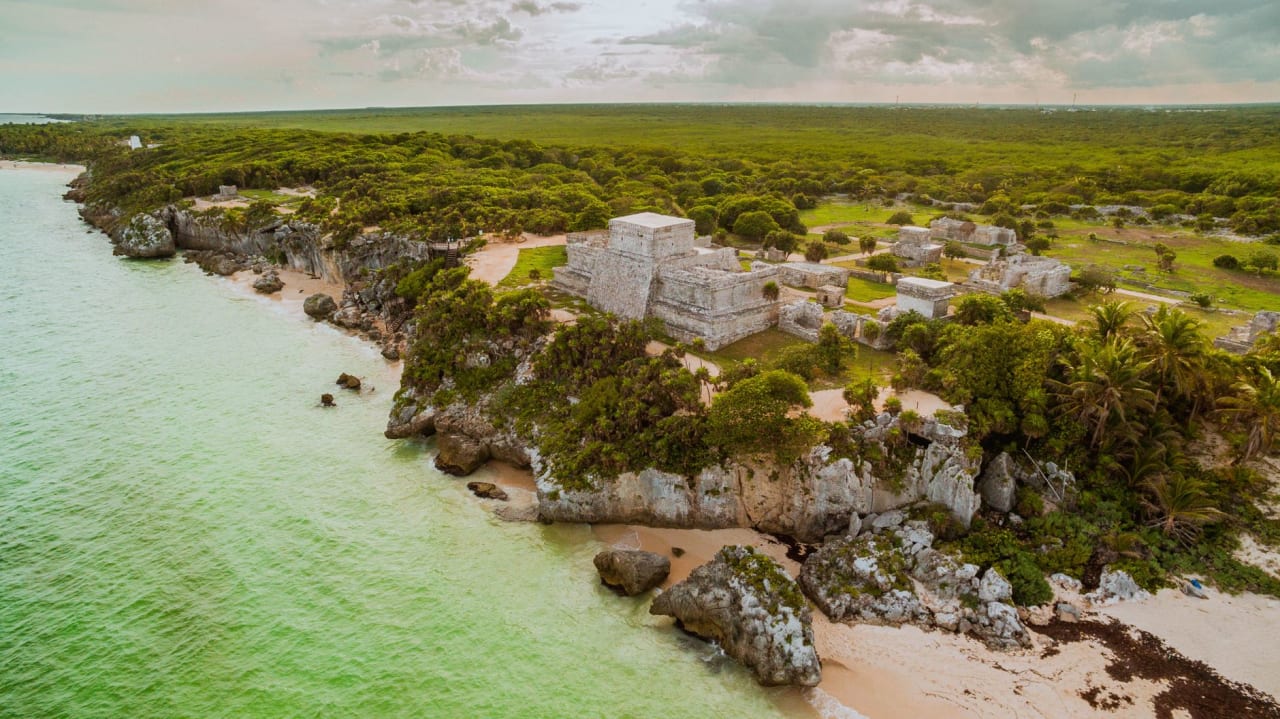
Ultimate Tulum Travel Guide 2025: Everything You Need to Know
Tulum has transformed from a quiet Mayan coastal village into one of Mexico’s most captivating destinations, and 2025 is shaping up to be its most exciting year yet. Perched along the turquoise Caribbean coast of Quintana Roo, this vibrant town offers ancient cliff-top ruins, crystalline cenotes, world-class snorkelling, and a thriving eco-chic wellness scene. Whether you’re a backpacker seeking adventure, a digital nomad looking for your next home base, or a family planning a tropical getaway, this comprehensive guide covers everything you need to know before you go. From the breathtaking Zona Hotelera beach strip to the jungle-shrouded boutique hotels of Aldea Zama, Tulum delivers unforgettable experiences year-round.
Why Visit Tulum in 2025?
Tulum continues to gain international recognition while maintaining its bohemian soul. According to Visit México, Tulum ranks among the top sought-after destinations in the country, drawing travelers who want authentic experiences beyond the all-inclusive resort corridors of Cancun. The destination has invested in sustainable infrastructure, expanded its culinary scene, and continues to protect the reef and cenote ecosystems that make it unique.
What sets Tulum apart is its extraordinary density of world-class experiences within a compact area. You can explore the ancient Mayan cliff-top ruins with the Caribbean sea shimmering below in the morning, swim through the cathedral chambers of Gran Cenote before lunch, snorkel with wild sea turtles at Akumal in the afternoon, and dine at a candlelit jungle restaurant at night—all without traveling more than 45 minutes from your accommodation. The local community remains welcoming, yoga and wellness retreats abound, and prices remain significantly lower than comparable Caribbean hotspots.
Best Time to Visit Tulum
| Season | Months | Weather | Highlights | Considerations |
|---|---|---|---|---|
| Dry Season | November – April | Sunny, 26–32°C, minimal rain | Ideal beach weather, calm Caribbean sea, peak cenote visibility | Higher prices, more crowds, advance booking recommended |
| Shoulder Season | May, October | Warm, occasional showers | Lower prices, fewer tourists, lush jungle, sea turtle nesting begins | Some humidity, afternoon rain possible |
| Rainy Season | June – September | Hot, afternoon storms, 25–30°C | Best prices, turtle releases peak (Jul–Sep), vibrant green jungle | Hurricane risk Aug–Oct, some beach clubs reduce hours |
The dry season (November through April) offers the most predictable weather and is ideal for first-time visitors. The Caribbean is at its calmest and clearest, making snorkelling and cenote diving especially rewarding. However, the shoulder months of May and October are our team’s personal favourites—the jungle is lush, the cenotes are quieter, and hotel rates drop significantly. September and October see the highest sea turtle nesting activity, making this an exceptional time for conservation-focused travelers.
Getting to Tulum
Cancún International Airport (CUN) is the main gateway, located approximately 130 kilometres north of Tulum. It receives direct flights from dozens of cities across North America, Europe, and Latin America. From the airport, several transfer options bring you to Tulum:
- ADO bus: The most affordable option. Direct buses run from Cancun airport to Tulum’s bus terminal (approx. 200–250 pesos, 2–2.5 hours).
- Shared shuttle: Door-to-door service booked in advance (approx. 400–600 pesos per person).
- Private transfer: The most comfortable option, especially for families or groups (approx. 1,200–1,800 pesos for the vehicle).
- Car rental: A good choice if you plan to explore the Riviera Maya corridor independently. Pick up at the airport and drive south on Highway 307.
According to Mexico’s Ministry of Communications and Transportation, Highway 307 between Cancun and Tulum is a well-maintained four-lane road passing through Playa del Carmen and Akumal, making the drive straightforward and scenic.
Getting Around Tulum
Tulum is divided into several distinct zones, each with its own character. Understanding the layout before you arrive makes a real difference to your trip.
- Tulum Pueblo (Centro): The town itself, where locals live, markets buzz, and affordable taco stands line the streets. Most budget and mid-range accommodation is here.
- Zona Hotelera (Beach Road): The coastal strip running south from the ruins, lined with boutique eco-hotels, beach clubs, and upscale restaurants set among the palm trees.
- Aldea Zama: A residential and boutique hotel zone set in the jungle between the town and the coast. Great for those who want nature without the beach-road prices.
- La Veleta: An artsy, local neighbourhood on the western edge of town, popular with longer-term visitors and those seeking affordable authenticity.
- Sac-Be: A quieter stretch of beach road, ideal for those seeking calm and fewer crowds.
Getting around is easy with these options:
- Bicycles: The flat terrain and dedicated bike paths make cycling the most popular way to get around Tulum Pueblo. Many hotels include bikes. Rentals run 80–150 pesos per day.
- Scooters: Great for reaching the Zona Hotelera from town (150–400 pesos daily). Several rental shops operate along Avenida Tulum.
- Taxis: Abundant and affordable (40–100 pesos within town, 150–200 pesos between Pueblo and the Zona Hotelera). Agree on the price before you get in.
- Colectivos: Shared vans running fixed routes along Highway 307 (15–30 pesos). These connect Tulum to Akumal, Playa del Carmen, and other Riviera Maya towns.
- Car Rentals: Recommended for visiting Cobá ruins, Sian Ka’an, or Bacalar (from 600 pesos daily). Browse rental options.
Where to Stay in Tulum
Accommodation options range from budget hostels in Tulum Pueblo to ultra-exclusive eco-lodges on the beach. Your choice of zone significantly impacts your experience, so consider your priorities carefully.
Zona Hotelera (Beach Zone)
Best for: Couples, honeymooners, wellness travelers, and those who want to fall asleep to the sound of Caribbean waves. The Zona Hotelera is home to Tulum’s famous boutique eco-hotels—open-air palapa structures draped in jungle plants, with cenote plunge pools and candlelit terraces. The beach here is wide and beautiful, with calm turquoise water. Note: dining and transport costs are higher here, and the beach road can be congested in high season. Playa Paraíso, near the southern end of the strip, is widely considered one of Tulum’s most beautiful stretches of sand.
Aldea Zama
Best for: Families, those seeking a quiet jungle retreat, and digital nomads who want boutique comfort without beach prices. Aldea Zama sits between the town and the coast, offering lush greenery, modern villas, and easy access to both the beach (10 minutes by bike) and the town’s restaurants and markets. Several excellent co-working spaces and yoga studios operate here.
Tulum Pueblo (Centro)

Best for: Budget travelers, backpackers, solo explorers, and those who want to experience daily Mexican life. Tulum Pueblo is the beating heart of the destination—taco stands, fruit markets, local pharmacies, and affordable restaurants crowd Avenida Tulum, the town’s main strip. Accommodation is significantly cheaper here, and you’re within easy cycling or taxi distance of the ruins and the beach. The town’s night market at El Camello is a must-visit for fresh seafood and street food.
La Veleta
Best for: Longer-stay visitors, artists, and travelers seeking a local neighbourhood vibe. La Veleta is quieter and more residential, with independent cafes, plant-based restaurants, and creative studios. Prices are lower than both the Zona Hotelera and Aldea Zama, and the community feel is strong. You’ll need a bike or scooter to reach the beach (15–20 minutes).
Must-Do Activities and Tours
Tulum’s appeal extends far beyond its beaches. The region offers an impressive array of nature-based adventures, ancient history, and wellness experiences that showcase the biodiversity and Mayan heritage of the Caribbean coast.
Ruins, Cenotes, and Water Experiences
- Tulum Ruins: The iconic Mayan cliff-top ruins overlooking the turquoise Caribbean are Tulum’s most recognisable landmark. Visit early (gates open at 8am) to beat the crowds and the heat. A guided ruins tour provides essential historical context about this remarkable walled city.
- Gran Cenote: Just 4 kilometres west of the ruins, Gran Cenote is one of the most beautiful freshwater sinkholes in the Yucatan. Swim through crystalline turquoise water past stalactites and ancient stalagmites. Arrive before 10am for the best light and fewest visitors.
- Dos Ojos Cenote System: One of the world’s longest underwater cave systems, Dos Ojos (Two Eyes) offers both snorkelling and scuba diving. The cavern tour is accessible to non-divers and is genuinely breathtaking.
- Jardín del Edén and Cenote Azul: Two beautifully open-air cenotes further along Highway 307 toward Playa del Carmen, ideal for swimming and cliff-jumping in a more natural, less commercial setting.
- Casa Cenote: A unique mangrove-fringed cenote near the coast where freshwater meets saltwater, creating a halocline effect beloved by divers and snorkellers. Sea turtles and tarpon are frequently spotted here.
- Snorkelling the Mesoamerican Reef: The world’s second-largest coral reef system runs along the Quintana Roo coast. Professional snorkelling tours take you to vibrant coral gardens teeming with tropical fish, rays, and the occasional sea turtle.
- Sea Turtle Snorkelling at Akumal: Just 30 minutes north of Tulum, Akumal Bay is home to a permanent population of wild green sea turtles. Swimming alongside them in their natural habitat is one of the Riviera Maya’s most moving experiences. Guided tours ensure responsible interaction.
Nature and Eco-Adventures
The Caribbean coast and its hinterland host remarkable biodiversity. The Mexican Ministry of Environment (SEMARNAT) actively works with local communities to protect endangered species and their habitats, creating sustainable tourism opportunities that fund conservation efforts.
- Sian Ka’an Biosphere Reserve: This UNESCO World Heritage site south of Tulum encompasses mangrove lagoons, tropical forest, coral reef, and pristine beaches across 530,000 hectares. Sian Ka’an tours by boat through the lagoon channels are a highlight for wildlife lovers—expect flamingos, manatees, crocodiles, and dolphins.
- Sea Turtle Releases: During nesting season (May–October), certified conservation programs allow visitors to witness baby turtle releases at night on Tulum’s beaches. This moving experience supports conservation while teaching visitors about marine ecosystem protection.
- Bird Watching in Sian Ka’an: The reserve hosts over 300 bird species including roseate spoonbills, jabiru storks, frigate birds, and dozens of migratory species. Bird watching tours provide binoculars, field guides, and expert naturalists.
- Mangrove and Lagoon Kayaking: Paddle through the mangrove channels of Sian Ka’an, observing the intricate ecosystem that serves as a nursery for countless marine species. Kayaking tours accommodate all skill levels.
Cultural and Culinary Experiences
- Cobá Ruins and Jungle Bike Ride: The ancient Mayan city of Cobá, 45 minutes northwest of Tulum, features the tallest pyramid in the Yucatan—climb it for panoramic jungle views stretching to the horizon. Combine it with a guided Cobá tour for full historical context.
- Night Market and Street Food: Tulum Pueblo’s informal night market near El Camello comes alive after dark with fresh ceviche, grilled fish tacos, elotes, and agua fresca. Our team recommends it as the best value meal in town.
- Jungle Restaurant Scene: The Zona Hotelera is famous for its open-air, candle-lit restaurants serving creative Mexican and international cuisine with a strong organic and vegan focus. Dining here is an experience in itself.
- Temazcal Ceremonies: Experience an ancient Mesoamerican sweat lodge ritual that combines physical purification with spiritual intention. Temazcal sessions are led by experienced guides who maintain traditional Mayan protocols.
- Cooking Classes: Learn to prepare traditional Yucatecan and Mexican dishes including cochinita pibil, ceviche de caracol, and fresh tortillas with cooking classes led by local chefs.
Day Trips from Tulum
- Cobá Ruins (45 min): The towering Nohoch Mul pyramid rises above an unbroken jungle canopy. One of the most dramatic archaeological sites on the peninsula.
- Chichén Itzá (2.5 hrs): Mexico’s most visited archaeological site and a UNESCO World Heritage wonder. The Temple of Kukulcán is best seen with a knowledgeable guide. Book a day trip.
- Bacalar Lagoon (3 hrs): The “Lake of Seven Colors” is one of Mexico’s best-kept secrets—a vast freshwater lagoon with shades from turquoise to deep cobalt. Sailing tours and paddleboarding are the highlights.
- Playa del Carmen (45 min): A lively beach town with the famous pedestrian Quinta Avenida shopping and dining strip, excellent beach clubs, and easy access to the island of Cozumel.
- Akumal and Cenote Azul (30 min): Sea turtles, a beautiful open-air cenote, and calm Caribbean swimming—a perfect half-day excursion.

Practical Information for Visitors
Money and Budgeting
Tulum accommodates all budget levels, from shoestring backpackers to luxury travelers. Daily budgets typically break down as follows:
- Budget: $30–50 USD per day (hostel dorm in Tulum Pueblo, taco stands, local transport, cenote entry fees)
- Mid-range: $80–130 USD per day (private guesthouse or Aldea Zama hotel, mix of local and restaurant dining, one or two tours)
- Luxury: $200+ USD per day (boutique eco-lodge in the Zona Hotelera, jungle restaurant dining, private cenote and ruins tours, spa treatments)
The Mexican peso (MXN) is the official currency. As of 2025, the exchange rate fluctuates around 17–20 pesos per US dollar. ATMs are widely available in Tulum Pueblo, though they may charge fees of 35–60 pesos per withdrawal. Many establishments in the Zona Hotelera accept US dollars but give unfavorable exchange rates, so using pesos is always recommended. Credit cards are accepted at larger restaurants and hotels, but many cenotes, markets, and local eateries are cash-only. Bring sufficient pesos for daily expenses.
Safety Tips
Tulum is generally safe for tourists who take reasonable precautions. Violent crime against tourists is rare, but petty theft can occur in crowded areas. Follow these guidelines for a safe visit:
- Ocean Safety: The Caribbean at Tulum is calm compared to Pacific destinations, but currents exist near the reef gap north of the ruins. Always check conditions and heed any beach flags.
- Cenote Safety: Never dive into a cenote without checking depth first. Follow guide instructions at all times. Some cavern systems require certification—do not enter without a qualified dive guide.
- Personal Security: Avoid displaying expensive jewelry, cameras, or large amounts of cash. Use hotel safes for passports and valuables. After dark, use registered taxis rather than walking the beach road alone.
- Drinking Water: Tap water is not potable. Drink bottled or purified water, and avoid ice in street food settings unless you’re confident about its source.
- Sun Protection: The tropical sun reflects off both the white sand and the water, intensifying exposure. Apply reef-safe sunscreen (SPF 50+) frequently—this is mandatory at most cenotes and protects the ecosystem. Wear a hat and seek shade between 11am–3pm.
- Transportation: Use official taxis with visible identification. Ride-sharing apps have limited availability in Tulum. If renting a scooter, wear a helmet and avoid the beach road after dark.
What to Pack
| Category | Essential Items |
|---|---|
| Clothing | Lightweight breathable fabrics, swimsuits (2+), cover-up, sandals, water shoes, light layer for cenote caves (they’re cool inside), hat, sunglasses |
| Sun & Sea Protection | Reef-safe sunscreen (SPF 50+, mandatory at most cenotes), after-sun lotion, lip balm with SPF, waterproof phone case, dry bag |
| Health & Safety | Insect repellent (DEET 20–30% for jungle/mangrove areas), basic first aid kit, prescription medications, water purification tablets, hand sanitiser, motion sickness medication (for boat tours) |
| Electronics | Universal power adapter (Mexico uses Type A/B, 110V), portable charger, waterproof camera or GoPro, headlamp (useful for cenote cavern tours) |
| Documents | Passport, travel insurance details, printed hotel reservations, tour confirmations, credit cards (2+), some US dollars for exchange |
| Optional | Snorkel and mask (if you have preferences), Spanish phrasebook or translation app, reusable water bottle, reef shoes for rocky cenote entries |
Language and Communication
Spanish is the primary language, though English is widely spoken in tourist areas, especially in the Zona Hotelera and Aldea Zama. Learning basic Spanish phrases significantly enhances your experience and is always appreciated by locals. Essential phrases include:
- ¿Cuánto cuesta? – How much does it cost?
- ¿Dónde está…? – Where is…?
- No hablo mucho español – I don’t speak much Spanish
- La cuenta, por favor – The check, please
- ¿Hay descuento? – Is there a discount?
Most hotels, tour operators, and restaurants in tourist zones have English-speaking staff. Translation apps like Google Translate work well with downloaded Spanish language packs, ensuring you can communicate even without an internet connection.
Internet and Connectivity
Most accommodations, restaurants, and cafés offer free Wi-Fi, though speeds vary widely between the jungle hotels of the Zona Hotelera and the more urban Tulum Pueblo. For consistent connectivity, purchase a Mexican SIM card from Telcel or AT&T Mexico at Cancun airport or in Tulum Pueblo (approximately 200–500 pesos for tourist data packages). Coverage is good in town but can be limited inside cenote cave systems. Tulum has a thriving digital nomad community, resulting in a growing number of co-working spaces in Tulum Pueblo and La Veleta with reliable high-speed internet.
Sustainable and Responsible Tourism
As Tulum grows in popularity, practicing responsible tourism becomes increasingly important. The cenotes, coral reef, and Sian Ka’an biosphere are fragile ecosystems facing real pressure from visitor numbers. Conscious choices make a genuine difference.
How to Be a Responsible Visitor
- Use Reef-Safe Sunscreen: Most cenotes and snorkelling sites require or strongly encourage sunscreen free of oxybenzone and octinoxate. These chemicals damage coral reefs and harm the cenote ecosystem. Many cenotes sell approved brands at the entrance.
- Reduce Plastic Waste: Bring a reusable water bottle (many establishments offer refill stations), refuse single-use plastics, and carry a reusable bag. Tulum’s Zona Hotelera has moved significantly toward zero-plastic policies.
- Support Local Businesses: Eat at family-run restaurants in Tulum Pueblo, shop at local markets, and choose locally-owned tour operators. Your tourism dollars directly benefit the community.
- Respect Wildlife: Never touch sea turtles, coral, or cenote formations. Maintain appropriate distances from animals. Choose tour operators that follow ethical wildlife viewing guidelines and hold SEMARNAT permits.
- Conserve Water: The Yucatan’s freshwater flows through the cenote system. Take shorter showers, reuse towels, and turn off air conditioning when leaving your room.
- Follow Cenote Rules: No sunscreen, no food, no shoes on the platforms, no flash photography in caves. These rules exist to protect the ecosystems; please follow them.
Frequently Asked Questions
Is Tulum safe for solo female travelers?
Yes, Tulum is generally safe for solo female travelers who take standard precautions. The town has a significant international community and a well-established solo travel culture. Stay in well-reviewed accommodations in Tulum Pueblo or Aldea Zama, avoid walking the beach road alone late at night, use registered taxis after dark, and trust your instincts. The community is welcoming, and you’ll likely meet other solo travelers quickly in hostels and at cenotes.
Do I need vaccinations to visit Tulum?
No special vaccinations are required for Mexico beyond routine immunizations. However, the CDC recommends ensuring you’re current on standard vaccines including Hepatitis A, Hepatitis B, and Typhoid, particularly if you plan to eat street food. Consult your doctor 4–6 weeks before travel. Malaria is not a concern in Tulum, but dengue fever can occur, so mosquito protection is advisable especially in jungle and mangrove areas.
Can I drink the water in Tulum?
No, tap water is not safe to drink in Tulum. Use bottled or purified water for drinking and brushing teeth. Most hotels provide purified water, and bottled water is inexpensive and widely available. Many restaurants use purified water for ice and food preparation, but confirm if uncertain. A reusable bottle with a built-in filter is an eco-friendly option that also reduces plastic waste.
Is Tulum good for snorkelling and diving beginners?
Absolutely. The calm Caribbean water and the cenote systems make Tulum one of Mexico’s best destinations for first-time snorkellers and beginner divers. The reef is accessible, the cenotes offer stunning introductory cavern dives, and visibility in both environments is exceptional. Our team recommends the Gran Cenote for first-timers and the Dos Ojos snorkel tour for those ready for something more adventurous.
How much should I tip in Tulum?

Tipping customs in Tulum follow general Mexican standards. For restaurants, 10–15% is appropriate for good service (check your bill first—some Zona Hotelera restaurants include a service charge). For tour guides, 10–20% of the tour cost is appreciated, particularly for smaller group or private experiences. Taxi drivers don’t expect tips unless they provide extra assistance. At hotels, 20–50 pesos per day for housekeeping is a kind gesture. Many service workers in the hospitality sector depend significantly on tips, so your generosity is genuinely impactful.
Is Tulum good for families with children?
Yes, Tulum can be excellent for families. The Caribbean is calm and warm, making it safe for children at most beaches. The Zona Hotelera beaches, Playa Paraíso, and Playa Ruinas (below the ruins) all offer gentle conditions. The cenotes are magical for kids (choose open-air ones like Gran Cenote or Cenote Azul for younger children). Sea turtle snorkelling at Akumal is a favourite family experience. Choose accommodations in Aldea Zama or Tulum Pueblo for practical family travel, with the Zona Hotelera saved for a special night or two.
Start Planning Your Tulum Adventure
Tulum offers an extraordinary blend of ancient Mayan heritage, Caribbean natural beauty, and modern wellness culture that sets it apart from every other destination in Mexico. Whether you’re drawn by the cliff-top ruins, the crystalline cenotes, wild sea turtles, or simply the promise of turquoise water and candlelit jungle dinners, this Caribbean gem delivers experiences that create lasting memories. The 2025 season promises excellent conditions across all activities, with the destination continuing to evolve while protecting the ecosystems that make it special.
The key to an unforgettable Tulum experience is embracing its dual soul: the ancient and the modern, the wild and the refined, the reef and the cenote. Take time to learn a few Spanish phrases, support local businesses in Tulum Pueblo rather than only spending in the hotel zone, use reef-safe products, and approach each day with openness to what the Caribbean coast offers. The travelers who venture beyond the Zona Hotelera—to the cenotes at dawn, to the night market after dark, to the mangroves of Sian Ka’an—are the ones who leave with the best stories.
Ready to experience everything Tulum has to offer? Our Tulum team has helped thousands of travelers create perfect itineraries combining the activities that match their interests, fitness levels, and schedules. From single tours to comprehensive multi-day packages, our local expertise ensures you don’t miss the experiences that will define your Caribbean adventure.
Disclaimer: Information may change; please confirm schedules, prices, and regulations before booking. For legal or safety matters, consult local authorities or official sources. Contact our DestinosMX Tulum team for current details and personalised recommendations.
Connect With Us
Follow our adventures and get daily inspiration for your Tulum journey:
auto_awesome Continue exploring Tulum
You Might Also Like
 article Uncategorized calendar_today Aug 14, 2024
 New International Airport in Tulum: A Game-Changer for Travelers and Investors
Tulum, Quintana Roo, has long been a hidden gem on Mexico’s Caribbean coast, famous for its ancient Mayan ruins, crystal
 article Move calendar_today Oct 29, 2023
 Easy Tips for Getting Around in Tulum
Getting around Tulum is half the adventure. Whether you're hopping a colectivo on Highway 307, renting a bicycle to crui
 article Exploring calendar_today Jul 30, 2023
 What’s the Weather Like in August in Tulum?
Welcome to our comprehensive guide on visiting Tulum in August! In this article, we cover everything you need to know ab