Tulum First-Timer’s Guide: Plan Your Perfect Trip
Welcome to Tulum, where ancient Mayan ruins crown Caribbean cliffs, crystal-clear cenotes beckon beneath the jungle, and the Riviera Maya’s most iconic eco-chic destination rewards curious travelers at every turn. Whether you’re drawn by world-class cenote diving, the call of Sian Ka’an’s wild lagoons, or the promise of fresh ceviche and mezcal sunsets, this comprehensive guide will help you navigate your first visit like a seasoned traveler. From choosing the right neighborhood to booking unforgettable nature and adventure tours, we’ve packed this guide with insider tips to make your Tulum experience truly magical.
Why Tulum Should Be on Your Travel Radar
Tulum has evolved from a quiet stretch of Caribbean coastline into one of Mexico’s most sought-after destinations, yet it still holds an authentic, unhurried charm that sets it apart from resort-heavy neighbors. According to Visit México, Tulum consistently ranks among the country’s top destinations for travelers who want a balance between archaeology, nature, and wellness.
What makes Tulum unique:
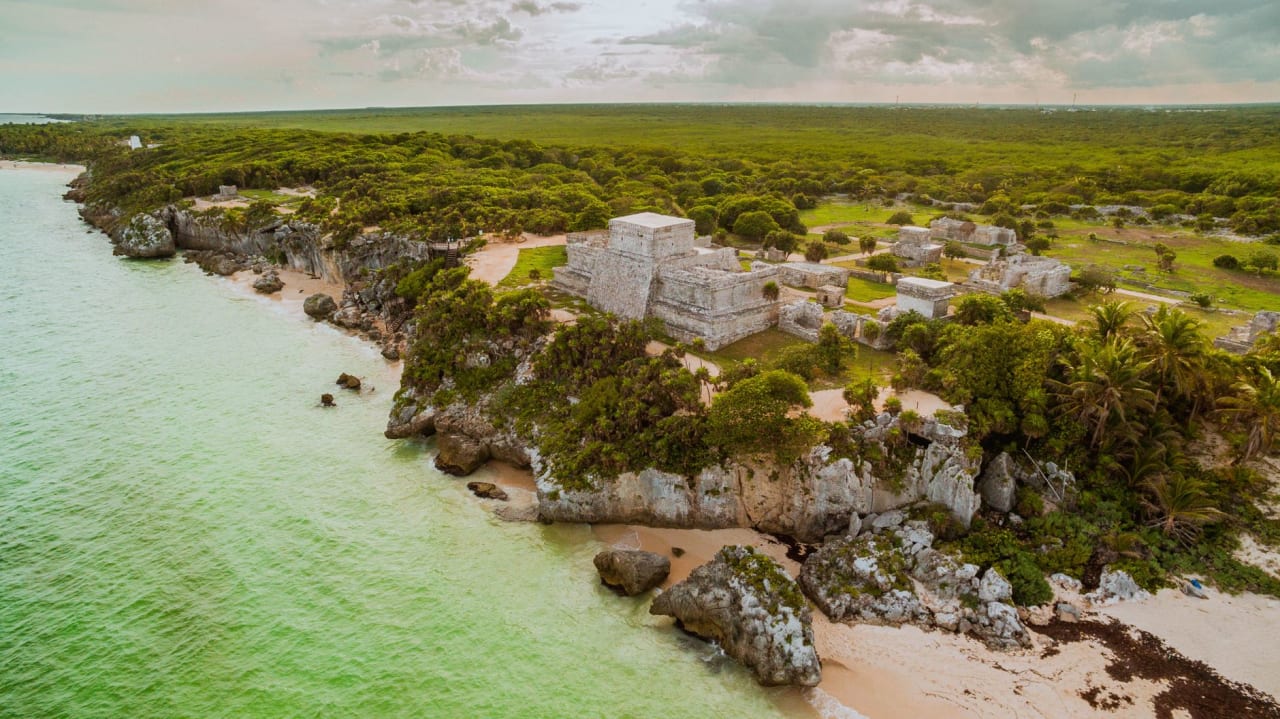
- Cliff-Top Mayan Ruins: El Castillo and the Temple of the Frescoes perch dramatically above turquoise Caribbean water—the only major Mayan site overlooking the sea
- Cenote Network: Hundreds of freshwater sinkholes connected by an underground river system, from open-sky swimming holes to deep cave-diving systems like Dos Ojos
- Sian Ka’an Biosphere: A UNESCO-protected reserve of mangrove channels, coastal lagoons, and jungle that begins just south of the hotel zone
- Eco-Chic Wellness Scene: World-class yoga studios, organic restaurants, temazcal ceremonies, and boutique jungle hotels that define the “Tulum vibe”
- Riviera Maya Connectivity: Positioned 130 km south of Cancún, Tulum is the ideal base for day trips to Cobá, Chichén Itzá, Bacalar, and Playa del Carmen
The municipality of Tulum, within Quintana Roo’s Riviera Maya corridor, has invested in sustainable tourism infrastructure while maintaining the environmental protections that keep its Caribbean reefs and jungle ecosystems intact, as documented by CONANP.
When to Visit: Understanding Tulum’s Seasons
Timing your visit can dramatically impact your experience. Tulum enjoys warm Caribbean weather year-round, but each season offers distinct advantages.
High Season (December–April)
Peak tourist season delivers perfect conditions: minimal rainfall, temperatures of 75–88°F (24–31°C), and calm Caribbean waters ideal for snorkeling and cenote swimming. This is prime time for reef snorkeling tours and cenote day trips. Expect higher accommodation prices and advance booking requirements for popular tours. Humpback whale watching is possible on day trips to Cancún/Isla Mujeres from December through March.
Shoulder Season (May & October–November)
These transitional months offer excellent value with fewer crowds and pleasant weather. May can be warm but remains mostly dry, while October marks the end of rainy season with increasingly sunny skies. Ideal for budget-conscious travelers—you’ll still enjoy crystal-clear cenotes and the Sian Ka’an biosphere tour without the December crowds.
Rainy Season (June–September)
Don’t let “rainy season” deter you—afternoon showers typically last 1–2 hours, leaving mornings perfect for cenotes and ruins visits. This is also sea turtle nesting season along Tulum’s beaches, offering the deeply moving experience of watching hatchlings make their way to the Caribbean. Accommodation rates drop significantly, and the jungle turns a lush, vivid green.
| Season | Months | Weather | Crowd Level | Best For |
|---|---|---|---|---|
| High | Dec–Apr | Sunny, 75–88°F | High | Snorkeling, cenotes, perfect beach weather |
| Shoulder | May, Oct–Nov | Warm, occasional rain | Medium | Budget travel, fewer crowds |
| Rainy | Jun–Sep | Hot, afternoon showers | Low | Turtle season, lush jungle, low prices |
Choosing Your Tulum Neighborhood
Tulum spans several distinct zones, each with its own personality. Where you stay will shape your entire experience.
Zona Hotelera: Beachfront Eco-Luxury

The Zona Hotelera is Tulum’s famous beach road—a palm-fringed strip of boutique eco-hotels, beach clubs, and upscale restaurants running along the Caribbean shore. The water here is the dreamy turquoise you’ve seen in every Tulum photo: calm, warm, and ideal for swimming. Playa Ruinas, at the northern end directly below the Mayan ruins, is one of the most photographed beaches in Mexico. Playa Paraíso, further south, is loved for its white sand and steady snorkeling conditions. Best for: honeymooners, wellness travelers, bucket-list beach seekers.
Tulum Pueblo: Authentic Town Life
The town center—often called Tulum Centro or Tulum Pueblo—sits about 3 km inland from the beach. This is where locals live, taco stands line the streets, and you’ll find the best value accommodation, independent shops, and the lively night market at El Camello. It’s the most affordable base, and colectivos (shared vans) make getting to the beach and cenotes easy. Best for: budget travelers, foodies, digital nomads, longer stays.
Aldea Zama: Jungle Boutique Zone
Positioned between the town and the beach, Aldea Zama is a planned residential and boutique-hotel development carved into the jungle. You’ll find stylish smaller hotels, organic cafes, yoga studios, and a quieter pace—close enough to both the Zona Hotelera and the cenote road. Best for: couples, wellness-focused travelers, those who want peace without full beach-zone prices.
La Veleta & Sac-Be: Local Artsy Quiet
These emerging neighborhoods south and west of Tulum Pueblo attract a creative, locally-rooted crowd. La Veleta has independent restaurants and art spaces; Sac-Be is the quieter beach road beyond the main hotel strip. Best for: repeat visitors, travelers seeking a non-touristy feel, cyclists exploring back roads.
Essential Tulum Experiences
Your first trip should include these quintessential Tulum activities that showcase the destination’s extraordinary appeal.
Cenote Swimming & Diving
No visit to Tulum is complete without swimming in at least one cenote. The region’s cenote network is simply unmatched anywhere in the world. Gran Cenote is the most accessible—an open-sky turquoise pool with stalactites and abundant fish, just 4 km from the town center. Dos Ojos is the gateway to one of the world’s longest underwater cave systems and a must for certified divers. Cenote Azul and Jardín del Edén are beloved for their open layouts and snorkeling, while Casa Cenote connects directly to the sea via a mangrove channel.
The Tulum Mayan Ruins
The Zona Arqueológica de Tulum is one of Mexico’s most dramatically positioned ancient sites—a walled Mayan port city perched on 12-meter limestone cliffs above the Caribbean. Arrive early (gates open at 8am) to beat the heat and the crowds. The ruins are compact and walkable in 1.5–2 hours. Combine your visit with a swim at Playa Ruinas directly below—one of the most memorable beaches on the Riviera Maya.
Sian Ka’an Biosphere & Lagoon Expedition
The Sian Ka’an UNESCO biosphere reserve begins just south of the hotel zone and encompasses over 500,000 hectares of mangrove, wetland, and jungle. Sian Ka’an tours typically include a boat ride through mangrove channels, floating down a Mayan canal, and spotting crocodiles, manatees, and over 300 bird species. This is the closest Tulum gets to a full wilderness immersion.
Sea Turtle Encounters at Akumal
Just 30 minutes north of Tulum, Akumal Bay is home to a year-round population of wild sea turtles—green turtles and loggerheads that graze on seagrass in the shallow, calm Caribbean water. Guided snorkel tours ensure responsible interaction, keeping safe distances while giving you a genuine encounter with these ancient creatures. Between June and November, Tulum’s own beaches host nesting olive ridley turtles, and turtle release programs let you help hatchlings reach the sea.
Cultural Immersion & Wellness
Connect with the layered culture of the Yucatan Peninsula through a temazcal ceremony—a pre-Hispanic steam bath ritual for physical and spiritual cleansing, led by local guides. Sample the strong vegan-organic food scene in the Zona Hotelera, visit taco stands in Tulum Pueblo, or head to the El Camello night market for fresh seafood and local flavors. Mezcal and craft cocktails made with regional spirits flow freely at the jungle beach clubs come sunset.
Check out the top things to do in Tulum!
Practical Planning: Budget, Transportation & Safety
Budget Expectations
Tulum accommodates all budgets, from backpacker hostels in the Pueblo to ultra-luxury eco-hotels on the beach road.
- Budget Travel: $40–70 USD/day (hostel or guesthouse in Tulum Pueblo, street food, colectivos, cenote entry fees)
- Mid-Range: $100–180 USD/day (boutique hotel in Aldea Zama or Pueblo, restaurant meals, a couple of tours)
- Luxury: $250+ USD/day (eco-hotel in the Zona Hotelera, fine dining, private cenote tours, spa)

Tours typically range from $30–50 USD for half-day cenote trips to $80–130 USD for full-day Sian Ka’an or Cobá expeditions with meals included.
Getting There and Around
The nearest major airport is Cancún International (CUN), approximately 130 km north of Tulum. ADO luxury buses connect Cancún airport directly to Tulum’s ADO terminal (roughly 2 hours, very comfortable). Tulum’s new Felipe Carrillo Puerto International Airport (TQO), located about 25 km south, is expanding international connections. From Playa del Carmen, it’s 45 minutes by colectivo.
Local transportation includes:
- Colectivos: Shared vans running Highway 307 between Cancún, Playa del Carmen, and Tulum—cheap and frequent ($1–3 USD)
- Taxis: Abundant in town and the hotel zone. Agree on price before departure; most town-to-beach trips run $4–10 USD
- Car or Scooter Rental: Highly recommended for exploring cenotes, ruins, and Sian Ka’an independently ($25–50 USD/day car, $15–25 USD/day scooter)
- Bicycle: Great for navigating Tulum Pueblo and the flat cenote road ($5–10 USD/day rental)
Safety Considerations
Tulum is generally safe for tourists. Standard precautions apply:
- Ocean Safety: The Caribbean at Tulum is calm—safe for swimming at all main beach areas. Respect any red flags during rare storm swells
- Sun Protection: Tropical sun is intense year-round. Use reef-safe SPF 50+, wear hats, and seek shade during peak hours (11am–3pm)
- Drinking Water: Stick to bottled or purified water throughout the Yucatan Peninsula
- Valuables: Use hotel safes for passports and excess cash; carry only what you need to the cenotes and beach
- Night Safety: Stay in well-lit areas; use registered taxis after dark; avoid isolated beach areas at night
- Cenote Safety: Always snorkel or dive with a certified guide in cave cenotes; respect entry depth limits if you are not a certified cave diver
What to Pack
| Category | Essential Items |
|---|---|
| Beach & Cenote | Reef-safe sunscreen (SPF 50+), rash guard, swimsuits, beach towel, water shoes |
| Clothing | Light cotton/linen clothing, sandals, sneakers for ruins visits, light rain jacket |
| Tech | Waterproof phone case, power bank, universal adapter, underwater camera |
| Health | Mosquito repellent (DEET 30%+), basic first aid, prescription meds, electrolyte packets |
| Adventure | Dry bag, snorkel mask (gear is rentable but owning is better), headlamp for cave cenotes |
Sample 5-Day Itinerary for First-Timers
Day 1: Arrival & Beach Orientation
Arrive, settle into your accommodation, and explore your neighborhood. Head to the Zona Hotelera for a first look at the Caribbean and sunset drinks at a beach club. Walk the main strip in Tulum Pueblo for dinner—try the tacos al pastor at any busy street stand.
Day 2: Mayan Ruins & Playa Ruinas
Early visit to the Tulum Archeological Zone (arrive at 8am before tour buses). Explore the cliff-top ruins, then descend to Playa Ruinas for a swim beneath El Castillo—one of the most surreal beach moments in Mexico. Afternoon at Playa Paraíso. Sunset at a Zona Hotelera beach club.
Day 3: Cenote Day
Full cenote tour hitting Gran Cenote in the morning (arrive early for fewer crowds), then Dos Ojos or Jardín del Edén in the afternoon. If certified to dive, book a guided cenote diving experience in the Dos Ojos cave system. Return to Tulum Pueblo for dinner at El Camello night market.
Day 4: Sian Ka’an & Akumal
Morning snorkel tour at Akumal to swim with wild sea turtles (30 min north). Afternoon Sian Ka’an biosphere expedition—boat through mangroves, float Mayan canals, spot crocodiles and birds. This is a long but unforgettable day.
Day 5: Day Trip & Farewell
Day trip to Cobá ruins (45 min west)—a jungle pyramid complex where you can still climb the Nohoch Mul pyramid for panoramic jungle views. Return via Casa Cenote for a final freshwater swim in the mangrove channel. Farewell dinner at one of the Zona Hotelera’s open-air jungle restaurants.
Frequently Asked Questions
Do I need to speak Spanish in Tulum?
While Spanish is always appreciated, Tulum’s tourism infrastructure is very internationally oriented, with high English proficiency in hotels, restaurants, tour operations, and the Zona Hotelera. In Tulum Pueblo, basic Spanish goes a long way and will be warmly received. You can navigate comfortably with English alone in all tourist areas, though learning a few phrases will enrich your experience with local vendors and colectivo drivers.
Is Tulum safe for solo female travelers?
Yes, Tulum has a large and welcoming community of solo female travelers, digital nomads, and long-term visitors who share advice and companionship. Standard safety precautions apply: avoid isolated areas at night, use registered taxis, trust your instincts, and stay in well-reviewed accommodations. The Zona Hotelera and Tulum Pueblo are both social and friendly, making it easy to connect with other travelers.
Can I swim at Tulum’s beaches?
Yes—the Caribbean at Tulum is calm and warm, ideal for swimming at all main beach zones. Unlike Pacific surf destinations, there are no dangerous shorebreaks or rip currents under normal conditions. The water in the Zona Hotelera is turquoise and clear. Always respect warning flags during occasional storm swells, and never snorkel or dive in cave cenotes without a certified guide.
How far in advance should I book tours?
During high season (December–April), popular tours like cenote dives, Sian Ka’an expeditions, and sea turtle experiences can sell out 3–5 days in advance. We recommend booking at least one week ahead for your must-do activities. In shoulder and low season, 1–2 days’ notice is usually sufficient, but booking earlier gives you better time-slot selection.

Where’s the best place to get cash in Tulum?
ATMs are widely available in Tulum Pueblo’s main commercial street and near the ADO bus terminal. Most accept international Visa, Mastercard, and Cirrus cards, with daily withdrawal limits of 3,000–8,000 pesos. Some ATMs charge fees of 35–60 pesos per transaction. Many Zona Hotelera establishments are card-friendly, but cash is preferred for street food, local markets, colectivos, and smaller cenotes.
Should I get travel insurance for Tulum?
Absolutely. Travel insurance is strongly recommended, especially if you plan to snorkel, dive cenotes, or take boat tours. Medical facilities in Tulum town handle minor issues well, but serious injuries may require transfer to Playa del Carmen or Cancún. Ensure your policy covers adventure activities, medical evacuation, and trip cancellation. Policies typically cost $40–80 USD for a week and provide essential peace of mind.
Your Tulum Adventure Awaits
Tulum reveals different treasures to every visitor—whether you’re floating through a cenote’s electric-blue water, watching the sunrise over the Mayan ruins from the Caribbean cliff, swimming alongside ancient sea turtles at Akumal, or simply savoring fresh ceviche with your toes in warm Caribbean sand. The destination’s rare combination of archaeological wonder, ecological richness, and laid-back Caribbean atmosphere creates a Mexican travel experience that feels both adventurous and deeply rejuvenating.
Start planning your perfect trip by booking one of our curated Tulum experiences. From sunrise cenote dives to sunset Sian Ka’an boat expeditions, each tour connects you with the natural wonders and cultural richness that make Tulum truly special. Our local guides bring intimate knowledge, safety expertise, and genuine passion for sharing this remarkable corner of the Riviera Maya.
Follow us for daily Tulum inspiration:
Disclaimer: Tour schedules, prices, and availability may change seasonally. Weather conditions can affect tour operations. Always confirm current details when booking and consult official sources for travel regulations and safety information.
auto_awesome Continue exploring Tulum
You Might Also Like
 article Adventures calendar_today Mar 22, 2024
 Exploring Tulum: Family Day Activities for Every Age
Hey there, fellow travel enthusiasts! We’ve got a little secret to share: Tulum, on Mexico’s Caribbean coast, is one of
 article Exploring calendar_today Jan 18, 2024
 Budgeting for Your Trip to Tulum: What to Expect
Hello, fellow travelers! We’re thrilled to help you plan your adventure in the stunning Caribbean town of Tulum. Navigat
article Adventures calendar_today Dec 6, 2023 Couple’s Adventure: Cenote Hopping in Tulum
If you’ve been dreaming of the perfect couple’s plan in Tulum, prepare to be swept off your feet. Picture this – you and