
Playa Paraíso Tulum: Your Complete Guide to Sea Turtle Encounters & Caribbean Adventures
Playa Paraíso stretches along Tulum’s Zona Hotelera as one of the Caribbean coast’s most breathtaking and accessible beaches. Unlike the cenote pools of Gran Cenote or the ancient clifftop setting of Playa Ruinas, Playa Paraíso offers something truly special: a perfect blend of wildlife conservation experiences and warm Caribbean sea adventures. Whether you’re snorkelling alongside wild sea turtles at nearby Akumal or watching hatchlings make their first journey to the turquoise sea at dusk, this stretch of white sand delivers unforgettable moments that connect you directly with the Yucatán’s extraordinary natural heritage.

Why Playa Paraíso Stands Out Among Tulum’s Coastline
Playa Paraíso extends along the southern end of Tulum’s hotel zone, positioned where the Zona Hotelera beach road curves toward the Sian Ka’an biosphere reserve. The name says it all: Paradise Beach. With powdery white sand, swaying palms, and the famously clear turquoise water of the Caribbean Sea, it consistently ranks among the most photographed beaches in all of Mexico.
What makes Playa Paraíso exceptional is its dual personality. During the sea turtle nesting season from May through October, loggerhead and green sea turtles emerge from the Caribbean to lay their eggs in the warm sand here and along the broader Tulum coast. Meanwhile, the calm, reef-protected waters make it ideal for snorkelling, paddleboarding, and simply floating in the sea. The nearby sea turtle conservation programs run by local NGOs allow visitors to participate in monitored hatchling releases—one of the most emotional wildlife experiences the Riviera Maya has to offer.
The beach features wide swathes of brilliant white sand, natural dune vegetation, and a gentle slope into warm shallow water. Beach clubs along the strip offer sun loungers, cocktails, and fresh ceviche, while quieter sections remain wonderfully undeveloped. According to CONANP, the National Commission of Protected Natural Areas, the Tulum coastline is an important nesting corridor for endangered marine turtles along the Caribbean.
Geographic Position and Access
Playa Paraíso sits at the southern end of Tulum’s Zona Hotelera beach road, roughly 4 kilometres from Tulum Pueblo (the town centre). Most visitors arrive by bicycle—the flat beach road is very bikeable—or by taxi from town. Colectivos (shared minivans) running along Highway 307 drop you in Tulum Pueblo, from where it’s a short taxi or bike ride to the beach. The proximity to the Tulum ruins site, just a few minutes north along the coast road, makes combining both in a single morning very easy.
Sea Turtle Encounters: Conservation in Action
The sea turtle programs associated with Tulum’s beaches represent one of the Riviera Maya’s most meaningful wildlife experiences. From May through October, loggerhead, green, and hawksbill turtles nest along this Caribbean coastline, burying their eggs in the warm white sand. Local conservation groups and certified guides patrol the beaches nightly during nesting season to protect eggs from predators and document each nest.
When hatchlings emerge—typically 45 to 60 days after nesting—conservation teams organize guided release experiences where small groups of visitors can watch (and sometimes gently assist) as dozens of tiny turtles scramble toward the sea under the light of a rising moon. Our Tulum team considers this one of the single most moving experiences available anywhere in Mexico.
Akumal: Swimming With Turtles Year-Round
For travelers who want guaranteed sea turtle encounters in the water, Akumal Bay (just 30 minutes north of Tulum along Highway 307) is unmissable. A naturally sheltered lagoon carpeted with seagrass attracts resident populations of green sea turtles year-round. You’ll snorkel alongside them in water rarely deeper than 3 metres—an intimate, unforgettable experience that requires no previous diving experience whatsoever.
We recommend arriving early at Akumal (before 9 am) to avoid the peak crowds and to give the turtles their most peaceful feeding time. A certified guide is required to enter the main snorkel zone; this protects the turtles and ensures visitors maintain a respectful distance. Many Tulum tour operators offer Akumal snorkel day trips that combine turtle swimming with a visit to a nearby cenote.
Responsible Wildlife Watching Guidelines
Whether you’re watching a hatchling release on Playa Paraíso or snorkelling with turtles at Akumal, responsible behaviour is essential. We always share these guidelines with travelers:
- Never touch, chase, or attempt to ride sea turtles—it causes severe stress and is illegal under Mexican law
- Keep flash photography and bright lights away from nesting turtles and hatchlings, as artificial light disorients them
- Maintain at least 2 metres of distance when snorkelling near turtles; let them surface for air freely
- Book turtle release experiences only with authorized conservation organizations or certified tour operators
- Never remove sand, coral, or any natural material from the beach or reef
Caribbean Adventures Beyond the Turtles
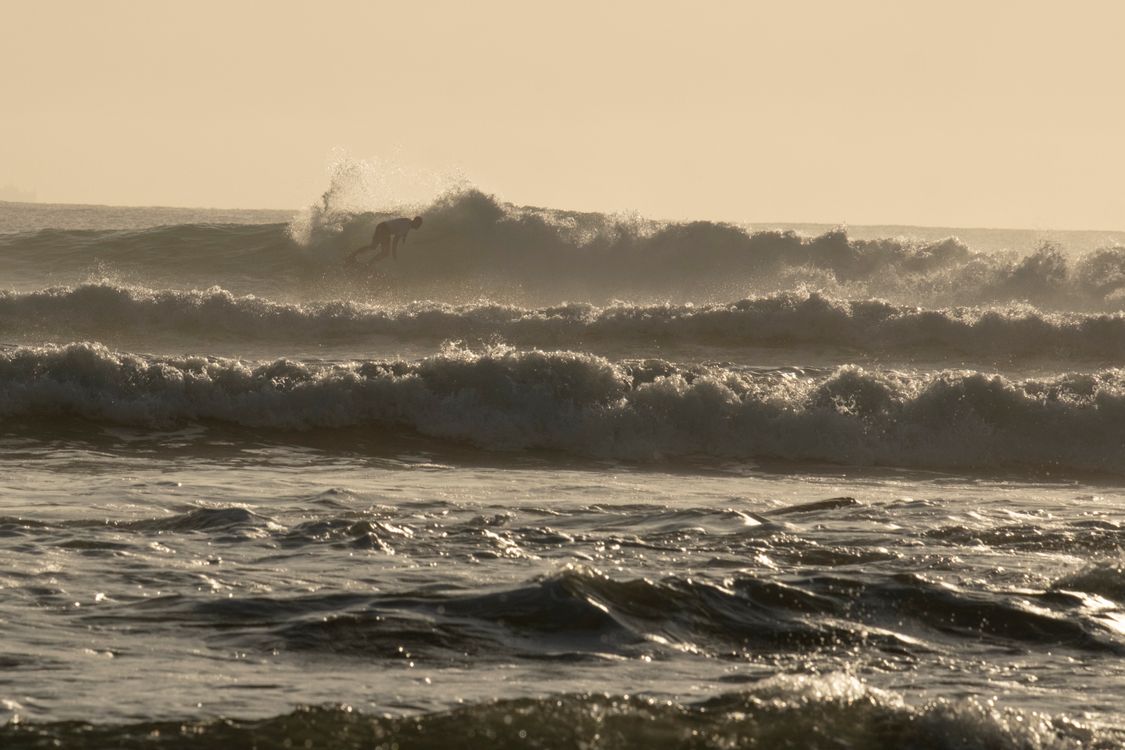
Tulum’s Caribbean coast offers a wealth of water and nature experiences that go far beyond turtle watching. The Caribbean Sea here is not a surf destination—the reef system keeps waves gentle and waters calm—making it perfect for a completely different kind of aquatic adventure.
Snorkelling the Mesoamerican Reef
The Mesoamerican Barrier Reef, the second largest coral reef system in the world, runs just offshore from Tulum. Snorkel and dive tours departing from the Zona Hotelera take you to vibrant coral gardens teeming with parrotfish, angelfish, moray eels, rays, and nurse sharks. The visibility in these Caribbean waters regularly exceeds 20 metres, making every snorkel session feel like swimming in an aquarium. Our team recommends combining a morning reef snorkel with an afternoon cenote visit for the ultimate Tulum water day.
Cenote Diving and Snorkelling
No visit to Tulum is complete without exploring at least one cenote—the freshwater sinkholes that punch through the limestone peninsula and connect to one of the world’s most extensive underwater cave systems. Gran Cenote, just 5 kilometres west of Tulum Pueblo, is the most accessible and beloved: crystalline turquoise water, stalactite formations, resident turtles, and schools of tiny fish make it magical even on a busy day. For something slightly wilder, Dos Ojos cenote (15 minutes south) offers twin cavern pools and an optional cave-snorkel experience through underwater tunnels lit by shafts of filtered sunlight.
Other cenotes worth visiting near Tulum include:
- Cenote Azul — a wide open-sky cenote popular with families, with a natural rope swing
- Jardín del Edén — surrounded by jungle vegetation, calm and relatively uncrowded in the mornings
- Casa Cenote (Tankah Tres) — a mangrove-fringed cenote that opens directly onto the Caribbean, offering an extraordinary mix of fresh and salt water
Paddleboarding and Kayaking in the Zona Hotelera
The calm, clear waters fronting Playa Paraíso and the southern Zona Hotelera are ideal for stand-up paddleboarding and kayaking. Several beach clubs and rental outfits along the hotel zone beach road offer hourly rentals. Paddling south along the coast toward the Sian Ka’an reserve boundary gives you spectacular views of the undeveloped coastline, mangrove fringes, and the occasional pelican gliding overhead. We found the early morning hours (7–9 am) to be the most serene time to paddle, with glassy-flat water and few other people about.
Tulum’s Mayan Ruins: The Ultimate Beach-and-Culture Combo
One of Tulum’s most unique features is that its ancient Mayan ruins sit directly atop a clifftop overlooking the Caribbean Sea. Playa Ruinas—the small beach directly below the castle pyramid (El Castillo)—is one of the most dramatically situated swimming spots in the world. After touring the ruins in the morning (arrive before 8 am to beat the crowds), you can descend the wooden staircase to the beach and cool off in the turquoise water with the ancient city looming above you. This combination of archaeology and Caribbean coast in a single morning is something genuinely unique to Tulum among Mexico’s beach destinations.
Sian Ka’an Biosphere Reserve
Immediately south of Playa Paraíso, the pavement ends and the Sian Ka’an UNESCO biosphere reserve begins. This vast protected area of mangroves, lagoons, tropical forest, and Caribbean coastline covers over 500,000 hectares and is home to jaguars, manatees, dolphins, crocodiles, and hundreds of bird species. Boat tours from the reserve entrance at Boca Paila take you floating through ancient Mayan canal systems into a series of turquoise lagoons where you can drift on the current and snorkel over coral heads. If you only do one nature excursion from Tulum, make it Sian Ka’an.
Practical Information for Visiting Playa Paraíso
Best Time to Visit
Tulum’s Caribbean coast is genuinely beautiful year-round, but each season has its character:
- December–April (dry season) — The most popular period. Clear skies, calm seas, low humidity. Peak crowds and highest prices, especially December–January and Semana Santa (Holy Week)
- May–July (early rainy season) — Sea turtle nesting begins. Shorter afternoon showers, still mostly sunny. Excellent value and fewer tourists
- August–October (rainy/hurricane season) — Peak turtle nesting and hatchling releases. Occasional sargassum seaweed on some beaches. Best rates of the year
- November — Transition month. Weather improving, hatchling season winding down, whale sharks sometimes visible offshore. Good all-round value
Getting There
Playa Paraíso is easy to reach from Tulum Pueblo:
- Bicycle — The Zona Hotelera beach road is flat and scenic. Bike rental in Tulum Pueblo costs around 100–150 MXN per day. Ride time: 20–30 minutes
- Taxi — Fixed-rate taxis from the town centre to the southern Zona Hotelera cost approximately 100–150 MXN
- Scooter rental — Popular with longer-stay visitors. Several rental shops on Avenida Tulum in the Pueblo
- From Cancun — ADO buses depart Cancun’s bus terminal for Tulum Pueblo every 1–2 hours (journey: ~2 hours, cost: ~250 MXN). Taxis or bikes from there to the beach
Where to Eat Near Playa Paraíso
The Zona Hotelera has an excellent range of dining options, from beachfront cocktail clubs to proper restaurants:
- Beach club restaurants — Most of the established beach clubs (Papaya Playa Project, Ahau, Nomade) serve food ranging from fresh ceviche and tacos to full tasting menus. Expect to spend more here than in town, but the setting compensates
- Tulum Pueblo taco stands — For budget eating, the town centre on Avenida Satellite has excellent local taco spots and cochinita pibil vendors. The night market area near El Camello is particularly good for affordable, authentic food
- Aldea Zama restaurants — The Aldea Zama neighbourhood between town and the hotel zone has a cluster of mid-range restaurants with a strong vegan and organic focus, reflecting Tulum’s wellness culture
Day Trips from Playa Paraíso
Tulum’s location on the Riviera Maya makes it a superb base for day trips:
- Cobá ruins (45 minutes) — The only major Mayan site where you can still climb a pyramid. Set in dense jungle with howler monkeys in the canopy overhead
- Playa del Carmen (45 minutes north) — The buzzing pedestrian strip of Quinta Avenida, shopping, and a livelier beach scene
- Chichén Itzá (2.5 hours) — The most famous Mayan site in Mexico. Best visited with an early-departure tour to arrive before the heat and crowds
- Bacalar Lagoon (3 hours south) — The “Lake of Seven Colours”: a series of freshwater lagoons in shades of turquoise that rival anything in the Caribbean. An overnight stay is recommended
Accommodation Options Near Playa Paraíso
Tulum’s Zona Hotelera is famous for its eco-chic boutique hotels and glamping-style properties set among the palms. Options range from genuine budget guesthouses to some of Mexico’s most stylish design hotels:
- Zona Hotelera boutique hotels — Properties like Nomade, Azulik, and Amansala cater to the wellness and design crowd. Rates run high but the aesthetic is genuinely unique
- Tulum Pueblo guesthouses — The town centre has a growing number of comfortable, affordable guesthouses and small hotels within biking distance of the beach. Our team recommends this option for budget-conscious travelers who want to eat well in town
- Aldea Zama — The jungle residential neighbourhood between town and coast offers mid-range boutique hotels and vacation rentals in a quieter, more residential atmosphere
Our Final Verdict on Playa Paraíso and Tulum’s Caribbean Coast
Playa Paraíso lives up to its name. As the crown jewel of Tulum’s Zona Hotelera, it offers the kind of Caribbean beauty—white sand, turquoise water, swaying palms—that fills travel magazines, combined with genuine ecological significance as a sea turtle nesting site. The combination of turtle conservation experiences, cenote snorkelling, Mayan ruins, Sian Ka’an wilderness, and the broader Riviera Maya day-trip circuit makes Tulum one of the most layered and rewarding beach destinations in all of Mexico.
Travelers tell us that what surprises them most about Tulum is how much there is to do beyond simply lying on the beach. From swimming with turtles at Akumal to drifting through mangrove lagoons in Sian Ka’an to watching the sun rise over El Castillo from Playa Ruinas, each day here feels genuinely different. We recommend at least 4–5 days to begin doing the destination justice.
Ready to experience the Caribbean magic of Tulum? Browse our curated Tulum tours and let our local team build the perfect itinerary for you.
auto_awesome Continue exploring Tulum
You Might Also Like
 article Aventuras calendar_today Jan 20, 2026
 Tulum Beach: Your Complete Guide to the Zona Hotelera and Beyond
Stretching over ten kilometers of powdery white sand and turquoise Caribbean water, Tulum’s coastline is one of the most
 calendar_today Apr 23, 2026
 Tulum Water Conditions by Month: Sea, Wind, Cenotes & Crowds
Generic 'best time to visit' guides don't cut it for water lovers. This one is purely for swimmers, snorkellers, divers,
 calendar_today Apr 20, 2026
 Gran Cenote vs Tulum Beach: Which Water Experience Is Right for You?
Gran Cenote and Tulum's Zona Hotelera are fifteen minutes apart by bike. The water is completely different. This guide i