Best Beaches in Tulum: Complete Guide to All 15 Beach Areas
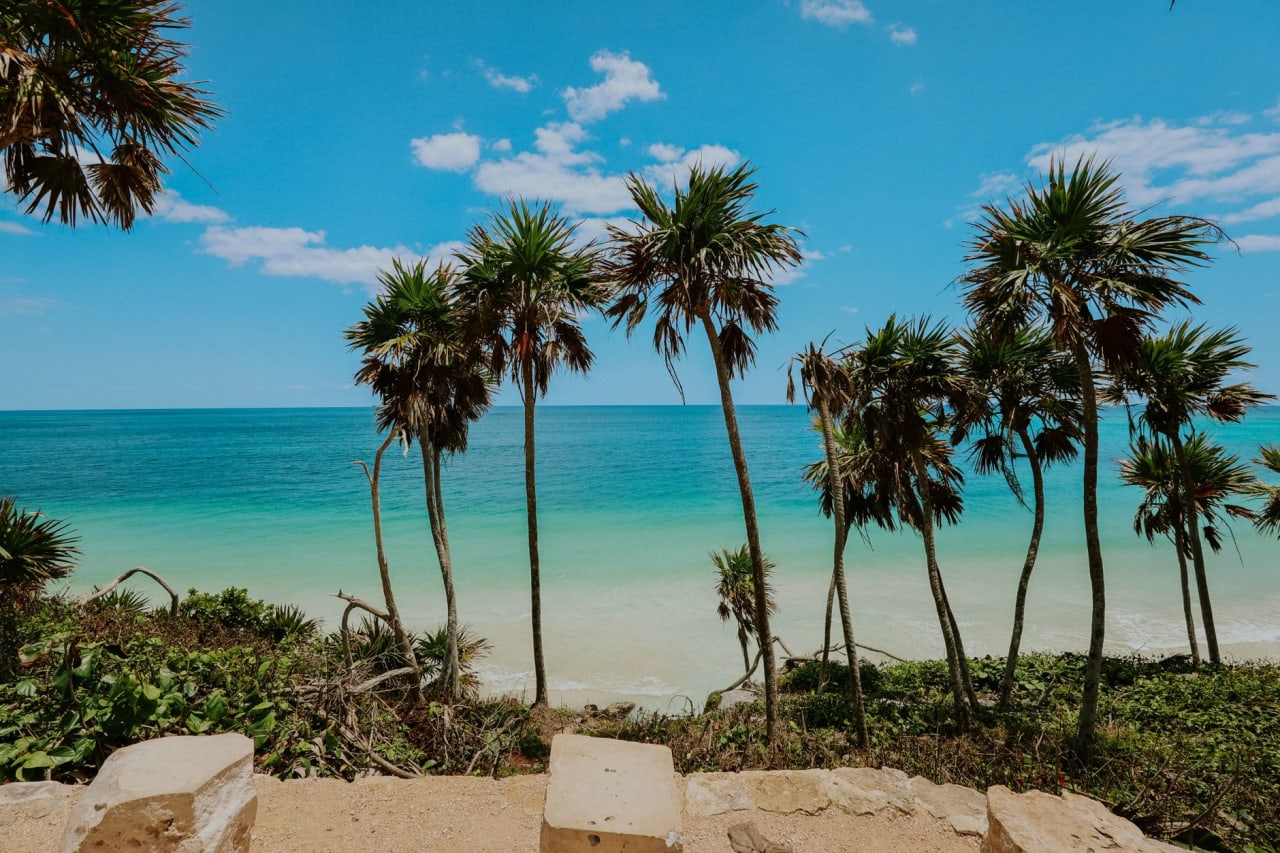
Tulum’s Caribbean coastline is one of the most visually striking in all of Mexico — warm turquoise water, white powder sand, and ancient Mayan ruins perched on limestone cliffs above the sea. Unlike the Pacific coast, the Caribbean here is calm, clear, and reef-protected, making it ideal for swimming, snorkeling, and simply floating in some of the most beautiful water on the planet. Our DestinosMX team has explored every stretch of sand between the Zona Hotelera and the Sian Ka’an biosphere reserve, and this guide covers all 15 beach areas you need to know.

Overview: Tulum’s Beach Diversity
Tulum’s beaches divide into distinct zones shaped by geography, ecology, and development style. The Zona Hotelera — the hotel strip running roughly 10 km along the coast — hosts most of the beach clubs, boutique hotels, and cenote-side restaurants. At the northern end, the Mayan archaeological site of Tulum crowns a cliff above the sea, offering arguably the most photographed beach backdrop in Mexico. Heading south, the beach clubs thin out and the shores grow wilder until you reach the protected wetlands of Sian Ka’an UNESCO Biosphere Reserve.
The Caribbean Sea here is characteristically gentle — no powerful surf, no rip currents to fear, just turquoise warm water over coral sand. Visibility underwater is exceptional, and the barrier reef running offshore keeps waves small year-round. According to CONANP, Sian Ka’an protects more than 500,000 hectares of tropical forest, mangrove, and marine ecosystems directly south of Tulum’s beach zone.
Beach Areas at a Glance
| Zone | Beach Areas | Best For | Accessibility |
|---|---|---|---|
| Archaeological Zone | Playa Ruinas, Playa San Juan | Snorkeling, iconic views, history | Entry fee, short walk from ruins |
| North Zona Hotelera | Playa Pescadores, Playa Las Palmas, Playa Punta Piedra | Beach clubs, swimming, dining | Easy vehicle or bicycle access |
| Central Zona Hotelera | Playa Paraíso, Playa Xcacel | Families, snorkeling, calm water | Public access points along Carretera Boca Paila |
| South Zona Hotelera | Playa Sac-Be, Playa Punta Piedras | Solitude, eco-lodges, sunsets | Vehicle recommended |
| Sian Ka’an Edge | Playa Boca Paila, Playa Chen Chen, Playa Punta Allen approach | Wildlife, remote nature, kayaking | 4WD or organized tour |
The Archaeological Zone Beaches
1. Playa Ruinas (Ruins Beach)
Playa Ruinas is Tulum’s most iconic beach, and for good reason: it sits directly beneath the ancient Mayan walled city, with limestone cliffs and crumbling temples forming one of the most dramatic backdrops of any beach in the Americas. The cove is small and sheltered, the water an almost electric shade of turquoise, and the snorkeling around the rocky outcrops is surprisingly good for a beach with such heavy foot traffic.
Access is through the archaeological zone — you pay the site entrance fee, walk through the ruins, and descend a wooden staircase to the sand. The beach is narrow and can get crowded midday, so we strongly recommend arriving when the site opens at 8 AM for the calmest water and fewest visitors. Afternoon light turns the ruins golden and the water a deeper blue — stunning for photography, though the beach will be at its busiest.
Tip: Bring snorkel gear. The rocky points on both sides of the cove harbor parrotfish, sergeant majors, and the occasional sea turtle drifting through.
2. Playa San Juan
Just north of the archaeological zone, Playa San Juan offers a quieter entry point to Tulum’s northern coastline. This stretch is less developed than the main Zona Hotelera but still easily accessible by road. A handful of small restaurants and palapa-shaded spots make it a good choice for a low-key beach day. The water here is equally calm and clear, with a gradual sandy bottom ideal for swimming.
North Zona Hotelera: Beach Clubs and Cenote Swims
3. Playa Pescadores
Playa Pescadores — Fishermen’s Beach — sits near the northern entrance of the Zona Hotelera and retains more of a local character than the boutique-hotel-heavy stretches further south. Small fishing boats still launch here at dawn, and you can buy the day’s catch directly from the fishermen. The beach is wide, the shade plentiful under coconut palms, and the water every bit as inviting as the beach clubs charging three times more down the road.
This is one of our team’s favorite spots for an unhurried morning — coffee from a nearby stand, a walk along the waterline, and a swim before the crowds arrive. Morning hours bring the clearest water and the best chance to spot rays gliding through the shallows.
4. Playa Las Palmas
One of the most accessible beaches in the northern Zona Hotelera, Playa Las Palmas is flanked by several well-regarded beach clubs and boutique hotels. Sunbeds, cocktails, and fresh ceviche are all available without needing a reservation at most spots. The reef offshore keeps the water genuinely calm and flat — this is a swimming and floating beach, not a wave-chasing beach, and that’s precisely the appeal.
Several cenote tours depart near this stretch of the Zona Hotelera, making it easy to combine a morning cenote swim with an afternoon on the beach — a classic Tulum day.

5. Playa Punta Piedra
Playa Punta Piedra marks a natural rocky point along the northern Zona Hotelera where the shoreline jogs slightly westward. The rocky outcrops here are excellent for snorkeling — schools of blue tang and angelfish congregate around the coral-encrusted boulders. The beach on either side is soft white sand with easy entry into shallow water. A few eco-friendly boutique hotels occupy this stretch, many with open access for day visitors at their beach clubs.
Central Zona Hotelera: The Heart of Tulum Beach Life
6. Playa Paraíso
If you ask most travelers which Tulum beach impressed them most, Playa Paraíso is the answer you’ll hear again and again. And the name — Paradise Beach — is not hyperbole. The water here achieves a turquoise so vivid it looks digitally enhanced in photographs, and the white sand is powdery fine underfoot. The beach is wide enough that even during high season you can find a peaceful spot away from the beach club scene.
Several celebrated beach clubs anchor this stretch, ranging from barefoot-chic palapas serving fresh fish tacos to more glamorous venues with DJ sets and designer cocktails. Our team recommends arriving early to stake a spot — by 11 AM on weekends, the most popular areas fill up. The water is waist-deep for a long distance offshore, making it perfect for children and anyone who just wants to wade and float in that extraordinary color.
Consider joining a snorkeling tour departing from this area to explore the barrier reef just offshore, where visibility regularly exceeds 20 meters.
7. Playa Xcacel
Playa Xcacel is one of the most ecologically significant beaches in the Riviera Maya — a protected sea turtle nesting beach managed by conservation authorities. It sits roughly midway down the Zona Hotelera and is deliberately kept free of large development. The beach is stunning in a wilder, more natural way than the groomed beach-club stretches to the north: dense vegetation crowds the dunes, turtle nesting markers dot the sand during summer and fall, and the water is calm and clear.
A freshwater cenote empties directly onto the beach here, creating a fascinating mix of fresh and salt water and an unusual microecosystem. Swimming is excellent. If you visit between May and October, you may witness sea turtle nesting or hatchling releases coordinated by the on-site conservation team — a genuinely unforgettable experience.
Learn more about turtle experiences near Tulum and how to participate respectfully in conservation efforts.
South Zona Hotelera: Eco-Lodges and Quieter Shores
8. Playa Sac-Be
Named for the ancient Mayan white stone roads (sac-be means “white road”), this beach area corresponds to the quiet southern stretch of the Zona Hotelera where eco-lodges and yoga retreats outnumber nightclubs by a wide margin. The pace slows here considerably — bicycles outnumber cars, restaurants serve organic food and fresh juices, and the general atmosphere trends toward wellness and contemplation rather than party and spectacle.
The beach itself is pristine and relatively uncrowded. Driftwood and sea grass wash up naturally — this is not a raked, manicured beach, and that naturalness is exactly the appeal. The water is shallow and calm, ideal for early-morning yoga-on-the-beach-then-swim combinations that Tulum has made famous worldwide.
9. Playa Punta Piedras (South)
Not to be confused with the northern Punta Piedra, this southern rocky-point beach offers excellent snorkeling in a genuinely uncrowded setting. A handful of eco-chic hotels occupy the beachfront, but public access points exist along the road. The underwater landscape here includes healthy coral formations and an unusually diverse fish population — moray eels, trumpetfish, and the odd spotted eagle ray are regular sightings for snorkelers willing to venture beyond the shallows.

Sian Ka’an Edge: Wild Beaches and Biosphere Reserve
10. Playa Boca Paila
Boca Paila sits at the biological transition point where the Zona Hotelera ends and the Sian Ka’an Biosphere Reserve begins. The road narrows to a dirt track, the development evaporates, and the landscape shifts to low jungle scrub and open lagoons. The beach here is wide, white, and utterly wild — no sunbeds, no cocktail service, no WiFi. Just Caribbean water, trade winds, and the cries of frigate birds overhead.
The boca — the mouth — is where the Boca Paila lagoon meets the sea, creating a rich estuary habitat for crocodiles, manatees, and dozens of bird species. Swimming is possible on the ocean side, though the currents near the lagoon mouth require caution. This is primarily a nature-watching, photography, and long-walk destination.
Explore the Sian Ka’an biosphere tours departing from this area for incredible mangrove kayaking, birdwatching, and floating through ancient Mayan canals.
11. Playa Chen Chen
Deep inside the Sian Ka’an buffer zone, Playa Chen Chen rewards those who make the journey with total solitude on a pristine Caribbean beach. Access requires either a 4WD vehicle on rough dirt roads or an organized boat tour from Boca Paila. No services exist along this stretch — bring everything you need including water, food, and sun protection.
The snorkeling off the rocky points here is exceptional, with minimal human impact allowing marine life to thrive undisturbed. Sea turtles feed in the turtle-grass beds just offshore, and with patience and quiet movement you can observe them from the water. Never chase or touch sea turtles — observe from a respectful distance and let them go about their lives.
12. Playa Punta Allen Approach
The road to Punta Allen — a remote fishing village at the tip of the Sian Ka’an peninsula — passes several unnamed beach access points where the Caribbean laps against untouched sand backed by coconut palms. The journey takes around 2.5 hours by 4WD from Tulum town, but travelers who make it describe the beaches as among the most beautiful and deserted in Mexico.
Punta Allen itself has a small community of local fishermen and a handful of simple guesthouses. Fly-fishing for bonefish and permit in the lagoon flats is world-class. The ocean beaches nearby offer snorkeling, swimming, and birding in a setting completely free of commercial tourism infrastructure.
Nearby Cenotes: Tulum’s Other “Beaches”
No guide to Tulum’s swimming spots would be complete without mentioning the cenotes — the freshwater sinkholes that are arguably the destination’s most distinctive natural feature. These are not beaches in the traditional sense, but they offer swimming experiences unlike anything else in the world: crystal-clear freshwater fed by underground rivers, ancient stalactites overhead, and the magical light that pours through jungle openings above the water.
13. Gran Cenote
The most accessible and most famous of Tulum’s cenotes, Gran Cenote sits just 3 km from Tulum Pueblo on the road to Cobá. The open cavern system is partially roofed and partially open-air, with water so clear you can see every detail of the limestone formations 10 meters below the surface. Turtles live in the cenote year-round — swimming alongside them is one of the most reliably magical experiences in the Riviera Maya.
Arrive before 9 AM to beat the tour groups. Biodegradable sunscreen only — the cenote ecosystem is fragile and the rules are enforced.
14. Dos Ojos & Jardín del Edén
Dos Ojos (Two Eyes) is one of the world’s longest explored underwater cave systems, with two large open chambers connected by narrow passages. Snorkeling is allowed in the main caverns; certified cave divers can explore further into the cave network. The visibility is staggering — often exceeding 100 meters in the clearest conditions.
Nearby Jardín del Edén (Garden of Eden, also called Ponderosa) offers a larger open cenote with brilliant turquoise water, rope swings, and easy access. Both cenotes sit along Highway 307 between Tulum and Playa del Carmen, making them easy to combine with a beach day.
15. Casa Cenote & Cenote Azul
Casa Cenote is unique for its direct connection to the ocean — the freshwater system meets the sea here, creating a brackish mixing zone where freshwater fish and saltwater species coexist in the same frame. It’s a 10-minute drive north of the Zona Hotelera and frequently less crowded than the cenotes closer to town.
Cenote Azul, near Bacalar (about 3 hours south), deserves a dedicated day trip mention — a massive open cenote with vivid blue water and cliff jumping platforms that offers a completely different energy from Tulum’s more intimate cave systems.
Join a cenote snorkeling tour to visit multiple cenotes in a single day with transport, guides, and all equipment included — the best way to experience these remarkable natural pools.
Beach Safety and Practical Tips
Understanding Caribbean Conditions
Tulum’s Caribbean beaches are genuinely calm compared to Pacific surf destinations — the barrier reef running offshore absorbs most wave energy, and rip currents are rare along the main Zona Hotelera. That said, a few practical safety notes apply. Near the Sian Ka’an lagoon mouths, currents can be unpredictable — swim in open-ocean areas rather than near river or lagoon outlets. During hurricane season (June–November), swells occasionally push through after Atlantic storms and temporarily roughen the water.
Most importantly: use reef-safe sunscreen only. Oxybenzone and octinoxate — chemicals in many standard sunscreens — are banned in Quintana Roo and damage the coral reef. This rule is enforced at cenotes and increasingly at beach clubs throughout the Zona Hotelera. Bring mineral sunscreen or buy it locally.
What to Bring
- Sun Protection: Mineral (reef-safe) SPF 50+ sunscreen, hat, UV rash guard, polarized sunglasses
- Hydration: Reusable water bottle — Tulum heat and humidity cause rapid dehydration, especially on bikes or long walks
- Snorkel Gear: Bringing your own mask and fins ensures a proper fit; most rental gear is low quality
- Cash: Many beach palapas and cenote entry points are cash-only; ATMs in the Zona Hotelera charge high fees
- Insect Repellent: Mosquitoes and sand flies emerge at dusk near mangrove areas — essential if you’re staying for sunset
- Waterproof Bag: Protect your phone and valuables — even calm Caribbean water is unpredictable around boat traffic
- Biodegradable Wipes: Some remote beaches have no facilities — plan accordingly
Best Times to Visit Each Beach Type
| Beach Type | Best Season | Ideal Time of Day | Notes |
|---|---|---|---|
| Archaeological Zone (Playa Ruinas) | Nov–Apr (dry season) | 8–10 AM (site opening) | Beat tour groups; best light for photos |
| Beach Clubs (Paraíso, Las Palmas) | Year-round | 10 AM–3 PM | Reserve ahead Dec–Jan and Easter week |
| Turtle Beaches (Xcacel) | May–Oct (nesting season) | Evening (organized tours) | Join authorized conservation programs only |
| Wild/Remote (Boca Paila, Sian Ka’an) | Nov–May (dry roads) | Morning (cooler temps) | 4WD or organized tour recommended |
| Cenotes | Year-round | 7–9 AM (before crowds) | Biodegradable sunscreen mandatory |
Seasonal Considerations
Tulum’s weather divides cleanly into dry season (November through April) and rainy season (May through October). Dry season brings reliably sunny skies, calm seas, and the clearest water for snorkeling and diving. December through February is peak tourist season — the Zona Hotelera fills up, beach club prices rise, and reservations become essential. Water temperatures hover around 26–28°C year-round, so there is genuinely no bad time to swim.
Rainy season brings afternoon thunderstorms (usually brief and dramatic rather than all-day), lush green jungle, reduced crowds, and meaningfully lower prices across the board. The beaches are just as beautiful — sometimes more so, with dramatic storm light and empty sand. Hurricane season peaks in September and October; most storms miss Tulum, but it’s worth monitoring forecasts if you travel during those months.
Sea turtle nesting runs May through October on protected beaches like Xcacel. Whale sharks aggregate offshore between June and September, and tours depart from nearby Cancun and Isla Mujeres. Akumal, just 30 minutes north of Tulum, has resident sea turtles in the water year-round — a reliable day trip for anyone who wants to swim with them.
Local Insight: A Day Beach-Hopping in Tulum
Valentina, a Mexico City travel writer who visits Tulum every year, shared her ideal beach-hopping day with our team: “I start at Gran Cenote at 8 AM — the light through the opening is magical at that hour and the turtles are active before the crowds arrive. By 10 AM I’m on my bicycle heading south through the Zona Hotelera to Playa Paraíso for a swim and breakfast at one of the palapas on the beach. The water there still takes my breath away every single time — that color just doesn’t seem real. In the afternoon I head down to the Playa Ruinas area and climb up through the archaeological site to watch the late-day light turn the temples golden above the sea. I always end the day at a beach club in the Sac-Be area with a mezcal sour watching the sun go down over the jungle behind the hotel zone. Tulum rewards people who move slowly and don’t try to do everything in one place.”
Getting Between Beaches
The main Zona Hotelera beaches are connected by Carretera Boca Paila, the coastal road running the full length of the hotel strip. Bicycle rental is the most popular way to explore — the flat road is perfect for cycling, and most hotels and several rental shops in Tulum Pueblo offer bikes by the day. Taxis connect the Pueblo (town center) to the Zona Hotelera easily; the ride takes 10–15 minutes and costs around 100–150 MXN.
For the archaeological zone beaches, the most efficient approach is joining a combined ruins and cenote tour that handles all transport and entry fees. The Sian Ka’an beaches require either a 4WD vehicle rental or an organized tour — the road beyond Boca Paila is unpaved and can be flooded during rainy season. Colectivos (shared vans) run along Highway 307 connecting Tulum Pueblo to Playa del Carmen and Cancun, making Akumal (sea turtle swimming, 30 min north) an easy and affordable day trip.
Frequently Asked Questions
Which Tulum beach is best for families with young children?
The shallow, calm Caribbean water is gentle enough for children at almost every beach in the Zona Hotelera. Playa Paraíso and Playa Las Palmas are particularly good choices because the water stays waist-deep for a long distance and beach clubs have shade, food, and restrooms nearby. Always supervise children near any rocky outcrops where currents can be slightly stronger.

Is Tulum good for snorkeling?
Absolutely — it’s one of the best snorkeling destinations in Mexico. The barrier reef offshore from the Zona Hotelera supports healthy coral and abundant fish. The rocky points at Playa Ruinas and Punta Piedra are excellent entry-level snorkeling spots accessible directly from the beach. For more ambitious reef snorkeling, we recommend joining a guided snorkeling tour that takes you to the best sites with equipment and expert guidance.
Can I swim in the cenotes?
Yes — cenote swimming is one of the signature Tulum experiences. Gran Cenote, Dos Ojos, Jardín del Edén, and Casa Cenote all have designated swimming areas. Rules are strict: biodegradable sunscreen only, no regular sunscreen or insect repellent in the water, and always follow the instructions of the site staff. The water is cool (around 24°C) and extremely clear.
Are there waves for surfing in Tulum?
Tulum is not a surf destination. The Caribbean Sea produces small, gentle waves — the barrier reef absorbs most swell energy before it reaches the beaches. Travelers looking for waves should head to the Atlantic-facing beaches of the Yucatán’s northern coast, or travel to the Pacific coast. Tulum attracts snorkelers, divers, yoga practitioners, and people seeking Caribbean calm, not surfers chasing swells.
When is turtle nesting season and can visitors participate?
Sea turtles nest on protected Tulum beaches primarily from May through October. Playa Xcacel is the most important and accessible nesting beach in the area, managed by conservation authorities who run organized hatchling release programs. Akumal (30 minutes north) has resident sea turtles in the water year-round. Never approach nesting turtles independently or disturb marked nests — always participate through authorized programs.
How do I get from Tulum Pueblo to the beach?
Tulum Pueblo (the town) sits about 3–4 km inland from the beach strip. Options include: bicycle rental (flat road, 15–20 minutes); taxi (10–15 min, 80–150 MXN); colectivo from the town center toward the Zona Hotelera; or scooter rental for full-day flexibility. Most beach clubs and tour operators can arrange transport from your hotel.
Conclusion
Tulum’s Caribbean coastline is one of the great beach destinations of the Americas — not because of surf or nightlife, but because of the particular quality of the water, the extraordinary Mayan ruins above the sea, the cenote swimming that exists nowhere else on earth, and the way the whole place balances natural wonder with a genuinely vibrant travel culture. From the iconic view at Playa Ruinas to the wild solitude of Boca Paila and the crystalline underground worlds of Gran Cenote and Dos Ojos, the 15 beach and swimming areas covered in this guide offer a coastal journey with no real equivalent anywhere else in Mexico. Respect the reef, use reef-safe sunscreen, follow turtle conservation guidelines, and take the time to explore beyond the main beach club strip — the best of Tulum rewards curiosity and a willingness to go a little further down the road.

Disclaimer: Information may change; please confirm schedules, regulations, and availability before visiting. For legal, environmental, or safety matters, consult local authorities or official sources. For reservations and current tour information, visit our Tulum tours page.
Follow us for daily updates, cenote reports, and Tulum inspiration:
- Facebook: facebook.com/destinosmx
- Instagram: @tulum_mx
- TikTok: @tulum_pmx
auto_awesome Continue exploring Tulum
You Might Also Like
 article Surf calendar_today Dec 22, 2025
 Playa Paraíso Tulum: Your Complete Guide to Sea Turtle Encounters & Caribbean Adventures
Playa Paraíso stretches along Tulum’s Zona Hotelera as one of the Caribbean coast’s most breathtaking and accessible bea
 article Adventures calendar_today Dec 19, 2025
 Tulum Beach Safety Guide: Where to Swim Safely
Tulum's stunning Caribbean coastline draws thousands of visitors every year with its powdery white sand, crystal-clear t
article Adventures calendar_today Dec 17, 2025 Best Sunset Beaches in Tulum: Where to Watch the Sky Paint the Ocean
Tulum’s Caribbean coastline transforms into a natural theater every evening, where turquoise waters meet one of Mexico’s