Tulum Hurricane Season: What Travelers Should Know
Planning a trip to Tulum means understanding the Caribbean weather patterns that shape this stunning Riviera Maya destination. While hurricane season is a real consideration on Mexico’s Caribbean coast, Tulum’s travel calendar remains appealing year-round. This comprehensive guide will help you understand what to expect, how to prepare, and why the so-called “rainy season” might actually be the perfect time for your adventure.

Understanding Tulum’s Hurricane Season
The official Atlantic hurricane season runs from June 1st through November 30th, with peak activity typically occurring between August and October. Tulum sits on the Caribbean coast of Quintana Roo, roughly 130 km south of Cancun along the Riviera Maya corridor, which means it is in the direct path of Atlantic and Caribbean tropical systems—unlike Pacific coast destinations that face a separate weather pattern entirely.
That said, Tulum has geographic factors working in its favour. The Yucatan Peninsula’s flat, low-lying terrain means storms are not amplified by mountains, and many systems weaken or curve northward before reaching the southern Riviera Maya. According to data from INEGI, while the region has experienced significant hurricanes historically, direct catastrophic hits on Tulum itself are relatively infrequent. The infrastructure has improved enormously since hurricanes like Wilma (2005) reshaped the coastline.
What travelers often call “hurricane season” is more accurately described as the rainy season in Tulum. Rain typically arrives in short, intense afternoon bursts rather than days of continuous downpour. Morning skies are frequently clear and perfectly suited for cenote visits, ruins tours, and beach time, making this season far less restrictive than many visitors anticipate.
Monthly Weather Patterns During Hurricane Season
| Month | Weather Characteristics | Ocean Conditions | Travel Considerations |
|---|---|---|---|
| June | Beginning of rainy season, warm and humid | Calm, turquoise Caribbean waters | Excellent for cenotes and snorkelling on the reef |
| July | Increased humidity, afternoon showers | Gentle Caribbean swells, great visibility | Ideal for exploring Sian Ka’an and mangrove lagoons |
| August | Peak rainfall, lush jungle landscapes | Warm and clear between rain events | Perfect for Mayan ruins tours and cenote diving |
| September | Highest storm probability, dramatic skies | Variable; monitor conditions daily | Ideal for wildlife watching and inland adventures |
| October | Transition period, decreasing rainfall | Calming after storm season | Wonderful for all outdoor activities as crowds thin |
| November | End of rainy season, pleasant temperatures | Pristine and calm Caribbean seas | Peak season begins—perfect conditions across the board |
Safety and Preparedness Tips
While severe direct hurricane strikes on Tulum are not an everyday occurrence, being prepared ensures a safe and enjoyable visit regardless of what the weather brings. Local authorities and the tourism infrastructure are well-equipped to handle tropical weather, but travelers should take personal responsibility for their safety.
Before You Travel
- Purchase comprehensive travel insurance that covers weather-related cancellations and medical emergencies
- Monitor weather forecasts from reliable sources like the Mexican National Weather Service and the US National Hurricane Center
- Register with your embassy if traveling during peak hurricane season (August–October)
- Download offline maps of Tulum Pueblo, the Zona Hotelera, and surrounding cenote routes
- Save emergency contact numbers including local hospitals, your accommodation, and tour operators

The Mexican Ministry of Environment and Natural Resources provides updated weather alerts and environmental conditions that travelers should consult before and during their visit.
During Your Stay
- Stay informed by checking daily weather updates and heeding local warnings
- Follow guidance from your hotel staff and tour operators regarding safe activities
- Avoid ocean activities when red flags are posted or choppy conditions are present on the beach
- Keep important documents in waterproof bags or containers
- Charge electronic devices regularly in case of power outages
- Stock up on essentials like water and snacks if a storm is approaching
For water-based adventures like snorkelling the coral reef or cenote tours, experienced local guides constantly monitor conditions and will reschedule if safety is a concern. Their expertise ensures you experience Tulum’s Caribbean and freshwater wonders during optimal conditions.
Why Hurricane Season Can Be the Best Time to Visit
Contrary to popular belief, the rainy season offers unique advantages that make it an exceptional time to explore Tulum. Marco and Lisa, a couple from France, initially worried about their September visit but found it became their favourite vacation ever. “The Tulum Beach in the Zona Hotelera was nearly empty in the mornings, the jungle was incredibly green, and we had Gran Cenote practically to ourselves,” Lisa shared. “The afternoon rains were refreshing and the sunsets over the Caribbean were the most spectacular we’ve ever photographed.”
Advantages of Visiting During Hurricane Season
- Fewer crowds: The Zona Hotelera and cenotes are far quieter without peak-season masses
- Lush jungle landscapes: The vegetation surrounding Tulum’s ruins and eco-lodges bursts with deep green during the wet months
- Incredible wildlife: Bird watching in Sian Ka’an reaches peak season as migratory species move through the biosphere reserve
- Authentic experiences: Connect more deeply with local culture in Tulum Pueblo and La Veleta without the high-season rush
- Sea turtle season: Loggerhead and green sea turtles nest on Tulum’s beaches from May through October—witnessing a nest or a hatchling release is unforgettable
- Dramatic skies: Cloud formations and Caribbean sunset colors become absolutely breathtaking after afternoon showers
Activities like kayaking through the Sian Ka’an biosphere lagoons become even more magical during this season when water levels are high and wildlife activity intensifies. The UNESCO-protected reserve south of Tulum transforms into a lush ecosystem teeming with birds, manatees, crocodiles, and other fascinating creatures.
Activities and Tours During Hurricane Season
Tulum’s tour operators are experienced professionals who understand how to maximize your experience regardless of weather conditions. Many activities actually benefit from the rainy season’s unique characteristics.
Best Activities for Rainy Season
- Cenote tours: Gran Cenote, Dos Ojos, and Cenote Azul are most magical when morning light hits crystal-clear water without peak-season crowds. Our team recommends arriving right at opening time.
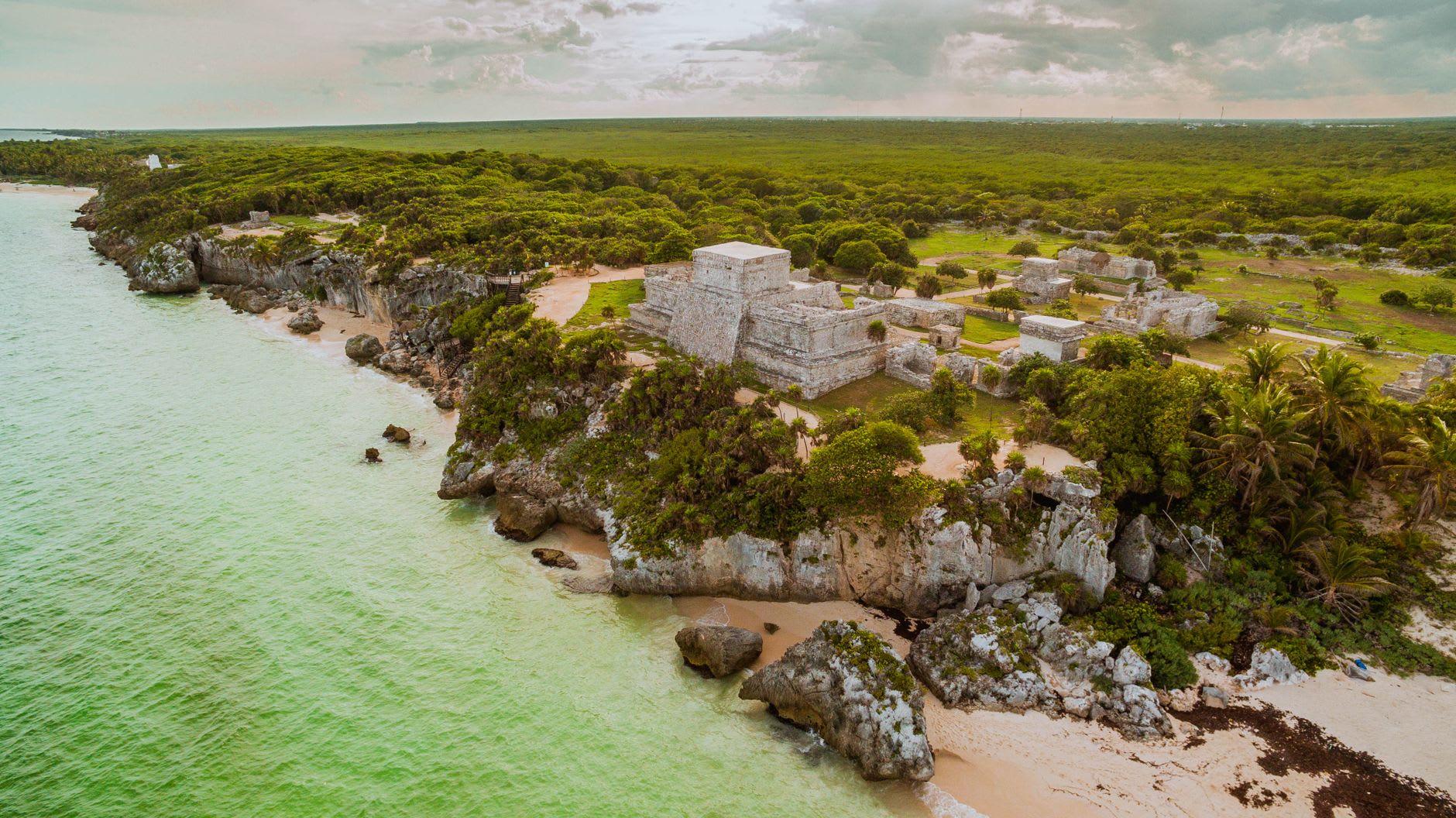
- Tulum Mayan ruins: The cliff-top Tulum ruins overlooking the turquoise Caribbean are dramatically photogenic against stormy skies—and the site is far less crowded between July and October
- Sea turtle experiences: Nesting season peaks during late summer, offering unforgettable conservation experiences on Tulum’s beaches
- Sian Ka’an lagoon tours: Higher water levels create perfect conditions for exploring the UNESCO biosphere reserve’s mangrove channels and floating rivers
- Wellness and yoga: Tulum’s world-famous wellness scene—jungle spas, sound baths, yoga retreats in Aldea Zama—is a perfect complement to rainy afternoon hours
- Cobá ruins day trip: The 45-minute drive inland to Cobá is ideal during rainy season when the jungle canopy is at its greenest and crowds are thinner

According to CONANP, Mexico’s National Commission of Natural Protected Areas, the rainy season enhances biodiversity viewing opportunities across the region’s protected ecosystems, making it an ideal time for nature enthusiasts visiting the Sian Ka’an biosphere reserve.
What to Pack for Hurricane Season
Smart packing makes all the difference when visiting during the rainy months. Focus on versatile, quick-drying items that can handle both Caribbean sunshine and sudden tropical showers.
Essential Items
- Quick-dry clothing and swimwear
- Lightweight rain jacket or poncho
- Waterproof bag for electronics and documents
- Sandals or water shoes with good grip (Tulum roads flood quickly)
- Sun protection (hat, sunglasses, reef-safe sunscreen—mandatory near the Mesoamerican Reef)
- Insect repellent with DEET (mosquitoes increase with humidity)
- Reusable water bottle
- Small umbrella for unexpected showers in Tulum Pueblo
- Dry bag for cenote and beach activities

Frequently Asked Questions
Has Tulum ever been hit by a major hurricane?
Yes—the Caribbean coast of Quintana Roo has experienced significant hurricanes, most notably Wilma in 2005 and Gilbert in 1988, which caused widespread damage along the Riviera Maya. That said, Tulum’s modern tourism infrastructure has been substantially rebuilt and reinforced since then. Direct catastrophic strikes are not annual events, and the destination has recovered impressively. Monitor forecasts closely during August and September, the peak months of Atlantic hurricane activity.
Should I cancel my trip if it’s during hurricane season?
There’s generally no need to cancel trips during hurricane season unless a specific storm is actively threatening the area. Most days during this period are perfectly suitable for travel, with rain arriving in short bursts during the afternoon. Monitor weather forecasts closely in the week before your trip, and trust that local infrastructure and tourism operators—who have decades of experience with tropical weather—are well-prepared to keep visitors safe.
What happens to tours if there’s bad weather?
Reputable tour operators prioritize safety above all else and constantly monitor weather and ocean conditions. If conditions become unsafe, tours will be rescheduled or refunded according to the operator’s policies. Many operators offer alternative activities during inclement weather—a rainy afternoon is perfect for a cenote tour in a sheltered cavern or a cooking class in Tulum Pueblo. Always book with established operators who maintain clear communication and flexible policies.
Is the Caribbean safe for swimming during hurricane season?
Ocean safety depends on daily conditions rather than the season itself. Always check for warning flags at beaches and ask lifeguards or locals about current conditions. Tulum Beach and Playa Paraíso in the Zona Hotelera typically have calm Caribbean water even during the rainy season, while Playa Ruinas (directly below the Mayan ruins) can have stronger current at certain times. Never enter the water when red flags are posted.
Will I see constant rain during my entire visit?
No. Even during peak rainy season months, Tulum typically experiences rain in short, intense afternoon or evening bursts rather than all-day downpours. Mornings are frequently sunny and clear, perfect for cenote visits, ruins tours, and beach time. Many visitors find the afternoon rain refreshing and appreciate how it cools the temperature and creates dramatic golden-hour light for photography along the Zona Hotelera.
Are flights and roads affected during hurricane season?

Regular flight operations continue normally during hurricane season. Cancun International Airport (the main gateway, about 130 km north of Tulum) handles tropical weather well, and Tulum’s new Felipe Carrillo Puerto International Airport further improves access. Highway 307, the main road connecting Cancun, Playa del Carmen, and Tulum, is well-maintained, though heavy rains can occasionally cause temporary localized flooding. Colectivos (shared vans) and ADO buses continue running throughout the season.
Conclusion
Understanding Tulum’s hurricane season empowers you to make informed travel decisions and enjoy this extraordinary Caribbean destination year-round. While the rainy months bring increased precipitation and the possibility of tropical weather, they also offer unique advantages: a lush jungle setting, dramatic Caribbean skies, sea turtle nesting on the beach, quieter cenotes, and authentic encounters with Tulum Pueblo life away from peak-season crowds. With proper preparation, flexibility, and awareness, hurricane season can actually provide some of the most memorable and rewarding travel experiences on Mexico’s Caribbean coast.
The key to a successful visit during this period is staying informed, booking with experienced local operators, and maintaining realistic expectations about weather patterns. Tulum’s natural beauty—from the cliff-top Mayan ruins to the turquoise cenotes and the white-sand beaches of the Zona Hotelera—shines through regardless of season, making it a destination worth visiting whenever you can.
Information may change; please confirm schedules, regulations, and availability before booking. For legal, environmental, or safety matters, consult local authorities or official sources. Visit our adventures page to explore all available tours and experiences.
Follow us for daily updates, travel tips, and stunning visuals from Tulum:
auto_awesome Continue exploring Tulum
You Might Also Like
 article Adventures calendar_today Nov 21, 2025
 Ultimate Tulum Travel Guide 2025: Everything You Need to Know
Tulum has transformed from a quiet Mayan coastal village into one of Mexico’s most captivating destinations, and 2025 is
 article Adventures calendar_today Jan 2, 2026
 Tulum Packing List: Essential Items for Your Caribbean Adventure
Packing for Tulum requires thoughtful preparation—this isn’t your typical all-inclusive resort destination. This eco-chi
 article Adventures calendar_today Dec 18, 2025
 Tulum Weather Guide: What to Expect in 2026
Planning your trip to Tulum for 2026? Understanding the weather patterns of this Caribbean paradise is essential for mak