
Tulum Luxury Travel Guide: Upscale Experiences on the Caribbean Coast
Why Tulum Has Become Mexico’s Premier Luxury Escape
There is a moment that every first-time visitor to Tulum remembers: standing at the edge of a Mayan cliff ruin with the turquoise Caribbean Sea glittering below, warm wind coming off the water, howler monkeys calling somewhere deep in the jungle behind you. It is the kind of scene that resists exaggeration. Tulum earns its reputation not through manufactured spectacle but through the extraordinary collision of ancient history, pristine Caribbean waters, and a wellness culture that has attracted some of the world’s most discerning travelers.
Located roughly 130 kilometres south of Cancun on the Quintana Roo coast, Tulum sits at the southern end of the Riviera Maya corridor. What was once a quiet fishing village has, over the past decade, grown into a destination that hosts eco-chic boutique hotels, Michelin-calibre jungle restaurants, rooftop mezcal bars, and some of the most photogenic cenotes on the planet. Our DestinosMX team has spent considerable time here, and this guide reflects what we have actually experienced, verified, and would recommend to a close friend.
Understanding Tulum’s Neighbourhoods
Tulum is not a single place so much as a collection of distinct zones, each with its own character. Knowing the layout before you arrive will shape every decision you make, from where to stay to how you spend your mornings.
Zona Hotelera (The Hotel Strip)
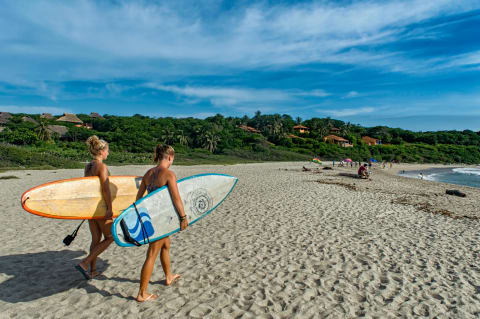
The Zona Hotelera is the coastal beach road that runs south from the Tulum ruins for about 10 kilometres. This is where the iconic eco-hotels, open-air beach clubs, and candlelit thatched-roof restaurants cluster. The beach here, sometimes called Tulum Beach, is broad and powdery, lapped by calm Caribbean water in shades of jade and turquoise. Properties along this strip range from mid-range boutique bungalows to ultra-exclusive adults-only sanctuaries with private plunge pools. Note that the road is unpaved in stretches and many properties rely on solar power — part of the charm, part of the trade-off. If you want sunrise yoga on a Caribbean beach followed by an organic breakfast sourced from local farms, the Zona Hotelera is your address.
Tulum Pueblo (Town Centre)
About three kilometres inland from the coast, Tulum Pueblo is the living, breathing town where locals work, eat, and gather. The main commercial strip runs along Avenida Tulum and the surrounding streets, lined with taco stands, pharmacies, mezcalerias, and an increasingly impressive roster of independent restaurants. The famous night market at El Camello draws both visitors and locals for grilled fish tacos and micheladas late into the evening. If your budget is tight or you simply want to eat like a local, Tulum Pueblo delivers far better value than the hotel zone without sacrificing quality.
Aldea Zama
Positioned between the town and the coast, Aldea Zama is a planned residential and boutique-commercial development that has attracted architects, wellness practitioners, and independent restaurant owners. The streets are quietly walkable, the landscaping lush, and the boutique density surprisingly high. This is where you find high-end yoga studios, artisan coffee roasters, raw-food cafés, and carefully curated design shops. For travelers who want a base that is neither the chaos of Pueblo nor the isolation of the hotel zone, Aldea Zama offers an appealing middle ground.
La Veleta and Sac-Be
La Veleta is emerging as Tulum’s artsy local neighbourhood, with independent galleries, casual bars, and a community feel that has so far resisted the Instagram polish of the hotel zone. Sac-Be, a quieter beach road further south, attracts travelers seeking near-solitude and access to the southern cenotes and the Sian Ka’an biosphere entrance.
Cenotes: The Crown Jewel of a Tulum Luxury Visit
No other natural attraction defines Tulum the way cenotes do. These freshwater sinkholes, formed by the collapse of limestone bedrock over vast underground rivers, are found throughout the Yucatan Peninsula — but the concentration around Tulum is particularly extraordinary. The water is cool, impossibly clear, and tinted with shades of turquoise and cobalt. Snorkelling or diving a cenote is one of those experiences that genuinely lives up to the hype.
Gran Cenote
The most visited and most photogenic cenote near Tulum, Gran Cenote sits about four kilometres west of Tulum Pueblo on the road toward Cobá. Stalactites hang above open chambers, freshwater turtles glide past snorkellers, and the light that filters through the surface creates cathedral-like beams in the water. We recommend arriving before 9 a.m. to beat the crowds. The site is well-managed, with changing rooms and snorkel rental available on site.
Dos Ojos
Beloved by divers and snorkellers alike, Dos Ojos (“Two Eyes”) is a cenote system with two connected pools and an extensive network of underwater caverns. The visibility stretches beyond 100 metres in the dry season. Our team considers Dos Ojos the single best snorkelling experience within easy reach of Tulum — the underwater cavern passages are genuinely otherworldly, with shafts of light illuminating the stalactite formations below. Guided cenote cave-diving tours depart from Tulum Pueblo for certified divers.
Jardín del Edén and Cenote Azul
About 30 minutes north of Tulum on Highway 307, Cenote Azul and Jardín del Edén are open-air cenotes popular with swimmers and snorkellers. Both are larger and more exposed to the sky than Dos Ojos, making them excellent for afternoon sun swimming. They attract a mix of local families and international visitors and tend to have a more relaxed, festive atmosphere than the more remote sites.
Casa Cenote
Near the Tankah area north of Tulum, Casa Cenote is a brackish mangrove cenote where freshwater meets the sea. It is remarkable for the density of wildlife — look for crocodiles on the mangrove banks, herons hunting in the shallows, and enormous tarpon lurking in the deeper channels. A guided kayak tour through Casa Cenote and its connecting mangrove maze is, in our opinion, one of the most underrated experiences in the entire Riviera Maya.
The Tulum Ruins: Cliff-Top History Above the Caribbean
The Tulum archaeological site is one of the few Mayan ruins positioned directly on a sea cliff, with the Caribbean visible in nearly every photograph. The site is smaller than Chichén Itzá or Cobá but what it lacks in scale it more than makes up for in drama. The main structure, El Castillo, rises above a sheer limestone drop with the turquoise sea behind it — an image that has made Tulum one of the most photographed archaeological sites in the Americas.
We recommend visiting at opening time (8 a.m.) to have the site relatively to yourself. The heat and crowds build significantly by mid-morning. A licensed guide, available at the entrance, will bring the site alive with context about Tulum’s role as a coastal trading post and astronomical observatory. After the ruins, a small path leads down to Playa Ruinas, a sheltered beach directly beneath the cliffs where you can swim in the shadow of the ancient city — one of the more surreal swimming experiences we have found anywhere in Mexico.
Sian Ka’an Biosphere Reserve: Luxury Meets Wilderness
South of the Zona Hotelera, the road eventually reaches the entrance to Sian Ka’an, a UNESCO World Heritage biosphere reserve encompassing over 500,000 hectares of tropical forest, mangrove lagoons, coastal dunes, and coral reef. The name means “origin of the sky” in Mayan, and on a clear morning on the lagoon, with roseate spoonbills rising from the mangroves and a sea breeze carrying the scent of salt and vegetation, that name makes complete sense.
Luxury tour operators now offer small-group Sian Ka’an experiences that include guided boat tours through the lagoon system, snorkelling on the fringing reef, visits to Mayan canal ruins inside the reserve, and curated lunches with local seafood prepared on the beach. Our team found these guided experiences to be the most immersive and responsible way to explore the reserve — the ecosystem is fragile, and knowledgeable guides make an enormous difference to both the quality of the experience and the protection of the wildlife.
Wildlife within Sian Ka’an includes jaguar, tapir, manatee, crocodile, flamingo, and several hundred bird species. While most visitors see birds, crocodiles, and marine life on a standard lagoon tour, the remoter areas of the reserve demand a specialist guide and considerably more time.
Sea Turtles at Akumal: A Private Encounter Worth the Drive
Approximately 30 minutes north of Tulum on Highway 307 sits Akumal Bay, one of the most reliable places in the world to swim with wild sea turtles. Green and loggerhead turtles graze on the seagrass beds year-round, often at depths of just one to three metres, making the encounter accessible to snorkellers of all abilities. The main public beach can become crowded, but several operators offer early-morning private guided tours that launch before the main gates open, giving you near-solitary access to the turtle habitat.
Our Tulum team strongly recommends booking a responsible operator who follows the wildlife protection guidelines: no touching, no flash photography, maintaining a two-metre distance. The turtles are wild animals and the encounter is most extraordinary when they are calm and unhurried.
Where to Eat: From Jungle Temples to Pueblo Tacos
Tulum’s restaurant scene is genuinely one of the most dynamic and surprising in Mexico, oscillating between world-class tasting menus delivered in open-air jungle settings and extraordinary value street food a few kilometres inland.
The Hotel Zone Dining Experience
The Zona Hotelera is home to a cluster of ambitious restaurants that have put Tulum on the global culinary map. Many occupy dramatic open-air structures — think thatched roofs, jungle canopy, and the sound of the Caribbean — with menus built around local ingredients: fresh Yucatan seafood, heritage corn varieties, wild greens, and regional chiles. The experience of dining barefoot at a candlelit table with the stars above and the sea nearby is genuinely romantic and, on the right evening, unforgettable. Reserve well in advance during high season (December to March).
Tulum Pueblo: Real Food, Real Prices
The night market at El Camello, running along the main strip of Tulum Pueblo most evenings, is our single strongest street-food recommendation in the entire destination. Grilled fish tacos, aguachile negro, cochinita pibil tortas, and freshly blended agua frescas compete for your attention at prices that seem impossible given the quality. Surrounding streets offer excellent cocina económica lunches and artisan mezcal bars that pour local Oaxacan and Durango spirits at prices far below the hotel zone.
Organic and Vegan Dining
Tulum has one of the strongest vegan and organic dining scenes in Latin America, driven partly by the yoga and wellness community that has shaped the destination’s identity. Aldea Zama is the epicentre, with multiple plant-based restaurants offering everything from raw cacao ceremonies to multi-course vegan tasting menus. Many restaurants here source directly from local regenerative farms and present dishes with the same level of care as a high-end omnivore kitchen.
Wellness and Yoga: The Soul of the Zona Hotelera
More than almost any other destination in Mexico, Tulum has built an identity around wellness. The Zona Hotelera is dotted with open-air yoga shalas, temazcal ceremonies, sound healing studios, and cenote-based meditation retreats. Many boutique hotels include daily yoga classes, and the calendar of visiting teachers, retreat leaders, and healers is remarkably dense throughout the year.
For luxury travelers, the premium wellness offerings include multi-day yoga and meditation retreats that combine cenote immersions, guided jungle walks, temazcal fire ceremonies, and personalised nutrition programs. Our team recommends booking these packages directly with established Zona Hotelera properties rather than through third-party platforms — the quality of instruction and the condition of facilities vary significantly, and a direct conversation with the retreat coordinator tells you more than any online review.
Getting Around Tulum
Getting around Tulum requires a little planning. The town and the coast are separated by about three kilometres, and within each zone distances can be surprisingly long on foot in the heat.
Within Tulum Pueblo, bicycles are the most practical and pleasant form of transport — the flat streets and relatively low traffic make cycling genuinely enjoyable, and most rental shops charge very little per day. Between Pueblo and the Zona Hotelera, taxis are the standard option (negotiate the fare before you get in), or rent a scooter for greater freedom. Colectivos — shared vans running along Highway 307 — connect Tulum to Playa del Carmen (about 45 minutes north) and Akumal at very low cost and high frequency throughout the day. ADO buses from Cancun take roughly two hours and are a comfortable, affordable option for the initial journey down from the airport.
For day trips to Cobá ruins (45 minutes), Bacalar lake (3 hours south), Chichén Itzá (2.5 hours), or Playa del Carmen, renting a car gives you the most flexibility, especially if you plan to visit multiple cenotes in a single day. Road quality along Highway 307 is generally good, and signage to major attractions is reliable.
Practical Luxury Tips from Our Tulum Team
- High season: December through March brings dry weather, full hotels, and peak prices. Book accommodation and popular restaurants at least two to three months ahead.
- Shoulder season: April through June offers lower prices, thinner crowds, and only marginally higher humidity. Many experienced Tulum visitors consider this the best time to visit.
- Sargassum: Seaweed (sargassum) can wash up on Tulum beaches between April and September. Check current conditions before booking a beach-centric stay — many hotels in affected areas invest significantly in daily cleanup operations.
- Cash: While the Zona Hotelera increasingly accepts cards, Tulum Pueblo and cenote sites often prefer cash. ATMs in town carry decent limits but charge fees — withdraw what you need for the week early in your stay.
- Cenote timing: Visit popular cenotes (Gran Cenote, Dos Ojos) before 9 a.m. or after 3 p.m. to avoid the midday rush. The light in the late afternoon in the open-air cenotes is also considerably more photogenic.
- Reef-safe sunscreen: This is not optional in Tulum. Chemical sunscreens damage the cenote ecosystem and the Mesoamerican Barrier Reef. Bring mineral-only sunscreen from home or purchase it locally — it is widely available.
Day Trips Worth Building Your Itinerary Around
Tulum’s position on the Riviera Maya corridor makes it an exceptional base for regional exploration. The Cobá ruins, 45 minutes inland through the jungle, feature the tallest climbable pyramid in the Yucatan Peninsula with views over an unbroken forest canopy. Chichén Itzá, a 2.5-hour drive, is one of the New Seven Wonders of the World and demands at least a full day with a licensed guide to do it justice. Bacalar, three hours south, is a freshwater lagoon of startling blues nicknamed the “Lake of Seven Colors,” with a slower, less commercial energy than Tulum that many visitors find deeply restorative. Playa del Carmen, 45 minutes north, offers the shopping, nightlife, and international restaurant variety of a larger city if you need an urban fix mid-trip.
Final Thoughts: Is Tulum Worth the Hype?
We are asked this question often. The honest answer is: yes, with caveats. Tulum at its best — a sunrise cenote swim before the crowds arrive, a candlelit dinner in a jungle restaurant, a guided morning in Sian Ka’an watching spoonbills lift from the mangroves — is genuinely world-class travel. The natural setting is extraordinary, the culinary scene has earned its reputation, and the combination of Mayan cultural heritage, Caribbean ocean, and freshwater cenote ecosystems within a 30-minute radius of each other is found nowhere else on earth.
The caveats are real: Tulum is busy, increasingly expensive, occasionally affected by sargassum, and in parts over-hyped in ways that can leave first-timers feeling they missed something. Our advice is to build your itinerary around the things Tulum does uniquely — cenotes, ruins, Sian Ka’an, and the wellness culture — rather than treating it as a generic beach resort destination. Do that, and Tulum will exceed your expectations every time.
Ready to plan your Tulum experience? Browse our curated Tulum tours and experiences or reach out to our team directly — we are always happy to help you build the itinerary that fits your style and budget.
auto_awesome Continue exploring Tulum
You Might Also Like
 article Adventures calendar_today Nov 26, 2025
 Tulum First-Timer’s Guide: Plan Your Perfect Trip
Welcome to Tulum, where ancient Mayan ruins crown Caribbean cliffs, crystal-clear cenotes beckon beneath the jungle, and
 article Adventures calendar_today Apr 2, 2026
 4 Days in Tulum: A Chapter-by-Chapter Itinerary for Travelers Who Want More
Four well-used days in Tulum: the Mayan ruins at sunrise on Day 1, cenotes and jungle on Day 2, snorkeling with sea turt
 article Adventures calendar_today Mar 10, 2026
 Tulum Expat Guide: Everything You Need to Know About Living Long-Term
Tulum has quietly transformed from a well-kept secret into one of Mexico’s most compelling long-term destinations for ex