Tulum Food Markets: Your Guide to Shopping & Eating Local
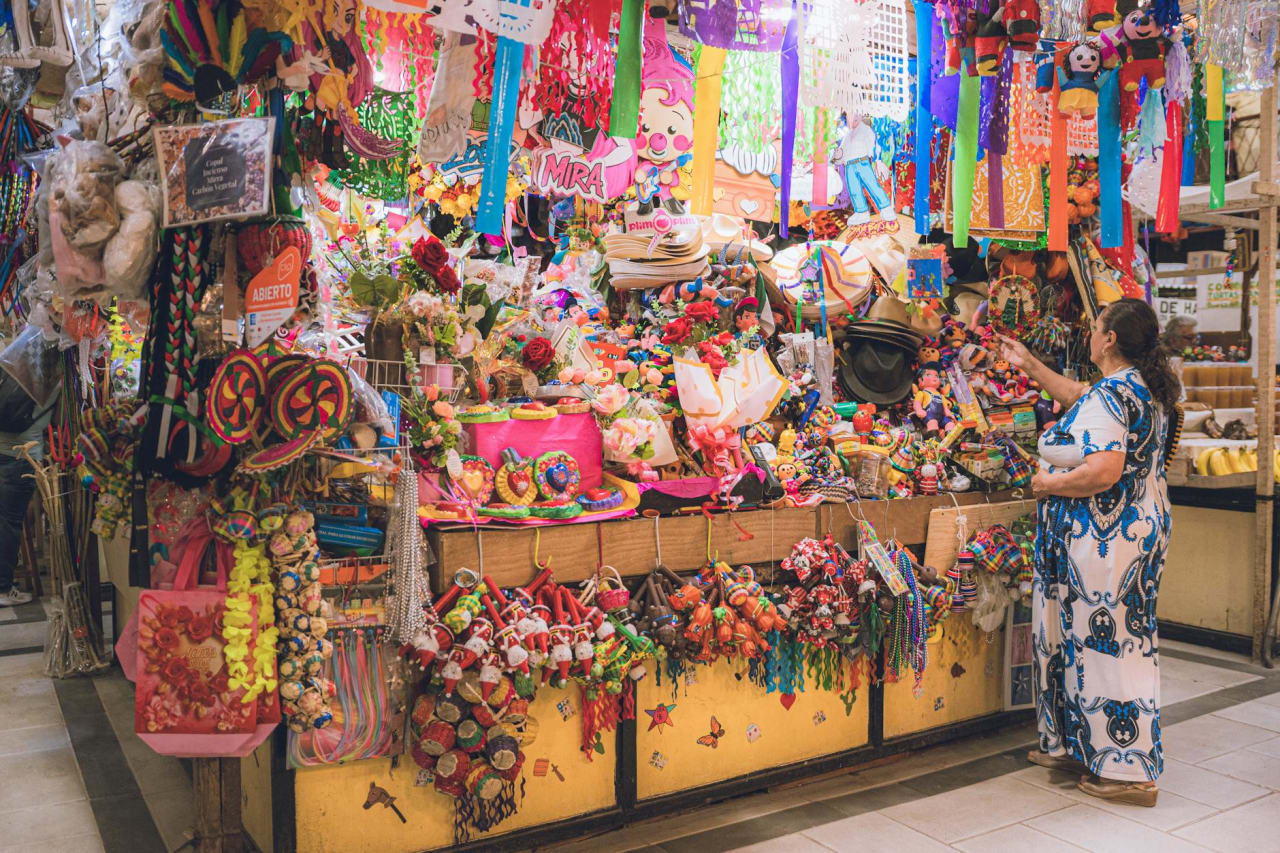
If you want to understand a place, go to its market. In Tulum, the food markets and street-food scenes are a window into daily Caribbean life — a riot of colors, aromas, and flavors that no upscale jungle restaurant menu can fully capture. From dawn taco stands in Tulum Pueblo to the lively night market at El Camello, shopping and eating local is one of the most authentic experiences this Riviera Maya town has to offer. Whether you’re a curious traveler or a seasoned foodie, this guide will point you in all the right directions.

The Main Markets & Street-Food Spots in Tulum
Tulum has several distinct market spaces and street-food hubs, each with its own personality and specialty. Getting to know each one will help you plan your visits strategically — whether you’re stocking up on fresh produce for a few days at the beach or simply grazing your way through a warm Caribbean evening.
El Camello Jr. (The Night Market in Tulum Pueblo)
When locals talk about the beating heart of Tulum’s food scene, they often point to El Camello Jr. on Avenida Tulum in the Pueblo. This legendary open-air eatery and informal market hub comes alive in the evenings, drawing families, construction workers, and travelers alike with the irresistible smell of freshly grilled tacos al pastor, ceviches, and seafood tostadas. Stalls extend out around the main spot, and the vibe is unmistakably local — plastic chairs, fluorescent lights, cold beers, and plates piled high. Our Tulum team considers a night here non-negotiable for any first-time visitor.
Tulum Pueblo Taco Stands (Avenida Tulum & Satellite Streets)
The main strip of Tulum Pueblo — informally known as the centro area along Avenida Tulum — is lined with taco and antojitos stands that operate from mid-morning through late night. These are the spots where locals eat every day: taqueros slicing pastor from vertical spits, señoras ladling black bean soup, and vendors serving fresh-squeezed aguas frescas. The further you wander from the tourist-facing cafes into the side streets of La Veleta and the residential blocks, the more authentic — and more affordable — the food gets.
Mercado Municipal (Local Produce Market)
Tulum’s mercado municipal is a practical, no-frills market in the Pueblo where locals shop for daily provisions. You’ll find stalls selling tropical fruits, vegetables, dried chiles, fresh herbs, and basic pantry staples alongside a handful of prepared-food comedor stalls serving set-menu lunches. It’s not a tourist attraction, but that’s precisely the point — this is where real Tulum life happens every morning, and simply walking through with no agenda is its own kind of experience.
Organic & Artisan Markets (Weekend Pop-Ups)
Tulum’s strong wellness and eco-conscious community has given rise to a thriving weekend market scene. On Saturday and Sunday mornings, small artisan and organic markets pop up in neighborhoods like Aldea Zama and La Veleta, offering cold-pressed juices, organic produce, raw cacao products, artisan bread, handmade cheese, natural body products, and locally roasted coffee. These markets reflect Tulum’s distinctive character — a fusion of Mayan peninsula ingredients with an international, health-forward food culture. Check locally for the current schedule as these rotate venues seasonally.
What to Look For: A Market Shopper’s Guide
Navigating Tulum’s food markets and street stalls for the first time can feel overwhelming — in the best possible way. Here’s a breakdown of what to seek out and what to eat on the spot.
Must-Try Foods at the Market
- Tacos al Pastor: The classic Mexican staple done right. Thin slices of marinated pork shaved off a vertical spit, served on small corn tortillas with pineapple, cilantro, and salsa. A taco al pastor from a busy Pueblo stand is one of life’s great pleasures.
- Seafood Tostadas & Ceviche: Tulum sits on the Caribbean coast, and the seafood reflects it — shrimp, octopus, fish, and conch prepared as tostadas, ceviche, or aguachile with lime and chili. El Camello Jr. is famous for theirs, but plenty of Pueblo stands serve equally good versions.
- Cochinita Pibil Tacos: Slow-cooked Yucatecan pulled pork marinated in achiote and sour orange, wrapped in banana leaves. A dish rooted in the Mayan culinary tradition of the peninsula — deeply flavorful, often available at lunch stalls in the Pueblo.
- Poc Chuc: Grilled marinated pork with pickled red onion, a Yucatecan staple you’ll find at comedor-style spots around the market area. Simple, smoky, satisfying.
- Fresh Tropical Fruits: Papaya, mamey, star fruit, pitaya, guanábana, and passion fruit are widely available from market vendors and fruit carts. Ask what’s ripe that day — the answer changes by season.
- Cold-Pressed Juices & Agua de Coco: Tulum’s wellness culture means fresh juice vendors are everywhere. At the weekend organic markets, you’ll find everything from green detox blends to raw cacao elixirs. Freshly cracked coconut water from street vendors is also ubiquitous and excellent.
- Tlayudas & Quesadillas de Maíz Azul: While not originally from the Yucatán, Tulum’s cosmopolitan food scene means you’ll often find vendors from all over Mexico. Blue corn quesadillas with local cheese and huitlacoche (corn fungus) are a market treat worth hunting down.
Market Shopping: What to Bring Home
- Locally roasted coffee — Tulum has several excellent artisan roasters sourcing beans from Chiapas and Veracruz
- Raw cacao products: cacao paste, nibs, and ceremonial cacao from organic producers in the region
- Artisan hot sauces and salsas made by local vendors
- Handwoven textiles and Mayan-inspired embroidery from artisan market stalls
- Natural skincare products made with local ingredients (copal, coconut oil, aloe)
- Achiote paste — the backbone of Yucatecan cooking, available at the mercado municipal
If you want to go deeper into Tulum’s food and culture beyond the market stalls, our Tulum Pueblo Food Tour takes you through the best local spots with a guide who knows every vendor by name.
Market Etiquette & Practical Tips
Tip Why It Matters Arrive early (before 9am) for the mercado municipal Best selection of fresh produce; cooler Caribbean morning temperatures Visit El Camello Jr. in the evening The night market vibe is at its peak from 7pm onward — that’s when locals come out Bring small bills and coins Most stalls are cash-only and may not have change for large bills Bring a reusable bag or basket Tulum’s eco-conscious community strongly prefers reusable bags over plastic Try before you buy (if offered) Vendors are proud of their products — tastings are common and encouraged Don’t haggle aggressively Prices are already very fair; polite bargaining on bulk artisan purchases is fine Learn a few words of Spanish “¿Cuánto cuesta?” (How much?) and “¿Qué recomiendas?” (What do you recommend?) go a long way Ask about origin and preparation Many vendors are happy to share the story behind their productsPairing Your Market Visit with Local Experiences
The beauty of Tulum is how naturally the market fits into a full day of local adventure. Start your morning at the Pueblo’s taco stands for breakfast, explore the municipal market as it wakes up, then head to the Zona Hotelera and beach in the afternoon, returning to El Camello Jr. for dinner under the stars.
For those who want to go deeper into the area’s natural wonders before or after their market visit, our Gran Cenote tour is an unforgettable morning experience — swimming in the crystal-clear freshwater of one of Tulum’s most iconic cenotes just minutes from the Pueblo.
In the afternoons, consider rounding out your day with a visit to the Tulum Mayan ruins perched on the Caribbean cliffs — the views over Playa Ruinas are spectacular. And if you’re staying into the evening, the beachfront restaurants of the Zona Hotelera offer a very different — and equally memorable — take on Tulum’s culinary identity.

For nature lovers, the lagoons and mangroves of the Sian Ka’an biosphere reserve south of Tulum offer a completely different side of local life. Try a morning boat tour through Sian Ka’an before your market visit — it’s a perfect full-day itinerary that moves from wild nature to local culture.
A Traveler’s Evening at El Camello Jr.
“I wasn’t expecting much from a quick stop before heading back to the hotel zone. But once I sat down at one of the plastic tables and someone put a plate of seafood tostadas and a cold Sol in front of me, I forgot all about the upscale restaurants. I ended up staying three hours — eating, talking to the family at the next table, watching the whole neighborhood come alive. The shrimp aguachile cost almost nothing and was the best thing I ate in Tulum. Nobody in the hotel zone is telling you about this place.”
— Marco T., traveler from Italy

Frequently Asked Questions: Tulum Food Markets
Where is the main food market in Tulum?
The most beloved local food spot in Tulum is El Camello Jr., an open-air night market on Avenida Tulum in the Pueblo, famous for its seafood tostadas and tacos. For fresh produce and daily provisions, the mercado municipal in Tulum Pueblo operates every morning. On weekends, organic and artisan pop-up markets also appear in neighborhoods like Aldea Zama and La Veleta.
What time should I visit the market?
It depends on which market you’re visiting. The mercado municipal and Pueblo taco stands are liveliest from 7am to 10am for breakfast. El Camello Jr. and the Pueblo street stalls truly come alive in the evening from around 7pm onward. Weekend organic markets typically run from 9am to 2pm.
Is it safe to eat street food at the markets?
Generally yes, especially at established spots like El Camello Jr. that have been serving locals for decades. Look for stalls that are busy with locals — a good crowd is always the best sign. Stick to cooked foods if you have a sensitive stomach, and the seafood tostadas are best enjoyed at spots with high turnover where the fish is prepared fresh daily.
Can I find vegetarian or vegan options at the markets?
Absolutely — Tulum is one of Mexico’s most vegan-friendly destinations. The weekend organic markets in Aldea Zama and La Veleta are rich with plant-based options: raw cacao products, cold-pressed juices, vegan tacos, and organic produce. Even at traditional taco stands, asking “¿Tiene opciones sin carne?” (Do you have options without meat?) will usually get you a plate of bean and cheese tacos, grilled vegetables, or fresh fruit.
Are there weekend artisan markets near Tulum?
Yes. Tulum’s wellness and eco-conscious community supports a rotating weekend market scene in neighborhoods like Aldea Zama and La Veleta. These markets feature organic produce, artisan food products, natural body care, handcrafted jewelry, and Mayan-inspired textiles. Schedules rotate seasonally, so ask at your accommodation or check local social media groups for the current location.
What’s the best food souvenir to buy at the Tulum markets?
Locally roasted coffee sourced from Chiapas or Veracruz is a standout choice — Tulum has excellent artisan roasters. Raw ceremonial cacao paste is another uniquely regional find. Achiote paste for cooking, artisan hot sauces, and handwoven Mayan textiles are also excellent choices that are hard to find elsewhere and easy to pack.
Plan Your Tulum Market Visit

The markets and street-food scene of Tulum aren’t a tourist attraction — they’re where real life happens every morning and every evening. Showing up, eating what the locals eat, and wandering with no agenda is enough. You’ll leave with full hands, a full stomach, and a much richer understanding of Caribbean Mexico than any upscale jungle restaurant could provide.
And when you’re ready to go beyond the market, Tulum has incredible tours waiting for you — from cenote swims and Mayan ruins to wildlife and night-time adventures. Explore all of our experiences and start building your perfect trip.

Useful Official Resources
- Tulum — Visit Mexico Official Tourism Guide
- Quintana Roo — Official State Government Portal
- SEMARNAT — Mexico’s Ministry of Environment and Natural Resources
Disclaimer: Information may change; please confirm schedules, regulations, and availability before booking. For legal, environmental, or safety matters, consult local authorities or official sources. For reservations and up-to-date information, visit our tours and adventures page.
Follow Us for Daily Inspiration from Tulum
auto_awesome Continue exploring Tulum
You Might Also Like
 article Adventures calendar_today Mar 9, 2026
 Best Restaurants in Tulum: Complete Foodie Guide
Tulum is far more than a wellness destination — it’s quietly becoming one of the most exciting food scenes on the Mexica
article Food calendar_today Mar 4, 2026 Mezcal Bars in Tulum: Where to Drink Local
Tulum isn’t just cenotes and Mayan ruins — it’s also one of the best places on Mexico’s Caribbean coast to discover the
article Food calendar_today Feb 24, 2026 Best Coffee Shops in Tulum: A Guide to Café Culture on the Caribbean Coast
Tulum isn’t just about ancient Mayan ruins and stunning cenotes — it’s also home to a quietly thriving café scene that s