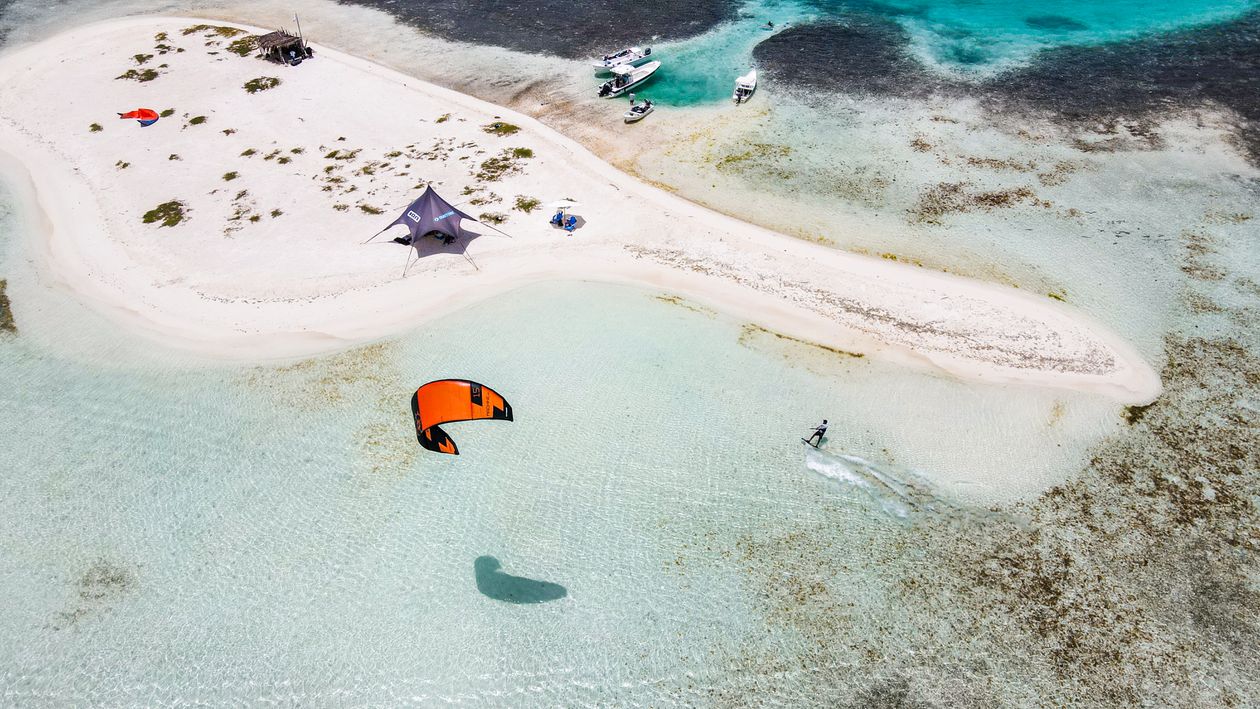
Kitesurfing & Kiteboarding in Tulum: Conditions, Spots & Lessons
Tulum is world-famous for its ancient Mayan ruins, emerald cenotes, and turquoise Caribbean waters. What gets mentioned less is that this stretch of the Quintana Roo coast also gets wind — not always, not predictably, but when the winter nortes arrive they combine with the warm Caribbean in a way that draws a small and devoted community of kiters. Kitesurfing here isn't for everyone. It's a niche activity in a destination built around a very different set of pleasures. But for those who know what they're looking for, it's worth understanding properly.
This guide isn't going to sell you Tulum as the kite paradise it isn't. It's going to tell you exactly what to expect: when the wind blows, where it blows, what level you need to be, what schools operate in the region, and what the nearby alternative looks like if what you want is consistent wind for a full week.

The Wind Reality at Tulum
Start here, because this is the most important thing: Tulum is not a consistent wind destination. Unlike Isla Blanca — about 200 km north near Cancun, which is one of Mexico's most reliable kite spots — Tulum gets kiteable wind roughly during the winter months when the nortes blow through. That's what historical wind data shows, and it's what the local kiting community confirms.
The most favorable window is November through March. During these months the northerly wind — the nortes — can produce 20–30 knot sessions lasting one or two days at a time. The trade winds also bring consistent easterly breeze from December through February, which many kiters find even more reliable for flat-water riding. In summer (June to September), patterns shift: winds become lighter and more erratic, and the rainy season makes conditions unpredictable.
What this means practically: if you travel to Tulum specifically to kitesurf, you're gambling. If you travel for everything else the destination offers — cenotes, Mayan ruins, snorkeling on the reef, the wellness and yoga scene, incredible food — and kite is a possibility you add when wind appears, the equation changes completely.

The Spots: Where to Kitesurf Around Tulum
Tulum Beach (Zona Hotelera)
The main beach strip along the Zona Hotelera is Tulum's most accessible kite spot and the one most local riders use when conditions permit. The beach faces northeast, which means it catches the trade winds and nortes almost directly. The water here is shallow for a long way out, turquoise and warm, with a gentle reef that breaks most swell before it reaches the shore — giving you reasonably flat water to work with compared to the Atlantic or Pacific.

The Zona Hotelera is walkable from most hotels and cenotes — which also means it gets crowded. During peak season (December–February) the beach fills with sunbathers and swimmers. Kiting here requires good spatial awareness and courtesy to swimmers. Early morning sessions, before the crowds arrive, are generally the best option.

Playa Paraíso Area
Further south along the hotel zone, the coast curves slightly and opens up to longer uninterrupted beach. Playa Paraíso and the stretches surrounding it are less densely built, which means more launch room and fewer swimmers to navigate around. When the nortes blow from the north-northwest, this section of beach can offer better angles than the main hotel strip.
Casa Cenote (Tankah Bay)
About 4 km north of the Zona Hotelera, Tankah Bay sits in a small protected cove where the mangroves meet the sea. Casa Cenote is here — one of the most beautiful spots on the coast where a freshwater cenote flows directly into the Caribbean. The bay itself is too protected for serious kiting, but it's worth knowing about: kiters sometimes use the open stretch of beach just outside the cove entrance, and the cenote is an exceptional after-session swim. Few places in the world let you rinse off in crystal-clear freshwater meters from the salt water where you just rode.
Schools and Kite Lessons in the Region
There are no large established kite centers in Tulum itself on the scale you'd find at dedicated destinations, but certified instruction is available. Several IKO (International Kiteboarding Organization) certified instructors operate along the Riviera Maya corridor and offer lessons at Tulum Beach by prior arrangement. Prices typically run $80–120 USD per hour for private instruction, with full equipment included for beginners.

For more structured instruction with a full school setup — multiple kites, safety equipment, rescue options — the best approach is to book with an established center in Playa del Carmen (45 minutes north) or go directly to Isla Blanca, north of Cancun, where the kite community is well organized with full facilities.
Important: Equipment rental in Tulum is limited. If you're a kiter traveling here to ride on your own, consider bringing your own gear or arranging rental in Playa del Carmen or Cancun beforehand. This is a significant difference from destinations like Isla Blanca or El Cuyo where full-service kite shops are standard.
What Level Do You Need?
Honesty matters here. While Tulum's Caribbean is much calmer than Pacific destinations, there are still reasons to be careful:
- The reef changes everything. Tulum's barrier reef is a UNESCO-listed treasure and a fragile ecosystem. Dragging a kite or crashing near the reef risks both personal injury and environmental damage. You need to know where the reef is and stay well clear.
- Wind is intermittent. Learning kite requires consistent, predictable wind over several consecutive days. Tulum's wind windows are real but not guaranteed — the nortes don't follow a schedule.
- The beach gets busy. Unlike remote kite destinations, Tulum's beach is a social hub. Beginners practicing kite control on a crowded beach creates risk for everyone around them.

The ideal Tulum kiter profile is someone at intermediate to advanced level who already commands the equipment in the water, has experience riding in moderately flat conditions, and is visiting the destination primarily for its other attractions — the cenotes, the Mayan ruins at Playa Ruinas, the biosphere reserve, incredible food — and adds kite as a bonus activity when wind windows appear.
The Regional Alternative: Isla Blanca and El Cuyo
If kitesurfing is the primary reason for your Mexico trip — not a secondary activity — there's a destination about 130 kilometers north of Tulum that changes everything: Isla Blanca, a narrow sandbar peninsula just north of Cancun, and further northeast, El Cuyo on the Yucatan's northern coast.
Isla Blanca is Mexico's most famous Caribbean kite spot. The lagoon side offers perfectly flat water for freestyle and learning, while the ocean side delivers chop and small waves for those who want variety. Wind here is driven by the same trade winds and nortes that hit Tulum, but the geography of the peninsula concentrates and accelerates them — speeds of 15–35 knots during winter season are routine. There are schools, shops, equipment rental, and an established international kite community.
El Cuyo, a tiny fishing village on Yucatan's north coast, has become a cult destination among kite travelers. The lagoon behind the village (connected to the vast Ría Lagartos biosphere reserve) provides extraordinary flat-water riding, and the village's remoteness means the beach is never crowded. Wind quality here from November through March rivals anything in the Caribbean.
The smart combination for a two-week trip from North America or Europe: one week in Tulum (cenotes, ruins, biosphere, food, Caribbean snorkeling) + one week at Isla Blanca or El Cuyo (consistent kite wind). Isla Blanca is just 130 km north on Hwy 307 — about 90 minutes by car. El Cuyo adds another 1.5 hours but delivers something genuinely wild.

How to Check Wind Before You Go
For planning a kite session at Tulum, the most useful tools are:
- Windfinder — Specific forecast for Tulum Beach with speed, direction, and gust breakdowns. The most favorable direction for local spots is north, northeast, or east wind (trade winds).
- Windguru — The kite and surf classic. Shows GFS and ECMWF models for the Quintana Roo coast several days ahead.
- iKitesurf / WindAlert — Kite-specific forecasting with historical spot data, community session reports, and crowd-sourced wind observations from Tulum and nearby spots.
You're looking for sustained north, northeast, or east wind above 18 knots for at least two consecutive days. When that pattern shows up in a November through February forecast, it's worth building your visit around those dates. Our month-by-month guide to Tulum breaks down the full seasonal picture if you're planning further ahead.
Is It Worth It?
Yes — with the right expectations. If you're an advanced kiter who also values world-class cenote diving, sea turtle encounters at Akumal, snorkeling on Mesoamerica's second-largest reef, the mystical Sian Ka'an biosphere reserve, and some of the best food on Mexico's Caribbean coast, Tulum has everything you want between sessions. The kite here isn't the reason to come — it's a spectacular bonus when wind shows up.

For the rest of the trip, our guide to Tulum beyond the beach covers the full range of what the destination offers. And if you're building an itinerary around a potential kite window, the 4-day Tulum itinerary is a good starting framework — windless days here are never wasted days.

Practical Checklist for Kitesurfers Visiting Tulum
- Bring your own gear or arrange rental in Cancun/Playa del Carmen. Equipment availability in Tulum itself is limited. Make sure travel insurance covers sports equipment.
- Book a certified instructor in advance if you want lessons. IKO-certified instructors operate along the Riviera Maya corridor. Contact them before arriving to coordinate dates and wind forecast.
- November–March is your best wind window. It also overlaps with the clearest water, driest weather, and turtle nesting season — the destination is at its best.
- Respect the reef. The Mesoamerican Barrier Reef runs just offshore from Tulum's beach. Know where it is, stay clear, and never drag equipment over coral.
- Have a plan B (which here means plan A). Between cenote tours, Sian Ka'an biosphere tours, and reef snorkeling, windless days are never wasted days in Tulum.
auto_awesome Continue exploring Tulum
You Might Also Like
 article Exploring calendar_today Jan 20, 2026
 Tulum Beach: Your Complete Guide to the Zona Hotelera and Beyond
Stretching over ten kilometers of powdery white sand and turquoise Caribbean water, Tulum’s coastline is one of the most
 article Adventures calendar_today Apr 15, 2026
 The Tulum Challenge: A First-Timer's Guide to Cenotes, Ruins, and Caribbean Beaches
Tulum packs ancient Mayan cliff-top ruins, crystalline cenotes, and the turquoise Caribbean Sea into one compact stretch
 article Adventures calendar_today Feb 3, 2026
 Best Places to Stay in Tulum for Water Adventure Lovers
Tulum sits on the Caribbean coast of Mexico’s Riviera Maya, where turquoise warm water laps white-sand beaches and an ex