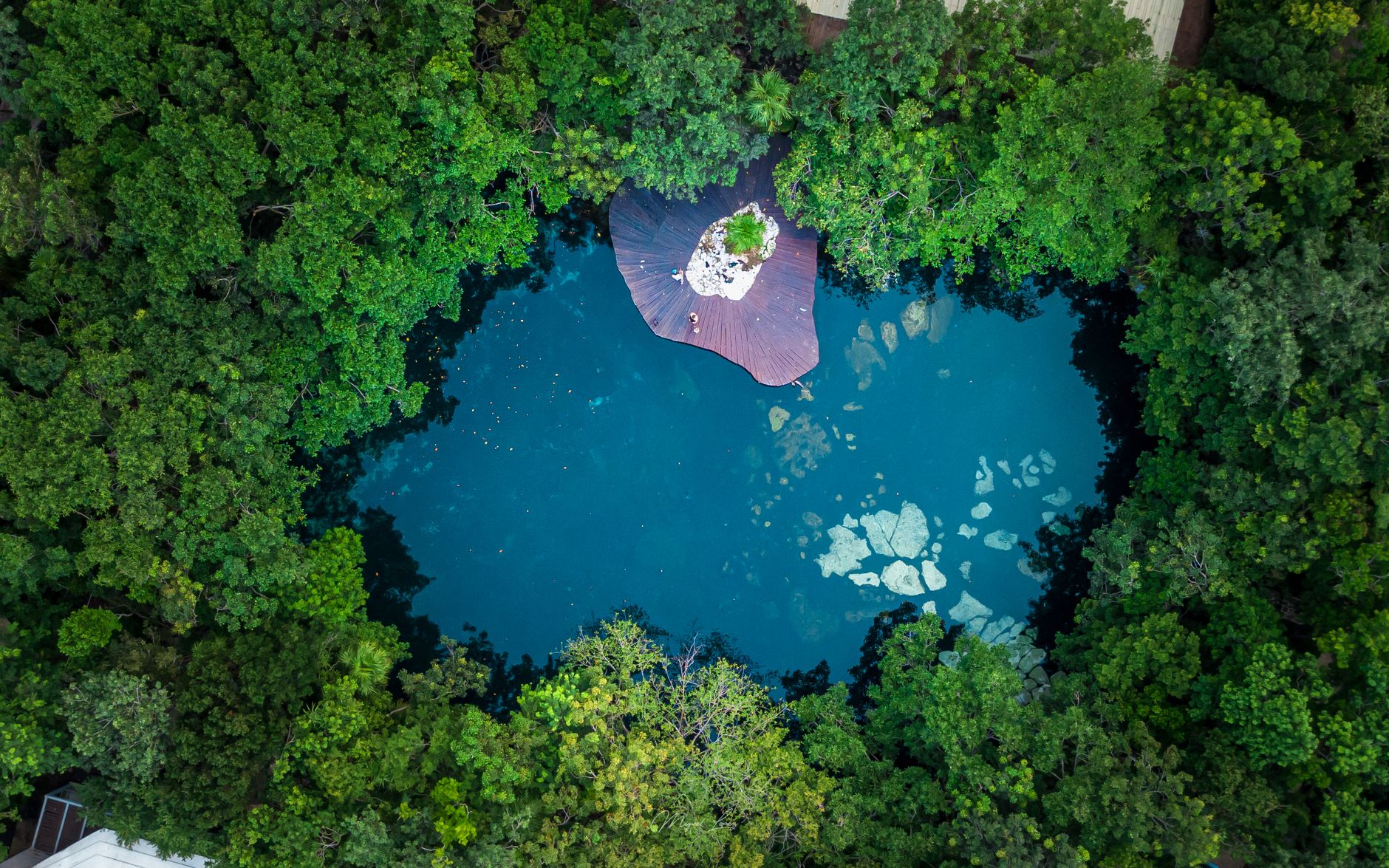
Cenotes in Mérida vs Tulum: Which Region Has Better Swimming?

For pure swimming in quiet, deep, dramatic cave pools, Mérida’s cenotes win; for snorkelling and diving in clear, shallower water with fish and turtles, Tulum’s cenotes win. The Mérida vs Tulum cenotes question is really about the kind of water you want, since both sit on the same limestone shelf of the Yucatán Peninsula but formed in different ways.
| What you care about | Cenotes near Mérida | Cenotes near Tulum |
|---|---|---|
| Main areas | Homún, Cuzamá, Santa Bárbara; Xlacah at Dzibilchaltún | Gran Cenote, Dos Ojos and the cenotes along highway 307 |
| Typical shape | Closed or semi-open caves, reached by steps or ladders | Open pools and caverns linked to underground rivers |
| Depth | Usually deep, often no visible bottom | Many shallow areas over a visible bottom |
| Best activity | Swimming and floating in a cave | Snorkelling and cavern diving |
| Distance from base | About an hour by road | Minutes to half an hour by road |
| Crowds | Quiet on weekdays, local families at weekends | Busy with tour groups by late morning |
| Who runs them | Mostly families and ejidos, cash only | Ejidos and parks, more facilities |
Neither region is better across the board. If you are staying in Mérida, the cenotes of Homún and Cuzamá are an easy day out; if you are on the Caribbean coast, Gran Cenote and Dos Ojos are close to Tulum. The comparison matters most when you are choosing where to base yourself, or planning one big cenote day on a trip that crosses the peninsula.
Why the cenotes of the two regions are different
A cenote is a sinkhole where the limestone roof over groundwater has collapsed. The whole peninsula has them, but the geology around each city shapes what you swim in.
Mérida: the Ring of Cenotes
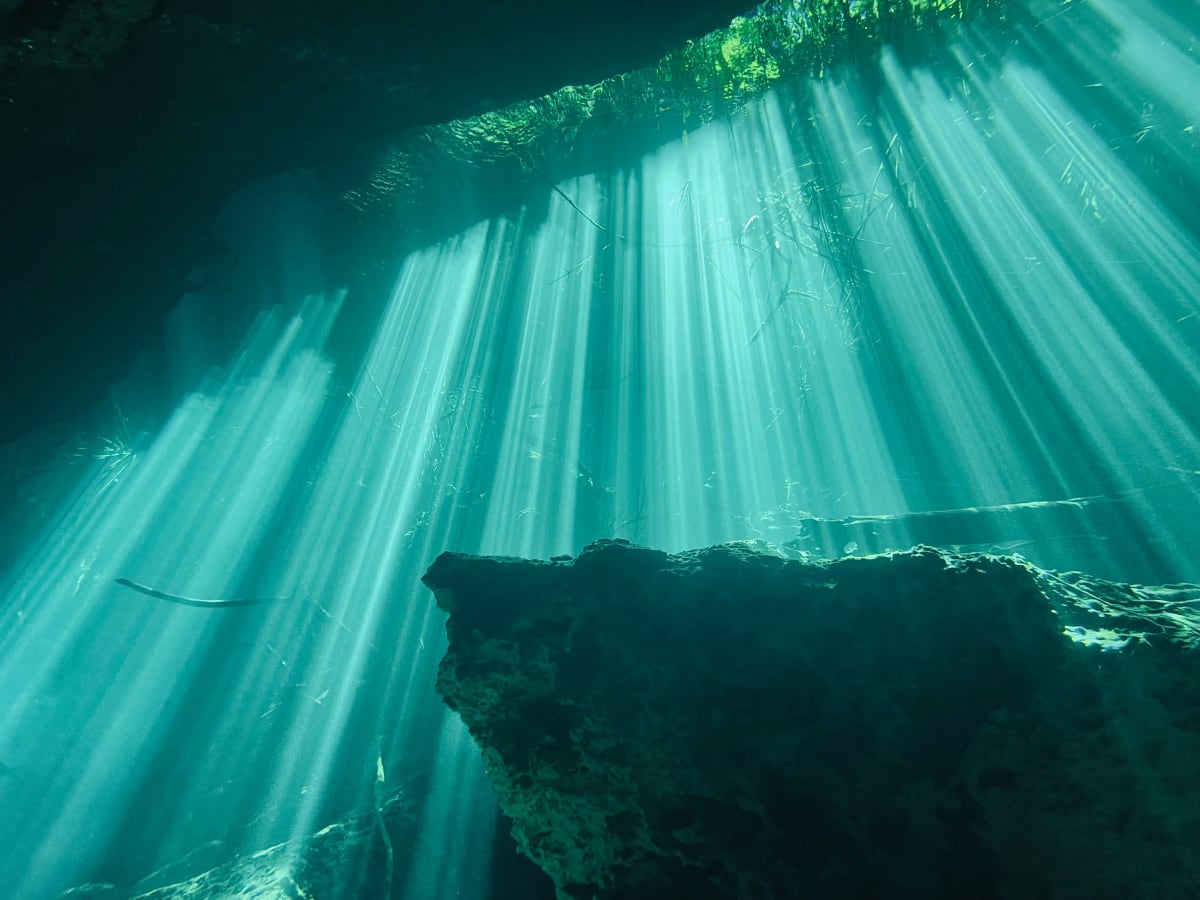
Southeast of Mérida, the cenotes follow an arc known as the Anillo de Cenotes, which traces the buried rim of the Chicxulub impact crater. The fractured rock along that rim produced a dense cluster of deep, round chambers: you climb down into a dome of rock, often with a single shaft of light and roots hanging from the ceiling. Many are closed caves, so the water stays very still and very clear.
Tulum: the underground rivers
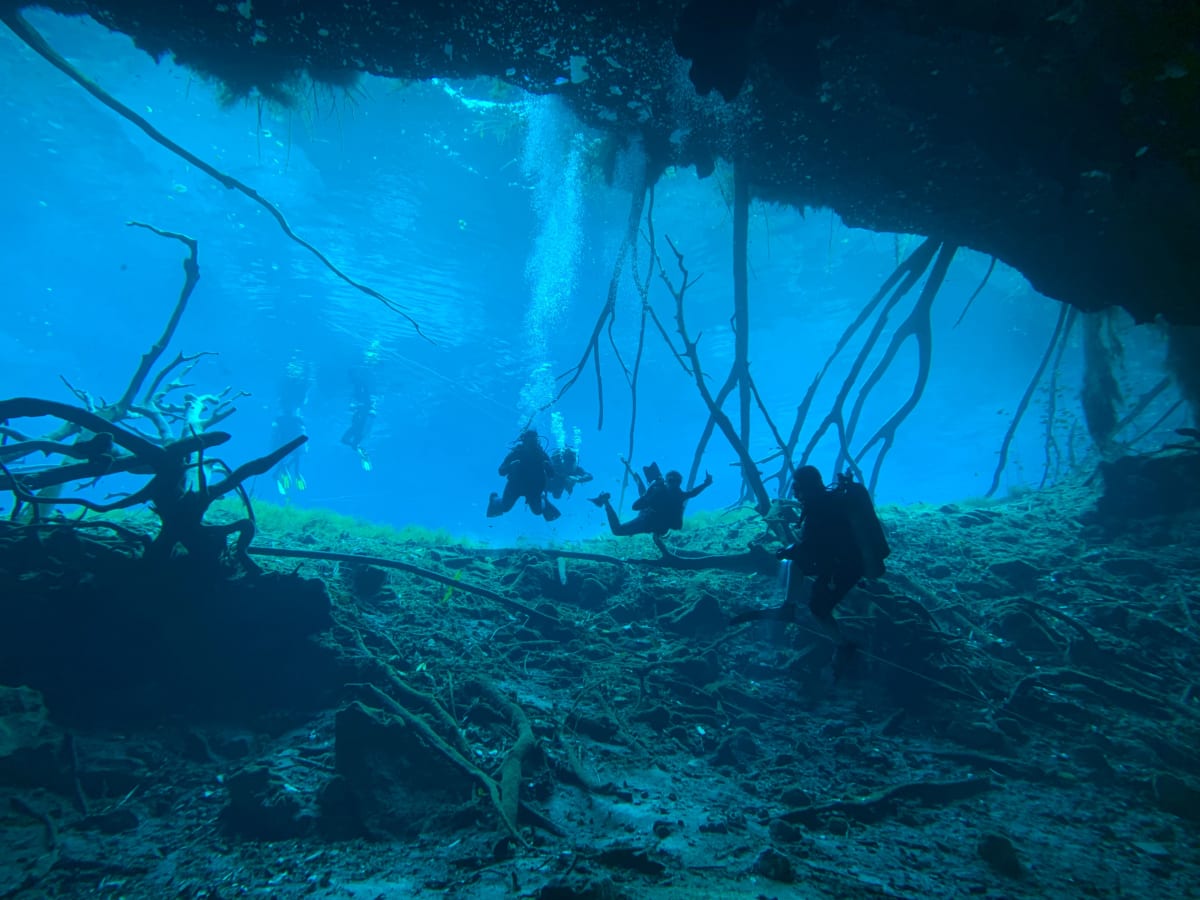
Around Tulum, the groundwater flows towards the Caribbean through some of the longest flooded cave systems known, including Sac Actun, which passes near Tulum. The cenotes there are windows onto those rivers: wider openings, shallow ledges, passages that run off under the rock and enough light for plants and small fish. That is why the coast is a world centre for cavern and cave diving.
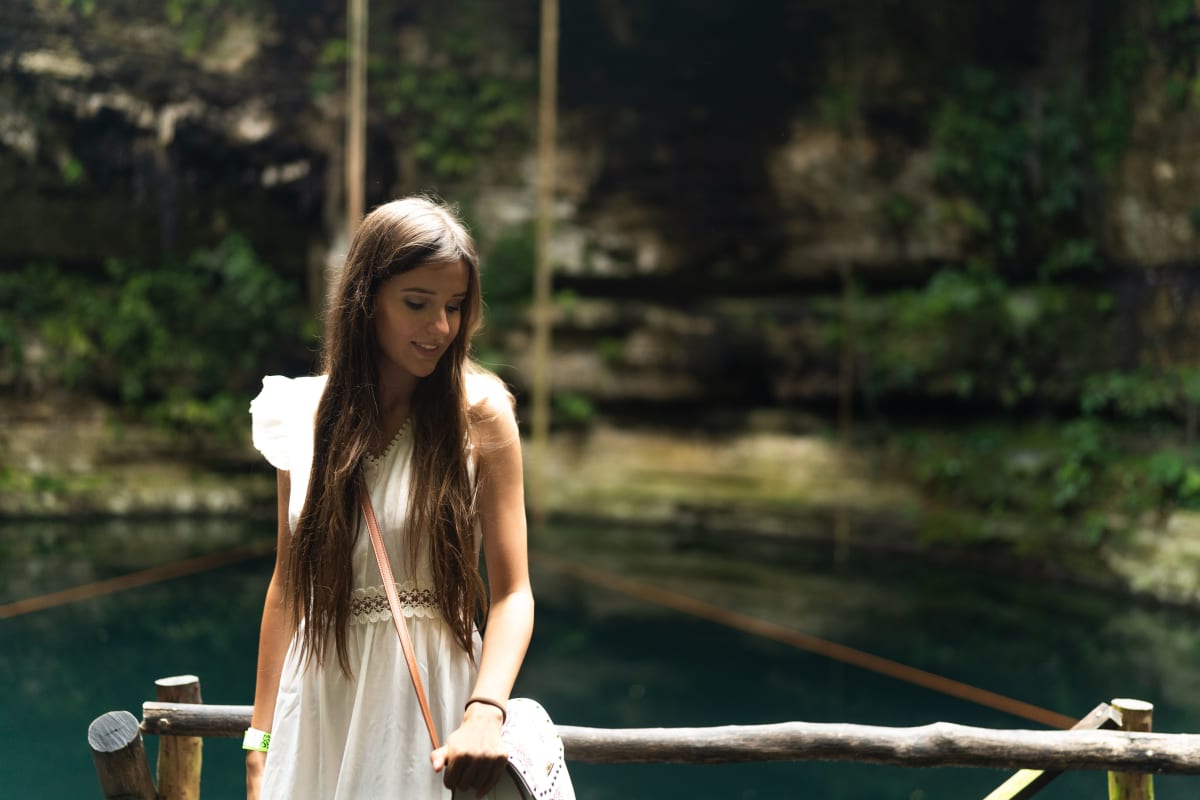
Swimming near Mérida: Cuzamá, Homún and Santa Bárbara
The cenotes most people visit from Mérida are in two neighbouring villages about an hour southeast of the city. We cover them in detail in our guide to the best cenotes near Mérida; here is what the swimming is like.
What a cenote day from Mérida feels like
In Cuzamá, a horse-drawn cart on old henequen rails takes you between cenotes. In Homún, family-run cenotes each have their own entrance, and the Santa Bárbara park groups three of them with changing rooms and a restaurant. The pattern is the same: you go down steep stairs, the air cools, and you swim in a chamber of blue water that is many metres deep. It is spectacular for floating and photos, less so for snorkelling, because beyond the walls there is little to look at below you. Life jackets are often required.
Closer to the city
If you only have half a day, Xlacah, an open cenote inside the Maya site of Dzibilchaltún, is about 30 minutes north of Mérida and can be combined with the ruins. On the way to Chichén Itzá there are more cenotes, and our day trips from Mérida guide shows how to fit one into a ruins day.
Swimming near Tulum: Gran Cenote, Dos Ojos and cavern diving
Tulum’s cenotes are closer to where you sleep, and the best known are within a short drive or bike ride. They are also far more visited, so the experience depends heavily on the time you arrive.
Gran Cenote
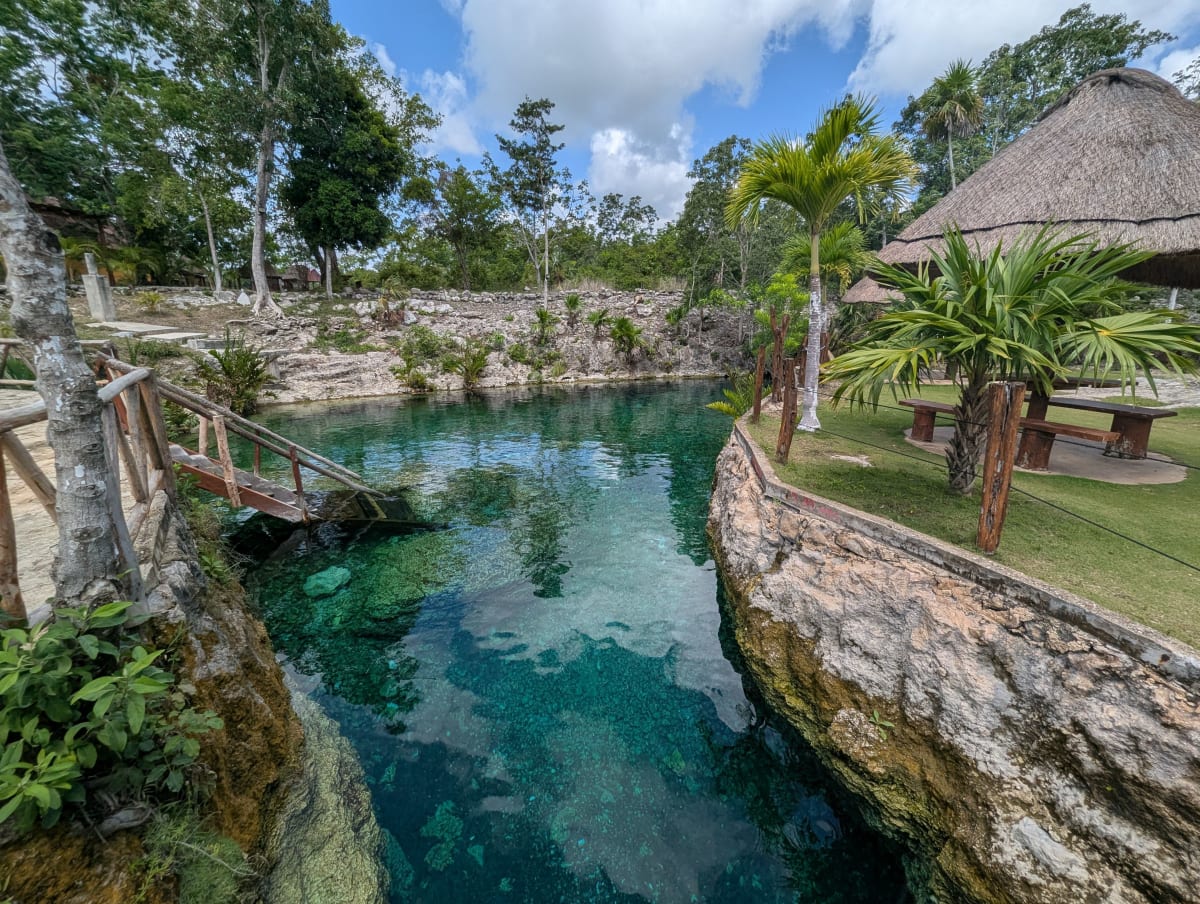
A few kilometres from Tulum town on the road to Cobá, Gran Cenote is the classic first cenote of the coast: open pools connected by a cavern, wooden decks, clear shallow water where you can snorkel over the rock and often see small turtles and fish. It is the easiest place in the region for children and nervous swimmers, but it fills up by late morning. If you are deciding between a cenote and the sea, our comparison of Gran Cenote vs Tulum beach helps.
Dos Ojos and cavern diving
North of Tulum, off highway 307 towards Playa del Carmen, Dos Ojos takes its name from two neighbouring cenotes, the “two eyes”, linked by a cavern. Snorkellers stay in the light zones; certified divers go further. Cavern diving, always within sight of daylight, needs an open-water certification and a local guide; cave diving, beyond the daylight zone, needs specific cave training. This is the one thing the Tulum area offers that the Mérida cenotes cannot match.
Which region has better swimming?
It depends on what “better” means for you. Use these as a rule of thumb.
Choose Mérida if…
- You want deep, enclosed cave pools with beams of light and still water.
- You prefer quieter cenotes run by local families, and do not mind paying each entrance in cash.
- You want to visit several cenotes in one day, as Homún has dozens close together.
- You are already basing yourself in the city for its food, architecture and ruins.
Choose Tulum if…
- You want to snorkel or try cavern diving.
- You are travelling with young children or weak swimmers who need shallow areas.
- You want cenotes and the Caribbean Sea on the same day.
- You accept more crowds in exchange for short distances.
Doing both: the Valladolid route
Mérida and Tulum are roughly four hours apart by road, and the drive passes Valladolid, which has a cenote in town and several more on its outskirts, plus Chichén Itzá on the way. Many travellers split the peninsula this way: cave cenotes from Mérida, a stop in Valladolid, then snorkelling and the beach near Tulum.
Tips that apply in both regions
- No sunscreen or repellent in the water. Shower before you go in; cenotes are the peninsula’s drinking-water supply.
- Wear a life jacket when one is offered, even if you swim well. Depth is hard to judge in clear water.
- Go early. Opening time is the quietest hour everywhere, especially at weekends and holidays.
- Carry pesos. Small cenotes rarely take cards, and fees change, so check them on arrival.
- Do not touch the formations and only jump where staff allow it.
If you are based in Mérida, compare cenote trips on our Mérida tours page, where you can see the day trips available from the city.
Frequently Asked Questions
Are the cenotes better in Mérida or Tulum?
For deep cave swimming and quieter cenotes, Mérida. For snorkelling, shallow water and diving, Tulum. Both regions have clear, cool fresh water all year.
Can you snorkel in the cenotes near Mérida?
You can, but there is less to see: most are deep, enclosed pools. Snorkelling is far more rewarding in the cavern cenotes near Tulum, such as Gran Cenote and Dos Ojos.
Can I visit Tulum’s cenotes on a day trip from Mérida?
It is possible but tiring, since Tulum is roughly four hours away by road. It makes more sense to visit the cenotes of Homún and Cuzamá from Mérida and the Tulum ones when you stay on the coast.
Do I need to be certified to dive in the cenotes?
Yes. Cavern diving requires at least an open-water certification and a local guide; going beyond the daylight zone requires specific cave-diving training. Snorkelling needs no certification.
Continue exploring Mérida
You Might Also Like
 Travel TipsNov 11, 2026
Yucatán Road Trip by Car: Stages, Roads and Driving Tips
A road trip through the Yucatán by car, from Mérida to the Caribbean: the stages and driving times, toll or free roads,
 Travel TipsOct 28, 2026
Cancún to Mérida by Tren Maya: A Station-by-Station Itinerary
How to ride the Tren Maya from Cancún to Mérida: the stations worth stepping off at, how to turn the trip into a three-d
 Travel TipsOct 27, 2026
Chichén Itzá Tickets 2026: Prices, Hours & the Two Fees You Pay
A foreign adult pays 697 MXN (about US$38) to enter Chichén Itzá in 2026: a 105 MXN federal INAH fee plus a 592 MXN Yuca