How is the Construction Law in Tulum?
Every place that has important natural wealth is of great interest to different people who do not always share the same visions. This is the case of Tulum, on the Caribbean coast of Mexico, in the southeastern state of Quintana Roo — part of the world-famous Riviera Maya corridor.
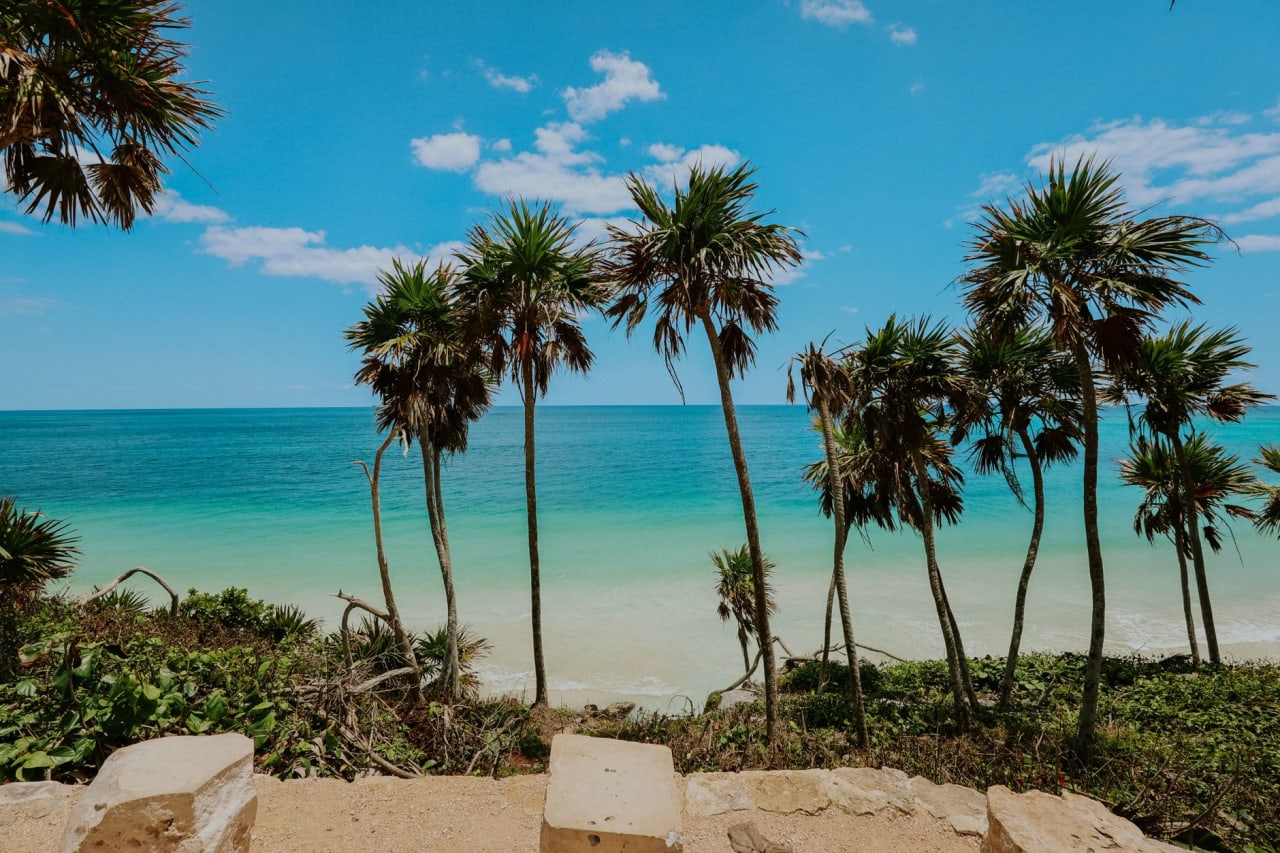
This paradise, nestled between ancient Mayan ruins and the turquoise waters of the Caribbean Sea, remained relatively off the beaten path for many years. It attracted travelers who came to explore its cenotes, snorkel the coral reef, and practice yoga in open-air jungle studios. However, in the past decade, Tulum has evolved from a quiet eco-retreat into one of Mexico’s most coveted destinations — attracting large investors and real estate developers who see enormous economic potential in what was once a sleepy coastal town.
The variety of its beaches, the abundance of its nature, the incredible wildlife that inhabits it, and its unmistakable good vibes make this stretch of Caribbean coast an attractive place to enjoy a vacation or make a life change. This surge in tourism brought with it major developers and real estate groups that began to see opportunities for large-scale construction along the Zona Hotelera and deep into the surrounding jungle.

This interest from investors directly conflicted with the interests of local inhabitants and the fragile ecosystems that make Tulum special in the first place.
The Law of Ecological Balance and Environmental Protection, in its article 28, stipulates that: “The environmental impact assessment is the procedure through which the Secretary of the Environment and Natural Resources (Semarnat) establishes the conditions to which the performance of works and activities that may cause ecological imbalance or exceed the limits and conditions established in the applicable provisions to protect the environment and preserve and restore ecosystems will be subject, in order to avoid or minimize their negative effects on the environment.”
For this reason, all constructions in Tulum must present an Environmental Impact Study for authorization by Semarnat. This requirement has generated enormous controversy here. The natural wealth of Tulum — its cenotes, its coral reef (part of the Mesoamerican Barrier Reef, the second largest in the world), its mangroves, and the beaches where sea turtles nest — are precisely the attractions that draw travelers. If any of these factors is damaged by uncontrolled construction, the community as a whole loses.
The municipality of Tulum falls under the state government of Quintana Roo, but construction decisions involve multiple layers of authority: the municipal government, the state, federal Semarnat, and in some cases the Comision Nacional de Areas Naturales Protegidas (Conanp), since parts of the area border the Sian Ka’an biosphere reserve. This complexity makes resolving construction conflicts particularly challenging. Several years ago, informal community agreements emerged that buildings along the Zona Hotelera beach road should not exceed a certain height in order to preserve the natural landscape and protect nesting beaches. This spirit of restraint was respected for many years by local businesses and small eco-lodges.

The reasoning behind those agreements is straightforward: Tulum’s economy depends almost entirely on its natural heritage. The cenotes — Gran Cenote, Dos Ojos, Jardín del Edén, and Casa Cenote among them — attract divers and snorkelers from around the world. The coral reef draws eco-tourists. The Sian Ka’an biosphere reserve, a UNESCO World Heritage site just south of town, brings nature lovers seeking mangrove lagoons and bird-watching in one of Mexico’s most biodiverse corners. Damage any of these assets through poorly regulated development and Tulum’s entire appeal unravels.
Those informal agreements have gradually eroded as tourism growth accelerated and outside capital flooded in, displacing local communities from the most desirable land.
In recent years, at least several real estate developments have been suspended or challenged because, according to local communities and environmental groups, they failed to fulfill their environmental impact obligations under Article 28 of the Law of Ecological Balance. The projects in question threatened the water table feeding the cenote network, encroached on protected mangroves, or were built on beach stretches critical for sea turtle nesting.
One high-profile example involved large luxury developments proposed for the Playa Paraíso area — a stretch of beach that is essential habitat for sea turtles that nest there seasonally. Local residents, visiting travelers, and environmental activists organized peaceful protests and formal complaints. After several rounds of regulatory review, Semarnat stepped in and suspended construction because the required environmental impact report had not been properly submitted or approved as stipulated by law.
Construction near the beach road in the Zona Hotelera has also faced repeated challenges for similar reasons, as the pace of development outstripped the capacity of regulatory agencies to review each project carefully.

In summary, the construction law in Tulum is governed by the need to produce an environmental impact assessment endorsed by Semarnat. But beyond federal law, Tulum’s communities have long understood that responsible development must protect the cenote network, the coral reef, the mangroves, and the sea turtle nesting beaches that form the foundation of everything this destination offers. Without those natural assets, there is no Tulum worth visiting.
The importance of respecting these frameworks lies in the continuity of Tulum as a Caribbean paradise — one of the most extraordinary places on Mexico’s coast, and one very much worth protecting.
How to Book Your Tour
All tours can be booked directly via WhatsApp for fast, personalized service. Our team speaks English, Spanish, and French, and can help you build a custom itinerary that fits your schedule and interests. Most tours include hotel pickup from anywhere in Tulum.
arrow_forward Browse All Tours