
Are There Killer Whales in Tulum?
Exploring the Marine Wonders of Tulum: A Caribbean Wildlife Adventure
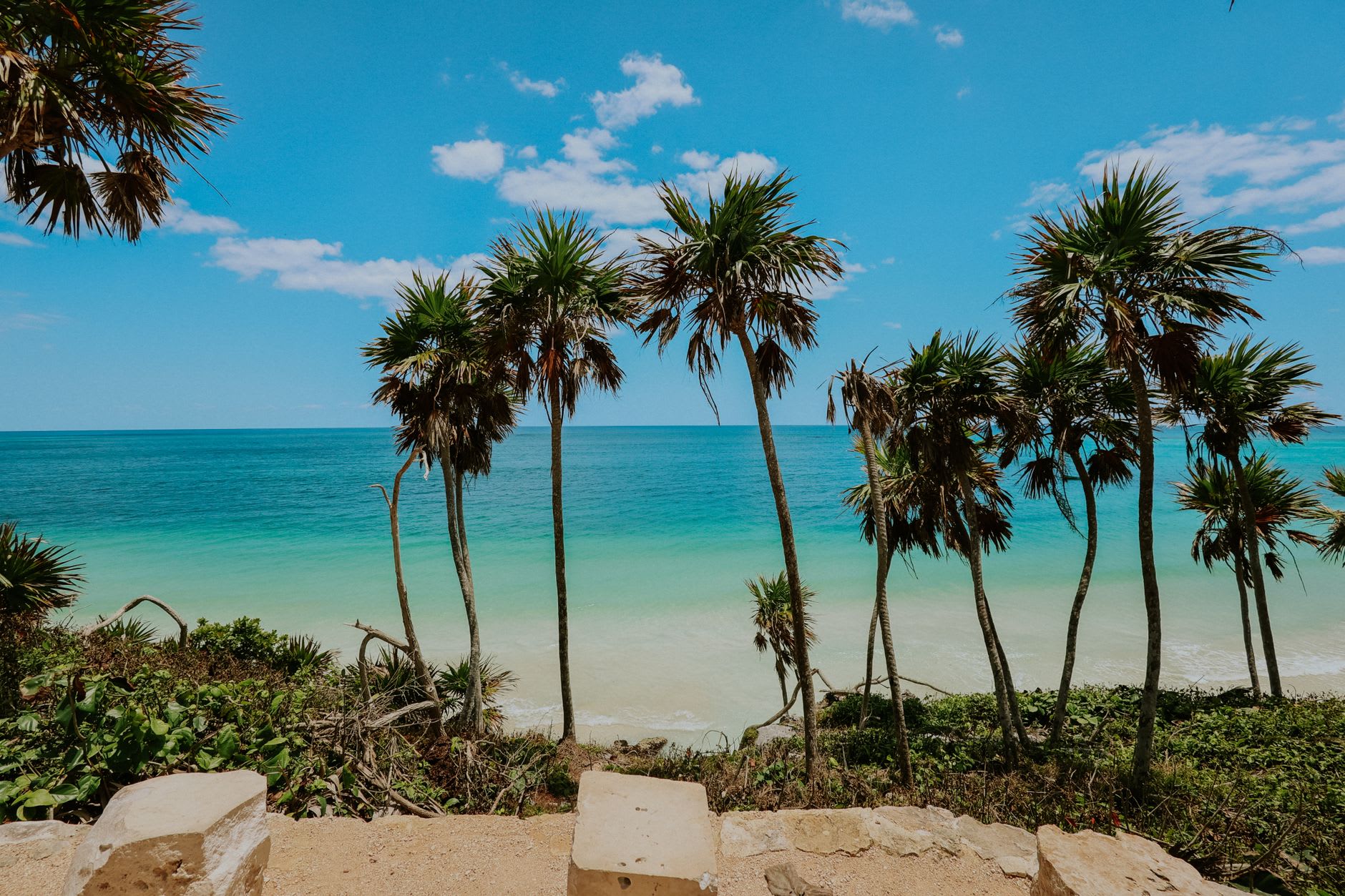
There’s something magical about standing on the white-sand shores of Tulum’s Caribbean coast, the warm turquoise water lapping at your feet, as you gaze out at the horizon from the shadow of ancient Mayan ruins. That first glimpse of the sea here never fails to leave us breathless — and endlessly curious about what swims beneath the surface.
As passionate lovers of marine life and everything coastal, Tulum was an instant obsession for our team. The emerald-clear Caribbean waters, the dramatic clifftop ruins of the Zona Arqueológica, the world-class cenotes just inland — all of it conspires to make this stretch of the Riviera Maya one of the most exciting destinations on earth for underwater exploration.
On one memorable morning, watching a pod of dolphins arc through the glassy water just offshore from Tulum Beach, the question arose naturally: what about the larger predators of the sea? Could killer whales — orcas — ever appear in these warm Caribbean waters? We dove into the research, spoke with local marine guides, and came back with a thorough answer. Through this post, we’ll explore the marine wildlife of this Caribbean paradise together and answer honestly: “Are there killer whales in Tulum?”
Exploring Tulum’s Unique Caribbean Marine Biodiversity
Tulum sits on the northeastern coast of the Yucatán Peninsula, facing the Caribbean Sea — not the Pacific. This distinction matters enormously for understanding what marine life you can expect to find here. The Caribbean at Tulum is warm, calm, crystal-clear, and rich in coral reef ecosystems. It is one of the most biodiverse marine environments in the Western Hemisphere.
Abundance of Marine Life in the Waters of Tulum
The waters off Tulum’s coast are part of the Mesoamerican Barrier Reef — the second largest coral reef system in the world — stretching south from Isla Mujeres all the way to Honduras. This reef is home to an astonishing variety of creatures: sea turtles, manta rays, nurse sharks, eagle rays, moray eels, parrotfish, barracuda, and hundreds of coral species.
Just 30 minutes north of Tulum, the bay of Akumal is famous worldwide for its resident population of wild green sea turtles, which can be seen year-round grazing on seagrass in shallow water — an experience that travelers consistently describe as one of the most moving encounters of their lives. Our Tulum team has witnessed it dozens of times and the feeling never gets old.
The cenotes — Tulum’s freshwater sinkholes connected to an underground river system — add yet another dimension to the region’s aquatic biodiversity. Places like Gran Cenote, Dos Ojos, Cenote Azul, Jardín del Edén, and Casa Cenote host their own unique ecosystems, with blind cave fish, freshwater turtles, and the eerie beauty of stalactite-lit underwater caves.

Whale Watching Near Tulum
Tulum itself is not a whale-watching hub, but humpback whales do visit the waters of the Mexican Caribbean seasonally. Each year from approximately November through March, humpback whales migrate through the region, and whale-watching tours are available departing from Cancun and Isla Mujeres, roughly 130 km north of Tulum. These tours offer close encounters with these magnificent creatures as they breach and sing in the warmer winter waters of the Caribbean.
If you are visiting Tulum and want to include a whale-watching excursion in your trip, we recommend planning a day trip north to Cancun or Isla Mujeres during peak season. It’s an unforgettable addition to a Tulum itinerary. Combined with a visit to Isla Mujeres’s famous Contoy snorkeling reefs, it makes for an extraordinary day on the water.
Understanding Killer Whales and Their Habitat
In our marine exploration of Tulum, the central question remains: “Are there killer whales in these Caribbean waters?” To answer this honestly, we need to understand orcas and their natural preferences.
Killer Whales’ Nature, Typical Habitats, and Migration Patterns
Killer whales — orcas — are among the world’s most powerful and intelligent marine predators. Their striking black-and-white coloring and streamlined bodies make them unmistakable. Despite the fearsome name, these are highly social animals that live in complex family pods and communicate through sophisticated vocalizations.
Orcas are found in every ocean on earth, but they strongly prefer cooler temperate and polar waters. According to data from the National Oceanic and Atmospheric Administration (NOAA), orca populations concentrate in the North Pacific, North Atlantic, and Antarctic waters, where their primary prey — seals, sea lions, fish schools, and even other cetaceans — is most abundant. They are not well adapted to warm tropical environments, where prey density is typically lower for their dietary needs.
Migration patterns vary by population: some orcas are highly nomadic and follow prey across thousands of miles, while others are relatively residential. Occasional orca sightings have been recorded in the Gulf of Mexico and the Caribbean, but these are genuinely rare events.
Are the Conditions in Tulum Suitable for Killer Whales?
To put it plainly: Tulum’s warm Caribbean waters are not typical orca habitat. The sea surface temperature here rarely dips below 25°C (77°F), and the prey base that orcas depend on — large concentrations of seals and cold-water fish — simply doesn’t exist in these tropical waters. Killer whales are physiologically capable of surviving in warm water, but they have little ecological reason to venture here.
That said, the ocean always holds surprises. Isolated orca sightings have been documented in the Caribbean region over the decades, likely transient individuals or small pods that wandered from more typical ranges. These are exceptional events, not a pattern.

What Tulum does offer with near certainty is a different — and arguably richer — set of marine encounters: sea turtle swims at Akumal, dolphin sightings off Tulum Beach, reef snorkeling on the Mesoamerican Barrier Reef, and the otherworldly experience of diving the cenote systems. These are the genuine marine jewels of this destination, and they are world-class.
Unraveling the Truth: Killer Whales in Tulum?
Having explored orca biology and Tulum’s Caribbean ecosystem, it is time to give a clear answer to the question that brought you here.
The Honest Assessment of Orca Presence in Tulum
Killer whales are extremely unlikely to be encountered in the waters directly off Tulum. The Caribbean Sea at this latitude is too warm and too low in the cold-water prey species that orcas depend upon. Fishermen and divers with decades of experience on this coast report essentially no orca sightings in local waters. Our Tulum team has spoken with marine biologists working in the Sian Ka’an biosphere reserve — the UNESCO-protected wetland and marine area just south of Tulum — and none have recorded orca activity in the area.
Scattered historical records do confirm that orcas have been sighted in the broader Caribbean on very rare occasions, but this cannot be characterized as a migratory route or a predictable seasonal event. Planning a Tulum trip specifically to see killer whales would lead to disappointment.
What Marine Wonders Can You Realistically Expect in Tulum?
The better question — and the one with genuinely exciting answers — is what marine wildlife you can count on in Tulum. The list is remarkable:
Sea turtles: Green and loggerhead sea turtles are a near-daily sighting along Tulum Beach and at Akumal. Nesting season (May–October) brings females ashore at night to lay eggs, and organized turtle-watching experiences are available through responsible local operators.
Reef fish and rays: The coral reefs just off Tulum’s coastline burst with life — eagle rays, spotted rays, nurse sharks, and thousands of colorful reef fish await snorkelers and divers. Playa Ruinas, directly beneath the clifftop Mayan temples, is one of the most photogenic snorkel spots on the Riviera Maya.
Cenote wildlife: The freshwater cave systems of Gran Cenote, Dos Ojos, and Casa Cenote offer encounters with blind cave fish, freshwater turtles, and the ghostly beauty of flooded limestone caverns draped in stalactites.
Dolphins: Bottlenose dolphins are regular visitors to the waters north of Tulum, often spotted from boats on the way to reef snorkel sites.
Whale sharks (seasonal): From June through September, the waters between Isla Mujeres and Holbox attract the largest aggregation of whale sharks on earth. A day trip from Tulum to swim with these gentle giants is one of the most extraordinary wildlife experiences available anywhere in Mexico.

A Final Dive Into the Oceanic Wonders of Tulum
Summary: Killer Whales in Tulum
After exploring Tulum’s Caribbean marine world thoroughly, the answer is clear: killer whales are not a feature of Tulum’s waters. The warm, tropical Caribbean environment is simply not their preferred habitat. Orca sightings in the region are extraordinarily rare and cannot be predicted or planned for.
But this conclusion should not discourage any wildlife lover from visiting Tulum. Quite the opposite. The absence of orcas from this ecosystem is more than compensated for by an extraordinary array of marine encounters that are genuinely accessible: sea turtles, reef life on the Mesoamerican Barrier Reef, cenote diving, seasonal humpback whale tours from Cancun, and the incomparable whale shark aggregation offshore from June through September.
The Marvels of Tulum’s Caribbean Marine Biodiversity
The real magic of Tulum’s marine world lies not in searching for a single elusive species but in immersing yourself in the layered richness of the Caribbean ecosystem. One morning you might swim alongside a gentle sea turtle at Akumal; the next afternoon you could be drifting through the crystalline chambers of Gran Cenote; and by evening, watching the sun set over the Zona Hotelera from Playa Paraíso, the Caribbean glowing in shades of turquoise and gold.
Each encounter — whether it’s a parrotfish nibbling at coral, a ray gliding beneath your snorkel fins, or a sea turtle surfacing for air — is a reminder of how alive and precious this ecosystem is.
The Importance of Marine Conservation
Our time on the water around Tulum, and conversations with local guides and biologists working in the Sian Ka’an biosphere reserve, have left us with a deep appreciation for marine conservation. The coral reefs, sea turtle nesting beaches, and cenote ecosystems of the Riviera Maya are under pressure from tourism growth, plastic pollution, and climate-driven bleaching events. Supporting operators who practice responsible wildlife tourism — keeping respectful distances from turtles, never touching coral, choosing reef-safe sunscreen — makes a direct difference.
So let your ocean adventures in Tulum be guided by curiosity, respect, and a commitment to leaving this extraordinary place as beautiful as you found it. Tulum offers more than just a vacation — it’s an invitation to witness and protect the miracles of the Caribbean sea.
auto_awesome Continue exploring Tulum
You Might Also Like
 article Adventures calendar_today Dec 4, 2024
 Complete Guide to Whale Watching Season Near Tulum
Humpback whales visit the warm Caribbean waters off the Yucatán Peninsula every winter. Here is everything you need to k
 article Adventures calendar_today Aug 17, 2022
 When Is the Best Time to See Dolphins in Tulum?
Did you know that more than 80% of the oceans remain unexplored by humans? We have been to the Moon more times than to t
article Adventures calendar_today Aug 5, 2022 When Is the Best Time to See Whales Near Tulum?
Tulum sits on Mexico's Caribbean coast, and every winter humpback whales pass through the waters of the Yucatan Peninsul