
Complete Guide to Whale Watching Season Near Tulum
Want to see humpback whales up close? Staying in Tulum puts you within easy reach of one of Mexico's most spectacular wildlife spectacles. Every winter, humpback whales migrate to the warm Caribbean waters off the Yucatán Peninsula, and whale watching tours depart from nearby Cancún and Isla Mujeres — roughly 1.5 to 2 hours north of Tulum. Here is what you need to know:
- Best Season: November through March, with January and February being peak months for whale activity.
- What You'll See: Humpback whales, spinner dolphins, sea turtles, and the occasional manta ray.
- Departure Points: Tours leave from Cancún Puerto Juárez or the Isla Mujeres ferry dock — a comfortable day trip from Tulum.
- Tour Costs: Licensed excursions typically range from $MXN 1,200 to $MXN 2,000 per person and last 3 to 4 hours at sea.
- Essentials to Pack: Biodegradable sunscreen, hat, camera, water, and motion sickness medication if you are prone to seasickness.
Always choose licensed operators who follow conservation guidelines. Plan your trip now for an unforgettable Caribbean wildlife experience!
Planning Your Whale Watching Trip from Tulum
Choosing the Right Tour
When booking a whale watching excursion from Tulum, look for operators with proper licenses who follow marine conservation practices. Operators adhering to Semarnat guidelines are your safest bet. These regulations require boats to maintain at least 60 metres from whales and limit observation time to 30 minutes per whale.
Most reputable tour packages depart from Cancún or Isla Mujeres and include round-trip transfers from the Tulum or Playa del Carmen area, making logistics easy. Here is what to look for when comparing operators:
Feature Why It Matters Semarnat License Confirms the operator meets official conservation standards Small Group Sizes Better sightings and lower impact on the animals Safety Equipment Life jackets and emergency communication on board Bilingual Guide Enriches the experience with marine biology contextOnce you have found a trusted operator, the next step is understanding where your adventure will actually begin.
Top Departure Points for Tours
Because Tulum sits on a shallow reef coastline, ocean-going whale watching vessels depart from ports north of town. The two main hubs are:
- Cancún Puerto Juárez: The largest marina on the Caribbean coast, with multiple licensed operators and easy access from Highway 307.
- Isla Mujeres: A smaller, more relaxed island base offering boutique whale watching experiences with fewer crowds.

From Tulum, the easiest way to reach Cancún is by ADO bus (about 2 hours) or by car or colectivo along Highway 307. Many all-inclusive whale watching packages include round-trip ground transfers.
Tips for a Smooth Experience
Morning tours, typically departing between 7:00 and 10:00 AM, offer the calmest sea conditions and the best natural light for photography. Polarized sunglasses dramatically reduce Caribbean glare and help you spot fins before anyone else on the boat.
Pack these essentials for your trip:
Category Items to Bring Sun Protection Biodegradable waterproof sunscreen, hat, polarized sunglasses Comfort Light windbreaker, non-slip shoes, motion sickness tablets Photography Camera with zoom lens, waterproof case, binoculars Practical Needs Refillable water bottle, light snacksWhile snapping photos is irresistible, our Tulum team always reminds guests: put the camera down for at least a few minutes and simply watch. Some moments deserve more than a screen.
Keep in mind that you are observing wild animals in their natural environment. Sightings are frequent during peak season (January and February), but they are never guaranteed.
Whale Watching near Tulum: What to Expect
The stretch of Caribbean Sea between Cancún and Isla Mujeres acts as a seasonal nursery and breeding ground for humpback whales. The water is warm, clear, and relatively calm compared to the open Pacific — ideal conditions for extended surface activity.
Marine Life You Might See
A whale watching excursion from the Yucatán Peninsula offers far more than just whales. The Caribbean ecosystem around Quintana Roo is extraordinarily rich, and most boats encounter multiple species on the same trip.
Whale Species in the Area
The Caribbean waters off the Yucatán coast are a seasonal home to humpback whales, which migrate here between November and March from their cold-water feeding grounds in the North Atlantic. These whales travel thousands of kilometres to breed and calve in warmer seas.
During peak season (January to February), humpbacks are at their most active. You can witness breaching — when a whale launches its full body out of the water — tail slapping, pectoral fin waving, and the haunting, melodic songs of males competing to attract females. Early morning is consistently the best time to catch these displays.
Some tours also encounter sperm whales further offshore, though humpbacks remain the star attraction throughout the season.
Other Marine Animals to Watch For
Beyond whales, the waters of the Mexican Caribbean teem with wildlife. On any given tour you might spot:
- Spinner dolphins riding the boat's bow wave and performing aerial spins.
- Green and loggerhead sea turtles surfacing for air — a reminder that the Caribbean remains one of their last great refuges.
- Manta rays gliding just beneath the surface, especially between December and March.
- Flying fish skimming the waves ahead of the boat, a constant source of delight.
Here is a quick guide to common sightings by season:
Marine Life Typical Sighting Period Humpback Whales November–March (peak Jan–Feb) Spinner Dolphins Year-round Green Sea Turtles Year-round Manta Rays December–MarchFor the highest diversity of marine life, we recommend booking a morning tour in late January or early February. The combination of whale song, dolphin acrobatics, and turquoise Caribbean water creates an experience that stays with you long after you are back on the beach in Tulum.
sbb-itb-4e5eebe
Responsible Whale Watching Practices
Watching whales responsibly protects the marine environment and ensures these incredible encounters remain possible for future generations. The well-being of the animals must always come first.

How to Respect Marine Life
When whale watching in the Quintana Roo region, keeping a safe distance is non-negotiable. Boats must remain at least 60 metres from whales at all times, and approach must be made from the side or rear — never head-on. These rules reduce stress on the animals and preserve their natural behaviours.
Key guidelines for responsible whale watching:
- Approach from the side or behind — never cut off a whale's path.
- Limit time with any single animal to 30 minutes maximum.
- Keep noise levels low; loud sounds disrupt whale communication.
- Never use drones above the animals without a permit.
Make sure your operator holds a current Semarnat permit and visibly enforces these rules. Supporting ethical operators is the most direct way to protect the species.
Finding Ethical Tour Operators
Choosing the right operator is critical for both wildlife protection and a quality experience. Here is how to identify a genuinely ethical company:
Criteria Why It Matters Semarnat License Legal requirement; confirms official conservation compliance Educational Component Guides explain whale behaviour and conservation context Conservation Contributions Some operators fund local research or beach clean-ups Safety Standards Proper life jackets and emergency communication equipmentBefore booking, read recent reviews specifically mentioning guide knowledge and how closely the operator followed the 60-metre rule. If you witness unethical behaviour on the water, report it to Semarnat to help protect these animals.
Booking and Practical Details
Once you have chosen a responsible operator, here is what to know about securing your spot and budgeting for the experience.
Booking a Tour
Booking ahead is essential during the peak season (January and February). When reserving, provide the number of people in your group, your preferred date, and any mobility or dietary needs. Most reputable operators fill up weeks in advance during the high season.
If your package includes ground transport from Tulum or Playa del Carmen, confirm the pick-up time and location when booking — early departures are common and pick-up can be as early as 5:30 AM from the Zona Hotelera.
Tour Costs and What's Included
Prices for standard whale watching tours from Cancún or Isla Mujeres typically range between $MXN 1,200 and $MXN 2,000 per person, depending on the operator and package. Standard tours usually include:
- Bilingual naturalist guides with marine biology expertise
- Safety gear for all participants
- Light refreshments during the trip
- Educational materials about the local marine ecosystem
Tours last approximately 3 to 4 hours on the water. Some premium packages add extras such as marine biologist guides, professional underwater photography, or a snorkelling stop on a nearby reef on the return.
For groups, private charters are available for around $MXN 12,000 to $MXN 18,000 for up to 12 people. If you are travelling during the early or late season (November or March), ask about off-peak rates — many operators offer promotions to fill boats during quieter weeks.

Making the Most of Your Tulum Visit Around Whale Season
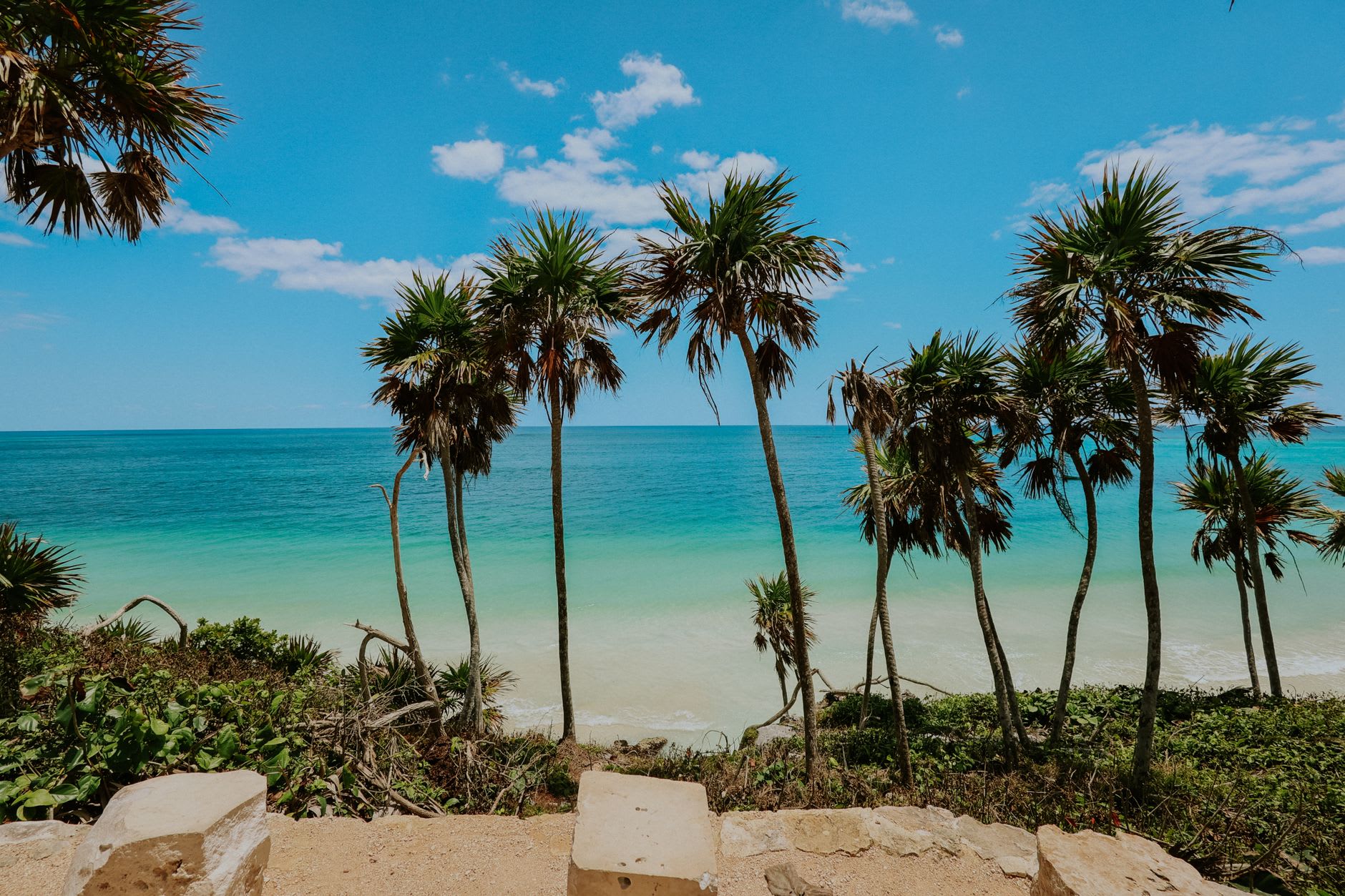
Whale season (November to March) coincides with Tulum's loveliest dry-season weather — warm days, low humidity, and calm Caribbean seas. It is also peak season for cenote swimming, Sian Ka'an tours, and visits to the cliff-top Mayan ruins overlooking the turquoise sea.
Tips for a Great Experience
For the best chance of seeing humpback whales at their most active, plan your whale watching excursion for late January or February. Book an early morning departure for calmer seas and better light.
While you are basing yourself in Tulum during whale season, our team recommends pairing the whale watching day trip with these local highlights:
- Gran Cenote or Dos Ojos: Swim in crystal-clear freshwater the morning before or after your whale tour.
- Tulum Mayan Ruins: The only ancient Mayan city perched directly above the Caribbean — stunning at sunrise.
- Sian Ka'an Biosphere Reserve: A UNESCO-protected mosaic of mangrove lagoons, coral reef, and tropical forest just south of Tulum.
- Akumal: Thirty minutes north, you can snorkel with wild green sea turtles in the bay — a year-round complement to the offshore whale experience.
It is also worth following Semarnat regulations diligently, both on the whale tour and when snorkelling Tulum's reefs. Choosing ethical operators and respecting the environment ensures that these majestic animals and spectacular ecosystems are safeguarded for generations to come.
Related posts
- 8 Must-Try Local Dishes in Tulum
auto_awesome Continue exploring Tulum
You Might Also Like
 article Adventures calendar_today Apr 1, 2024
 How To Spot Whales And Dolphins On An Unforgettable Tour Near Tulum
Tulum sits on the turquoise Caribbean coast of Mexico, and the surrounding waters are rich with marine life – from playf
 article Whale Watching calendar_today Mar 23, 2024
 How to Plan Your Trip for the End of Whale Watching Season Near Tulum
Humpback whale season in the waters off Mexico's Yucatán Peninsula runs November through March, and the final weeks brin
article Dolphins calendar_today Mar 9, 2024 The Best Time to See Whales and Dolphins in Tulum
As avid travelers and ocean lovers, few things compare to watching humpback whales breach the turquoise waters of the Ca