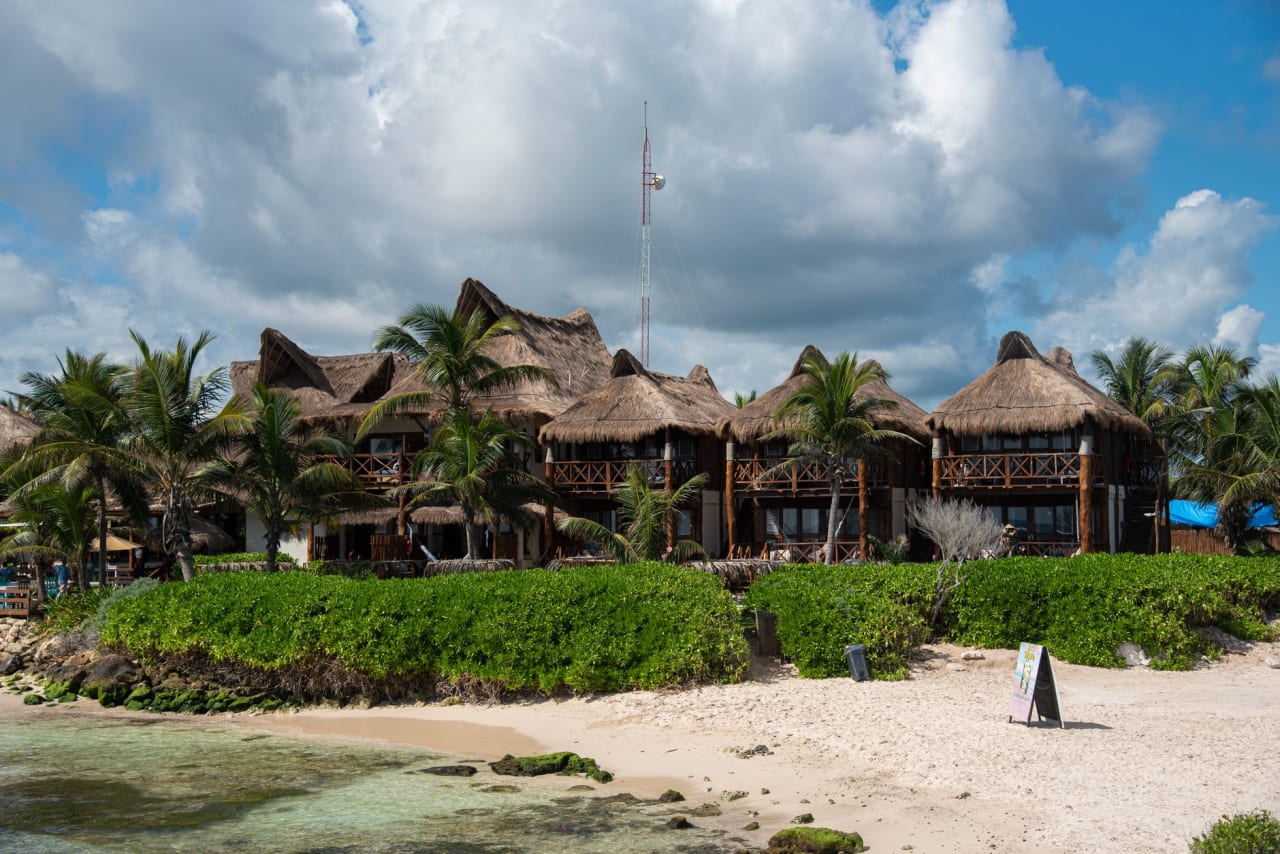
How to Plan Your Trip for the End of Whale Watching Season Near Tulum
Setting the Scene
The end of whale watching season near Tulum paints a picture unlike any other on Mexico's Caribbean coast. From November through March, humpback whales migrate through the warm waters of the Yucatán Channel, and the closing weeks of the season — late February into early March — often deliver some of the most thrilling encounters of the year as mothers and calves linger before their long journey north. We on the DestinosMX team have timed our visits to coincide with this finale, and it never disappoints.
One important detail travelers often miss: whale watching departures for the Tulum area leave from Cancún or Isla Mujeres, not from Tulum's beach zone. The Caribbean reef system and the protected Sian Ka'an coastline south of Tulum are not the departure points for offshore whale excursions. Plan to travel roughly 130 km north to Cancún, or take a colectivo along Highway 307 — but the reward is absolutely worth the ride.
Planning Your Adventure
Timing and Accommodation

When does whale watching season end near Tulum? The season peaks December through February and winds down through March. If you want the best chance of spotting humpbacks while also enjoying Tulum at its most comfortable, aim for late February or early March — the weather is sunny and dry, the Caribbean is warm and turquoise, and crowds are slightly thinner than peak holiday weeks. Accommodation in both Tulum Pueblo and the Zona Hotelera fills up fast during high season, so book at least four to six weeks in advance. The eco-boutique hotels along the jungle road between Aldea Zama and the beach are especially popular and sell out early.
Beyond Whale Watching
Our team's experience here confirmed what repeat visitors always say: Tulum is far more than one experience. When whale season wraps up, the rest of this corner of Quintana Roo is in full spectacular form. Spend a morning at the Tulum Mayan ruins — the only ancient walled city perched directly above the Caribbean Sea — and time your visit early to beat the crowds and catch the light over the turquoise water below. Afterwards, cool off at Gran Cenote, just a short bike ride from the Tulum Pueblo, where you can snorkel through crystal-clear freshwater caves surrounded by stalactites. Other cenotes worth your time include Dos Ojos, Cenote Azul, and Jardín del Edén — each with its own personality and depth. For wildlife with a different twist, head 30 minutes north to Akumal, where wild sea turtles graze the shallow reef grass year-round and you can snorkel alongside them without a boat. For a half-day adventure further afield, the Sian Ka'an Biosphere Reserve — a UNESCO World Heritage site south of Tulum — offers mangrove lagoon tours, bird watching, and a rare glimpse of coastal wilderness.
Tips and Practical Advice

Here are a few tips our Tulum team always shares with travelers joining the end-of-season whale watching tour:
- Book your boat tour early: Reputable operators in Cancún and Isla Mujeres limit boat capacity for responsible wildlife viewing. Spots sell out, especially on weekends in February and March.
- Dress in layers for the boat: Even in late February, offshore breezes on a morning departure can feel brisk. A light windbreaker and reef-safe sunscreen are essentials.
- Respect the whales: Responsible operators follow SEMARNAT guidelines — no swimming with humpbacks, minimum approach distances. Choose a tour that enforces these rules.
- Plan your transport: From Tulum, ADO buses run to Cancún regularly (roughly 2 hours), or you can rent a car or scooter and combine the whale trip with stops along the Riviera Maya. Colectivos (shared vans on Hwy 307) are the cheapest option if you're flexible on timing.
- Fill the rest of your stay with cenotes: Tulum's cenote circuit is world-class. Rent a bike in Tulum Pueblo and ride to Gran Cenote; arrange a day tour to Dos Ojos for cave diving or snorkelling. These experiences complement the open-ocean whale excursion beautifully.
A Heartfelt Farewell to the Season
Witnessing the last humpbacks of the season — mothers shepherding calves southward through the Yucatán Channel — is one of those experiences that recalibrates your sense of scale. Every end is a new beginning, and in Tulum's case, the close of whale season simply signals that it's time to shift your gaze from the horizon to the turquoise depths below: the cenotes, the reef, the ruins rising from the cliffs above the Caribbean Sea.

So fellow travelers, don't wait. The end of whale season in the Tulum region is one of the most rewarding windows to visit — offshore drama by morning, cenote magic by afternoon, and the jungle-meets-Caribbean atmosphere of the Zona Hotelera at sunset. Tulum is ready to add unforgettable colors to your travel canvas.
auto_awesome Continue exploring Tulum
You Might Also Like
 article Adventures calendar_today Dec 4, 2024
 Complete Guide to Whale Watching Season Near Tulum
Humpback whales visit the warm Caribbean waters off the Yucatán Peninsula every winter. Here is everything you need to k
 article Dolphins calendar_today Mar 9, 2024
 The Best Time to See Whales and Dolphins in Tulum
As avid travelers and ocean lovers, few things compare to watching humpback whales breach the turquoise waters of the Ca
 article Whale Watching calendar_today Feb 28, 2024
 The Behavior Pattern of Tulum Whales
As you gaze across the turquoise waters of the Caribbean Sea from Tulum’s coast, there’s a sense of something grand stir