The Behavior Pattern of Tulum Whales
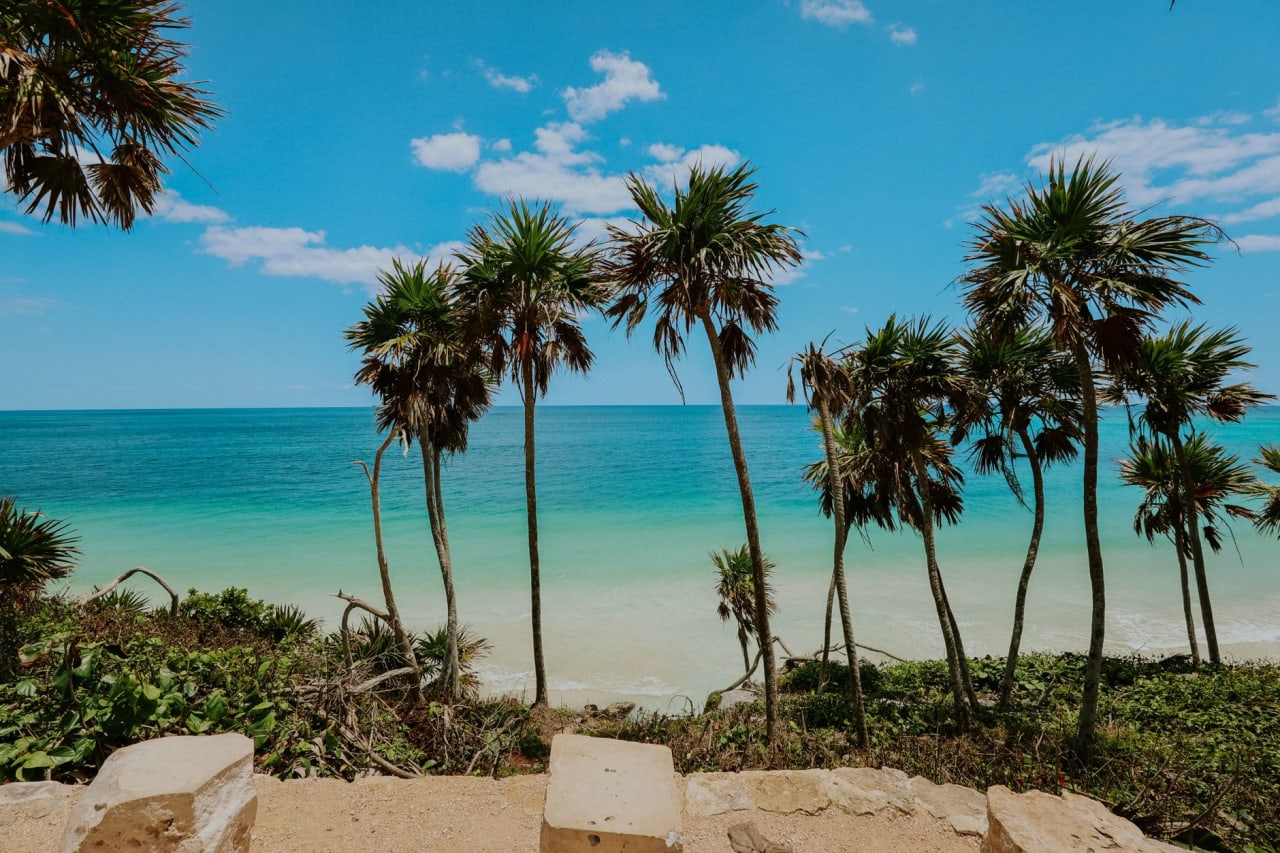
As you gaze across the turquoise waters of the Caribbean Sea from Tulum’s shoreline, there’s a sense of something grand and hidden beneath the calm, warm surface. A breathtaking destination where ancient Mayan heritage meets an extraordinary underwater world. Each year, from November through March, that underwater world delivers one of nature’s greatest spectacles: the seasonal migration of humpback whales through the waters of the Yucatán Peninsula.
The Delight of Whale-Watching Near Tulum
Whale-watching excursions from the Tulum region are not just a popular seasonal activity — they’re a genuinely humbling experience that stays with you long after you’ve returned to shore. The thrill of watching a humpback breach the surface, exhale a towering spout, and slip back into the deep Caribbean blue is unlike anything else. Our Tulum team has joined these tours, and we can tell you firsthand: the encounters are remarkable.
Departures typically leave from Cancún or Isla Mujeres, roughly 130 km north of Tulum along the Riviera Maya corridor. Most guests from Tulum book the full-day tour, which includes transport up the coast, time on the water with a bilingual naturalist guide, and often a stop to snorkel the reef on the return. We recommend booking early in the season (November or December) when whale sightings tend to be most frequent.

Understanding Humpback Whale Behavior Patterns
A closer look at these marine mammals reveals intricate behavior patterns shaped by millions of years of evolution. Humpbacks that pass through the waters off the Yucatán Peninsula during winter months are typically breeding and calving — the warm, shallow Caribbean waters provide ideal conditions for mothers and newborns. On a good day out on the water, you may observe:
- Breaching — the whale launching its full body out of the water
- Tail-slapping (lobtailing) — thought to be a form of communication or play
- Pec-slapping — striking the water with a long pectoral fin
- Spy-hopping — rising vertically to observe the surface world
Studying these whale migration patterns in this idyllic corner of the Caribbean, you can’t help but appreciate the harmony of marine life that surrounds the Riviera Maya.
Significance Beyond Observation
What’s fascinating about these behavior patterns goes beyond the spectacle itself, influencing the survival and protection of the species and the health of local marine ecosystems. As our Tulum team understands it, the marine world surrounding Tulum is a living, interconnected system. Responsible whale-watching — keeping safe distances, using low-wake vessels, and working with certified guides — directly contributes to the long-term preservation of these animals and the reef environments they pass through.

The Unmissable Marine Life of the Caribbean
The vast Caribbean canvas surrounding Tulum is filled with a rich diversity of marine life year-round — not just during whale season. The Mesoamerican Barrier Reef runs along this coastline, making the waters off Tulum a paradise for snorkellers and divers. Closer to home, Akumal (just 30 minutes north of Tulum) is famous for wild sea turtles that glide through the bay year-round, completely unhurried. South of Tulum, the Sian Ka’an biosphere reserve — a UNESCO World Heritage site — protects vast lagoons, mangroves, and offshore waters teeming with manatees, dolphins, and countless reef fish. Every encounter with these extraordinary species, from the vibrant reef fish of the Caribbean Sea to the ancient sea turtles of Akumal, adds to the richness of your experience here.
Reflections and Further Adventures
The uniqueness of witnessing whales in the waters near Tulum and the significance of their behavior patterns is truly immeasurable. As the sun sets on your time here, we think you’ll find that every encounter — whether it’s a whale breach offshore, a sea turtle gliding beneath you at Akumal, or the silence of a cenote dive — leaves you changed. We invite our readers to embark on their own journey of discovering Tulum’s extraordinary marine wildlife.

A Call to Explore
Our journey through whale watching in the Tulum region — learning their behavior patterns, understanding their seasonal habits, and watching them move through the warm Caribbean waters — has been a testament to the magic this part of Mexico holds. We invite you to visit, to dive in (literally — the cenotes are waiting), and to explore the remarkable marine life of the Yucatán Peninsula to its fullest.
When to See Whales in Tulum
The whale watching season in the Riviera Maya runs from November through March, with peak sightings in January and February. Humpback whales migrate along the coast, and spotted dolphins are present year-round. Early morning tours departing from Cancún or Isla Mujeres offer the best chances of close encounters.
arrow_forward Book a Whale Watching Tourauto_awesome Continue exploring Tulum
You Might Also Like
 article Adventures calendar_today Dec 4, 2024
 Complete Guide to Whale Watching Season Near Tulum
Humpback whales visit the warm Caribbean waters off the Yucatán Peninsula every winter. Here is everything you need to k
 article Uncategorized calendar_today Feb 8, 2024
 10 Amazing Facts About Whales and Dolphins in Tulum
Hey, fellow travelers! It's the DestinosMX team here, writing to you from the turquoise shores of Tulum. We've come to e
 article Uncategorized calendar_today Jan 25, 2024
 My Personal Experience on a Whale Watching Tour Near Tulum
I’ve always chased that electric moment when the ordinary becomes extraordinary. That search brought me to the turquoise