My Personal Experience on a Whale Watching Tour Near Tulum
I’ve always chased that electric moment when the ordinary becomes extraordinary. That search brought me to the turquoise Caribbean coast of Tulum – and ultimately onto a boat heading out from Isla Mujeres toward open water, heart pounding, binoculars in hand, waiting for the first breach of a humpback whale.
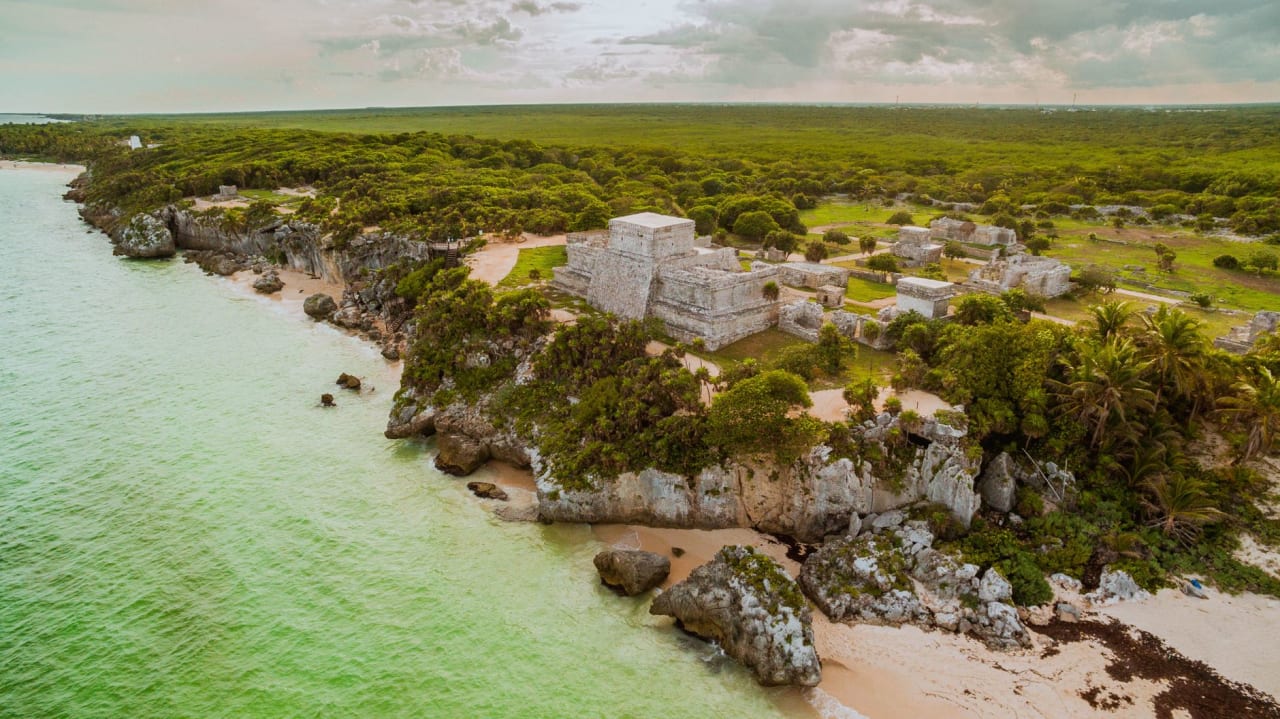
Tulum is famous for its clifftop Mayan ruins, cenotes, and eco-chic jungle hotels – but what many visitors don’t realize is that the wider Yucatan Peninsula offers one of Mexico’s most underrated wildlife spectacles: whale watching excursions in the Caribbean departing from nearby Cancun and Isla Mujeres. Between November and March, humpback whales pass through these warm waters on their annual migration, and if you time your Tulum trip right, you can add this jaw-dropping experience to your itinerary.
Our DestinosMX team joined one of these tours on a crisp January morning, and what unfolded over the next several hours left us completely speechless. This is that story.
Setting the Scene: The Whale Watching Tour
The Background
Whale watching in this region operates from Cancun and Isla Mujeres, roughly a 90-minute drive north of Tulum along Highway 307 – an easy transfer by ADO bus, colectivo, or rental car. Our tour departed from the Isla Mujeres ferry pier just after dawn, while the Caribbean was still glassy and the air smelled of salt and possibility.
The species you’re most likely to encounter offshore are humpback whales (Megaptera novaeangliae), which visit the Mexican Caribbean between November and March. These gentle giants can reach 16 metres in length and weigh up to 30 tonnes – facts that feel abstract until one surfaces ten metres from your boat.
The Boat and the Crew
We boarded a mid-size vessel with a bilingual naturalist guide whose knowledge was extraordinary. He explained migration patterns, explained how humpbacks communicate through complex songs, and made sure every passenger understood the importance of keeping a respectful distance from the animals – no chasing, no engine revving near the whales, no flash photography.
The Caribbean here is a different creature from the sheltered lagoons of the Tulum Hotel Zone. Once you clear the reef, the water deepens rapidly and takes on a magnificent cobalt hue. Frigate birds circled overhead. Flying fish skimmed the surface. The anticipation on deck was palpable.
The First Encounter
A Blow on the Horizon
About 40 minutes offshore, our guide pointed starboard. A spout of mist – three metres high, unmistakable – rose above the swells. The engine quieted to a low murmur as we drifted closer. Then: a massive dark back arched above the surface, water streaming off its flanks like liquid silver.
I had seen whales in documentaries. I had imagined this moment many times. Nothing prepared me for the sheer scale of the animal, the deep whoosh of its exhalation, or the way time seemed to slow as its flukes rose high into the Caribbean sky before it dove back into the deep.
Breaching and Tail Slapping
Over the next two hours we tracked a mother and calf pair. The calf, perhaps a few weeks old, was playful in a way that made everyone on deck laugh out loud – it kept breaching enthusiastically, crashing back into the water in explosions of white foam while its mother watched patiently nearby. The naturalist explained this behaviour is believed to be both play and practice: the calf is learning the acrobatics it will perform for the rest of its life.
We also witnessed tail slapping (also called lobtailing) – the whale raising its enormous flukes above the surface and slapping them down with a thunderous crack that echoed across the water. The sound reached us a half-second after the impact, like distant thunder. Passengers who had been composedly taking photos dissolved into spontaneous applause.
Why Whale Watching Pairs Perfectly with a Tulum Trip
Combine Wildlife with Culture and Cenotes
What makes adding a whale watching day to a Tulum holiday so rewarding is the contrast. In the morning you can be offshore watching humpbacks breach against a horizon of open Caribbean; by afternoon you can be floating in the crystalline freshwater of Gran Cenote or snorkelling the coral garden at Casa Cenote, ten minutes from your hotel. No other destination in Mexico offers that combination so effortlessly.
Our team recommends building at least a day trip to Cancun or Isla Mujeres into your Tulum itinerary during whale season (November through March). The transfer is straightforward: take a colectivo or ADO bus north on Highway 307, catch the ferry to Isla Mujeres, and join a morning tour. You can be back in the Tulum Hotel Zone in time for sunset cocktails.
Wildlife Encounters Beyond the Whales
Even on the boat ride out and back, the Caribbean rewards the attentive traveller. We spotted bottlenose dolphins riding the bow wave, a loggerhead sea turtle surfacing briefly near the reef, and several species of pelagic seabirds. If you want guaranteed sea turtle encounters closer to Tulum itself, our team strongly recommends visiting Akumal – just 30 minutes north – where wild green sea turtles feed on sea grass in the bay year-round.
Practical Tips for Your Whale Watching Excursion
When to Go
The humpback whale season in the Mexican Caribbean runs November through March, with peak sightings typically in January and February. This aligns beautifully with Tulum’s high season, when the weather is dry, warm, and consistently sunny – ideal conditions both for whale watching and for exploring the ruins at Tulum Archaeological Zone or day-tripping to the Sian Ka’an Biosphere Reserve.
What to Bring
- Sunscreen (reef-safe, as always in the Caribbean) and a hat – you’ll be on deck for several hours
- Polarized sunglasses to cut the Caribbean glare and spot blows on the water
- Light layers – mornings offshore can be breezy even in winter
- Binoculars if you have them, though your guide will point out every sighting
- Sea-sickness remedy if you’re sensitive – once outside the reef the swells can be significant
- A dry bag for your phone and camera – sea spray is inevitable when a humpback surfaces nearby
Booking Your Tour
We recommend booking through a reputable operator that follows responsible whale watching guidelines: minimum approach distances, engines off near the whales, no harassing behaviour. Look for tours that include a bilingual naturalist guide and limit group size to 15–20 passengers for a more personal experience. Book your whale watching tour here and our team will take care of the logistics from your Tulum hotel.
The Moment That Stays With You
Near the end of our tour, as we were preparing to head back toward Isla Mujeres, a single adult male surfaced alongside the boat – close enough that we could see the barnacles on its jaw, the pleated grooves of its throat, the patient dark eye that broke the surface for just a moment before it rolled and dove again.
In that instant, everything else fell away. Not the heat, not the upcoming dinner reservation in Tulum Pueblo, not the social media posts waiting to be written. Just the whale, the turquoise Caribbean Sea, and the profound reminder of how much wild wonder still exists in this world.
That is why we keep travelling. That is why we keep recommending Tulum – not just for its cenotes and ruins and coconut cocktails, though those are all magnificent – but because the Yucatan Peninsula has a way of giving you experiences that reset something deep inside you.
If you’re planning a trip to Tulum between November and March, do not miss the chance to add a whale watching day to your itinerary. Your future self will thank you for it.
— The DestinosMX Tulum Team
auto_awesome Continue exploring Tulum
You Might Also Like
 article Adventures calendar_today Dec 4, 2024
 Complete Guide to Whale Watching Season Near Tulum
Humpback whales visit the warm Caribbean waters off the Yucatán Peninsula every winter. Here is everything you need to k
 article Uncategorized calendar_today Jan 24, 2024
 The Ultimate Guide to Dolphin Watching in Tulum
Tulum is a vibrant jewel on Mexico’s Caribbean coast, celebrated for its ancient Mayan ruins, crystal-clear cenotes, and
 article Dolphins calendar_today Dec 25, 2023
 Key Aspects About Dolphin and Whale Watching Near Tulum
As a travel writer based in the Riviera Maya, I've had the privilege of exploring the Caribbean waters around Tulum, whe