10 Fascinating Facts about Dolphins in Tulum
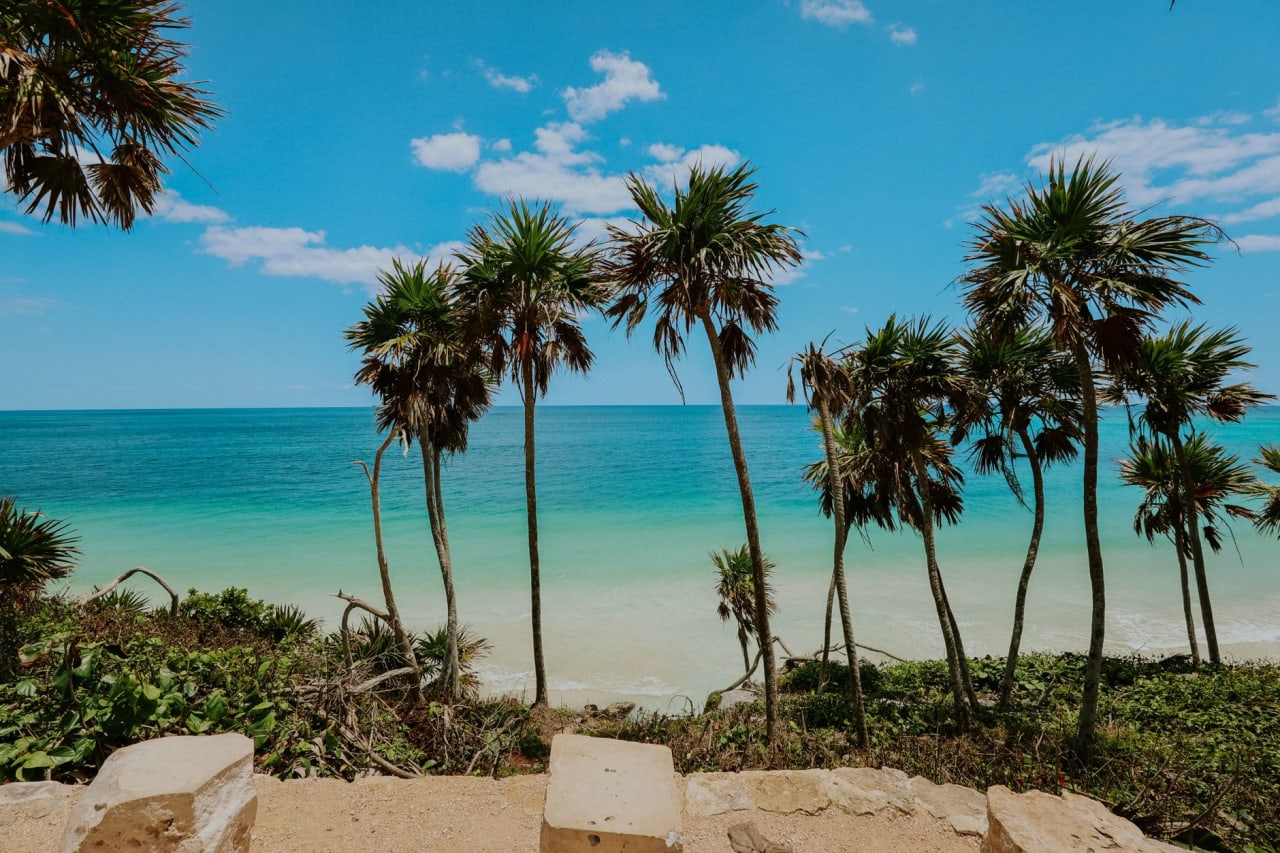
Picture this: the sun blazing overhead, your toes in the soft white sand of Tulum Beach, and the warm turquoise waters of the Caribbean stretching endlessly before you. Then, just offshore, a sleek grey fin breaks the surface. Dolphins in Tulum are more than a lucky sighting — they are a window into one of the most vibrant marine ecosystems on the planet. Our team spent time exploring the Caribbean coast with local guides, and what we learned about these incredible animals will change the way you see the sea.
The waters off Tulum sit within the Mesoamerican Barrier Reef System, the second-largest coral reef in the world. This rich underwater habitat supports an extraordinary diversity of marine life — and dolphins are among its most charismatic residents. Whether you spot them from a boat tour, a catamaran, or while snorkelling the reef, an encounter with these animals is an experience that stays with you long after you leave the Riviera Maya.
We put together ten of the most fascinating facts about dolphins in Tulum to help you understand, appreciate, and responsibly enjoy these magnificent creatures during your visit.

1. The Caribbean Sea Off Tulum Is Prime Dolphin Territory
Tulum sits on the Caribbean coast of Quintana Roo, roughly 130 km south of Cancún along the Riviera Maya corridor. The warm, clear waters here — famous for their brilliant turquoise colour — are also exceptionally rich in fish, squid, and other dolphin prey. The Mesoamerican Barrier Reef provides a complex structure of channels and drop-offs that dolphins use for feeding, shelter, and social interaction. In short, this is exactly the kind of environment dolphins love.
2. Bottlenose Dolphins Are the Most Common Species You Will See
The Common Bottlenose dolphin (Tursiops truncatus) is the species most frequently encountered on boat tours and catamaran excursions out of Tulum and Playa del Carmen. Recognisable by their robust bodies, long rostrum (the distinctive "beak"), and their permanently "smiling" expression, bottlenose dolphins are highly social animals that travel in pods of anywhere from five to thirty individuals. They are curious by nature and will often approach boats, riding the bow wave with obvious enthusiasm.
3. Spinner Dolphins Also Frequent These Waters
Less well-known than the bottlenose, Spinner dolphins (Stenella longirostris) are a genuine treat to encounter. Slender, acrobatic, and extraordinarily energetic, spinners are named for their habit of leaping from the water and spinning on their longitudinal axis — sometimes completing seven full rotations in a single jump. Our guides tell us that spinner dolphins are regularly spotted on open-ocean tours departing from the Zona Hotelera, particularly in the early morning when pods are most active at the surface.
4. Dolphins Communicate Through an Elaborate Acoustic Language
One of the most astonishing facts about dolphins is their acoustic intelligence. Dolphins produce a wide repertoire of clicks, whistles, and burst-pulse sounds. The clicks function as echolocation — a biological sonar system that allows them to build a precise three-dimensional picture of their environment, locating fish in murky water or mapping the reef structure below. Whistles, particularly the unique "signature whistle" that each dolphin develops in infancy, function more like names — a way of identifying individuals within the pod across distances of several kilometres.
5. They Are Apex Predators That Keep the Reef Ecosystem in Balance
In Tulum's Caribbean waters, dolphins sit near the top of the food chain. As apex predators, they play a vital regulatory role: by hunting reef fish, squid, and small pelagic species, they prevent any single prey population from exploding and destabilising the food web below. Marine biologists who study the Mesoamerican Barrier Reef consider dolphin populations a key bio-indicator — when dolphins are healthy and abundant, it is a strong signal that the broader reef ecosystem is functioning well.
Dolphins as a Window into Ocean Health
Because dolphins are long-lived (bottlenose dolphins can live 40–50 years), bioaccumulate toxins, and are sensitive to changes in prey availability, their health mirrors the health of the sea around them. Researchers from Mexican universities and international NGOs regularly conduct photo-identification surveys in the waters between Tulum and Sian Ka'an, cataloguing individuals by the unique notches and markings on their dorsal fins. This data helps track population trends and assess the impact of boat traffic and tourism on these animals.

6. The Sian Ka'an Biosphere Reserve Is a Critical Dolphin Sanctuary
Just south of Tulum's hotel zone lies the Sian Ka'an UNESCO Biosphere Reserve, one of the largest protected areas in Mexico covering more than 500,000 hectares of tropical forest, mangrove lagoons, and Caribbean coastline. The reserve's lagoon systems and coastal waters provide calving grounds and nursery habitat for dolphins. Tours into Sian Ka'an regularly encounter dolphins in the calm channels between mangroves — a genuinely otherworldly setting in which to observe these animals moving peacefully through crystalline water.
7. Dolphins Sleep Differently From Almost Every Other Mammal
Here is a fact that consistently surprises our guests: dolphins never fully lose consciousness when they sleep. Because they are voluntary breathers — meaning they must consciously decide to breathe, unlike humans who do so automatically — going fully unconscious would be fatal. Instead, dolphins practise unihemispheric slow-wave sleep: they shut down one hemisphere of the brain at a time while the other remains alert, keeping one eye open to watch for predators and to surface for air. You may observe this as a dolphin "logging" at the surface, barely moving for minutes at a time — they are, quite literally, half asleep.
8. Mother-Calf Bonds Are Exceptionally Strong
Dolphin calves are born tail-first after an eleven-to-twelve-month gestation period. They nurse for up to three to six years — an unusually long lactation period for a marine mammal — and remain closely bonded to their mothers throughout adolescence. Female bottlenose dolphins have been documented maintaining close social relationships with their adult offspring for decades. On boat tours off Tulum's Zona Hotelera, our guides can often identify mother-calf pairs by the tight, synchronised swimming pattern they maintain: the calf stays in the mother's slipstream, a position called echelon position, which reduces the energy the young dolphin needs to expend while it is still growing.
9. They Share These Waters With Sea Turtles and Manatees
One of the magical things about the Caribbean waters of Tulum is the sheer richness of the megafauna. Dolphins share their habitat with loggerhead, hawksbill, and green sea turtles — all three species nest on the beaches between Tulum and Sian Ka'an from May through October. Just 30 minutes north at Akumal, you can snorkel alongside wild green sea turtles year-round. West Indian manatees are also present in the lagoon systems of Sian Ka'an. Encountering all three in a single morning on the water — dolphins, turtles, and manatees — is an experience that our Tulum team considers one of the greatest privileges this coastline offers.
Responsible Wildlife Watching in Tulum
Precisely because this marine environment is so rich, it is important to choose your tours carefully. We recommend operators who follow the Mexican Official Standard NOM-131-SEMARNAT guidelines for whale and dolphin watching — vessels should not approach within 60 metres of a pod, should not pursue animals, and should never allow passengers to enter the water to swim with wild dolphins. Responsible wildlife tourism is what keeps these encounters possible for future generations.

10. Dolphin Watching Is Part of a Wider Marine Adventure in Tulum
What makes dolphin watching in Tulum truly special is the context in which it happens. You are not just spotting dolphins — you are doing so against the backdrop of ancient Mayan cliff-top ruins visible from the water, above a coral reef that stretches the length of Central America, within sight of the white-sand coastline of one of the world's most iconic beach destinations. A morning boat tour from the Zona Hotelera might bring you face-to-face with a pod of bottlenose dolphins, then take you snorkelling on the reef before dropping you off at Playa Paraíso for lunch.
For those who want to dive deeper — literally — the cenotes of Tulum offer a completely different kind of encounter with the natural world. Gran Cenote, Dos Ojos, and Casa Cenote are among the most celebrated freshwater sinkholes on earth, their crystalline caverns home to turtles, fish, and an eerie, beautiful underwater light. While you won't find dolphins in the cenotes, combining a morning dolphin tour with an afternoon cenote swim is, in our experience, one of the finest ways to spend a day in Tulum.
Dolphins remind us that Tulum's magic is not only in its ruins and its cenotes and its wellness retreats — it is also out there on the open Caribbean, in the flash of a dorsal fin, in the effortless arc of a leap, in the curious eye of an animal that has as much claim to these waters as any traveller who comes seeking them. We hope these ten facts inspire you to look a little more closely at the sea the next time you stand on Tulum Beach. The view, we promise, rewards the attention.
auto_awesome Continue exploring Tulum
You Might Also Like
 article Adventures calendar_today Dec 4, 2024
 Complete Guide to Whale Watching Season Near Tulum
Humpback whales visit the warm Caribbean waters off the Yucatán Peninsula every winter. Here is everything you need to k
 article Adventures calendar_today Nov 9, 2023
 5 Essential Tips for Whale Watching Near Tulum
Hi there! We’re the DestinosMX team, and few wildlife encounters match the sheer awe of watching a humpback whale breach
 article Adventures calendar_today Oct 11, 2023
 7 Eco-Friendly Practices for Exploring Tulum's Natural Wonders
Hey there! I'm Lucie, a digital nomad who absolutely loves exploring amazing places around the world. I have this insati