A Visitor’s Guide to Enjoying the November Fishing Contest in Tulum
Each November, as the heat of summer softens into something more forgiving, the Caribbean waters off Tulum come alive with a special kind of energy. Fishing boats thread out from the coast at dawn, anglers check their lines one last time, and a whole community gathers around the shared thrill of the catch. This is the November Fishing Contest in Tulum — and for anyone who loves the sea, it is one of the most memorable weeks the Riviera Maya has to offer.
Tulum sits on the Caribbean coast of Quintana Roo, roughly 130 kilometres south of Cancun, where the waters of the Caribbean Sea run a deep, jewelled turquoise. The reef-protected bay creates conditions that are calm enough for families yet rich enough in marine life to satisfy serious sport fishers. Add the backdrop of ancient Mayan cliff-top ruins watching over the coast, and you have a fishing experience that is unlike anything else in Mexico.
Our Tulum team has covered this contest for several years running. Below is everything we have learned — from the history of the event to where to stay, what to eat, and how to make the most of every hour on and off the water.
An Overview of the Fishing Contest
The November Fishing Contest in Tulum is a storied event, deeply woven into this coastal town’s identity. What started as a friendly competition among local fishermen has grown into a multi-day celebration that draws anglers from across Mexico and beyond. It sits as a much-anticipated bookmark in the Caribbean calendar — a living tribute to Tulum’s fishing heritage and to the sustainable practices that protect it.
The contest typically unfolds over several days in mid-to-late November, taking advantage of the excellent offshore conditions that come with the season. November marks the transition into the dry season on the Yucatan Peninsula: wind picks up just enough to keep things interesting, water temperatures remain warm, and baitfish are abundant — which means the bigger pelagic species are never far behind.
The History and Importance of the November Fishing Contest
Tulum has a deep relationship with the sea that predates tourism by centuries. The ancient Maya who built the clifftop city — now the famous Tulum Ruins — were skilled coastal traders and fishermen. The November contest honours that legacy in a modern key, bringing together professional captains, sport fishing enthusiasts, and curious visitors under the same sun-bleached flag.
Over the years the event has become an important platform for conversations about marine conservation in the Mesoamerican Barrier Reef system — the second largest coral reef in the world, which runs along this coast. Catch-and-release categories have grown in popularity, and organizers work closely with local dive and snorkel operators to raise awareness of reef health. Fishing here is not just a sport; it is a responsibility.
Each year the contest draws participants from all walks of life — excited novices casting a line for the first time alongside seasoned offshore anglers chasing trophy sailfish. It also attracts a significant number of spectators who come for the festive atmosphere, the seafood, and the chance to watch the weigh-ins from the dock. If you have never been, the communal energy alone is worth the trip.
Target Species and What to Expect on the Water
The Caribbean waters off Tulum are home to an impressive roster of sport fish. November is particularly good for:
- Sailfish — the glamour fish of the Riviera Maya. Fast, acrobatic, and spectacular on the fight, sailfish are the most coveted catch of the contest and are almost always released after photos.
- Mahi-mahi (dorado) — colourful, delicious, and plentiful in November as they follow the warm Caribbean currents.
- Wahoo — a torpedo of a fish, wahoo hit hard and run fast. Experienced anglers rate them among the best sport fish on the coast.
- Tuna — yellowfin tuna school in deeper water offshore and provide heart-pounding action for those willing to push further out.
- Barracuda and jack crevalle — closer to the reef edge, these species keep inshore anglers busy throughout the contest days.
Most contest charters depart from the small boat launches along the Zona Hotelera (the coastal hotel strip) or from Puerto Morelos to the north, depending on the captain. Trips typically run from dawn until early afternoon, giving participants time to clean up and enjoy the evening festivities back in town.
Where to Stay During the Contest
Accommodation in Tulum fills up quickly in November, so booking well in advance is essential. The destination has something for every budget and style, and your choice of neighbourhood will shape your entire experience.
Zona Hotelera — Closest to the Action
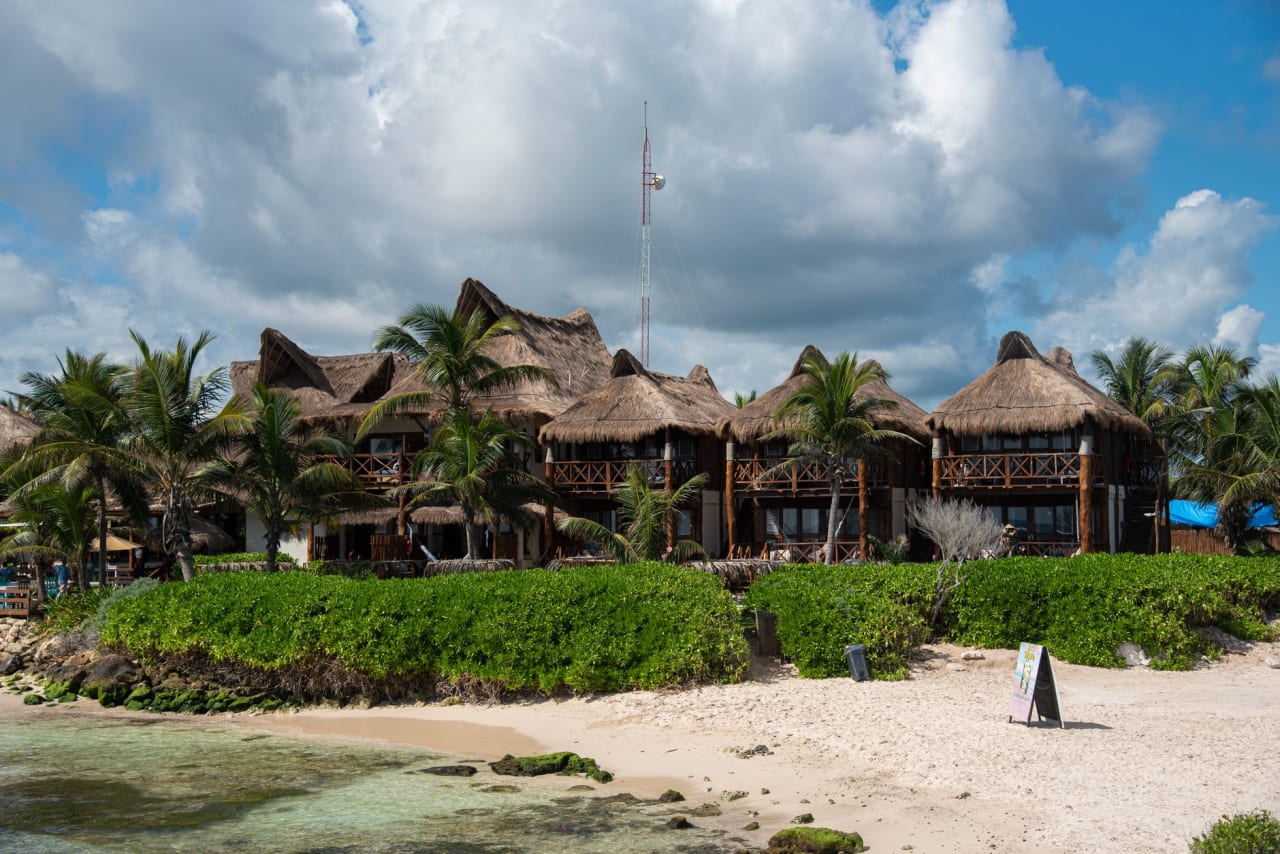
If you want to be as close to the boats as possible, the Zona Hotelera is the logical choice. This is Tulum’s beach hotel strip — a narrow road running parallel to the Caribbean coast, lined with eco-chic boutique hotels, open-air restaurants, and yoga studios tucked between the palms. Properties here range from rustic beachfront cabanas to stylish design hotels with infinity pools overlooking the turquoise sea.
Staying in the Zona Hotelera means you can walk or cycle to the dock, watch the sunrise over the Caribbean before your charter departs, and collapse into a hammock with a cold drink the moment you return. It is the most atmospheric — and most expensive — part of Tulum, so budget accordingly.
Tulum Pueblo — The Heart of Town
For a more grounded, local experience, Tulum Pueblo (the town centre) offers a wide range of guesthouses, mid-range hotels, and excellent taco stands that blow anything in the hotel zone out of the water on value. The main strip in Tulum Pueblo buzzes at night with restaurants, mezcal bars, and the kind of easy sociability that makes travel feel effortless.
From the Pueblo it is a short taxi or scooter ride to the coast, and colectivos (shared vans running along Highway 307) make getting around the wider area cheap and straightforward.
Aldea Zama — Jungle Boutique Comfort
Aldea Zama is a quieter residential and boutique zone carved into the jungle between the Pueblo and the coast. If you prefer a calm base with lush greenery, modern amenities, and easy access to both the beach road and the town centre, several excellent small hotels and rental villas here hit a sweet spot between atmosphere and practicality.
What to Do Beyond the Contest
Even if fishing is your primary reason for visiting, Tulum will find ways to fill every spare hour with something extraordinary. November is arguably the best month to explore — crowds are lighter than the December peak, temperatures are comfortable, and the Caribbean water is still warm enough for swimming and snorkelling.
Cenotes — Tulum’s Underground World
No visit to Tulum is complete without at least one cenote. These freshwater sinkholes — sacred to the ancient Maya — dot the jungle around town and offer some of the most beautiful swimming and snorkelling on the planet. Our team recommends:
- Gran Cenote — the most accessible from town, with crystal-clear water, turtles, and stalactites. A classic for good reason.
- Dos Ojos — a twin-cenote system with an extraordinary flooded cave network. One of the top cave-diving sites in the world.
- Cenote Azul — a large open cenote perfect for families and those who prefer open sky overhead.
- Jardín del Edén — lush and relatively uncrowded, with excellent snorkelling and a jungle setting that feels genuinely wild.
- Casa Cenote (also known as Cenote Manatí) — where freshwater meets the Caribbean mangroves, creating a unique brackish ecosystem with manatees passing through seasonally.
Most cenotes are within a 10–20-minute cycle or scooter ride from the Zona Hotelera. Arrive early — before 9 a.m. — to enjoy them before tour groups arrive.
Tulum Ruins — History Above the Sea
The Tulum Archaeological Zone is one of the most photographed Mayan sites in Mexico, and for good reason: the ruins sit on a cliff directly above the Caribbean, with turquoise water crashing against the rocks below. Visiting at sunrise — before the site opens to large groups — is a genuinely moving experience. A small beach at the base of the cliff (Playa Ruinas) is one of the most scenic swimming spots in the entire Riviera Maya.
Sian Ka’an Biosphere Reserve
Just south of Tulum, the Sian Ka’an UNESCO biosphere reserve protects over 500,000 hectares of tropical forest, mangroves, lagoons, and coral reef. Boat tours into the reserve offer the chance to spot crocodiles, manatees, flamingos, and dozens of bird species. The floating channels through the mangrove lagoons — where ancient Maya once paddled their canoes — are among the most peaceful and otherworldly experiences available anywhere in Mexico.
For anglers with an extra half-day, guided fly-fishing for bonefish and permit inside the Sian Ka’an flats is a bucket-list experience that pairs beautifully with a week centred on the November contest.
Snorkelling the Mesoamerican Reef
The coral reef running along Tulum’s coast is part of the Mesoamerican Barrier Reef — the second largest in the world. November water clarity is exceptional, and snorkel tours depart daily from Playa Paraíso and other points along the hotel zone beach road. If you want to swim with wild sea turtles, the town of Akumal (about 30 minutes north on Highway 307) offers reliable turtle encounters year-round in a protected bay. Our team considers it one of the most accessible wildlife experiences on the entire coast.
Where to Eat After a Day on the Water
Tulum’s food scene has evolved into something genuinely special — a collision of strong vegan and organic influences, traditional Yucatecan cooking, and high-end jungle dining that has attracted chefs from around the world. After a long day of fishing, you will not struggle to find a meal worth celebrating.
Tulum Pueblo Taco Stands
For the most honest and affordable eating in town, the taco stands clustered along the streets of Tulum Pueblo are unbeatable. Cochinita pibil (slow-roasted pork), grilled fish tacos, and pastor al carbon served on handmade tortillas — this is Yucatecan street food at its finest, and prices are a fraction of what you will pay in the hotel zone. Our team never misses a late-night stop here after a long day out on the water.
El Camello Night Market
The informal night market atmosphere around El Camello and the surrounding Pueblo streets comes alive after dark with a rotating cast of food stalls, artisan vendors, and live music. It is the most local, least-touristic face of Tulum — and the seafood here, much of it caught that very morning, is exceptional.
Zona Hotelera Restaurants
If you are celebrating a good day on the water, the open-air restaurants along the hotel zone beach road deliver atmosphere in abundance: candlelit tables in the jungle, the sound of the Caribbean a few steps away, and menus that blend Mexican technique with international influences. Prices are high by local standards, but the experience is part of what makes Tulum so distinctive.
Practical Tips for Contest Week
Book Your Charter Early
Quality fishing charters in Tulum are limited, and the best captains fill up weeks or months in advance for contest week. We recommend booking your Tulum fishing tour as soon as you confirm your travel dates. A good captain will brief you on the target species, current conditions, and the contest rules — and will make the difference between a frustrating day and an unforgettable one.
What to Bring on the Boat
- High-SPF reef-safe sunscreen (reef protection rules in Tulum are strict — conventional sunscreens are banned)
- Polarised sunglasses — essential for spotting fish and reducing Caribbean glare
- Light, long-sleeved clothing for sun protection
- Motion sickness tablets if you are prone — offshore Caribbean swells in November can be lively
- A dry bag for your phone, wallet, and camera
- Plenty of water and snacks — most charters provide some refreshments, but supplement generously
Getting Around Tulum During Contest Week
Tulum is spread across two distinct areas — the Pueblo (inland) and the Zona Hotelera (coastal) — connected by a road that can get congested during busy periods. During contest week, we recommend:
- Bicycle or scooter rental — the most flexible and enjoyable way to move between the coast and town
- Colectivos — shared vans running along Highway 307, cheap and frequent, connecting Tulum with Playa del Carmen (45 min north) and Akumal
- Taxis — widely available but negotiate the fare before getting in
- ADO buses — for longer trips to Playa del Carmen, Cancun, or Bacalar, the ADO coach service is comfortable and reliable
Weather and Water Conditions in November
November in Tulum marks the early dry season. Days are warm (27–32°C) and mostly sunny, though brief rain showers are still possible earlier in the month. The Caribbean is calm by offshore standards, though November can bring the first northerly winds (“nortes”) that occasionally push offshore trips back by a day. Your charter captain will monitor conditions and advise if the forecast changes. Water temperature hovers around 28°C — warm enough to snorkel or swim in comfort at the end of a fishing day.
Day Trips Worth Combining With Your Visit
If you build a few extra days around the contest, these destinations are all within easy reach of Tulum:
- Cobá Ruins (45 min) — a dramatic jungle pyramid you can still climb for sweeping views over the canopy
- Playa del Carmen (45 min north) — the Riviera Maya’s liveliest town, with excellent restaurants, nightlife, and the ferry to Cozumel for world-class diving
- Chichén Itzá (2.5 hr) — the most famous Maya site in Mexico and a UNESCO World Heritage site; best visited early to beat the crowds
- Bacalar (3 hr south) — the “Lake of Seven Colours,” a jaw-dropping freshwater lagoon with kayaking, sailing, and a laid-back lakeside town that feels like Tulum did a decade ago
Final Thoughts from Our Tulum Team
The November Fishing Contest is more than a competition — it is a window into what makes Tulum so compelling as a destination. The Caribbean coast here balances natural abundance with a genuine community spirit, and the contest captures both beautifully. We have watched first-time visitors fall completely in love with this place over the course of a single contest week: the early mornings on the water, the cenote swims in the afternoon, the taco stands at night, and the slow pulse of the Caribbean air that makes everything feel a little more vivid than usual.
If you are considering making the trip, our honest advice is simple: go. Book your fishing charter early, stay at least five nights, and leave two afternoons free for the cenotes. You will not regret a minute of it.
Have questions about the November Fishing Contest or planning your Tulum trip? Our team is happy to help — reach out via the contact form below and we will get back to you within 24 hours.
auto_awesome Continue exploring Tulum
You Might Also Like
 article Adventures calendar_today Oct 29, 2021
 60 Things To Do in Tulum
Planning your vacation to Tulum can be a bit overwhelming, especially with so much to do and see. To help you out, we’ve
 article Hot Springs calendar_today Nov 16, 2023
 The Best Time of Year to Take a Cenote Tour in Tulum
My first impression of Tulum was nothing short of magical. Stepping out into the warm Caribbean air, surrounded by lush
 article Adventures calendar_today Nov 10, 2023
 The Types of Fish You Can Catch on a Tulum Fishing Tour
Hello there! Sophia here, globe-trotter, storyteller, and now, somewhat of an amateur angler. After months of planning a