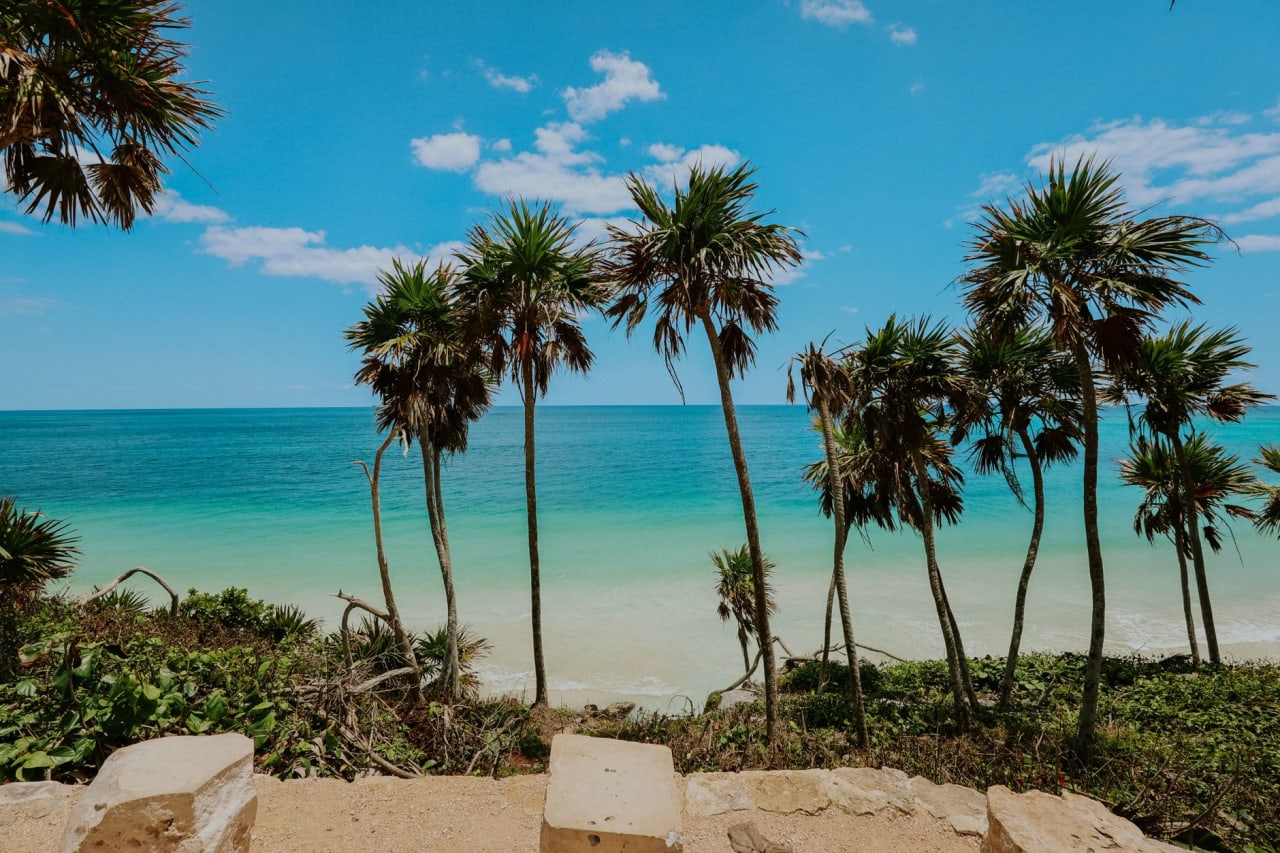
15 Best Beaches in Tulum: Local Favorites
Tulum is a beach lover’s paradise on Mexico’s Caribbean coast. Backed by ancient Mayan ruins and fringed by the turquoise waters of the Caribbean Sea, its coastline is unlike anywhere else in Mexico. Whether you want to float in a crystalline cenote, snorkel a coral reef, or simply stretch out on powdery white sand, there’s a perfect spot here waiting for you. Here’s a quick breakdown:
- Playa Paraíso: Tulum’s most iconic postcard beach, long and dazzlingly white.
- Playa Ruinas: Swim beneath the clifftop Mayan ruins — unforgettable.
- Playa Norte (Zona Hotelera): The lively hotel strip with beach clubs and calm Caribbean waters.
- Gran Cenote: Tulum’s most famous freshwater cenote, perfect for snorkeling.
- Dos Ojos Cenote: A world-class cave-diving and snorkeling system.
- Casa Cenote (Tankah): A rare open-air cenote that meets the sea.
- Akumal Bay: Swim with wild sea turtles, just 30 minutes north.
- Playa Xcacel: A protected sea turtle nesting beach with a cenote.
- Playa Chemuyil: A quiet, family-friendly cove with calm turquoise water.
- Playa Jade: A laid-back stretch popular with locals and in-the-know visitors.
- Jardín del Edén: An open cenote ringed by jungle — snorkeling at its best.
- Cenote Azul: Wide, open, and brilliantly blue — great for families.
- Playa Pescadores: The authentic local beach at the edge of Tulum Pueblo.
- Sian Ka’an Lagoon Beaches: Remote, wild, and part of a UNESCO biosphere reserve.
- Playa Punta Allen: The end of the road — a true off-grid Caribbean escape.
Each of these spots offers something distinct, from eco-tourism and wildlife encounters to wellness retreats and ancient history. For the best experience, visit during the dry season (November–April) when the Caribbean is calm, visibility is high for snorkeling, and the weather is ideal. Ready to dive in? Let’s explore these stunning beaches and water spots.
Tulum’s Beaches – Caribbean Coast, Cenotes, and Wild Shores
1. Playa Paraíso: Tulum’s Most Iconic Beach
Playa Paraíso — Paradise Beach — lives up to its name. This long, powder-white stretch of Caribbean sand is the image that appears on every Tulum postcard, and it deserves every bit of the hype. The water here is a surreal turquoise, warm year-round, and calm enough for easy swimming.
Unlike the busier hotel-zone beaches further north, Playa Paraíso retains a relatively relaxed, open feel. Several beach clubs line the shore, offering sun loungers, fresh ceviche, and cold drinks — but you can also simply lay your towel on the public sand for free.
The beach faces east, so sunrises here are spectacular. We recommend arriving early to claim a good spot before the day-trippers arrive from Cancun and Playa del Carmen.
| Time of Day | Best Activities |
|---|---|
| Early Morning (7–9 AM) | Swimming, photography, watching sunrise |
| Mid-Morning | Snorkeling, paddleboarding |
| Late Afternoon (4 PM) | Beach clubs, cold drinks, golden light photos |
From the iconic shores of Playa Paraíso, we move south along the Zona Hotelera to one of the most dramatic beaches in all of Mexico.
2. Playa Ruinas: Swim Beneath the Mayan Ruins
Playa Ruinas is arguably the most dramatic beach in the Riviera Maya. A small, sheltered cove of blinding white sand sits directly beneath the clifftop Tulum Archaeological Zone, where ancient Mayan temples gaze out over the Caribbean. Swimming here, with the ruins looming above, is an experience that stays with you.
The beach is only accessible from inside the archaeological site (entry fee: approximately 80 MXN), which keeps it far less crowded than the public beaches nearby. The water is shallow, calm, and brilliantly clear — ideal for a cooling dip after touring the ruins on a hot day.
We strongly recommend combining your ruins visit with a swim — pack your swimsuit and a towel when you buy your ticket. Early morning entry (the site opens at 8 AM) gives you the ruins and the beach almost to yourself before the tour groups arrive.
| Time of Day | Experience |
|---|---|
| 8–9 AM | Ruins nearly empty, golden light, quiet beach |
| 10 AM–Noon | Busier ruins, beach still manageable |
| Afternoon | Crowds peak — earlier is always better |
After this once-in-a-lifetime swim, we head north along the hotel zone to discover Tulum’s liveliest coastal strip.
3. Playa Norte / Zona Hotelera: Tulum’s Hotel Strip
The Zona Hotelera is the main beach road of Tulum, a 10-kilometer coastal corridor lined with boutique eco-hotels, jungle lodges, and open-air beach clubs. The beaches along this strip are wide, beautiful, and backed by swaying palms.
This is where Tulum’s famous wellness and bohemian vibe comes alive — morning yoga on the sand, organic smoothie bowls, and sunset DJ sets under the stars. The Caribbean water here is calm, warm, and turquoise, with no significant waves, making it perfect for swimming and snorkeling.

“The Zona Hotelera is the beating heart of Tulum’s beach scene,” says our DestinosMX Tulum team. “Walk or rent a bicycle along the beach road, stop at the beach clubs that call to you, and don’t miss a cold agua de coco as the sun goes down.”
From the lively hotel strip, we head inland to Tulum’s crown jewel — a cenote that has captured the imagination of snorkelers and divers from around the world.
4. Gran Cenote: Tulum’s Most Famous Swimming Hole
Gran Cenote is the cenote that defines the Tulum experience. Located just 3 km west of Tulum Pueblo on the road to Cobá, this stunning freshwater pool is surrounded by jungle, draped with stalactites, and home to curious turtles that glide alongside swimmers without a care.
The water is a breathtaking shade of blue-green and perfectly clear, with visibility that can exceed 100 meters in the underground passages. Snorkelers can explore the open pool and peer into the cave entrance; certified divers can go much deeper into one of the Yucatán Peninsula’s most celebrated cave systems.
Entry costs approximately 500 MXN per person, and equipment rentals (mask, snorkel, fins, life jacket) are available on site. We recommend arriving at opening time (8 AM) on a weekday to beat the rush.
| Activity | Suitable For | Notes |
|---|---|---|
| Snorkeling | All ages | Gear rental available on site |
| Cave diving | Certified divers only | Book with a certified guide |
| Swimming | Everyone | Life jackets provided |
| Turtle spotting | All visitors | Resident turtles almost always present |
Gran Cenote is easily combined with a visit to Cobá ruins for a full day out. From here, we travel a few kilometers further to discover a cenote system that goes even deeper underground.
5. Dos Ojos Cenote: World-Class Cave Snorkeling
Dos Ojos — Two Eyes — takes its name from the two circular openings that look down into an extraordinary underground river system. This is one of the longest explored underwater cave networks on Earth, and it is right in Tulum’s backyard, about 20 km north of the town on Highway 307.
For snorkelers, Dos Ojos offers a guided experience through lit cave passages — a genuinely otherworldly journey through chambers studded with stalactites and stalagmites formed over thousands of years. For cave divers, this site is a pilgrimage destination of global importance.
“Snorkeling Dos Ojos for the first time is something our guests consistently describe as the single most memorable moment of their entire trip to Tulum,” our DestinosMX Tulum team tells us. We agree — it belongs on every itinerary.
| Experience Level | Option | Approx. Cost |
|---|---|---|
| Non-swimmer | Life jacket tour of open cenote | 350 MXN |
| Snorkeler | Guided cave snorkel tour | 700–900 MXN |
| Certified diver | Cave or cavern dive | From 1,800 MXN |
From the deep blue of Dos Ojos, our next stop is a uniquely magical spot where fresh cenote water meets the open Caribbean Sea.
6. Casa Cenote (Tankah): Where Jungle Meets the Sea
Casa Cenote, also known as Cenote Tankah, is one of Tulum’s most special water experiences. This open-air, mangrove-fringed cenote is connected to the Caribbean Sea through an underground channel, creating a rare ecosystem where fresh and saltwater mix — and where the jungle, the cenote, and the sea feel like one continuous world.
Manatees have been spotted here. Nurse sharks occasionally drift through the underground passage from the ocean. Snorkelers float through a living mangrove tunnel alive with fish and aquatic plants. It is utterly unlike any other cenote in the Tulum area.
The cenote is located at Tankah Bay, about 7 km north of Tulum’s hotel zone, and is accessible directly from the beach road. Several small restaurants and palapas serve fresh seafood nearby. Entry is typically free or low cost (around 100 MXN), and kayaks can be rented to explore the mangrove channels.
From this wild meeting of worlds, we drive 30 minutes north to one of the most extraordinary wildlife encounters in the entire Riviera Maya.
7. Akumal Bay: Swim with Wild Sea Turtles
Akumal — which means “Place of the Turtles” in Mayan — delivers exactly what its name promises. This protected coral-sand bay, located about 30 km north of Tulum on Highway 307, is home to a resident population of wild green sea turtles that graze on the seagrass beds year-round.
Simply wade in with a mask and snorkel and within minutes you will almost certainly be floating alongside turtles that are completely at ease with human presence. The bay also hosts spotted eagle rays, tropical fish, and healthy coral formations.

A conservation association manages guided turtle-snorkel tours to protect the animals (and the coral) from overuse. We strongly recommend booking through a responsible operator rather than entering without a guide. Tours depart in the morning when visibility and turtle activity are highest.
| Time | Activity | Notes |
|---|---|---|
| 7–9 AM | Turtle snorkel tour | Best visibility, calmest water |
| Mid-morning | Free snorkeling, beach time | Book gear rental from local shops |
| Noon | Lunch at Akumal village | Fresh seafood, ceviche |
After this remarkable wildlife encounter, we continue to a beach that is itself a wildlife sanctuary.
8. Playa Xcacel: A Protected Turtle Nesting Beach
Playa Xcacel is one of the most important sea turtle nesting beaches on the entire Yucatán Peninsula. Located about 20 km north of Tulum, this long, wild, and strikingly beautiful beach is managed as a protected reserve — no large-scale development is permitted, which means it remains gloriously natural.
A hidden cenote sits just a short walk from the sand. You can snorkel in the cenote, then walk directly to the beach for a Caribbean swim — two distinct ecosystems in the space of five minutes. It is one of the most underrated experiences in the region.
During nesting season (May–October), rangers monitor turtle nests along the beach at night. Responsible ecotourism tours allow visitors to witness turtle nesting or hatchling releases — a conservation experience as moving as any we’ve encountered in Mexico.
“Xcacel is the kind of beach that makes you want to protect it,” our DestinosMX team says. “Come here for the quiet, stay for the cenote, and leave with a deep respect for this coastline.”
9. Playa Chemuyil: A Quiet, Family-Friendly Cove
Playa Chemuyil is a calm, sheltered cove with crystal-clear Caribbean water and a gently sloping sandy bottom — one of the safest and most pleasant swimming beaches in the Tulum corridor. It sits just off Highway 307, between Akumal and Tulum, making it an easy add-on to a day of cenote-hopping or ruins-visiting.
The water is a brilliant jade green in the shallows and deepens to turquoise further out. Coral formations near the edges of the cove attract snorkelers and colorful fish. The beach itself is relatively uncrowded compared to Akumal or Playa Paraíso, and it has a relaxed, local feel that travelers tell us they love.
A small beach club operates here with affordable food and drinks, and basic snorkel gear can be rented. There are no big waves, no strong currents — it is as gentle and welcoming as a Caribbean beach gets.
| Time of Day | Activity Recommendation | Notes |
|---|---|---|
| Early Morning | Snorkeling | Clearest water, most active fish |
| Mid-Day | Swimming, lunch at the beach club | Ideal for families with children |
| Late Afternoon | Relaxed swim, photography | Beautiful low-angle light |
From this family-friendly cove, we move to a stretch of sand that is beloved by in-the-know locals.
10. Playa Jade: The Local Favorite
Playa Jade is the kind of beach that Tulum locals direct their friends to when they want to escape the crowds. Located along the southern stretch of the Zona Hotelera beach road, it offers the same turquoise Caribbean water as more famous beaches but with a noticeably quieter and more relaxed atmosphere.
Several small, unpretentious beach clubs here serve cold cervezas, fresh fish tacos, and ceviche at reasonable prices — a welcome contrast to some of the pricier hotel-zone establishments. Hammocks sway between palms at the water’s edge. This is the Tulum of five years ago, still holding on.
Travelers tell us that Playa Jade is where they finally managed to fully switch off — no agenda, no rush, just the Caribbean and a good book. We can’t argue with that assessment.
11. Jardín del Edén: An Open-Air Cenote Paradise
Jardín del Edén — Garden of Eden — is a large open cenote set within a lush jungle clearing, located about 15 km north of Tulum on Highway 307. Unlike the cave cenotes of Dos Ojos, this one is fully open to the sky, ringed by trees, and deep enough to cliff-jump from the rocky ledges (carefully, and at your own risk).
The water is an extraordinary shade of blue, exceptionally clear, and cool even in summer. Snorkeling here reveals submerged rock formations, cave fish, and the eerie beauty of an underground world glimpsed from above. The cenote is also large enough that it never feels cramped, even on busy days.
Entry costs approximately 200–300 MXN. Life jackets and snorkel gear are available to rent. There are showers, bathrooms, and a small food stand on site.
| Activity | Best For |
|---|---|
| Open-water snorkeling | All snorkelers |
| Cliff jumping (small ledges) | Confident swimmers, adults |
| Photography | Best light mid-morning |
| Swimming | Everyone — cool and refreshing |
From the jungle paradise of Jardín del Edén, we continue to one of the Riviera Maya’s most family-accessible cenotes.
12. Cenote Azul: Wide, Open, and Brilliantly Blue
Cenote Azul is one of the largest open-air cenotes near Tulum, and its name says it all — the water is a deep, vivid, almost impossible blue. Located just south of Playa del Carmen on Highway 307, it makes an excellent stop on the drive between Playa del Carmen and Tulum.
The cenote has multiple depth levels — shallow areas ideal for children and non-swimmers, and deeper sections where the bottom disappears into inky darkness. The surrounding trees provide shade on hot days, and rope swings and small natural platforms add an element of fun that kids (and adults) adore.
A large palapa restaurant on site serves fresh Mexican food at very reasonable prices. The overall atmosphere is relaxed and convivial — more village swimming hole than tourist attraction, which is exactly the appeal.
“Cenote Azul is the perfect stop for families driving the Riviera Maya corridor,” our team notes. “Bring the whole family, order a round of aguas frescas, and plan to stay longer than you intended.”
13. Playa Pescadores: Authentic Tulum by the Water
Playa Pescadores — Fishermen’s Beach — sits at the eastern edge of Tulum Pueblo, the town center, offering a direct and genuinely local beach experience a world away from the boutique-hotel strip. In the early morning, local fishermen bring in their catch and the beach hums with quiet, purposeful activity.
This is the place to buy the freshest fish and shrimp imaginable, straight from the boats. Several comedores (small local eateries) cluster nearby, serving pescado frito, mariscos, and ceviche at prices that bear no resemblance to those on the hotel beach road. Locals come here for lunch on weekends; you should too.
Swimming is limited due to boat traffic, but the beach walk, the fishing atmosphere, and the food culture here are authentic, unhurried, and deeply Tulum. It connects you to a side of this town that most tourists never see.
| Time of Day | Best Activities |
|---|---|
| Early Morning (5–8 AM) | Watch fishermen arrive, buy fresh seafood |
| Mid-Morning | Browse local market stalls nearby |
| Noon–2 PM | Lunch at a comedor — unmissable |
From the heart of Tulum Pueblo, we head south into one of the most biodiverse protected areas in the entire Caribbean.
14. Sian Ka’an Lagoon Beaches: Wild, Remote, and Unforgettable
South of Tulum’s Zona Hotelera, the pavement ends and the Sian Ka’an Biosphere Reserve begins. This vast UNESCO World Heritage Site covers over 500,000 hectares of tropical forest, mangroves, lagoons, and Caribbean coastline — and the beaches here are among the wildest, most undeveloped, and most spectacular in all of Mexico.
The coastal beaches within Sian Ka’an are long, empty, and backed by dense jungle. The lagoons behind the barrier beaches are home to manatees, crocodiles, flamingos, and hundreds of bird species. Guided boat tours through the lagoons and canals — including a famous “float” through ancient Mayan canals — are the main way to experience the reserve’s interior.
Access is by dirt road from the end of the Tulum hotel strip or by organized tour. We recommend booking a guided Sian Ka’an tour to get the most from this extraordinary ecosystem — local guides know where the wildlife congregates and how to navigate the reserve responsibly.
“Sian Ka’an is the reason Tulum exists the way it does,” our DestinosMX team reflects. “The reserve protects the reef, the lagoons, and the coastline. One day in there and you understand why it matters.”
15. Playa Punta Allen: The Off-Grid Caribbean Escape
Punta Allen is the village at the very southern tip of the Boca Paila Peninsula — the same finger of land that shelters the Sian Ka’an lagoons from the open sea. Getting here involves two or more hours on a rough dirt road from Tulum, or a boat transfer from the reserve entrance. It is not a casual day trip. That is entirely the point.
The beaches around Punta Allen are extraordinarily remote. Bone-white sand, no beach clubs, no vendors — just the Caribbean Sea, the wind, the frigatebirds overhead, and the kind of silence that is increasingly rare in the Riviera Maya. Bonefish and permit anglers travel here from around the world to fly-fish the lagoon flats.
The village itself has a handful of small guesthouses and seafood restaurants run by local fishing families. Staying overnight and watching the sunrise from this wild, unspoiled coast is an experience that resets your perspective entirely.
| Getting There | Details |
|---|---|
| By road | 4WD recommended; 2–3 hrs from Tulum on dirt road |
| By boat tour | From Sian Ka’an entrance; organized day trips available |
| Best season | November–April (calm seas, dry roads) |
What to Do and Tips for Visiting Tulum’s Beaches
The Tulum coast is packed with activities for every kind of traveler. Unlike Pacific surf destinations, Tulum’s Caribbean waters are calm and clear — the focus here is on snorkeling, cenote diving, wildlife encounters, and eco-exploration. Here are the key activities to plan around:
| Activity | When | Location | Approx. Cost (MXN) |
|---|---|---|---|
| Cenote snorkeling (Gran Cenote) | Morning | 3 km west of Tulum Pueblo | 500 + gear rental |
| Sea turtle swim (Akumal) | 7–9 AM | 30 min north of Tulum | 250/person |
| Sian Ka’an boat tour | Morning | South of Tulum hotel strip | 1,000–1,500/person |
| Cave diving (Dos Ojos) | Morning | 20 km north of Tulum | From 1,800 (certified) |
| Tulum Ruins visit + swim | 8 AM sharp | Zona Hotelera, south end | 80 entry |
When planning your beach days, keep these tips from our team in mind:
- Use reef-safe sunscreen. Tulum’s cenotes connect to the sea via underground rivers, and the coral reef just offshore is a protected ecosystem. Avoid oxybenzone and octinoxate.
- Rent a bicycle or scooter for the beach road — driving the Zona Hotelera’s sandy lanes by bike is one of the classic Tulum experiences.
- Book cenote tours early in the day. Gran Cenote and Dos Ojos are busiest between 10 AM and 2 PM. Arrive at opening time for the best experience.
- Bring cash. Many beach clubs, cenotes, and small vendors in the area only accept pesos.
- Visit November–April for the best weather. May–October brings higher humidity and occasional storms, though cenotes are beautiful year-round.
The best season for visiting is during the dry season (November to April), when Caribbean water visibility peaks and the weather is reliably sunny with temperatures of 25–30°C (77–86°F). Even so, always check current conditions at any beach — pay attention to warning flags, and never swim alone at remote beaches.
Conclusion
Tulum’s coastline is a paradise of extraordinarily diverse beach and water experiences, each offering something the others cannot. From the dramatic clifftop beauty of Playa Ruinas to the crystal-clear underground world of Dos Ojos, from the wild turtle-nesting sands of Xcacel to the remote silence of Punta Allen — this Caribbean coast rewards every kind of traveler.
Nature lovers will treasure the sea turtle encounters at Akumal and the biodiversity of Sian Ka’an. Adventure seekers will find their fix in the cenote cave systems. Families gravitate toward the gentle waters of Playa Chemuyil and Cenote Azul. And anyone who simply wants to float in the turquoise Caribbean with a coconut in hand will find their patch of paradise along the Zona Hotelera.
Plan your trip between November and April for the best conditions, book cenote tours early in the morning, and don’t forget to save a day for the Sian Ka’an biosphere reserve. From the most iconic postcard vista to the most hidden jungle pool, the beaches and waters of Tulum offer memories that last a lifetime.
Frequently Asked Questions
Does Tulum have nice beaches?
Absolutely. Tulum’s beaches are among the most beautiful in Mexico — wide, white, and backed by a turquoise Caribbean Sea. The Zona Hotelera beach road offers beautiful stretches of coast for 10 kilometers, and the beach directly beneath the Mayan ruins (Playa Ruinas) is one of the most iconic and photogenic spots in all of the Riviera Maya.
What is the calmest beach in Tulum?
Playa Chemuyil and Playa Paraíso are both excellent choices for calm, gentle swimming. The Caribbean Sea at Tulum is generally sheltered by the Mesoamerican Reef — the second-largest coral reef system in the world — which means waves are typically small and the water is calm year-round, especially between November and April.
Is Tulum good for snorkeling?
Yes — Tulum is one of the best snorkeling destinations in Mexico, though much of the action happens in cenotes rather than the open sea. Gran Cenote, Dos Ojos, Jardín del Edén, and Casa Cenote all offer exceptional freshwater snorkeling. For open-ocean snorkeling with turtles, rays, and coral fish, head to Akumal Bay (30 minutes north).
Swimming Safety Tips:
- Always check the beach flag system before entering the water — green is safe, yellow means caution, red means no swimming.
- At cenotes, always wear the life jacket provided if you are not a strong swimmer, as depths can be surprising.
- At Sian Ka’an and Punta Allen beaches, never swim alone — these are remote areas with no lifeguards.
- Watch children carefully at cenote edges — the rock surroundings can be slippery.
With the right preparation and awareness, Tulum’s beaches and cenotes offer unforgettable experiences for every type of traveler. Whether you’re chasing Caribbean sunrises, searching for sea turtles, or diving into the underground rivers of the Yucatán — Tulum delivers.
auto_awesome Continue exploring Tulum
You Might Also Like
 article Adventures calendar_today Dec 24, 2025
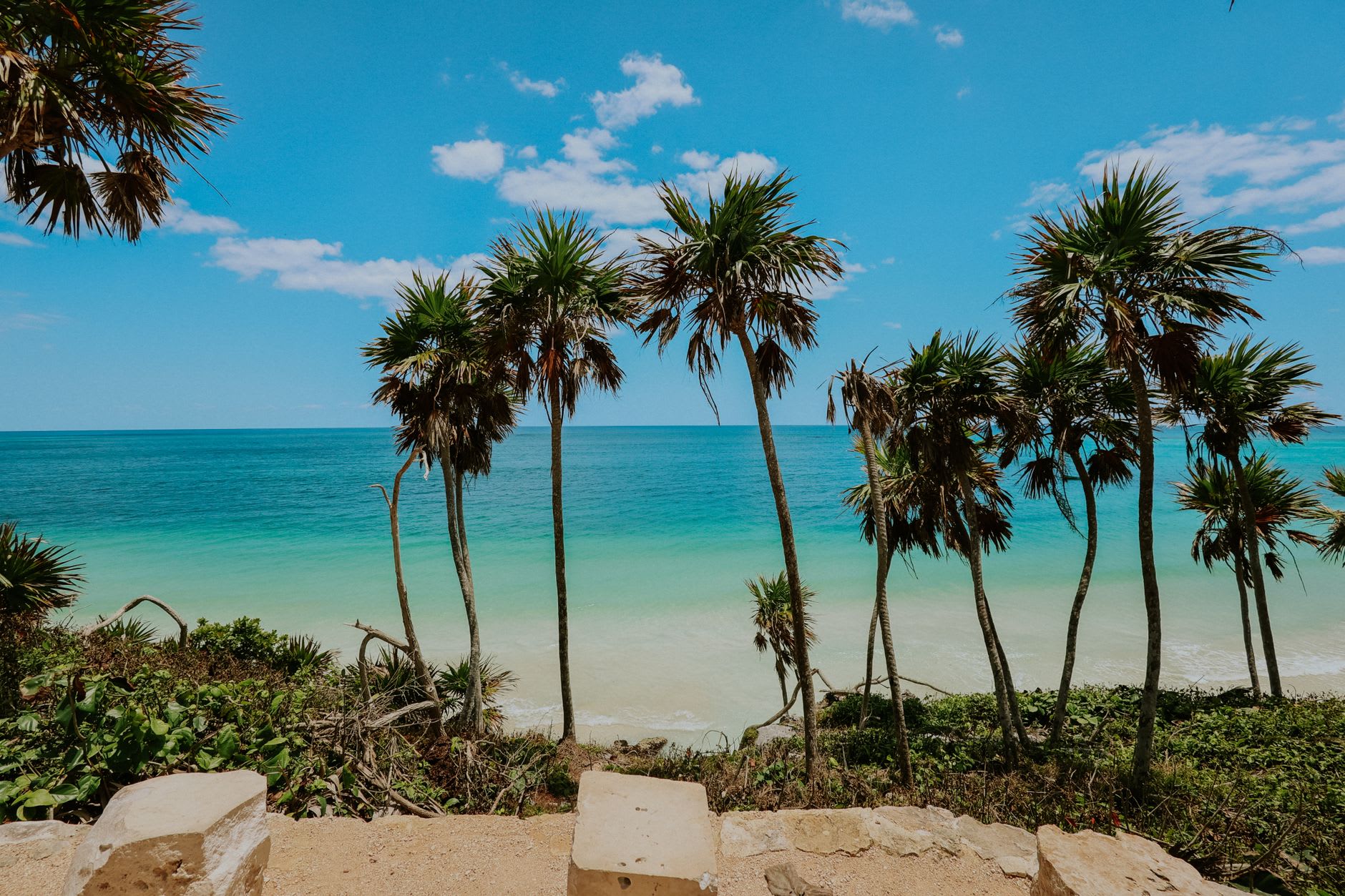
 Best Beaches in Tulum: Complete Guide to All 15 Beach Areas
Tulum’s Caribbean coastline stretches along 15 distinct beach areas, each offering a unique atmosphere from ancient Maya
 article Exploring calendar_today Mar 24, 2024
 The Top 10 Beaches to Visit in and Around Tulum
Hey there, fellow travelers! We’re your DestinosMX team, and we’re thrilled to take you on a virtual tour of the stunnin
 article Party calendar_today Mar 21, 2024
 The Ultimate Guide to Tulum’s Best Beach Clubs: 2024 Edition
Hey, fellow adventurers! Our DestinosMX Tulum team recently spent weeks exploring the Caribbean coastline to bring you t