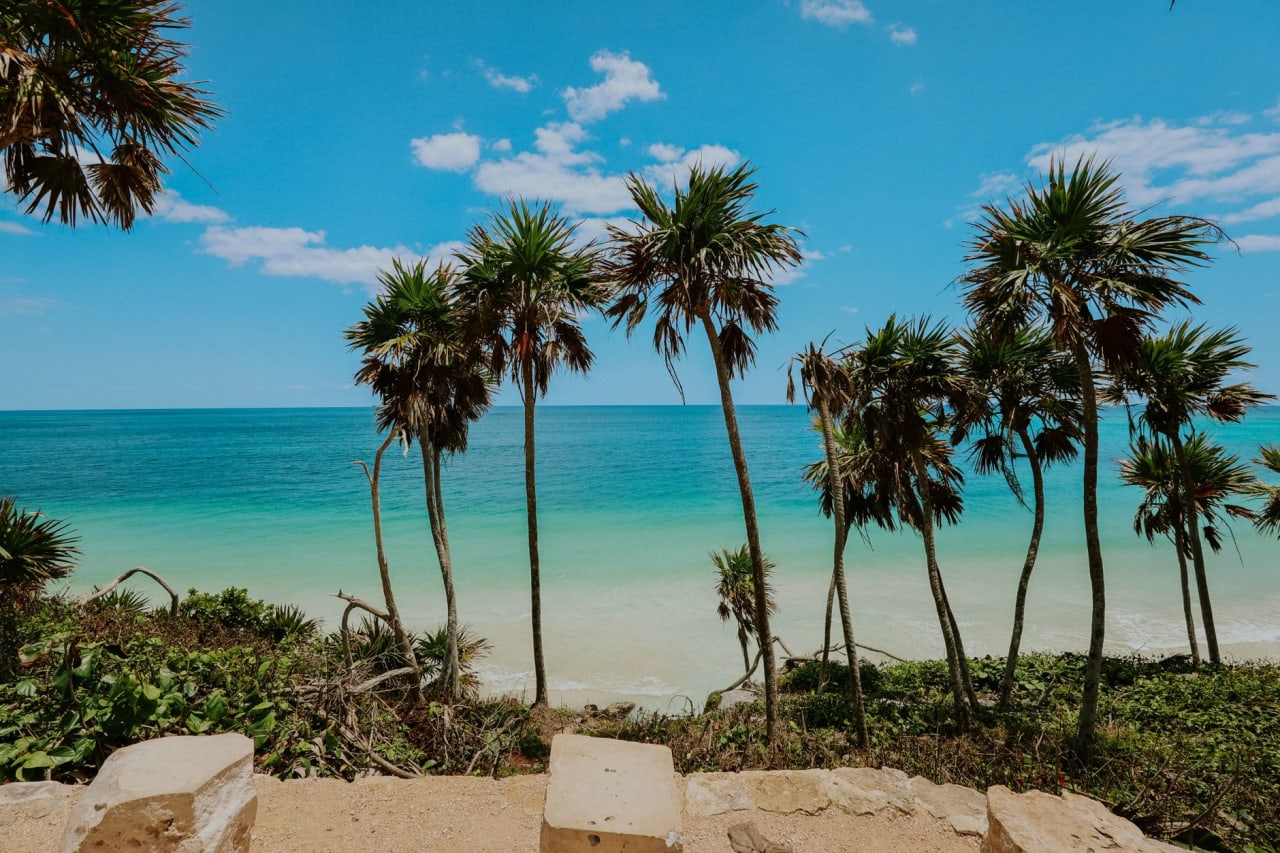
Complete Tulum Travel Guide for Families: Everything You Need to Know
Planning a family adventure to Tulum, Quintana Roo? You’ve chosen one of Mexico’s most magical coastal destinations, where turquoise Caribbean waters meet ancient Mayan ruins and cenote-dotted jungle blends with eco-chic modern comfort. This comprehensive guide covers everything families need to know—from the calmest beaches for toddlers to thrilling cenote adventures your teenagers will love. Whether you’re seeking gentle waves for first-time swimmers or educational eco-tours that spark curiosity, Tulum delivers unforgettable experiences for every age. Book a Tour and start creating memories your family will treasure forever.
Why Tulum is Perfect for Family Travel
Tulum has evolved from a quiet coastal village into one of Mexico’s premier family destinations, offering the perfect balance of adventure and relaxation. According to Visit México, the destination has seen steady growth in family tourism infrastructure while maintaining its authentic Caribbean and Mayan character. The town’s layout—with Tulum Pueblo (the town center) just a short drive from the Zona Hotelera beach strip—means families can easily switch between jungle adventures and beach days.
Unlike mega-resorts where families feel isolated, Tulum’s neighborhoods—from the boutique jungle enclave of Aldea Zama to the laid-back Tulum Pueblo centro and the stunning Zona Hotelera beach road—offer genuine cultural immersion. Children learn Spanish phrases at local taco stands, explore ancient Mayan temples perched above the Caribbean, and swim in cathedral-like cenotes lit by shafts of natural light. The Sian Ka’an UNESCO Biosphere Reserve just south of town highlights the region’s extraordinary commitment to protecting the ecosystems that make Tulum unique.
Climate and Best Time to Visit with Kids
Tulum enjoys warm weather year-round, with temperatures ranging from 25–32°C (77–90°F). The dry season (November through May) offers the most predictable weather for families, with December through February providing the coolest temperatures and calm Caribbean seas ideal for young swimmers. The rainy season (June through October) brings afternoon showers that rarely disrupt morning cenote and ruin visits, plus the magical opportunity to witness sea turtle nesting season (May through October) and hatching (July through December). Hurricane season peaks August–October; monitor forecasts and purchase travel insurance if visiting then.
Family-Friendly Beaches: Where to Swim, Play and Relax
Choosing the right beach makes all the difference when traveling with children. Tulum’s Caribbean coastline offers calm, turquoise waters that are generally gentler than Pacific destinations—ideal for families with young swimmers.
| Beach | Best For | Wave Conditions | Amenities |
|---|---|---|---|
| Playa Ruinas | All ages; iconic Mayan ruins backdrop | Calm to moderate Caribbean | Beach clubs, shade palapas, snorkel rentals |
| Playa Paraíso | Toddlers to age 12, swimming, photos | Calm, shallow entry | Restaurants, restrooms, palapa shade, loungers |
| Tulum Beach (Zona Hotelera) | All ages; beach clubs and relaxation | Calm to light surf | Beach clubs, food & drink, shaded areas |
| Playa Pescadores | Families seeking quieter spots | Calm, protected | Local feel, limited vendors |
| Akumal Beach (30 min north) | All ages; wild sea turtle snorkeling | Calm lagoon, protected reef | Snorkel rentals, guides, restaurants |
Playa Paraíso: A Top Family Beach
Playa Paraíso consistently ranks among Tulum’s most beloved family beaches. This stretch of powdery white sand along the Zona Hotelera beach road offers calm Caribbean water in stunning shades of turquoise. The gentle slope and minimal wave action create a natural setting perfect for children learning to swim. Arrive before 10am to secure palapa shade at busy beach clubs, which fill quickly during peak season. Vendors and nearby beach clubs serve fresh ceviche, grilled fish, and kid-friendly options like quesadillas and tropical fruit.
Akumal: Where Kids Swim with Sea Turtles
One of our Tulum team’s top family recommendations is a morning trip to Akumal, just 30 minutes north on Highway 307. This protected bay is home to a resident population of wild green sea turtles that graze on seagrass year-round. With basic snorkel gear (available to rent on site), children of all ages can swim alongside these gentle giants in calm, shallow water—no boat required. It’s one of the most accessible wildlife encounters in the entire Riviera Maya.
Beach Safety Essentials for Families
- Caribbean conditions: Tulum’s Caribbean waters are generally calmer than Pacific beaches, but always check for posted flags. Red flag means no swimming. Occasional seaweed (sargassum) washes ashore—check conditions before choosing your beach day.
- Sun protection: UV intensity is high on the Caribbean coast. Apply reef-safe SPF 50+ every 90 minutes, use rash guards for extended water play, and seek shade during peak hours (11am–3pm). Reef-safe formulas (mineral-based: zinc oxide or titanium dioxide) are required to protect Tulum’s coral reef.
- Hydration: Bring sealed water bottles and electrolyte drinks for children. Dehydration happens quickly in tropical heat.
- Footwear: Water shoes protect against hot sand and occasional rocky areas near reefs.
- Supervision zones: Always designate one adult as the active water supervisor, rotating every 20–30 minutes to maintain focus.
Top Family Tours and Activities in Tulum
Tulum’s greatest treasure is its abundance of educational, exciting experiences that connect families with nature, history, and culture. These aren’t passive tourist attractions—they’re hands-on adventures that teach conservation, Mayan history, and Caribbean ecology while creating stories your children will retell for years.
Cenote Experiences: Tulum's Signature Family Adventure
Nothing captures a child’s imagination quite like descending into a cenote—a natural freshwater sinkhole formed when limestone collapsed to reveal the underground river system below. Tulum sits at the heart of the world’s largest cenote network, and many are perfectly suited for families.
Gran Cenote (just 4 km from Tulum Pueblo) is our top pick for families: crystal-clear freshwater, shallow areas for young swimmers, deeper sections for confident swimmers, and resident turtles and fish that children adore spotting through their snorkel masks. Dos Ojos offers an otherworldly cave-diving experience (with guided snorkel options for non-divers) where shafts of light pierce the darkness of twin connected caverns. Cenote Azul near Bacalar and Jardín del Edén near Playa del Carmen make excellent day-trip stops. Casa Cenote near Tulum’s coast is brackish and connects to the sea—unique and fun for older kids.
We recommend booking a guided cenote tour for first-timers: guides handle transport, provide snorkel gear, and share the fascinating geology and Mayan spiritual significance of these sacred sites.
Tulum Mayan Ruins
The Tulum Archaeological Zone is one of the few ancient Mayan cities built directly above the Caribbean Sea—the clifftop setting is jaw-dropping and deeply photogenic. Children are captivated by the compact walled city, the stories of Mayan traders who sailed these coasts, and the iguanas that sun themselves on ancient stones. Visit early (doors open at 8am) to beat the heat and the crowds. The site has a small beach at its base where you can swim after exploring—a perfect reward for little legs. From Tulum, day trips to Cobá (45 min away) let older kids and teens climb the Nohoch Mul pyramid for a panoramic jungle view—an unforgettable experience.
Marine Wildlife Encounters
Few experiences rival the wonder on a child’s face when colorful reef fish dart around them in warm Caribbean water. Our snorkeling tours visit Tulum’s coral reef formations where parrotfish, angelfish, and rays glide through crystal-clear water. Professional guides explain reef ecology and conservation while maintaining respectful distances required by Mexican environmental regulations. Tours typically last 2–3 hours and include snorkel gear for all ages.
Between November and March, humpback whales can be spotted offshore. We recommend joining whale-watching tours that depart from Cancún or Isla Mujeres (about 1.5–2 hours from Tulum)—expert naturalists share fascinating facts about whale migration, communication through song, and the critical role these gentle giants play in ocean ecosystems.
Sea Turtle Conservation Experience
The sea turtle experience at Akumal transforms children into junior conservationists. Akumal’s protected bay hosts green sea turtles year-round, and during nesting season (May–October) conservation programs along the Riviera Maya protect nests from predators. Under the supervision of certified biologists, some programs invite families to witness hatchlings making their journey to the sea—a profound experience that teaches children about endangered species protection and why only 1 in 1,000 hatchlings survives to adulthood.
This experience teaches children about ocean conservation in a way no classroom can match. Many families report it as their trip’s emotional highlight. Snorkeling with adult turtles at Akumal is available year-round—no seasonal window required.
Sian Ka'an Biosphere: Lagoon and Wildlife Tours
The Sian Ka’an UNESCO Biosphere Reserve, just south of Tulum’s hotel zone, is one of Mexico’s most extraordinary natural treasures. Our Sian Ka’an guided adventures take families by boat through mangrove channels and coastal lagoons teeming with wildlife. Children float in the current of ancient Mayan canals, spot crocodiles from a safe distance, and watch herons, frigatebirds, and roseate spoonbills in their natural habitat.
The bird watching experience particularly captivates young naturalists, with opportunities to spot over 300 resident and migratory species. Guides provide binoculars and field guides, teaching children to identify species by silhouette, call, and behavior—skills that encourage lifelong environmental awareness.
Cultural Immersion: Cooking and Traditions
Food connects families across cultures, and Tulum’s traditional Mexican cooking class turns curious eaters into enthusiastic cooks. In a local family’s outdoor kitchen, children learn to make fresh corn tortillas, prepare guacamole with a molcajete, and blend rich chocolate drinks with cinnamon—flavors rooted in Mayan culinary traditions that have sustained these communities for millennia. The hands-on format keeps even fidgety young ones engaged.

The temazcal ceremony offers families with older children (typically 10+) a profound spiritual experience. This pre-Hispanic sweat lodge ritual, led by a traditional healer, combines heat, aromatic herbs, and guided meditation to promote physical cleansing and emotional connection. The experience provides a rare window into indigenous Mayan wisdom that predates Spanish colonization.
Adventure for Active Families
Families seeking adrenaline rushes alongside scenic beauty should consider sunset horseback riding along Tulum’s beaches. Well-trained horses suit riders from beginners to experienced equestrians, with guides matching horses to rider skill and confidence. The journey traverses the jungle edge, crosses sandy paths, and arrives at the Caribbean shore as the sun paints the sky—a photographer’s dream.
For families with older children, the paramotor experience offers tandem flights with certified pilots, soaring above Tulum’s dramatic coastline. The bird’s-eye perspective of turquoise bays, the ancient ruins on the cliff, and the endless white sand stretches creates memories that last a lifetime. Minimum age requirements typically start at 12–14 years depending on weight restrictions.
Where to Stay: Family Accommodation Options
Tulum offers accommodation styles to suit every family’s preferences and budget. The key is matching your neighborhood to your priorities—beach access, restaurant variety, tranquility, or cultural immersion.
Neighborhood Guide for Families
Tulum Pueblo (Town Center): The bustling town center puts families within walking distance of taco stands, markets, pharmacies, and colectivo stops for easy transport. This is the most budget-friendly area, with excellent street food and an authentic local atmosphere. The main strip (Avenida Tulum) is lined with cafes, restaurants, and shops. Best for families who want value and convenience over beachfront access.
Zona Hotelera (Beach Road): Tulum’s iconic beach hotel strip runs along the Caribbean coast, dotted with eco-chic boutique hotels, beach clubs, and yoga studios. Properties here put you steps from the water, and the ambiance—solar-powered, palapa-roofed, jungle-meets-sea—is unlike anywhere else in Mexico. Best for families prioritizing beach access and the Tulum aesthetic. Note that cars or bikes are needed to get around.
Aldea Zama: This planned residential and boutique zone in the jungle between the pueblo and the coast offers vacation rentals with private pools, quiet streets, and a mix of restaurants and cafes. Well-suited for families seeking privacy and space. Taxis or bikes connect you to both the beach and town.
La Veleta: Tulum’s artsy, local-flavored neighborhood is popular with families who want authenticity without the tourist premium. Excellent cenote access, local restaurants, and a relaxed pace. A good middle ground between the pueblo bustle and the hotel zone prices.
Accommodation Types and Booking Tips
- Vacation rentals: Entire homes or apartments in Aldea Zama or La Veleta provide kitchens (essential for picky eaters), multiple bedrooms, laundry, and often private pools. Book through established platforms for secure transactions.
- Boutique eco-hotels: Tulum’s hotel zone is famous for its jungle-chic boutique properties—solar power, outdoor showers, thatched roofs. Many include breakfast and have family room configurations.
- Budget options: Tulum Pueblo has affordable guesthouses and small hotels that give excellent value for families who plan to spend most of their time out exploring.
- Larger resort-style properties: Some properties in the Zona Hotelera offer larger family suites and on-site restaurants, blending Tulum’s eco-aesthetic with more comprehensive amenities.
Pro tip: Book accommodations 3–6 months ahead for December–January peak season. Summer offers better rates despite occasional rain, plus turtle season and emptier cenotes.
Essential Family Packing List for Tulum
Packing strategically prevents pharmacy runs and missed opportunities. Tulum has pharmacies and convenience stores, but specific items may be harder to find or more expensive than at home.
| Category | Essential Items | Why It Matters |
|---|---|---|
| Sun Protection | Reef-safe mineral SPF 50+ sunscreen, rash guards, wide-brim hats, UV sunglasses | Caribbean sun is intense; reef-safe formulas protect Tulum’s coral ecosystem (conventional sunscreens are restricted) |
| Water & Cenote Gear | Water shoes, swimming goggles, snorkel set, child life jackets (for boat tours), waterproof phone case | Cenote floors can be slippery; your own gear ensures a good fit for kids |
| Health & First Aid | Pediatric pain/fever reducer, anti-diarrheal medication, antibiotic ointment, bandages, insect repellent (DEET or picaridin), aloe vera gel | Minor ailments are common; familiar medications work better than unfamiliar local brands |
| Clothing | Lightweight cotton/linen clothes, swimsuits (2–3 per person), light rain jacket, sandals, closed-toe shoes for ruins | Quick-drying fabrics essential for humidity; closed shoes needed for Tulum and Cobá ruins |
| Baby/Toddler Specific | Portable high chair clip, swim diapers, favorite snacks, portable white noise machine, lightweight stroller | Specialty items difficult to find; familiar comfort items maintain routines |
| Entertainment | Snorkel sets, waterproof playing cards, downloaded movies/shows, books, underwater camera | Cenote and reef snorkeling is a daily activity; an underwater camera captures the magic |
| Documents & Money | Passport copies (stored separately), travel insurance cards, Mexican pesos cash, credit cards, emergency contact list | Many cenotes and local vendors prefer cash; copies essential if documents lost or stolen |
What NOT to Pack
Skip bulky beach umbrellas (beach clubs and palapas provide shade), excessive formal clothing (Tulum embraces casual beach and jungle style), and conventional chemical sunscreens (banned near cenotes and reefs to protect the ecosystem). Avoid packing valuables like expensive jewelry that risks loss during water activities.
Food and Dining with Children
Tulum’s food scene is one of the most diverse and exciting in Mexico—a mix of authentic Mexican street food, Mayan-inspired cuisine, and a thriving vegan and organic restaurant culture that makes it easy for families with dietary restrictions.
Kid-Friendly Restaurant Recommendations
Most restaurants welcome families with open arms, offering high chairs and patient service. Tulum Pueblo is the best spot for affordable, delicious family meals: fresh tacos from street stands, cochinita pibil (slow-roasted pork, a Yucatan specialty kids love), quesadillas, and tropical fruit plates. Don’t miss the night market at El Camello on the main street of Tulum Pueblo—an excellent evening outing with multiple stalls offering something for every palate.
In the Zona Hotelera, restaurants tend toward the upscale, but many have kid-friendly menus. The vegan and organic scene is genuinely excellent and often more accessible for children with food sensitivities than traditional Mexican cooking. For picky eaters, Aldea Zama and La Veleta offer a range of international options including Italian, Asian fusion, and American-style options.
Food Safety Guidelines
- Water: Drink only sealed bottled water or purified water from established restaurants. Avoid ice unless confirmed purified. Most hotels provide water dispensers.
- Street food: Choose busy vendors with high turnover (indicating fresh food). Grilled items (tacos al pastor, elote) are generally safer than cold preparations for first-time visitors.
- Produce: Wash fruits and vegetables with purified water or peel before eating. Restaurants serving tourists use proper sanitation, but exercise caution with salads from unknown sources.
- Gradual introduction: Let children adjust to new flavors gradually. Pack familiar snacks for transitions.
Dietary Restrictions and Allergies
Communicate dietary needs clearly: “sin gluten” (gluten-free), “sin lactosa” (lactose-free), “alérgico a…” (allergic to). Tulum’s many vegan and organic restaurants are particularly well-equipped to handle dietary restrictions. Families with severe allergies should carry emergency medication and notify tour guides of medical needs in advance.
Practical Travel Logistics for Families
Getting to Tulum
Most families fly into Cancún International Airport (CUN), the main international hub, which receives direct flights from cities across the US, Canada, and Europe. From Cancún airport, Tulum is approximately 130 km south (about 1.5–2 hours) depending on traffic. Options include:
- ADO bus: Comfortable, air-conditioned coaches depart from Cancún airport directly to Tulum Pueblo for around $250–350 MXN per person. The most budget-friendly option.
- Private transfer: Door-to-door service with luggage handling, approximately $80–120 USD for a family vehicle. Book in advance—providers can arrange child car seats.
- Rental car: Gives flexibility for day trips to cenotes and ruins. Highway 307 is a well-maintained divided road. Book early through established international agencies; drivers must be 25+ with a major credit card.
Families can also fly into Playa del Carmen (45 min north of Tulum) and continue south by colectivo or taxi.
Local Transportation
Tulum’s geography—with the pueblo several kilometers from the beach zone—means families need to plan transport. Taxis are the primary family transport: rides between the pueblo and hotel zone cost approximately $80–150 MXN; establish price before departure as meters are rare. Uber operates in Tulum with variable availability.
Bicycles are a popular and fun family option for exploring the hotel zone—the flat beach road is well-suited to cycling and rentals are widely available. Colectivos (shared vans on Highway 307) offer affordable transport between Tulum, Playa del Carmen, and Akumal for $20–40 MXN per person—an adventure in themselves for families with older children, though they lack seat belts.

Money Matters
Mexican pesos (MXN) are essential. While many tourist businesses accept US dollars, exchange rates disadvantage tourists. ATMs throughout Tulum Pueblo dispense pesos; use bank-affiliated ATMs for security. Major credit cards work at established restaurants and hotels, but cash remains king for street food, taxis, cenote entry fees, and small vendors. Budget approximately $100–150 USD per family daily for meals, transport, and activities beyond pre-booked tours.
Communication and Internet
Most hotels and vacation rentals provide WiFi, though speeds vary in the hotel zone’s jungle-chic eco-properties. Consider purchasing a Mexican SIM card at OXXO convenience stores or Telcel shops in Tulum Pueblo. Tourist SIM cards with data packages start around $200–300 MXN for one week. WhatsApp dominates Mexican communication—add important contacts (accommodation, tour operators, emergency services) before arrival.
Health, Safety and Emergency Preparedness
Tulum is one of Mexico’s most visited tourist destinations, with family-focused areas experiencing manageable safety conditions. Standard precautions—securing valuables, staying aware of your surroundings after dark, and using trusted transport—ensure a worry-free vacation.
Medical Services
Tulum has several private clinics with English-speaking doctors. The Hospital General de Tulum on Avenida Tulum provides 24/7 emergency services. Most common issues—sunburn, dehydration, minor cuts, or stomach upset—resolve with pharmacy remedies available at Farmacia Guadalajara, Farmacia del Ahorro, or Farmacia Similares in the pueblo.
For serious medical situations, medical transfer to Playa del Carmen (45 min) or Cancún (1.5 hr) provides access to larger hospitals. Travel insurance with medical coverage and evacuation benefits is essential—verify coverage includes adventure activities like snorkeling, cenote swimming, and boat tours.
Safety Tips for Families
- Cenote safety: Always follow guide instructions at cenotes. Some have deep sections and low light—life jackets are provided for non-swimmers. Never dive headfirst unless guides confirm it is safe to do so.
- Beach safety: Respect warning flags (red means no swimming). Tulum’s Caribbean is generally calm but currents can form near reef openings. Maintain constant supervision of children in the water.
- Sun and heat: Symptoms of heat exhaustion include dizziness, nausea, excessive fatigue, and irritability. Move to shade immediately, provide cool water, and apply cool compresses. Seek medical attention if symptoms worsen.
- Wildlife encounters: Respect distance from all wildlife. Crocodiles inhabit Sian Ka’an lagoons—maintain safe distance and never feed them. In cenotes, stingrays are rare but shuffle feet when entering shallow sea-connected cenotes. Most spiders and insects are harmless, but shake out shoes before wearing.
- Cultural respect: Teach children to ask permission before photographing local people and Mayan community members. Conservative dress (shoulders and knees covered) shows respect when visiting archaeological sites.
Emergency Contacts
- Emergency services: 911 (ambulance, fire, police)
- Tourist police Tulum: +52 984 871 2466
- Red Cross (Cruz Roja) Tulum: +52 984 871 2691
- Hospital General Tulum: +52 984 871 2166
- US Consulate Cancún: +52 998 883 0272
- Canadian Consulate Cancún: +52 998 883 3360
Sample Family Itineraries
5-Day Relaxed Family Itinerary (Ages 3–10)
Day 1: Arrive in Cancún, transfer to Tulum. Settle into accommodation. Afternoon swim at Playa Paraíso for gentle beach play. Early dinner at a Tulum Pueblo taco spot.
Day 2: Morning visit to the Tulum Mayan ruins (open at 8am to beat crowds), then swim at the ruins beach below. Afternoon rest. Evening food market exploration in Tulum Pueblo.
Day 3: Cenote day at Gran Cenote (morning, before crowds). Snorkel with turtles and fish in crystal-clear freshwater. Afternoon beach time at Tulum’s hotel zone.
Day 4: Morning trip to Akumal to snorkel with wild sea turtles. Back for a relaxed afternoon and sunset at the beach.
Day 5: Leisurely morning, souvenir shopping in Tulum Pueblo, departure or extend stay.
7-Day Adventure Family Itinerary (Ages 11–17)
Day 1–2: Beach orientation at Tulum’s Zona Hotelera. Snorkeling tour at the Caribbean coral reef. Sunset at Playa Ruinas beneath the ancient walls.
Day 3: Sian Ka’an biosphere adventure—boat through mangrove channels and Mayan canals, wildlife spotting and floating in the current.
Day 4: Horseback riding along the beach at sunset. Evening at a jungle restaurant in the hotel zone.
Day 5: Day trip to Cobá ruins—hike jungle trails and climb for panoramic views. Stop at Dos Ojos cenote on the way back.
Day 6: Cenote circuit—Gran Cenote in the morning, Jardín del Edén in the afternoon. Evening cooking class in Tulum Pueblo.
Day 7: Morning at Akumal snorkeling with sea turtles. Temazcal ceremony for teens and parents. Farewell dinner at a favorite restaurant.
Seasonal Considerations and Special Events
Tulum’s calendar offers unique experiences throughout the year. Plan visits around these natural phenomena and cultural celebrations to enhance your family’s connection to Caribbean Mexico and Mayan heritage.
Sea Turtle Season (May–December)
Female sea turtles nest on Tulum’s beaches from May through October, with hatchlings emerging July through December. Conservation programs protect nests and invite visitors to witness releases. Peak hatching occurs August–October. This transformative experience connects children directly to conservation and the fragility of ocean ecosystems. The resident turtles at Akumal are viewable year-round.
Whale Season (November–March)
Humpback whales migrate to Caribbean Mexican waters for breeding and calving. Peak sightings occur January–February. Tours depart from Cancún and Isla Mujeres (approximately 1.5–2 hours from Tulum). Book early as this popular season fills quickly. Witnessing a 40-ton whale breach ranks among wildlife watching’s pinnacle experiences.
Sargassum Season (April–September)
Floating seaweed (sargassum) can affect Caribbean beaches from April through September, varying significantly by year and location. Check current beach conditions before choosing your beach day—some stretches are cleared regularly by beach clubs, while others are more affected. Cenotes are never affected by sargassum and are a perfect alternative on heavy seaweed days.
Cultural Celebrations
November 1–2 (Día de Muertos): Tulum’s Day of the Dead celebrations blend Catholic tradition with Mayan cosmology. Families create elaborate altars (ofrendas) honoring deceased relatives with marigolds, candles, photos, and favorite foods. Markets sell sugar skulls, pan de muerto, and papel picado—wonderful cultural immersion for visiting families.
December–January (High Season): Christmas and New Year transform Tulum into a celebration hub. Posadas (traditional Christmas processions) occur December 16–24. The Tulum New Year’s celebration is legendary—families with younger children may prefer to enjoy the festivities in the pueblo and plan early bedtimes.
Responsible and Sustainable Family Travel
Families wield enormous influence in preserving Tulum’s natural beauty and cultural authenticity for future generations. Teaching children sustainable travel practices creates mindful global citizens while supporting local communities.
Environmental Practices
- Reef-safe sunscreen only: Chemical sunscreens containing oxybenzone and octinoxate kill coral polyps and harm cenote ecosystems. Choose mineral-based alternatives (zinc oxide, titanium dioxide). Many cenotes and parks enforce this rule at entry.
- Refuse single-use plastics: Bring reusable water bottles, shopping bags, and food containers. Tulum’s ecosystem—cenotes, reef, and mangroves—is especially vulnerable to plastic pollution.
- Respect wildlife distance: Federal regulations require boats maintain distance from dolphins and whales. Never chase, surround, or attempt to touch wildlife. At cenotes, look but don’t chase the fish and turtles.
- Beach and cenote cleanup: Several organizations host regular cleanups. Even independent family cleanup efforts make measurable differences. Bring gloves and bags.
Cultural Respect and Community Support
- Choose local operators: Tours operated by Tulum residents keep tourism revenue in the community. Ask about guide training, conservation partnerships, and community benefit programs.
- Shop artisan markets: Purchase crafts directly from makers rather than resort gift shops. Tulum’s markets offer hammocks woven by local artisans, Mayan jade jewelry, handmade textiles, and carved wooden pieces that represent genuine craft traditions. Teach children that artisan markets are places of respectful exchange.
- Learn basic Spanish: Even simple phrases (buenos días, gracias, por favor) demonstrate respect and enhance cultural connection. Children often learn faster than parents—turn language practice into a family game.
- Tip service workers appropriately: Restaurant servers (15–20%), tour guides (10–15% of tour cost), housekeeping staff ($50–100 MXN daily), and taxi drivers (round up) depend on tourism income. Explain tipping culture to children as part of travel education.

Frequently Asked Questions
Is Tulum safe for families with young children?
Yes, Tulum is very popular with families when you exercise standard precautions. Tourist areas like the Zona Hotelera, Aldea Zama, and Tulum Pueblo have active tourist infrastructure. The main safety concerns are natural—sun exposure, staying hydrated, and cenote depth—rather than crime in tourist areas. Avoid displaying expensive jewelry or large amounts of cash, and stay in well-populated areas after dark. Thousands of families visit annually and our Tulum team consistently hears from parents how welcoming the destination is for children.
What's the best age for children to enjoy Tulum?
Tulum offers age-appropriate experiences from toddlers to teenagers. Children 3–7 love Playa Paraíso’s calm Caribbean water, building sandcastles, and spotting colorful fish while snorkeling at Gran Cenote’s shallow edges. Ages 8–12 can participate in most tours including sea turtle snorkeling at Akumal, Sian Ka’an boat tours, and the Tulum ruins. Teenagers appreciate cave cenote snorkeling, Cobá ruin climbing, scuba diving introductions, and the temazcal ceremony. Families with infants face the usual logistical challenges (heat, sun protection) but can absolutely enjoy beach time and relaxed cenote visits in the shaded, cooler underground environments.
Do I need to speak Spanish to travel to Tulum with kids?
No, though basic Spanish enriches your experience. Tourist areas have English-speaking staff at hotels, restaurants, and tour companies throughout the Zona Hotelera and in Tulum Pueblo. However, markets, colectivos, and local neighborhoods operate primarily in Spanish. Download a translation app, learn essential phrases (numbers, food terms, emergency vocabulary), and embrace the linguistic challenge as part of cultural education.
What vaccines or health preparations do children need before traveling to Tulum?
Consult your pediatrician 4–6 weeks before travel. Routine vaccinations (MMR, DTaP, polio, flu) should be current. CDC recommends hepatitis A for all travelers to Mexico. Most families don’t need malaria prophylaxis for Tulum’s coastal area, though mosquito-borne dengue exists at low levels—use insect repellent, especially at dawn and dusk. Pack pediatric electrolyte solutions and anti-diarrheal medication as dietary changes can affect young digestive systems.
How much does a family trip to Tulum cost?
Budget varies widely based on accommodation choice and activity level. A moderate family budget (two adults, two children, one week) might look like: flights $400–800 per person from the US/Canada, vacation rental or boutique hotel $100–250/night, meals $80–120 daily, tours $50–120 per person per activity, ground transport $30–60 daily. Total estimate: $4,000–7,000 USD for one week. Luxury hotel-zone eco-lodges and daily guided tours push costs higher; budget options in the pueblo and self-guided cenote visits keep expenses lower. Peak season (December–January) costs 30–50% more than summer months.
Can my family swim in the Caribbean year-round?
Yes, though conditions vary by beach and season. Tulum’s Caribbean waters are calm year-round compared to Pacific destinations, with calmest conditions November–April. Summer and fall can bring occasional jellyfish and sargassum seaweed at some beaches. Always check with locals or beach club staff about daily conditions. Cenotes are a perfect swimming alternative year-round—the fresh, clear water is unaffected by ocean conditions and stays around a refreshing 24°C (75°F) all year.
Final Tips for an Unforgettable Family Trip
Tulum rewards families who embrace flexibility, curiosity, and environmental consciousness. Your children will remember not just the cenote light shafts and the Caribbean colors, but the connections forged with local families, the pride in snorkeling alongside a wild sea turtle, and the awe of standing atop ancient Mayan ruins above the Caribbean Sea. Balance structured activities with unscheduled downtime—some of travel’s richest moments emerge from spontaneous beach play, a conversation at a taco stand, or simply watching a spectacular Caribbean sunset together.
Want to discover more places to visit? Check out this Mexico Travel Guide by Aliki Travel Blog!
Disclaimer: Schedules, prices, and regulations change. Verify all details directly with service providers before booking. For safety concerns or emergencies, contact local authorities or your country’s consular services.
Connect With Us
Follow Tulum Tours for daily inspiration, travel tips, and exclusive offers:
auto_awesome Continue exploring Tulum
You Might Also Like
 article Adventures calendar_today Nov 26, 2025
 Tulum First-Timer’s Guide: Plan Your Perfect Trip
Welcome to Tulum, where ancient Mayan ruins crown Caribbean cliffs, crystal-clear cenotes beckon beneath the jungle, and
 article Adventures calendar_today Mar 22, 2024
 Exploring Tulum: Family Day Activities for Every Age
Hey there, fellow travel enthusiasts! We’ve got a little secret to share: Tulum, on Mexico’s Caribbean coast, is one of
article Exploring calendar_today Jan 18, 2024 Budgeting for Your Trip to Tulum: What to Expect
Hello, fellow travelers! We’re thrilled to help you plan your adventure in the stunning Caribbean town of Tulum. Navigat