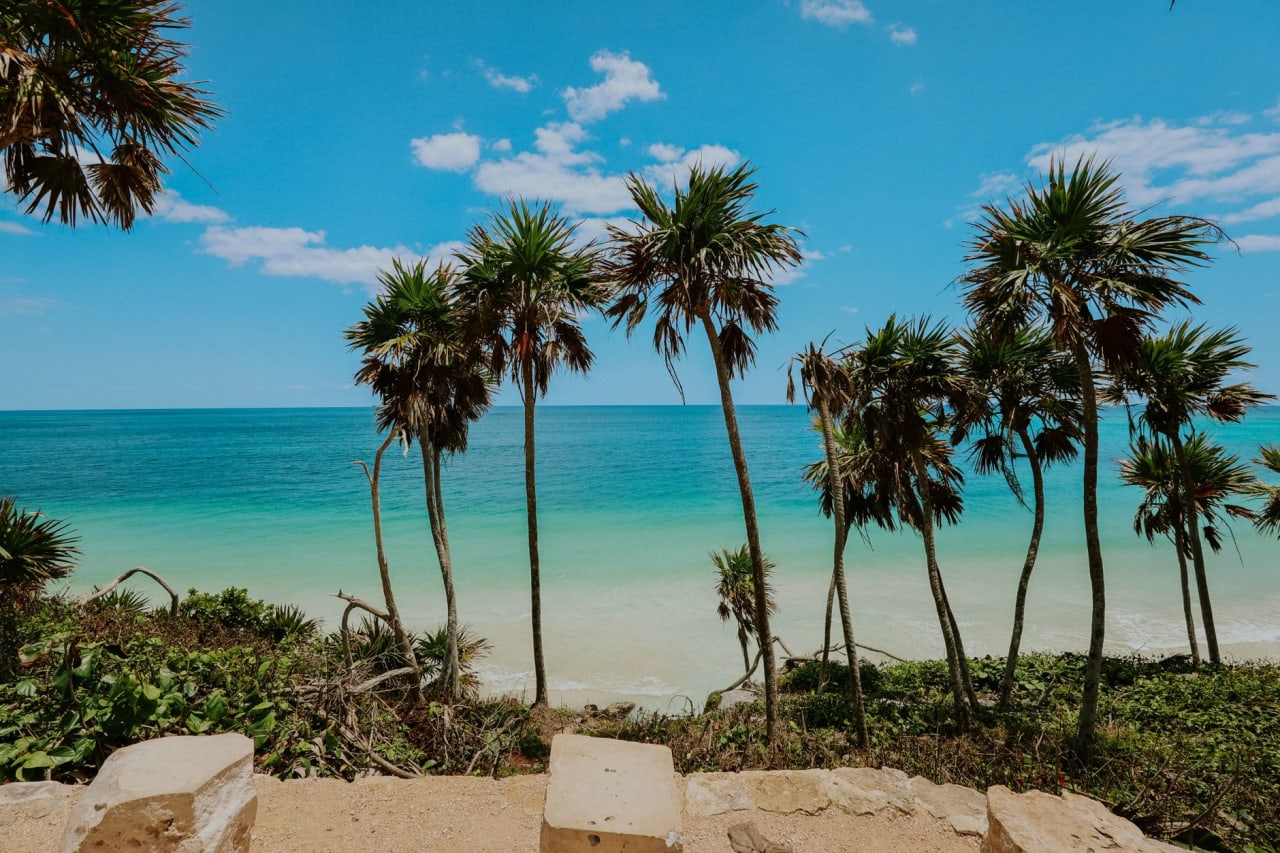
Secret Beaches Near Tulum: Hidden Gems Worth Discovering
Beyond the turquoise shores of the Zona Hotelera and the well-trodden sands of Playa Paraíso, Tulum harbors a collection of secret beaches and secluded coastal spots that remain largely undiscovered by visitors. These hidden gems offer crystal-clear Caribbean waters, untouched nature, and the authentic coastal experience that many travelers dream about. Whether you’re seeking solitude, incredible snorkeling over coral reefs, or simply a beach without crowds, the Riviera Maya delivers spectacular options just waiting to be explored. This guide reveals the region’s best-kept beach secrets and how to reach them safely.

Why Seek Out Tulum’s Hidden Beaches
Tulum’s secret beaches offer something the main tourist spots cannot: authentic connection with nature and local culture. While Playa Paraíso draws beachgoers from around the world and the Zona Hotelera fills with visitors during high season, these hidden coves maintain their pristine character year-round. According to CONANP (National Commission of Natural Protected Areas), many of these beaches fall within protected ecological zones — including the Sian Ka’an UNESCO Biosphere Reserve just south of town — ensuring their preservation for future generations.
The adventure of reaching these spots adds to their appeal. Some require short bicycle rides through the jungle, others demand a boat ride along the Caribbean coastline, and a few are best explored at low tide when rocky passages open up. This natural barrier keeps crowds minimal and rewards curious travelers with experiences that feel truly exclusive. Local fishermen still launch their boats from several of these spots at dawn, offering glimpses into a coastal way of life that has remained largely unchanged for generations.
What Makes These Beaches Special
- Minimal development: No beach clubs, DJs, or vendors disrupting the natural landscape
- Wildlife encounters: Regular sightings of sea turtles, colorful reef fish, and coastal birds in their natural habitat
- Pristine water quality: Crystal-clear Caribbean conditions perfect for snorkeling and swimming
- Photographic opportunities: Dramatic limestone formations, hidden coves, and stunning sunrise perspectives
- Cultural authenticity: Interaction with local fishing communities and traditional coastal practices
If you’re interested in combining beach exploration with marine life encounters, consider booking our snorkeling tour, which takes you past coral formations and hidden coves along the Caribbean coast.
The Hidden Beaches: Your Complete Guide
Playa Ruinas — The Beach Beneath the Mayan Ruins
Tucked directly below Tulum’s famous clifftop Mayan ruins, Playa Ruinas is arguably the most dramatic beach on the entire Riviera Maya — yet many visitors to the archaeological site never make the short descent to the shore. The narrow strip of white sand is framed by ancient stone walls above and brilliant turquoise water below, creating a setting that feels utterly otherworldly.
Access is through the ruins complex (entrance fee applies), which keeps numbers naturally limited. Arrive early — before 8 AM — to enjoy the beach in near-solitude before tour groups arrive. The water here is calm and clear, ideal for a morning swim. Snorkeling along the rocky edges reveals small coral formations and colourful reef fish. Our team considers this Tulum’s single most spectacular beach moment, combining archaeology and Caribbean beauty in one location.
Casa Cenote Beach — Where Freshwater Meets the Sea
Casa Cenote (also called Cenote Manatí) sits on the Sac-Be road north of the Zona Hotelera and offers one of the Caribbean coast’s most unusual beach experiences. Here, a shallow mangrove lagoon fed by underground cenote water flows directly into the sea, creating a dramatic meeting point of transparent freshwater and saltwater that supports extraordinary biodiversity.
The beach itself is narrow and natural, with no sunbeds or beach clubs — just mangroves, driftwood, and the sound of birds. Snorkelers can explore both the cenote channel and the adjacent reef. Sea turtles are regular visitors to the warm shallows. According to CONABIO (National Commission for the Knowledge and Use of Biodiversity), this mangrove-sea interface supports over 150 bird species throughout the year, making it a paradise for wildlife enthusiasts as well as swimmers.

Playa Xcacel — The Sea Turtle Sanctuary Beach
Located about 25 minutes north of Tulum on Highway 307, Playa Xcacel is one of the most important sea turtle nesting beaches on Mexico’s Caribbean coast. Protected by SEMARNAT (Secretariat of Environment and Natural Resources) and local conservation groups, this 2-kilometre stretch of pristine white sand sees loggerhead and green turtles nesting from May through October.
The beach remains largely undeveloped, with no hotels or vendors — just a small conservation station. A freshwater cenote sits right at the beach edge, making it possible to snorkel in crystal-clear freshwater and then swim in the Caribbean within metres of each other. Visitors who arrive respectfully and quietly during nesting season may witness nesting females at dusk or hatchlings scrambling toward the sea at dawn. Our turtle release tour provides authorized access with certified guides who work alongside conservation programs.
Akumal — Swim with Wild Sea Turtles
Just 30 minutes north of Tulum, Akumal Bay is one of the few places in the world where wild green sea turtles feed in the shallows year-round. The name itself means “Place of the Turtles” in Mayan, and the bay more than lives up to it. Snorkelers regularly find themselves face-to-face with graceful adult turtles grazing on seagrass beds in just 1–2 metres of water.
The beach is beautiful and calm, protected by a barrier reef that keeps Caribbean waves gentle. Beyond the turtles, the reef hosts eagle rays, nurse sharks, and hundreds of tropical fish species. While Akumal has become more known in recent years, arriving early on a weekday still rewards you with a quiet, extraordinary experience. For guided snorkeling with the turtles and reef fish, our team recommends booking a dedicated tour that includes fins, masks, and a knowledgeable marine guide.
Sian Ka’an Biosphere Lagoon Beaches
South of Tulum lies the Sian Ka’an UNESCO Biosphere Reserve — a vast protected wilderness of mangroves, lagoons, tropical forest, and Caribbean coast that stretches for over 5,000 square kilometres. Within its boundaries are pristine, virtually deserted beaches accessible only by boat through the mangrove channels.
These beaches feel genuinely remote: no roads reach them, no development disturbs them, and the only sounds are wind, waves, and birds. Floating down the ancient Mayan canal channels in a life jacket — drifting with the current through crystalline freshwater toward the sea — is one of the Riviera Maya’s most memorable experiences. Wildlife here includes crocodiles, manatees, jaguars, and hundreds of bird species. Our Sian Ka’an tour provides authorized access to this extraordinary protected reserve with expert naturalist guides.
How to Access Hidden Beaches Safely
Reaching Tulum’s secret beaches requires planning and appropriate precautions. Unlike developed tourist beaches with facilities nearby, more remote locations demand self-sufficiency and awareness. The following guidelines help ensure safe and enjoyable exploration:
| Access Method | Best For | Requirements | Safety Considerations |
|---|---|---|---|
| Bicycle or scooter | Playa Ruinas, Casa Cenote, Zona Hotelera spots | Bike rental, water, sun protection | Start early, stay hydrated, use the jungle bike path |
| Car or colectivo | Xcacel, Akumal, cenote beaches | Highway 307 heading north; colectivos from Tulum Pueblo | Check road conditions, carry cash for colectivo fare |
| Boat/tour | Sian Ka’an lagoon beaches, Casa Cenote snorkeling | Book certified operator, life jackets provided | Check weather conditions, avoid rough seas |
| Guided Tour | All locations | Book with reputable operator | Includes safety equipment, local knowledge, emergency support |
Essential Items to Bring
- Water: Minimum 2 litres per person — the Caribbean heat is intense
- Sun protection: Reef-safe sunscreen only (regular chemical sunscreens are banned in protected areas), hat, UV shirt, sunglasses
- Snorkeling gear: Bring your own if possible; rental options are limited or unavailable at remote beaches
- First aid kit: Basic supplies including bandages, antiseptic, and pain relievers
- Waterproof bag: Protect phone, documents, and valuables from sand and water
- Snacks: Energy-dense foods, especially for longer day trips to Sian Ka’an
- Cash: For colectivos, local guides, or conservation entrance fees (no card payment options at remote spots)
- Reef-safe bug repellent: Mosquitoes and sand flies are active around mangrove areas, especially at dusk
Many visitors enhance their beach exploration by combining multiple experiences in one day. Our snorkeling tours visit coral reefs and clear-water spots along the Caribbean coast, providing all equipment plus professional guidance.
Best Times to Visit Secret Beaches
Timing significantly impacts the hidden beach experience. While Tulum enjoys warm Caribbean weather year-round, seasonal variations affect accessibility, water clarity, and wildlife encounters. Understanding these patterns helps maximize your adventure.
November through April (Dry Season)
The dry season delivers the most reliable conditions for beach exploration. Calm Caribbean seas make boat access easier and more comfortable, while clear skies and minimal rainfall keep water visibility excellent — often 20–30 metres at reef sites. This period also coincides with whale shark season in nearby waters and with peak conditions at cenotes, which maintain a constant 25°C temperature regardless of season. Our tour listings include a range of water experiences perfect for the dry season months.

This season also brings more visitors to Tulum overall, though the secret beaches we describe remain relatively quiet. Early morning visits — before 9 AM — guarantee the most solitude and often the calmest water conditions for swimming and snorkeling.
May through October (Rainy Season)
The rainy season brings lush green jungle, dramatic skies, and slightly lower prices, but requires more flexibility in planning. Afternoon rain showers arrive regularly, though mornings often stay beautifully clear. Sea turtle nesting season peaks between May and October, making Playa Xcacel and Akumal particularly rewarding during these months. Ocean conditions remain calm — the Caribbean is rarely rough even during rainy season — and visibility in cenotes stays perfect year-round.
For turtle enthusiasts, the rainy season is the best time to visit. Green and loggerhead turtles nest on protected beaches overnight, and lucky early risers occasionally spot hatchlings making their run to the sea. Cenote water temperatures stay constant at around 25°C regardless of season, making them ideal rainy-season alternatives when brief afternoon showers pass.
Tide Considerations
The Caribbean at Tulum has a very small tidal range compared to Pacific coasts, but some beaches and rocky snorkeling spots are better at lower tide when more reef is accessible. Casa Cenote’s freshwater channel is most photogenic in morning light. Check local conditions before heading out — hotel concierges or tour operators can advise on the best timing for specific locations.
Respecting Nature and Local Communities
Tulum’s hidden beaches remain pristine because visitors and locals alike maintain strong conservation practices. Many of these beaches border the Sian Ka’an Biosphere Reserve or are actively managed turtle nesting sites. Following responsible tourism practices ensures these treasures remain available for future generations.
Leave No Trace Principles
- Pack out all trash — there are no bins at remote beaches
- Use only reef-safe sunscreen; chemical sunscreens are actively damaging the Mesoamerican Reef, the second-largest coral system in the world
- Avoid disturbing wildlife, particularly nesting sea turtles and shorebirds
- Never touch, stand on, or collect coral or marine life
- Stay on established paths to prevent erosion and damage to mangrove roots
- Respect the distance rules around sea turtles — stay at least 2 metres away and never use flash photography
Supporting Local Communities
Many of the beaches and cenotes near Tulum are accessed through or near small Mayan communities that depend on eco-tourism for their livelihoods. Hiring local guides, purchasing refreshments from family-run stands in Tulum Pueblo, and treating residents with genuine respect helps ensure continued access for visitors while supporting local economies. Some communities have organized cooperatives offering authorized beach and cenote access — supporting these initiatives directly benefits conservation and local families.
When photographing local people or their daily activities, always ask permission first. Our Sian Ka’an tour demonstrates responsible tourism by working directly with local communities in the biosphere reserve while exploring its pristine coastal areas.

Frequently Asked Questions
Are hidden beaches near Tulum safe for swimming?
Generally yes — the Caribbean coast around Tulum is sheltered and calm, with none of the powerful Pacific-style shore break found on Mexico’s west coast. Beaches like Casa Cenote and Akumal offer extremely gentle water ideal for all swimming levels. A few spots near rocky points have mild current, so always assess conditions before entering and swim with a buddy. Hidden beaches lack lifeguards, so personal responsibility is essential. When in doubt, book a guided tour that includes safety equipment and professional supervision.
Do I need a guide to visit secret beaches near Tulum?
Not for all locations — Akumal and Playa Xcacel are straightforward to reach independently by colectivo or car from Tulum. However, for Sian Ka’an lagoon beaches and Casa Cenote snorkeling excursions, a certified guide is strongly recommended and in some cases required by the biosphere reserve authorities. Local guides know current access conditions, can identify wildlife, and provide the cultural and ecological context that transforms a good experience into an extraordinary one. For first-time visitors, professional guides are always the better choice.
What’s the best way to reach beaches near Tulum without a car?
Colectivos (shared minivans) run continuously along Highway 307 between Tulum Pueblo and Playa del Carmen, stopping on request at beach access points like Akumal and Xcacel — a colectivo ride to Akumal costs around 30–40 pesos. Bicycles and scooters are widely available for rent in both Tulum Pueblo and the Zona Hotelera and are ideal for reaching closer spots like Playa Ruinas and Casa Cenote. For Sian Ka’an and more remote lagoon beaches, joining an organized tour is the practical and most responsible option.
Is reef-safe sunscreen really necessary?
Absolutely — and it is also legally required in Mexico’s protected natural areas, which includes most of Tulum’s coastline. Chemical UV filters like oxybenzone and octinoxate cause coral bleaching and have been shown to damage marine ecosystems even at very low concentrations. The Mesoamerican Reef off Tulum is already under stress from warming waters; every swimmer who uses mineral sunscreen (zinc oxide or titanium dioxide based) makes a genuine difference. Many Tulum shops and pharmacies sell reef-safe alternatives.
Can I see sea turtles at Tulum beaches?
Yes — this is one of the great privileges of visiting the Riviera Maya. Wild green sea turtles feed on seagrass at Akumal Bay year-round and can be seen snorkeling without a guide, though a guide helps you approach them respectfully. Playa Xcacel is a key nesting beach from May through October. Casa Cenote’s warm shallow water also attracts turtles. Our team has observed turtles on nearly every snorkeling excursion along this stretch of coast — they are one of the Caribbean’s most reliable wildlife highlights.
auto_awesome Continue exploring Tulum
You Might Also Like
 article Adventures calendar_today Dec 24, 2025
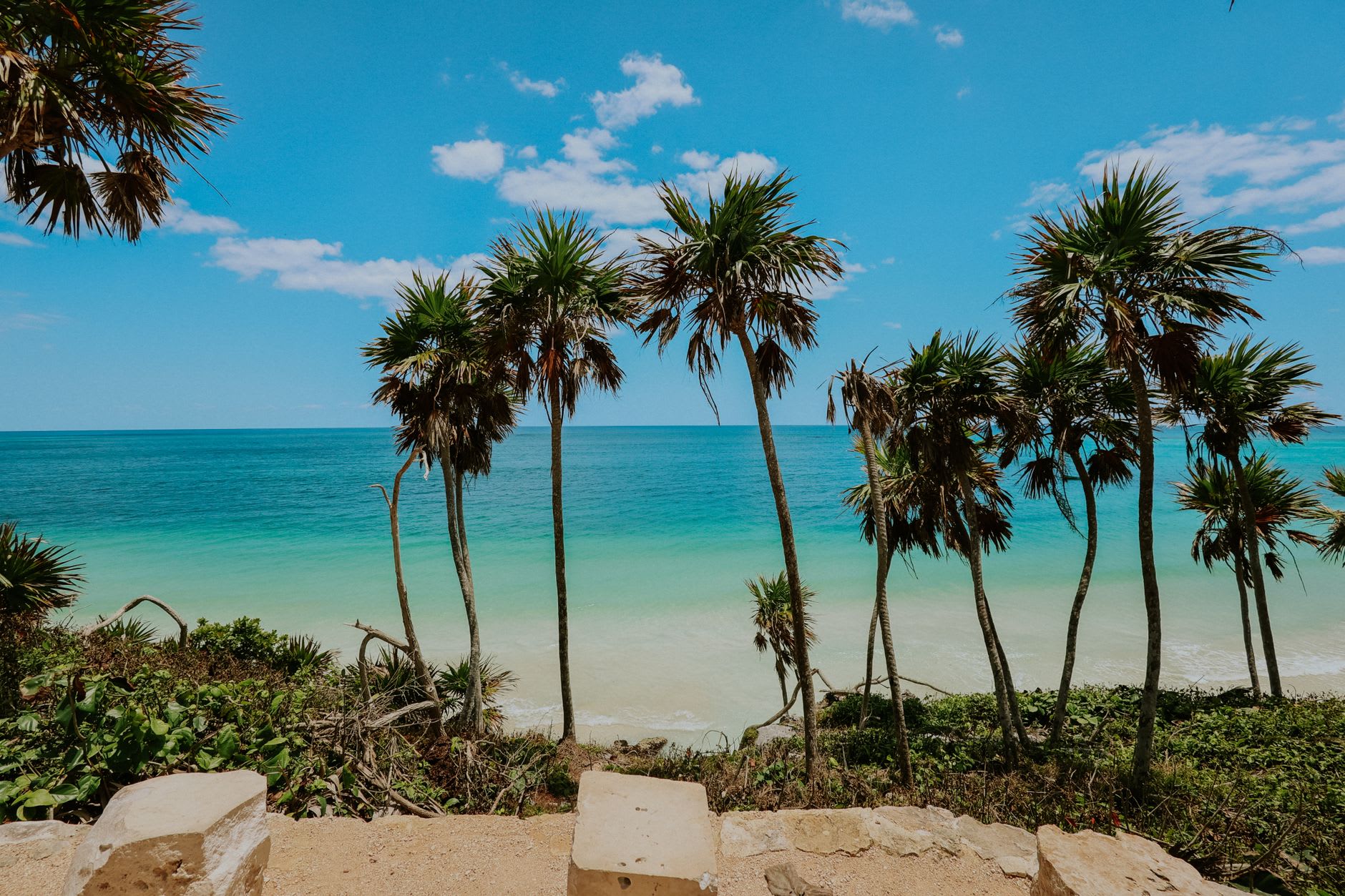
 Best Beaches in Tulum: Complete Guide to All 15 Beach Areas
Tulum’s Caribbean coastline stretches along 15 distinct beach areas, each offering a unique atmosphere from ancient Maya
 article Adventures calendar_today Dec 3, 2025
 Playa Paraíso: Complete Visitor’s Guide to Tulum’s Hidden Gem Beach
Tucked at the southern end of Tulum’s Zona Hotelera, Playa Paraíso offers something increasingly rare along the Riv
 article Adventures calendar_today Nov 24, 2025
 Playa Ruinas: Complete Guide to Tulum’s Best Swimming Beach
Nestled beneath the ancient Mayan cliff ruins, Playa Ruinas stands out as Tulum’s most breathtaking and beloved swimming