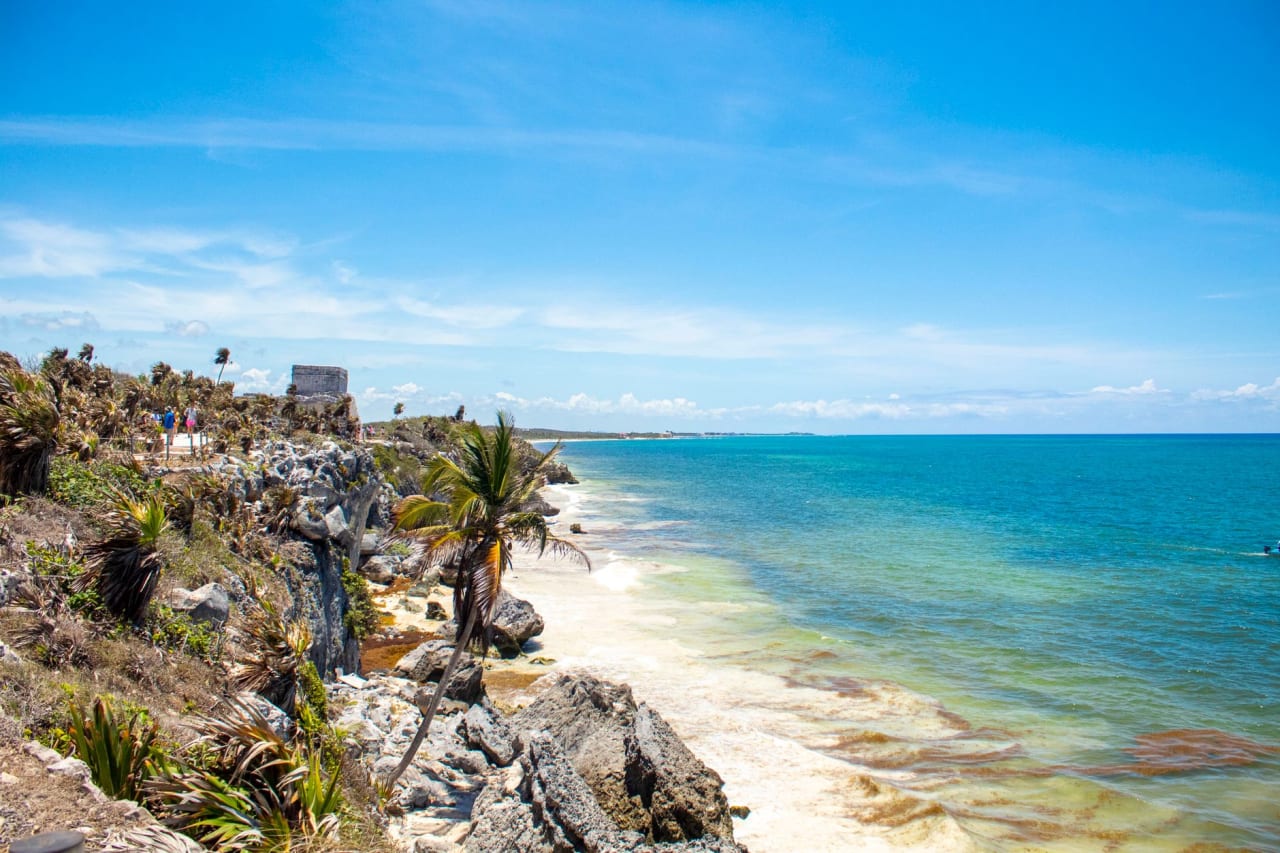
Tulum Weather Guide: What to Expect in 2026
Planning your trip to Tulum for 2026? Understanding the weather patterns of this Caribbean paradise is essential for making the most of your adventure. From the turquoise waters lapping the Zona Hotelera to the ancient Mayan ruins perched on sea cliffs, Tulum’s tropical climate offers distinct seasons that shape everything from cenote conditions to wildlife encounters. Whether you’re planning to snorkel the coral reef, explore the Sian Ka’an biosphere, or simply unwind in an eco-chic jungle retreat, this comprehensive weather guide will help you choose the ideal time for your visit.

Understanding Tulum’s Tropical Climate
Tulum enjoys a tropical climate characterized by warm temperatures year-round and two distinct seasons. Located on Mexico’s Caribbean coast in Quintana Roo, roughly 130 km south of Cancun along the Riviera Maya corridor, this destination benefits from the warm turquoise waters of the Caribbean Sea, gentle trade winds, and consistent sunshine that make it one of Mexico’s most sought-after beach destinations regardless of when you visit.
The climate is shaped by Caribbean Sea currents, the flat jungle terrain of the Yucatan Peninsula, and seasonal tropical weather systems including the Atlantic hurricane season. According to INEGI, the region maintains an average annual temperature of 28°C (82°F), with minimal variation throughout the year. What changes dramatically between seasons is rainfall, humidity levels, and sea conditions.
Two Main Seasons
- Dry Season (November–April): Minimal rainfall, lower humidity, consistent sunshine, calm Caribbean waters ideal for snorkelling and diving
- Rainy Season (May–October): Afternoon thunderstorms, lush jungle greenery, occasional tropical storms, and fewer tourists
Both seasons offer unique advantages for travellers. The dry season attracts the majority of visitors seeking reliable beach weather, while the rainy season delivers a more authentic local experience with dramatic skies, vibrant cenote colours, and the magic of sea turtle nesting season.
Month-by-Month Weather Breakdown for 2026
| Month | Avg Temp | Rainfall | Humidity | Best For |
|---|---|---|---|---|
| January | 25°C (77°F) | Minimal | Low | Snorkelling, cenotes, ruins |
| February | 25°C (77°F) | Minimal | Low | Diving, Akumal sea turtles |
| March | 27°C (81°F) | Minimal | Low | Spring break, beach clubs |
| April | 28°C (82°F) | Minimal | Medium | Beach relaxation, Sian Ka’an |
| May | 29°C (84°F) | Light | Medium | Pre-season deals, cenotes |
| June | 29°C (84°F) | Moderate | High | Turtle nesting begins, fewer crowds |
| July | 29°C (84°F) | Moderate | High | Cenote swimming, jungle lodges |
| August | 30°C (86°F) | Heavy | High | Sea turtle nesting peak |
| September | 29°C (84°F) | Heavy | High | Authentic local experience |
| October | 28°C (82°F) | Moderate | High | Shoulder season value |
| November | 27°C (81°F) | Light | Medium | Ideal conditions return |
| December | 25°C (77°F) | Minimal | Low | Holiday travel, ruins, cenotes |
January–March: Peak Dry Season
These months represent Tulum’s high season, and for very good reason. You’ll enjoy nearly guaranteed sunshine, comfortable temperatures, and minimal rainfall. Mornings are pleasantly cool around 22°C (72°F), climbing to warm 27–28°C (81–82°F) afternoons cooled by refreshing Caribbean trade winds. Evenings are perfect for dinner in Tulum Pueblo or strolling through Aldea Zama.
The calm Caribbean Sea in these months creates exceptional visibility for scuba diving and snorkelling adventures, including the world-famous cenote cave systems. Dos Ojos and Gran Cenote are at their most photogenic, with crystalline water and no afternoon thunderstorms to cloud visibility. This is also the best window for visiting the Tulum Mayan ruins, as the cool breeze off the sea makes the clifftop walk genuinely comfortable.
April–May: Late Dry Season Warmth
April and May bring the warmest temperatures of the year, occasionally reaching 32°C (90°F) at midday. Humidity begins rising in May as the rainy season approaches, but rainfall remains minimal. These months offer excellent value for budget-conscious travellers, as accommodation rates in the Zona Hotelera drop noticeably compared to peak winter months.
The warm Caribbean waters in April and May are ideal for snorkelling at Playa Paraiso and exploring the shallow reefs just offshore. We recommend booking a cenote day trip to Jardín del Edén or Casa Cenote before the rainy season begins — you’ll have the freshwater pools largely to yourself before summer crowds arrive.

June–October: Rainy Season and Turtle Season
Don’t let the term “rainy season” discourage you. Rainfall typically arrives as spectacular afternoon thunderstorms lasting 1–3 hours, leaving the rest of the day beautifully clear. Mornings are almost always sunny — perfect for an early cenote swim at Gran Cenote or a morning visit to the Tulum Ruins before the heat builds.
According to SEMARNAT, this season brings crucial rainfall that sustains the Yucatan jungle’s extraordinary biodiversity. The cenotes fill to their highest levels, the jungle surrounding Aldea Zama and La Veleta turns brilliant green, and the Sian Ka’an lagoons teem with birdlife. September typically sees the heaviest rainfall, but even then, all-day rain is the exception rather than the rule.
The defining highlight of this season is sea turtle nesting. Loggerhead, hawksbill, and green turtles nest along Tulum’s beaches from June through November, with peak activity in August and September. Our team recommends a guided turtle release experience — witnessing hatchlings make their way to the Caribbean under a starlit sky is genuinely unforgettable. Akumal, just 30 minutes north of Tulum, offers the rare opportunity to snorkel alongside wild sea turtles year-round.
November–December: Return to Perfect Conditions
As November arrives, rainfall drops dramatically and the air cools to one of the most comfortable temperatures of the year. These shoulder months deliver an excellent balance: fewer crowds than peak season, beautiful weather, and competitive rates on tours and accommodation throughout the Zona Hotelera and Tulum Pueblo.
December marks the return of high season, with the Tulum Ruins and major cenotes filling up again. The weather is pristine, making it a wonderful time to take a day trip to Cobá ruins (45 minutes inland) or arrange a boat tour into the Sian Ka’an biosphere. Cultural celebrations and artisanal markets in Tulum Pueblo add festive energy to the holiday period.
Planning Your Activities Around the Weather
Water Activities
Best months: November–May for calmest sea conditions; year-round for cenotes
- Snorkelling and reef swimming: Best visibility December–April at Playa Ruinas and Playa Paraiso; Akumal reef accessible year-round
- Cenote diving and swimming: Excellent year-round; Gran Cenote, Dos Ojos, Cenote Azul, and Jardín del Edén are open most of the year
- Scuba diving: Best visibility November–May; Tulum’s underwater cave systems (the world’s longest) are diveable year-round with a certified guide
- Kayaking in Sian Ka’an: Excellent October–April when lagoon waters are calm and birdlife is active
Nature and Wildlife Tours
Best months: Year-round opportunities, different species by season
Wildlife viewing in Tulum follows seasonal patterns recognized by CONANP. Sea turtle nesting peaks August–November along Tulum’s beaches. Wild sea turtles can be seen year-round at Akumal Bay, just 30 minutes north. Birdwatching in the Sian Ka’an biosphere is spectacular throughout the year, with over 300 recorded species including roseate spoonbills and jabiru storks. Whale shark season in the wider Riviera Maya runs June–September, with tours typically departing from Cancun or Isla Mujeres.
Cultural Experiences
Best months: November–April for most comfortable exploration
The dry season is ideal for visiting the Tulum Mayan ruins, taking a day trip to Chichén Itzá (2.5 hours away), or cycling to Cobá (45 minutes). The cooler temperatures make wandering Tulum Pueblo — browsing the market, sampling vegan tacos, and exploring the artisan shops of La Veleta — genuinely enjoyable. The night market at El Camello and the Pueblo’s taco stands are lively year-round.
What to Pack for Different Seasons
Dry Season Essentials (November–May)
- High-SPF reef-safe sunscreen (50+ recommended — protecting the coral reef matters here)
- Lightweight, breathable clothing in natural fabrics
- Wide-brimmed hat and quality sunglasses
- Light layers for air-conditioned restaurants and beach-club evenings
- Comfortable sandals and water shoes for cenotes
- Reusable water bottle

Rainy Season Additions (June–October)
- Lightweight rain jacket or compact poncho
- Quick-dry clothing and extra swimwear
- Waterproof bag for electronics
- Closed-toe shoes that dry quickly (for jungle trails)
- Mosquito repellent (essential in the jungle zones of Aldea Zama and La Veleta)
- Waterproof phone case
Weather Safety and Considerations
Hurricane Awareness
Tulum sits on the Caribbean coast, which means it falls within the Atlantic hurricane belt. The hurricane season runs June–November, with peak activity in August and September. While direct hits are relatively rare, tropical storms can bring significant rainfall, rough seas, and temporary closures of outdoor sites. We always recommend purchasing travel insurance if you plan to visit during this window, and monitoring forecasts from CONAGUA. Local hotels and tour operators are well-drilled in storm protocols.
Sun Protection
Tulum’s proximity to the equator and the reflective surface of the Caribbean Sea amplify UV radiation significantly. Even on overcast rainy-season days, sunburn is a real risk. Apply reef-safe sunscreen every two hours, seek shade during peak sun hours (11am–3pm), and stay hydrated with 2–3 litres of water daily. The cenotes offer natural shade and cooling, making them a wonderful midday retreat.
Ocean Safety
The Caribbean coast around Tulum is generally calm and well-suited for swimming, particularly along the protected beaches of the Zona Hotelera and at Playa Paraiso. Unlike Pacific surf destinations, Tulum does not have powerful shore break. However, during tropical storms or hurricane season, the sea can become rough and swimming is not advised. Always check beach flags — red means stay out. For the calmest and most protected swimming conditions year-round, the cenotes are your best option.

Real Traveler Experience: Weather Timing Makes the Difference
Ana and James from Toronto visited Tulum twice in 2024 — once in January and again in August. “January was absolutely perfect,” Ana recalls. “The water was so clear at Dos Ojos we could see 30 metres into the cave system. The ruins in that light, with the Caribbean behind them, were breathtaking.” Their August return surprised them. “Yes, there was rain in the afternoons, but we used that time to nap in our jungle cabana. The mornings were stunning, and watching sea turtle hatchlings head to the sea one night was something we’ll never forget. Honestly, August might have been more magical.”
Their experience captures what our Tulum team hears constantly from repeat visitors: both seasons have distinct, genuine rewards. Their advice? “Choose based on what matters most to you — crystal-clear cenotes and guaranteed sun, or turtle season and the lush jungle at its most alive.”
Frequently Asked Questions
When is the best time to visit Tulum weather-wise?
The “best” time depends on your priorities. November through April offers the most reliable sunny weather and exceptional cenote and reef visibility — perfect for diving, snorkelling, and ruin-hopping. May through October brings lush scenery, sea turtle nesting, fewer tourists, and lower rates, with rain typically limited to dramatic afternoon showers. For the optimal balance of weather and value, we recommend November or early December.
Is Tulum too hot in summer?
Summer temperatures (June–September) average around 29°C (84°F) — warm but not oppressive. The increased humidity during rainy season can make it feel warmer, but afternoon rains and Caribbean breezes provide natural cooling. The cenotes are refreshingly cool year-round, making them a perfect midday escape from summer heat.
Can you swim in Tulum during rainy season?
Absolutely. Rain typically falls in the afternoon for 1–3 hours, leaving mornings and early afternoons perfect for beach time and cenote visits. Caribbean water temperatures remain warm year-round (27–29°C). During tropical storms, the sea can become rough; on those days, the cenotes are the ideal alternative. Gran Cenote and Dos Ojos are open most of the year and unaffected by ocean weather.
Does it rain all day during rainy season in Tulum?
No. The rainy season features brief, intense afternoon thunderstorms rather than all-day rain. Most days begin with clear, sunny mornings ideal for ruins, cenotes, and tours. Rain usually arrives between 3pm and 7pm and then clears for pleasant evenings in Tulum Pueblo or the Zona Hotelera. All-day rain is quite rare, even in September, the heaviest month.
What’s the water temperature in Tulum?
The Caribbean Sea around Tulum stays wonderfully warm throughout the year, ranging from 26°C (79°F) in cooler winter months to 29°C (84°F) in summer. Cenote water is consistently cooler — typically around 24°C (75°F) — which feels refreshing on a hot day. You won’t need a wetsuit for most activities.

Should I worry about hurricanes in Tulum?
Tulum’s Caribbean coast location means hurricane risk is real but manageable. The Atlantic hurricane season runs June–November; most storms that affect the Riviera Maya do so in August–October. Modern forecasting gives plenty of warning. Purchase travel insurance, book refundable reservations if travelling in peak hurricane months, and follow guidance from local authorities. Tulum’s infrastructure and tour operators are experienced at managing storm seasons.
Conclusion: Choose Your Perfect Tulum Weather Window
Tulum’s Caribbean climate is genuinely forgiving: temperatures barely shift throughout the year, the sea is warm, and the cenotes are magnificent no matter the season. Whether you prioritize the crystalline visibility of dry-season cenotes and reefs, the spectacle of sea turtle nesting season, the lush green jungle of the rainy months, or the festive atmosphere of December in Tulum Pueblo — this destination rewards every kind of traveller.
Understanding these weather patterns helps you pack appropriately, book the right activities, and set realistic expectations for your visit. With this guide for 2026, you’re ready to plan your adventure on Mexico’s stunning Caribbean coast with confidence.
Disclaimer: Weather patterns can vary year to year. This guide provides general expectations based on historical data; actual conditions may differ. Always check current forecasts before your trip and confirm tour availability with operators. For protected area regulations and environmental information, consult official sources such as CONAGUA and CONANP.
Connect With Us
Follow us for daily updates, weather tips, and travel inspiration from Tulum:
auto_awesome Continue exploring Tulum
You Might Also Like
 article Adventures calendar_today Nov 21, 2025
 Ultimate Tulum Travel Guide 2025: Everything You Need to Know
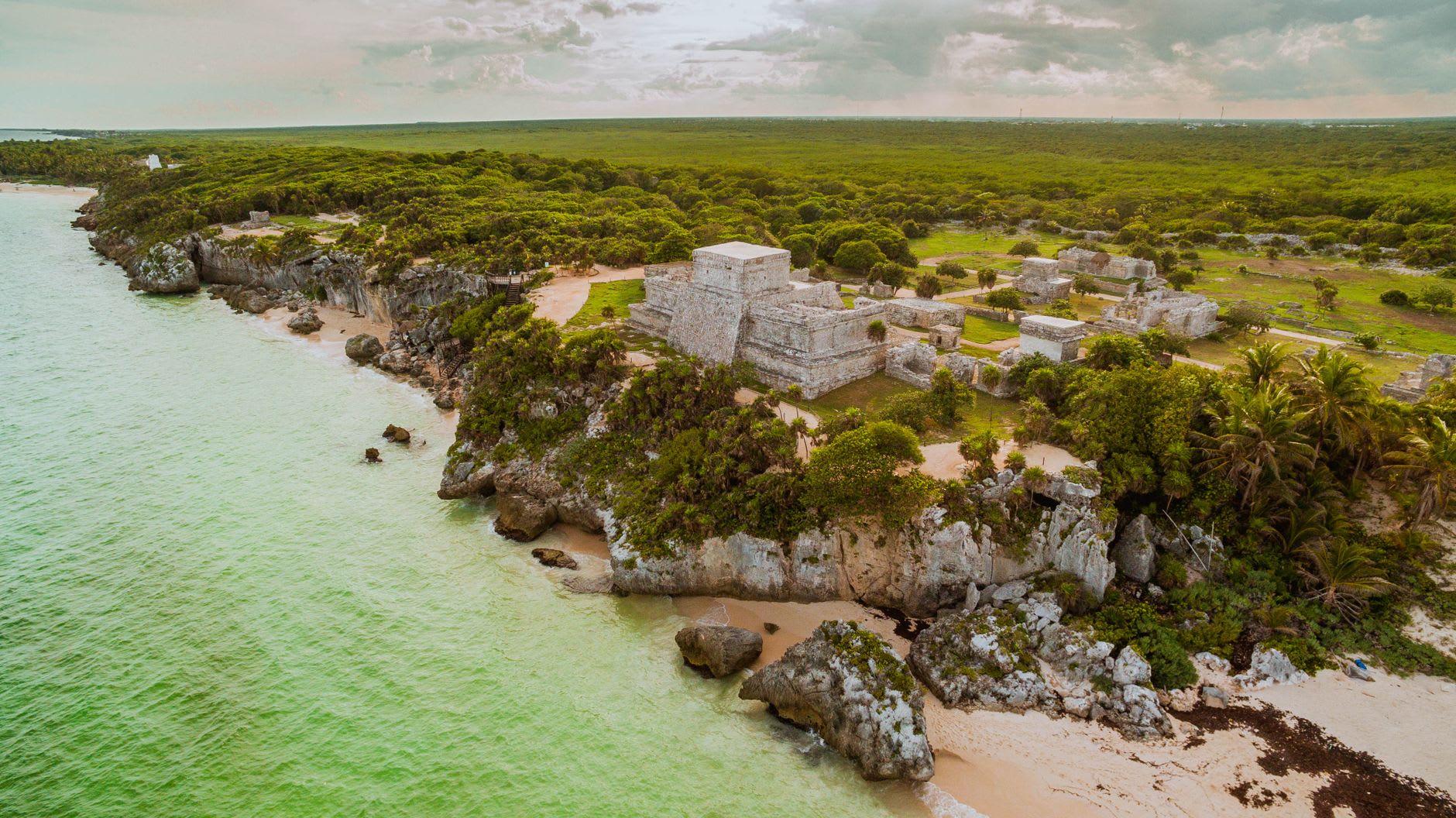
Tulum has transformed from a quiet Mayan coastal village into one of Mexico’s most captivating destinations, and 2025 is
 article Move calendar_today Dec 6, 2025
 Tulum Colectivo Guide: How to Use Shared Transport Like a Local
Navigating Tulum like a local means mastering the colectivo system—the affordable, authentic way to explore this Caribbe
 article Stays calendar_today Dec 5, 2025
 Tulum Airport Guide: Everything You Need to Know Before You Arrive
Most travelers reach Tulum through Cancun International Airport (CUN), about 130 km north along the Riviera Maya. Whethe