Tulum Packing List: Essential Items for Your Caribbean Adventure
Packing for Tulum requires thoughtful preparation—this isn’t your typical all-inclusive resort destination. This eco-chic Caribbean town on Mexico’s Riviera Maya offers everything from ancient Mayan cliff-top ruins and crystal-clear cenotes to coral reef snorkelling and the vast Sian Ka’an biosphere reserve. Whether you’re planning to float through Gran Cenote, hike the jungle path to Tulum Ruins, or snorkel with sea turtles at nearby Akumal, having the right gear makes all the difference. This comprehensive packing guide covers everything you need to maximize your adventure while traveling light and smart.

Beach & Water Essentials
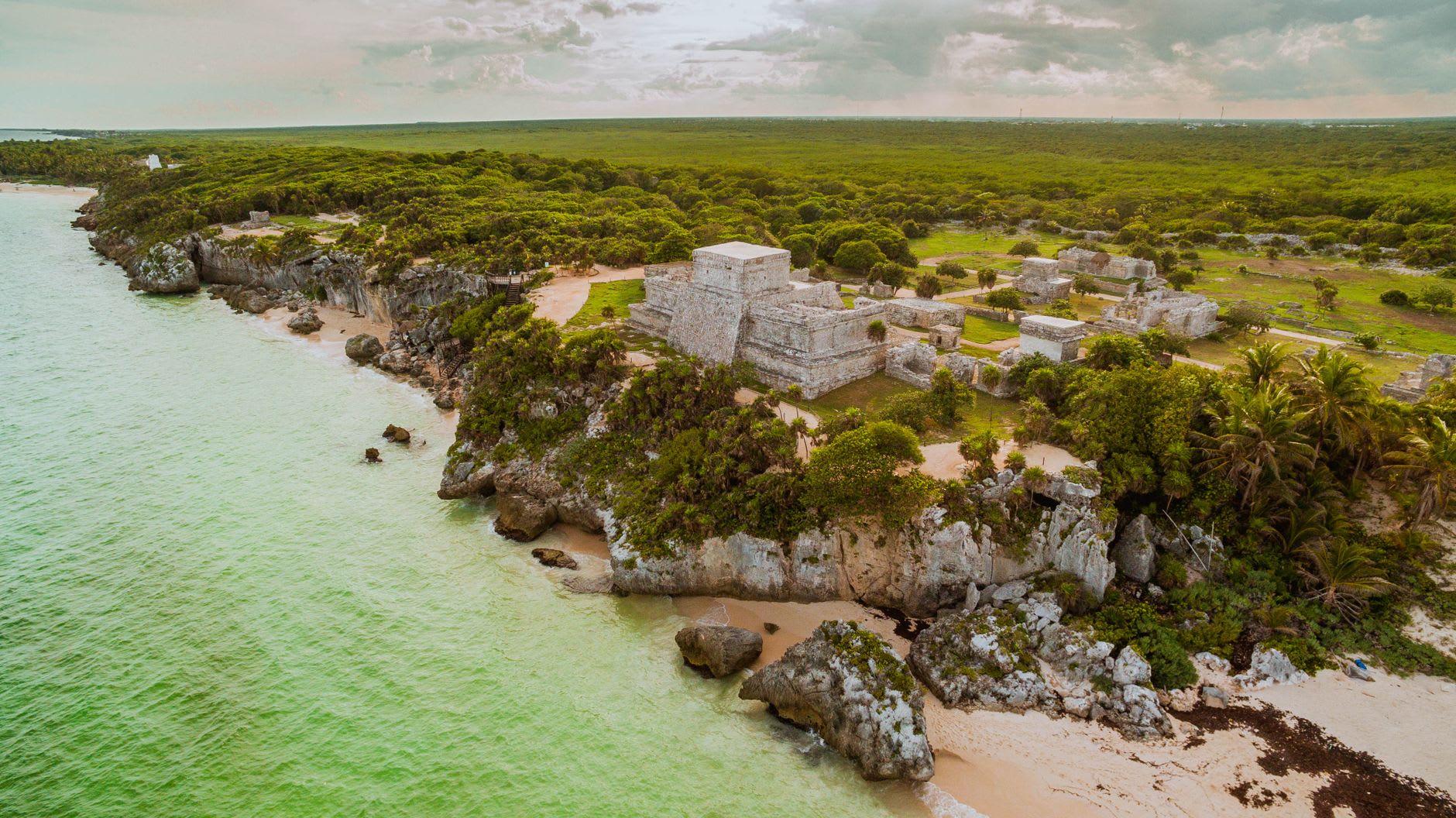
Tulum’s coastline ranges from the calm, turquoise Caribbean waters at Playa Paraíso to the atmospheric Playa Ruinas beneath the ancient Mayan ruins. Meanwhile, freshwater cenotes like Gran Cenote and Dos Ojos offer a completely different swimming experience just minutes inland. Each setting requires specific preparation, but certain items are universal for any water day in this tropical paradise.
Sun Protection (Non-Negotiable)
The Caribbean sun is intense year-round, sitting just 20 degrees north of the equator. Sunburn can ruin your vacation within hours, especially during peak UV hours between 11 AM and 3 PM.
- Reef-safe sunscreen (SPF 50+): Biodegradable, mineral-based formulas are mandatory near Tulum’s coral reefs and cenotes—and actually required by law inside many cenotes to protect the ecosystem
- Wide-brimmed hat: Provides crucial face and neck coverage during boat tours, cenote visits, and ruin walks
- UV-protection sunglasses: Essential for glare reduction on the brilliant turquoise water and white sand
- Lightweight long-sleeve swim shirt: Offers extended protection during multi-hour snorkelling tours
- After-sun aloe gel: Soothing relief if you do get too much sun despite precautions
Water Activity Gear
Many tours provide equipment, but bringing your own ensures comfort and hygiene:
- Quick-dry swimwear (multiple sets): Having backups means you’re always ready for spontaneous cenote dips or Caribbean swims
- Water shoes or reef sandals: Cenote entries can be slippery limestone, and rocky shoreline sections along the Zona Hotelera reward foot protection
- Waterproof phone case or dry bag: Protect electronics during cenote swims, boat tours, and kayaking through Sian Ka’an lagoons
- Snorkel mask (optional): If you have a comfortable fit, bring it—rental masks vary in quality, and Tulum’s reefs and cenotes reward good visibility
- Microfiber beach towel: Dries quickly and packs small; cenotes often don’t provide towels

Clothing for Tropical Caribbean Climate
Tulum maintains warm temperatures year-round (75–90°F / 24–32°C) with two distinct seasons: dry (November–April) and rainy (May–October). Pack accordingly based on your travel dates.
| Item | Quantity | Purpose |
|---|---|---|
| Lightweight, breathable shirts | 5–7 | Daily wear; linen, cotton or moisture-wicking fabrics |
| Shorts/skirts | 3–4 | Beach, cenote visits and casual exploration |
| Long pants (lightweight) | 1–2 | Evening wear, mosquito protection, nicer jungle restaurants |
| Light sweater or cardigan | 1 | Air-conditioned spaces, evening Caribbean breezes |
| Rain jacket (May–Oct) | 1 | Afternoon tropical showers |
| Comfortable walking sandals | 1 pair | Daily exploration, Tulum Pueblo and beach access |
| Closed-toe shoes | 1 pair | Ruin visits, jungle trails, evening outings |
| Flip-flops | 1 pair | Hostel/hotel room and quick beach access |
Cultural Considerations
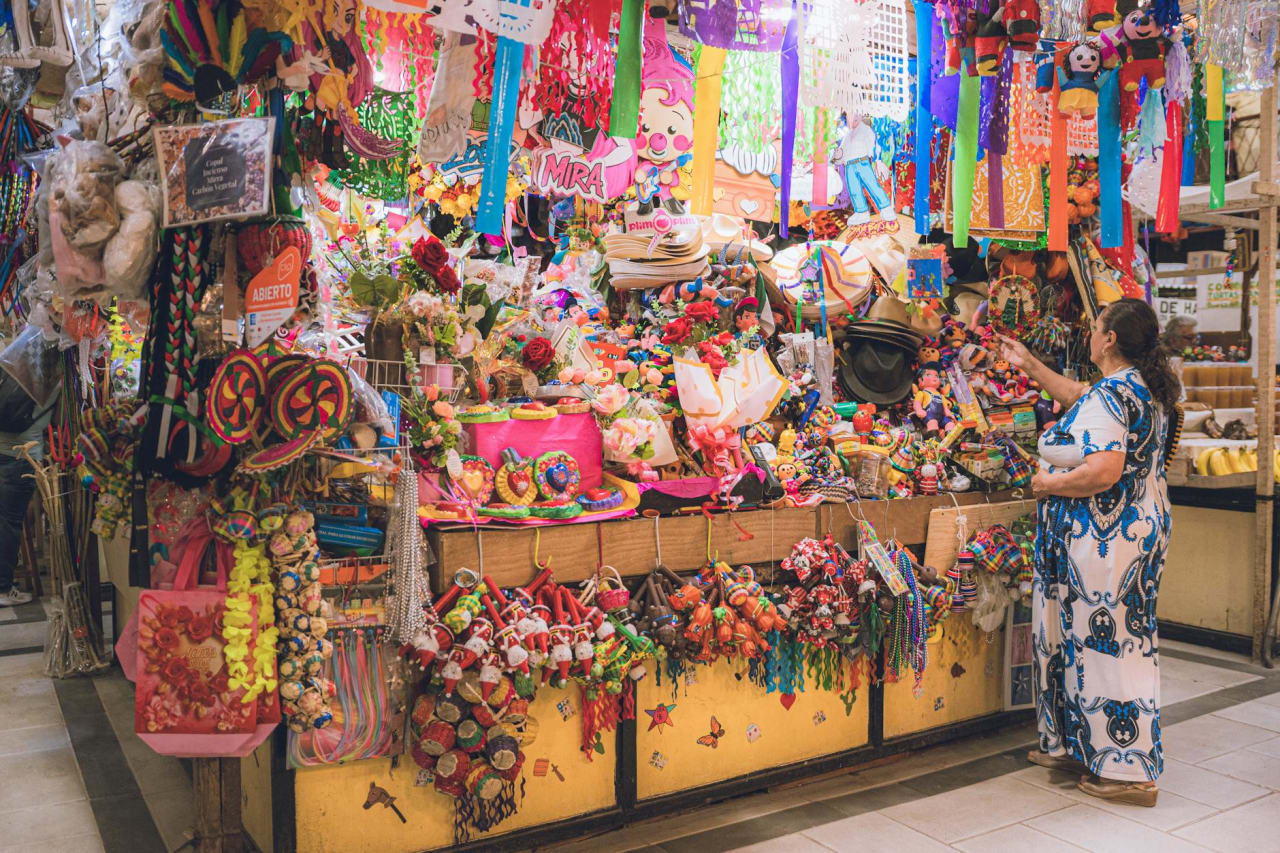
Tulum maintains a relaxed, eco-chic beach-town atmosphere, but respect local customs when venturing beyond the Zona Hotelera. Beachwear is perfectly acceptable near the coast, but cover up when visiting Tulum Pueblo’s markets, local neighbourhoods like La Veleta or Aldea Zama, or during visits to the Mayan ruins at the archaeological zone entrance.
Health & Safety Essentials
While Tulum is generally safe for travelers, being prepared for minor health issues and environmental factors ensures a smooth trip.
First Aid & Medications
- Personal prescription medications: Bring enough for your entire stay plus a few extra days
- Anti-diarrheal medication: Adjusting to new foods and water can affect digestion
- Pain relievers/anti-inflammatories: For headaches or muscle soreness after cenote swims or ruin hikes
- Antihistamines: Useful for reactions to tropical plants, insects, or new foods
- Motion sickness medication: Helpful for boat tours through Sian Ka’an lagoons or offshore snorkelling excursions
- Antiseptic cream and bandages: Minor cuts from coral, cenote limestone, or jungle branches
- Insect repellent (DEET 30% or natural alternatives): Mosquitoes are active year-round, especially during rainy season and in jungle areas near Aldea Zama
Hydration & Wellness
The tropical climate and active adventures demand proper hydration:
- Reusable water bottle (insulated recommended): Refill with purified water at your accommodation or restaurants—tap water is not safe to drink
- Electrolyte packets: Replace minerals lost through sweating during jungle hiking tours or long days of cenote-hopping
- Probiotics: Support digestive health when experimenting with local street tacos and organic Tulum cuisine
Real traveler tip from Sarah, Canadian visitor (2024): “I underestimated the humidity and forgot electrolyte supplements. After a morning cenote visit and afternoon ruin walk, I felt completely drained. Once I started using electrolyte packets daily, my energy improved dramatically. Don’t skip this!”
Adventure & Tour-Specific Gear
Depending on which experiences you’re booking, certain specialized items enhance your enjoyment and comfort.
For Water-Based Tours
- Waterproof action camera or GoPro: Capture the magical underwater light in cenotes and the coral formations on reef snorkelling tours
- Waterproof phone pouch (lanyard style): Keep your phone accessible but protected during cenote tours and lagoon kayaking
- Rash guard: Additional sun protection and warmth during extended snorkelling sessions on the Mesoamerican Reef
For Nature & Wildlife Tours
- Binoculars (compact): Spot birds and wildlife in the Sian Ka’an biosphere—over 300 bird species live in this UNESCO reserve south of Tulum
- Headlamp or flashlight: Useful for early-morning wildlife tours and exploring deeper cenote caves
- Insect repellent clothing or treated gear: Extra protection during mangrove and lagoon explorations in Sian Ka’an
- Lightweight daypack (water-resistant): Carry essentials during multi-stop cenote tours or day trips to Cobá ruins
For Cenote & Cave Diving Activities
- Biodegradable sunscreen and toiletries: Most cenotes strictly prohibit chemical products—bring certified mineral options
- Life vest or floaties (optional): Some cenotes have rental equipment; non-swimmers appreciate the extra confidence
- Underwater flashlight: Illuminates the stunning stalactites in semi-dark cenotes like Dos Ojos

Technology & Documentation
Staying connected and organized ensures smooth travels through Tulum and nearby Riviera Maya destinations.
Electronics
- Universal power adapter: Mexico uses Type A/B plugs (same as US/Canada)
- Portable power bank: Essential for long tour days to Cobá or Chichén Itzá when outlets aren’t accessible
- Phone with international plan or local SIM: Navigation, tour bookings, and emergencies; Telmex and Telcel SIMs are widely available in Tulum Pueblo
- Waterproof case for electronics: Caribbean humidity and sudden afternoon showers can damage devices
- Camera with extra memory cards: Tulum’s Caribbean sunsets, cenote light beams, and Mayan ruins demand plenty of storage

Important Documents
- Passport (valid 6+ months): Required for international travelers entering Mexico
- Digital and physical copies of passport: Store separately in case of loss
- Travel insurance documentation: Covers medical emergencies and tour cancellations
- Tour confirmations and bookings: Screenshots or printouts of reservations with your operators
- Emergency contact information: Local embassy, accommodation, tour operators
- Credit cards and cash (pesos): Many local taco stands, cenote entrances, and colectivo taxis prefer cash; ATMs are available in Tulum Pueblo
What NOT to Bring
Equally important is knowing what to leave at home to travel lighter and avoid unnecessary stress:
- Excessive clothing: Laundry services are widely available and affordable throughout Tulum
- Valuable jewelry: Tulum is a casual, laid-back destination; expensive items attract unwanted attention
- Hair dryers (usually): Most accommodations provide them; Caribbean humidity makes styling challenging anyway
- Heavy guidebooks: Digital versions or photos of key pages save space and weight
- Chemical sunscreen and non-biodegradable toiletries: Tulum’s cenotes and reefs are protected ecosystems; mineral and biodegradable products are required
- Surfboards: Tulum’s Caribbean waters are calm and ideal for snorkelling and swimming—not surfing. Leave the board at home.
Seasonal Packing Adjustments
Fine-tune your packing list based on when you visit:
Dry Season (November–April)
- Lighter focus on rain gear
- Extra sun protection (clearer skies mean stronger UV—and whale shark season peaks May–September just offshore)
- Light sweater for evening Caribbean breezes
- Higher SPF requirements for beach and ruin days
Rainy Season (May–October)
- Quality rain jacket or poncho (afternoon showers are brief but heavy)
- Waterproof bag covers for your daypack
- Quick-dry everything—humidity prevents proper drying overnight
- Extra insect repellent (mosquitoes more active in jungle areas)
- Shoes that handle wet cobblestones in Tulum Pueblo
Eco-Conscious Packing Tips
Tulum’s natural beauty—from pristine Caribbean beaches to the protected lagoons of Sian Ka’an—depends on responsible tourism. Consider these sustainable packing choices:
- Reef-safe sunscreen only: Chemical sunscreens are actively harmful to coral reefs and cenote ecosystems; mineral sunscreen is both safer and often required
- Reusable water bottle and tote bags: Reduce plastic waste in a destination working hard to improve its environmental footprint
- Biodegradable toiletries: Especially important near cenotes, which are hydrologically connected to the Caribbean Sea
- Solid shampoo bars and soap: Eliminate plastic bottles and pass cenote chemical checks with ease
- Reusable utensils and straws: Many jungle restaurants and beach clubs still use single-use plastics
Supporting environmental conservation efforts through mindful packing choices helps preserve Tulum’s natural treasures for future generations.
Frequently Asked Questions
Do I need special gear for swimming in cenotes?
The most important thing is biodegradable (mineral) sunscreen—it’s mandatory at most cenotes to protect the water. Beyond that, a good-fitting snorkel mask and fins are worth bringing if you have them. Many cenotes rent equipment on site. Water temperatures in cenotes hover around 75–77°F (24–25°C) year-round—refreshing but comfortable without a wetsuit for most visitors.
Can I drink tap water in Tulum?
No, tap water is not safe for drinking. Bring a reusable water bottle and refill with purified water available at hotels, restaurants, and water stations throughout town. Most accommodations provide complimentary purified water dispensers.
How much cash should I bring?
While many Zona Hotelera restaurants and boutique hotels accept cards, cash (Mexican pesos) is preferred for cenote entrances, colectivo taxis, Tulum Pueblo taco stands, and tips. Bring enough for daily expenses and use ATMs in Tulum Pueblo to withdraw additional cash. Notify your bank of travel dates to avoid card blocks.
Is it safe to bring expensive camera equipment?
Tulum is generally safe, but use common sense. Don’t leave equipment unattended on the beach or visible in parked vehicles. Bring a waterproof dry bag for cenote and boat tours. Chemical-free lens wipes are useful in the humid Caribbean environment.
What type of footwear is most versatile?
Sport sandals with good tread (like Tevas or Chacos) work for most situations: cenote access, light jungle trails, casual dining in Tulum Pueblo, and wet Caribbean conditions. Add one pair of closed-toe walking shoes for the Tulum Ruins archaeological site and longer day trips to Cobá.
Should I pack formal clothing?

Tulum maintains a casually stylish, bohemian atmosphere. Even upscale jungle restaurants in the Zona Hotelera accept smart-casual or resort-chic attire—think a sundress or linen shirt. One slightly elevated outfit covers any dinner you’ll encounter. Skip the formal wear entirely.
Final Packing Tips for Tulum Success
The key to packing for Tulum is balancing preparation with flexibility. This eco-chic Caribbean destination rewards travelers who come equipped for cenote adventures, ruin explorations, and reef snorkelling—while embracing the relaxed, bohemian coastal lifestyle. Focus on quality essentials over quantity; a versatile, well-chosen wardrobe serves you better than an overstuffed suitcase.
Remember that you can purchase many items locally if you forget something. Tulum Pueblo has pharmacies, outdoor gear shops, and markets stocked with essentials including biodegradable sunscreen and snorkel rentals. What you can’t buy locally is time—so pack smart, travel light, and maximize every moment exploring this extraordinary Caribbean treasure.
From sunrise floats through the crystal caverns of Dos Ojos to sunset walks along Playa Paraíso, from snorkelling with sea turtles at Akumal to day trips through the ancient jungle to Cobá, having the right gear ensures you fully embrace every extraordinary experience the Riviera Maya offers.
Disclaimer: Information may change; please confirm schedules, regulations, and availability before booking. For legal, environmental, or safety matters, consult local authorities or official sources. For tour bookings and questions, visit our contact page.
Follow us for more Tulum travel tips:
Facebook: https://www.facebook.com/tulummx
Instagram: https://www.instagram.com/tulum_mx/
TikTok: https://www.tiktok.com/@tulum_pmx
auto_awesome Continue exploring Tulum
You Might Also Like
 article Adventures calendar_today Nov 21, 2025
 Ultimate Tulum Travel Guide 2025: Everything You Need to Know
Tulum has transformed from a quiet Mayan coastal village into one of Mexico’s most captivating destinations, and 2025 is
 article Aventuras calendar_today Feb 26, 2026
 Tulum Bike Rentals: Your Complete Cycling Guide
There’s something magical about rolling through Tulum with the warm Caribbean breeze in your face, passing vendors setti
article Aventuras calendar_today Jan 28, 2026 Tulum Public Transportation: Complete Guide to Getting Around Like a Local
Navigating Tulum’s public transportation system is easier than you think—and it’s one of the best ways to experience thi