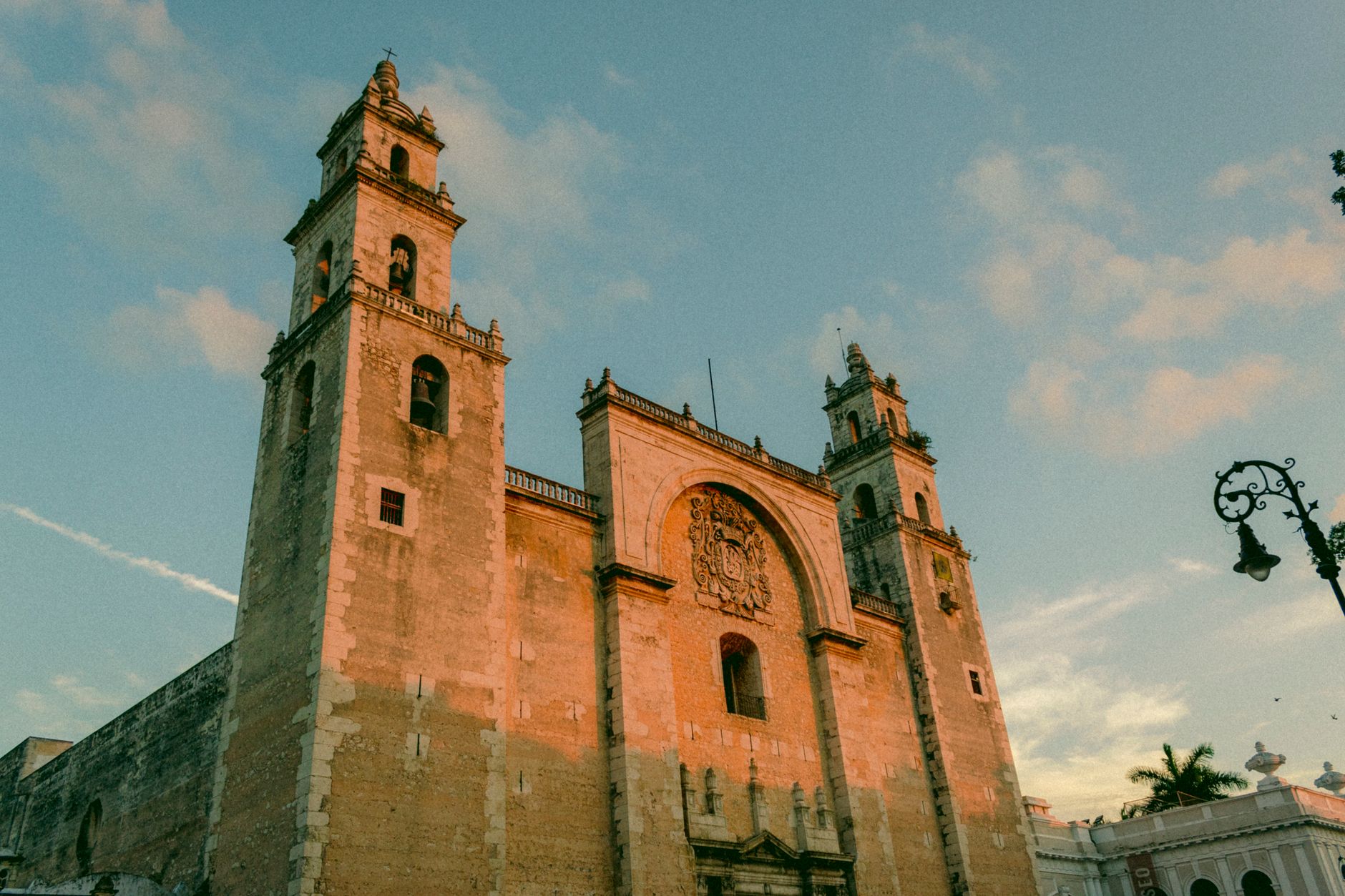
Best Time to Visit Mérida: Heat, Rain and the Festival Calendar
The best time to visit Mérida is from November to February, when daytime highs drop to around 28–31 °C, the evenings are pleasant for walking and the rainy season is over. March is still good but already hot. April and May are the hottest months, often above 38 °C, and from June to October afternoon storms and humidity take over, though prices are lower and the countryside is green.
| Month | Weather | Crowds & prices | What is on |
|---|---|---|---|
| January | Warm days, cool nights; coolest month | High | Mérida Fest, flamingos at Celestún |
| February | Dry and warm | High | Carnival (some years early March) |
| March | Dry, getting hot | High; very high at Easter | Spring equinox at Chichén Itzá |
| April | Very hot and dry | High at Easter, then medium | Cenote days |
| May | Hottest month, first storms late | Low | Value, quiet museums |
| June | Hot; rainy season starts | Low | Green countryside |
| July | Hot, humid, afternoon storms | Low in the city; locals go to the coast | Beach season at Progreso |
| August | Hot, humid, storms | Low | Value, haciendas |
| September | Wettest stretch, hurricane peak | Lowest | Independence Day |
| October | Rain easing, still humid | Low, rising | Paseo de las Ánimas at month's end |
| November | Warm, drier, nights cooling | Medium | Hanal Pixán (1–2 Nov) |
| December | Warm days, cool nights | High at Christmas–New Year | Guadalupe processions, Christmas |
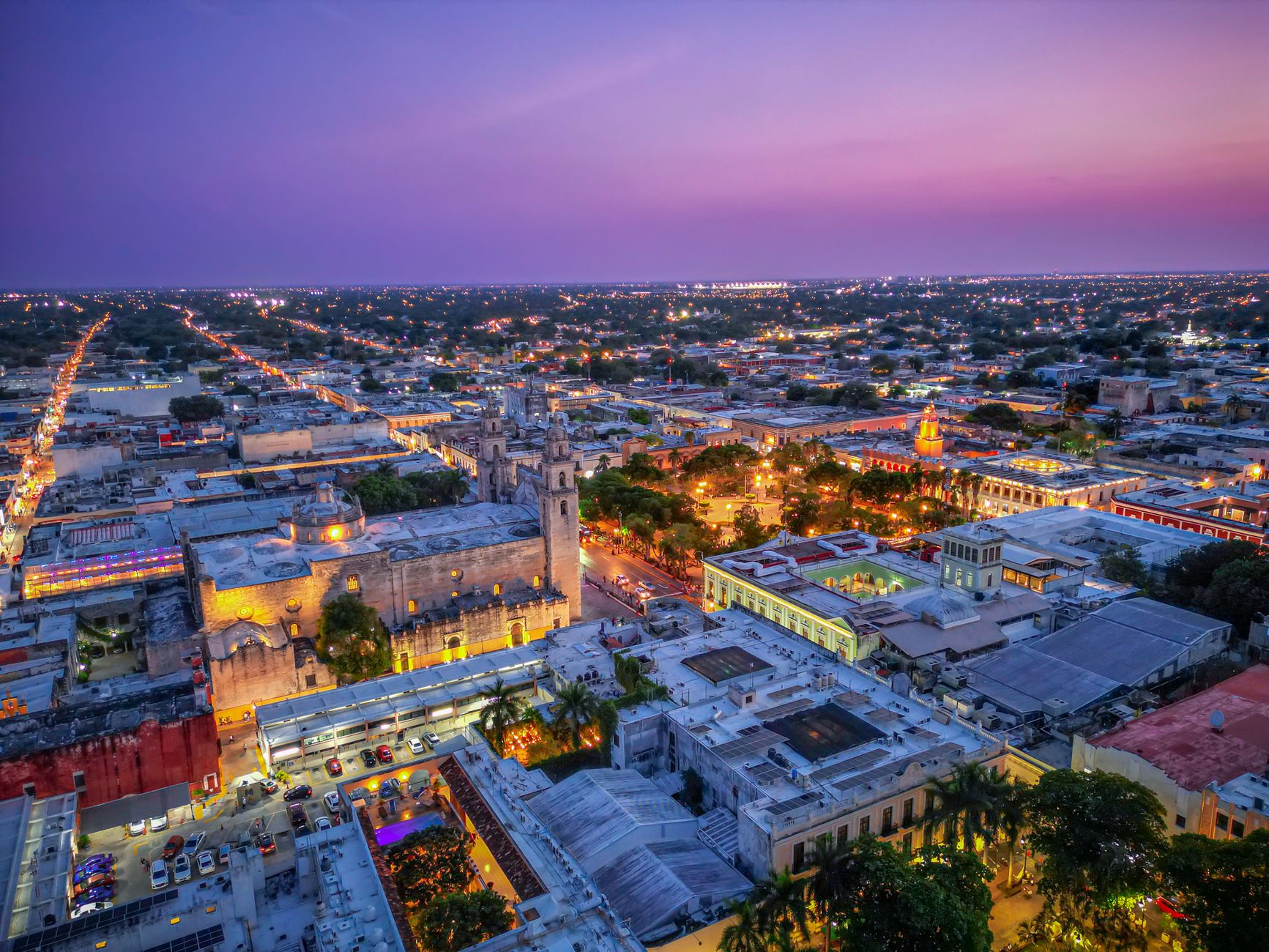
Mérida sits inland on the flat limestone plain of the Yucatán Peninsula, about 35 km from the Gulf coast at Progreso. There is no sea breeze and no altitude to cool it down, so the question is never whether it will be warm, only how hot and how humid. Below is what each season is like, the festival calendar that makes some months special, and the best months for different kinds of trip.
Winter (November to February): the best time to visit Mérida
These are the months when walking the city is a pleasure rather than an endurance test. Highs sit around 28–31 °C, nights fall to 16–19 °C, the sky is mostly clear and rain is rare. It is also when the city's free weekly events are at their most enjoyable, since you can stand in a plaza at 9 pm without sweating.
Cold fronts and what to pack
Between November and February, northern cold fronts, which locals call nortes, reach the peninsula a few times a month. They bring a day or two of wind, cloud and sometimes drizzle, and nights can drop to around 14 °C. That is cold by Mérida standards: bring a light jacket or sweater for the evenings and for air-conditioned buses.
Peak weeks to book early
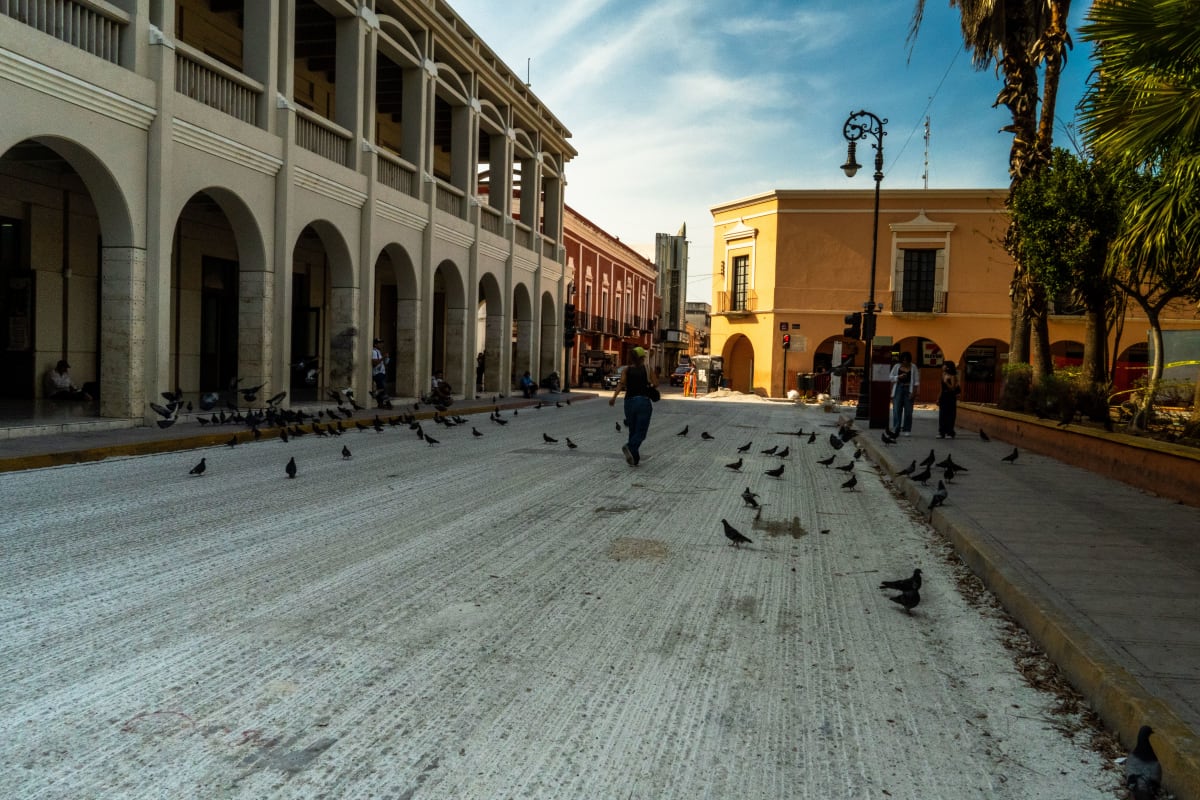
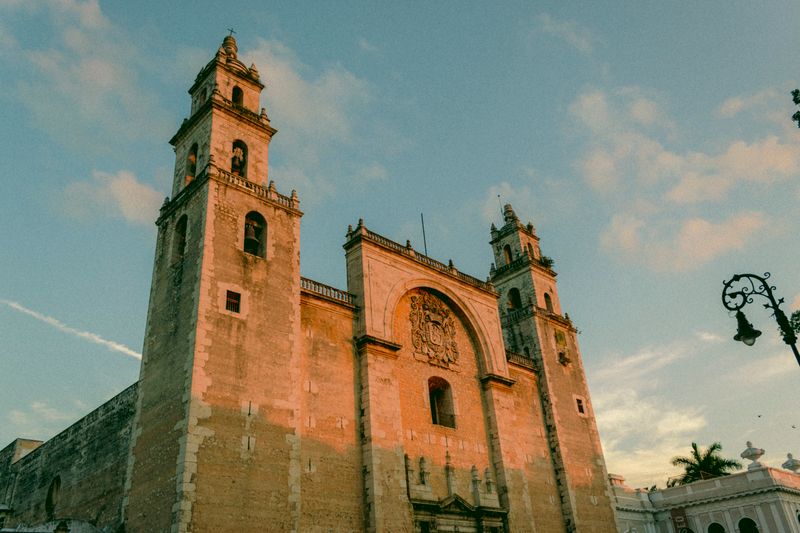
Mérida is less seasonal than the beach resorts, but the Christmas–New Year fortnight and Semana Santa (the week before Easter) fill the best boutique hotels in the Centro Histórico. Many North American and Canadian visitors also spend the whole winter here, so long-stay rentals between January and March go early.
The hot season (March to May): cenotes and early starts
The heat builds from March and peaks in April and May, when afternoon highs of 38–40 °C are normal and the end of the dry season leaves the countryside brown. It is still a perfectly good time to visit if you adapt your days the way locals do.
How to handle the heat
- Start early. Visit ruins such as Uxmal or Dzibilchaltún at opening time and be back in the shade by midday.
- Spend the afternoon in water. The cenotes around Homún and Cuzamá stay cool year-round and are at their best when the air is hottest.
- Choose a hotel with a pool and air conditioning. In May this matters more than location.
- Go out again after sunset. Mérida's streets fill up once the temperature drops.
The spring equinox at Chichén Itzá
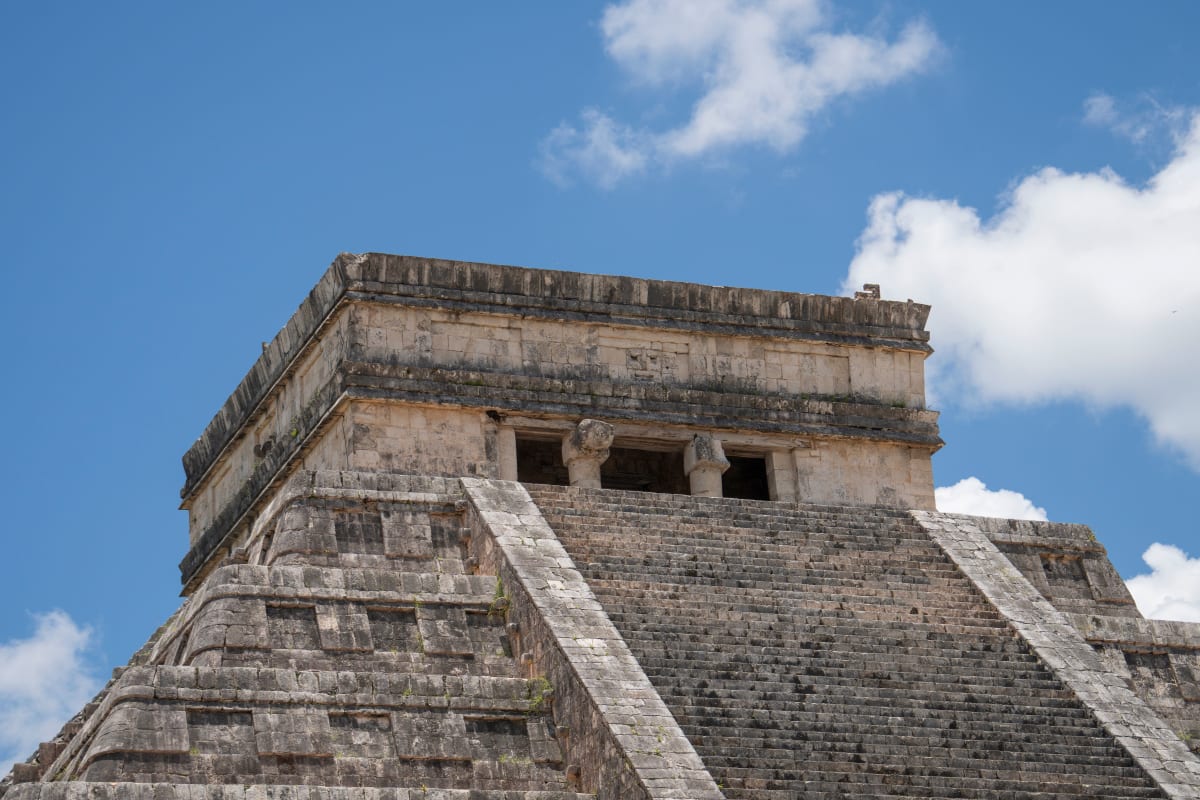
Around 20–21 March, the afternoon sun casts a serpent of light and shadow down the steps of El Castillo at Chichén Itzá, about two hours from Mérida. It draws very large crowds; the effect is also visible for several days either side, when the site is much quieter.
The rainy season (June to October): green, humid and quiet
Rain arrives in June and lasts until October. It rarely rains all day: the usual pattern is a hot, sticky morning and a heavy storm in the afternoon or evening that clears the air for a few hours. Highs stay around 33–35 °C, and the humidity makes them feel hotter. In exchange, hotel rates are at their lowest, the haciendas and ruins are surrounded by green and the big sights are far less crowded. In July and August many Mérida families move to their beach houses in Progreso and along the coast, so the city itself is calmer than usual.
Hurricane season
The Atlantic hurricane season runs from 1 June to 30 November, with the highest risk from August to October. Because Mérida is inland, storms usually reach it weakened, but not always: Gilbert in 1988 and Isidore in 2002 both caused serious damage in the city. If you travel in these months, keep bookings flexible, buy insurance that covers weather and follow official forecasts in the days before your trip.
Flamingos at Celestún and Río Lagartos
Flamingos live on the Yucatán coast all year, but the largest flocks gather in the Celestún estuary, a day trip west of Mérida, roughly from November to March. In spring and early summer many move to Río Lagartos on the north coast to nest.

Mérida's festival calendar
Mérida has free cultural events every week of the year, and a handful of bigger celebrations that are worth planning around.
Every week
- Sunday: Mérida en Domingo, a market, food stalls and dancing in the Plaza Grande, and in the morning the Biciruta, when Paseo de Montejo closes to cars for cyclists.
- Monday: the Vaquería, traditional Yucatecan jarana dancing in front of the city hall.
- Thursday: the Serenata Yucateca of trova music and poetry in Parque Santa Lucía.
The big dates
- Mérida Fest (January): weeks of concerts, theatre and exhibitions around the city's founding anniversary on 6 January.
- Carnival (February or early March): the week before Ash Wednesday, with parades and the most famous carnival on the peninsula.
- Hanal Pixán (31 October to 2 November): the Yucatecan Day of the Dead, with home altars, mucbipollo (a large tamale baked underground) and, at the end of October, the candlelit Paseo de las Ánimas procession from the General Cemetery.
- Independence (15–16 September): the Grito in the Plaza Grande on the night of the 15th.
- Virgin of Guadalupe (early to 12 December): processions of pilgrims through the city.

The best time to visit Mérida for your kind of trip
- First visit, comfortable weather: late November to February.
- Festivals: late October to early November for Hanal Pixán, or Carnival week.
- Lowest prices: May to October, if you can handle heat and storms.
- Cenotes: any month, but they feel best from April to September.
- Flamingos at Celestún: November to March.
- Ruins in comfort: December to February, early in the day.
Once you have your dates, plan the days with our list of things to do in Mérida, compare neighborhoods on the Mérida stays page, find where to eat in the restaurant directory and see the day trips to ruins, cenotes and Celestún on our Mérida tours page.
Frequently Asked Questions
What is the best month to visit Mérida?
January is the coolest month, and November to February is the most comfortable season overall. If you want festivals, aim for Hanal Pixán at the start of November or Carnival in February.
What is the hottest month in Mérida?
May, closely followed by April. Afternoon highs of 38–40 °C are common and occasionally higher. Plan sightseeing for the morning and evening.
When is the rainy season in Mérida?
From June to October, usually as heavy afternoon or evening storms rather than all-day rain. Hurricane season runs from June to November, with the highest risk from August to October.
Is Mérida worth visiting in summer?
Yes, if you plan around the heat: early starts, cenotes in the afternoon and a hotel with a pool. Prices are lower, the countryside is green and the main sights are quieter.
auto_awesome Continue exploring Mérida
You Might Also Like
 article Travel Tips calendar_today Oct 12, 2026
 How to Get to Mérida: Airport, ADO Buses & Transfers
The easiest way to get to Mérida is to fly into Mérida airport (MID) or take an ADO bus from Cancún, Playa del Carmen or
 article Exploring calendar_today Oct 11, 2026
 Izamal, the Yellow City: Day Trip from Mérida
An Izamal day trip from Mérida takes about an hour each way and combines a 16th-century convent, a climbable Maya pyrami
 article Adventures calendar_today Oct 10, 2026
 Las Coloradas & Río Lagartos: Pink Lakes and Flamingo Tour Guide
How to see the pink salt ponds of Las Coloradas and the flamingos of Río Lagartos from Mérida: tour or self-drive, the a