Best Things to Do in Mérida, Yucatán: City, Ruins, Cenotes and Food
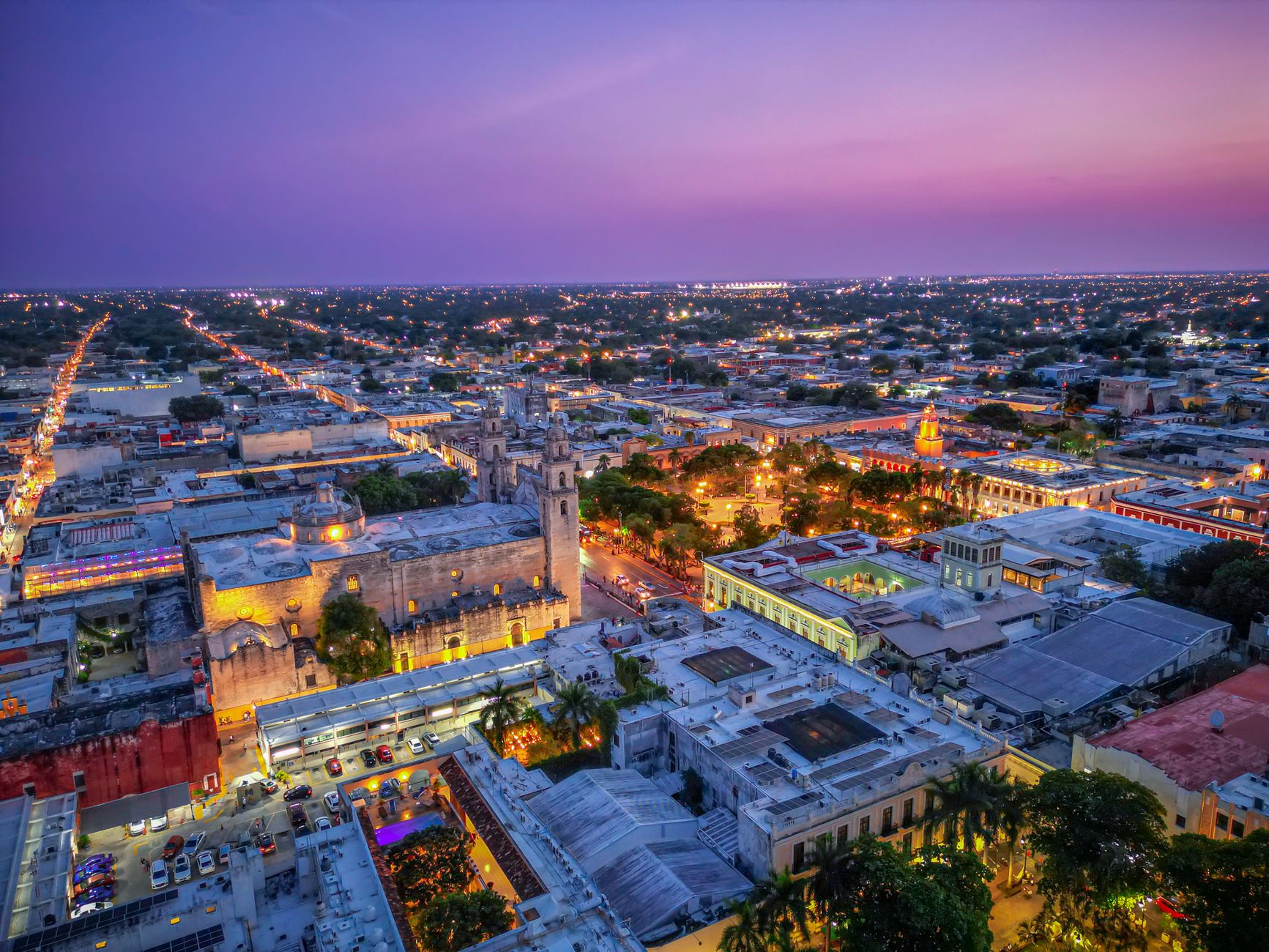
The best things to do in Mérida fall into three groups: the colonial center, which you can see on foot and almost for free; the day trips to Mayan cities, cenotes and old henequen haciendas within two hours of town; and the food, which is reason enough to come. Mérida is the capital of Yucatán, founded in 1542 on top of the Mayan city of T'Hó, and it is a working city of around a million people rather than a resort. That changes how you plan: mornings for sightseeing, the hot middle of the day indoors or in a cenote, and evenings in the plazas, where the city puts on a free show almost every night.
The Centro Histórico: things to do in Mérida on foot
Everything in the old center is within a 20-minute walk of the Plaza Grande, the main square, and most of it costs nothing.
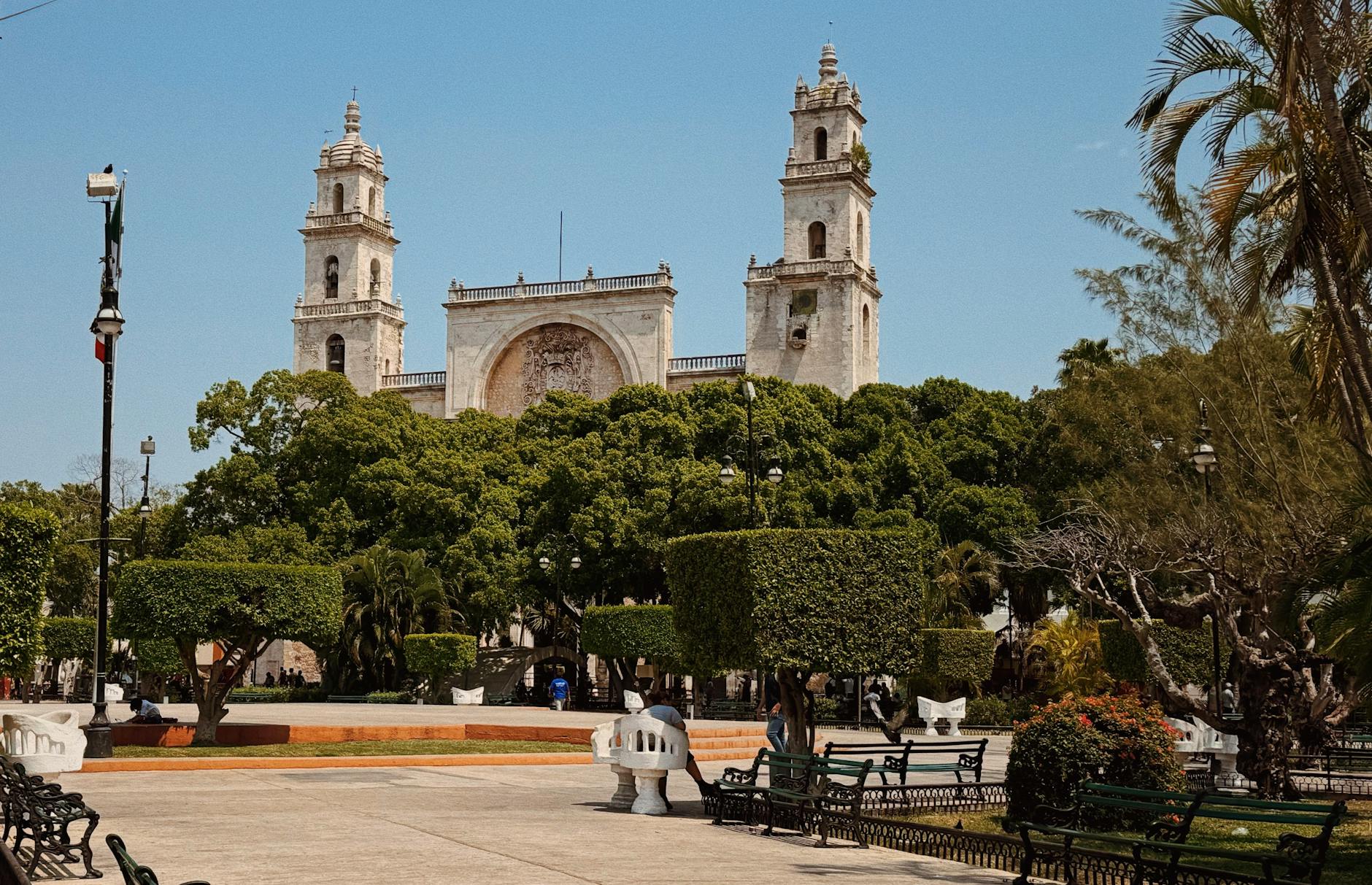
Plaza Grande and the buildings around it
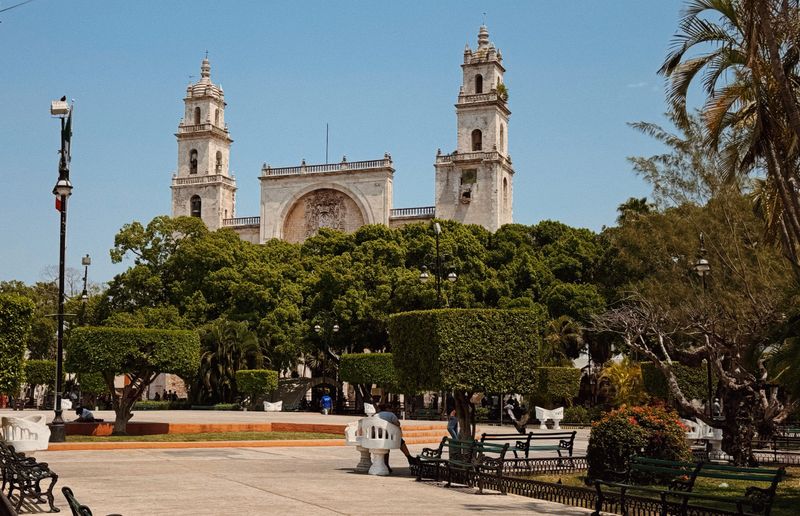
- Catedral de San Ildefonso. Built between 1561 and 1598 with stone from the Mayan pyramids it replaced, it is one of the oldest cathedrals on the American mainland. The interior is plain because it was stripped during the Revolution; the huge Cristo de la Unidad behind the altar is a later addition.
- Palacio de Gobierno. Free to enter. The upstairs hall and the stairwell hold 27 large murals by Fernando Castro Pacheco on the history of Yucatán, from the Mayan creation story to the henequen slavery of the 19th century. It is the single best introduction to the state.
- Casa de Montejo. The 1549 house of the conquistador family has a carved Plateresque facade showing Spanish soldiers standing on the heads of defeated Maya, a political statement in stone. Inside is a small free museum of period rooms.
- Palacio Municipal. The arcaded city hall on the west side of the square is where the Monday night vaquería is danced, and where the city tourist office hands out the week's cultural program.
- Pasaje de la Revolución and MACAY. The glass-roofed passage beside the cathedral leads into the contemporary art museum, also free.

Paseo de Montejo, the barrios and the museums
Paseo de Montejo is the boulevard the henequen barons built around 1900 in imitation of the Champs-Élysées, lined with French-style mansions paid for by the "green gold" of sisal rope. Walk or cycle it from Parque Santa Ana north to the Monumento a la Patria, a 1956 stone monument by Rómulo Rozo carved with Mexican history. On the way, the Palacio Cantón houses the regional anthropology museum, and the twin Casas Gemelas are the most photographed facades on the street.
On the edge of the city, the Gran Museo del Mundo Maya is the big modern museum on Maya culture, with more than 1,100 pieces; allow two to three hours and budget around MXN 150–200 (about USD 8–11) for foreign visitors. For a slower afternoon, wander the barrios of Santa Lucía, Santiago, Santa Ana and La Mejorada, each built around a church and a small park, and drop into the Mérida art galleries that have opened in the restored townhouses. Our directory of attractions in Mérida lists museums, haciendas and cenotes with opening details.
Mérida's free nightly program
Since the 1960s the city has staged free cultural events in its plazas, and they are still one of the most rewarding things to do in Mérida. The schedule is stable, but the city reshuffles days and venues from time to time, so confirm at the tourist office in the Palacio Municipal.
| Night | Event | Where | What you see |
|---|---|---|---|
| Monday | Vaquería Yucateca | Palacio Municipal | The jarana, Yucatán's folk dance, some of it with trays balanced on dancers' heads |
| Tuesday | Remembranzas Musicales | Parque de Santiago | A big band plays mambo and danzón; local couples in their seventies outdance everyone |
| Thursday | Serenata Yucateca | Parque de Santa Lucía | Trova trios and poetry, running every week since 1965 |
| Saturday | Noche Mexicana | Start of Paseo de Montejo | Music and dance from across Mexico, food and craft stalls |
| Sunday | Mérida en Domingo | Plaza Grande and Calle 60 | Street market, live music and dancing; Paseo de Montejo closes to cars in the morning for the Biciruta |
Most events start between 8 and 9 pm, when the heat has dropped. Grab a marquesita, a crisp rolled crêpe filled with Edam cheese and sold from carts around Santa Lucía and the Plaza Grande, for about MXN 50 (USD 3).
Mayan ruins near Mérida
Mérida is the best base in Yucatán for Mayan sites. Leave early: the sites open at 8 am, the heat builds fast and the tour buses arrive around 11.
Uxmal and the Ruta Puuc
Uxmal, about 80 km (1 hr 15 min) south, is a UNESCO World Heritage Site and, for many people, more beautiful than Chichén Itzá: the oval Pyramid of the Magician, the Nunnery Quadrangle and the long Governor's Palace are covered in some of the finest stone mosaics the Maya ever carved. Entry is around MXN 500 (USD 27) for foreign visitors, split between a federal INAH ticket and a state ticket. With a car, add the smaller Puuc sites of Kabah, Sayil and Labná on the same day. UNESCO's listing for Uxmal explains why the Puuc style is unique.

Chichén Itzá
About 120 km east (1 hr 45 min to 2 hrs), Chichén Itzá is the famous one, with El Castillo, the Great Ball Court and the sacred cenote. Combined entry is around MXN 650 (USD 35). Arrive at opening to see it before the coaches from Cancún, and pair it with a swim at a nearby cenote such as Ik Kil on the way back.
Dzibilchaltún
Only 20 km north of the city, Dzibilchaltún is the easy half-day: the Temple of the Seven Dolls, a good small Maya museum, and the Xlakah cenote, where swimming has been allowed on and off in recent years (ask at the gate). Entry is around MXN 250 (USD 14). Combine it with the beach at Progreso, 15 minutes further on.
Cenotes, haciendas and day trips from Mérida
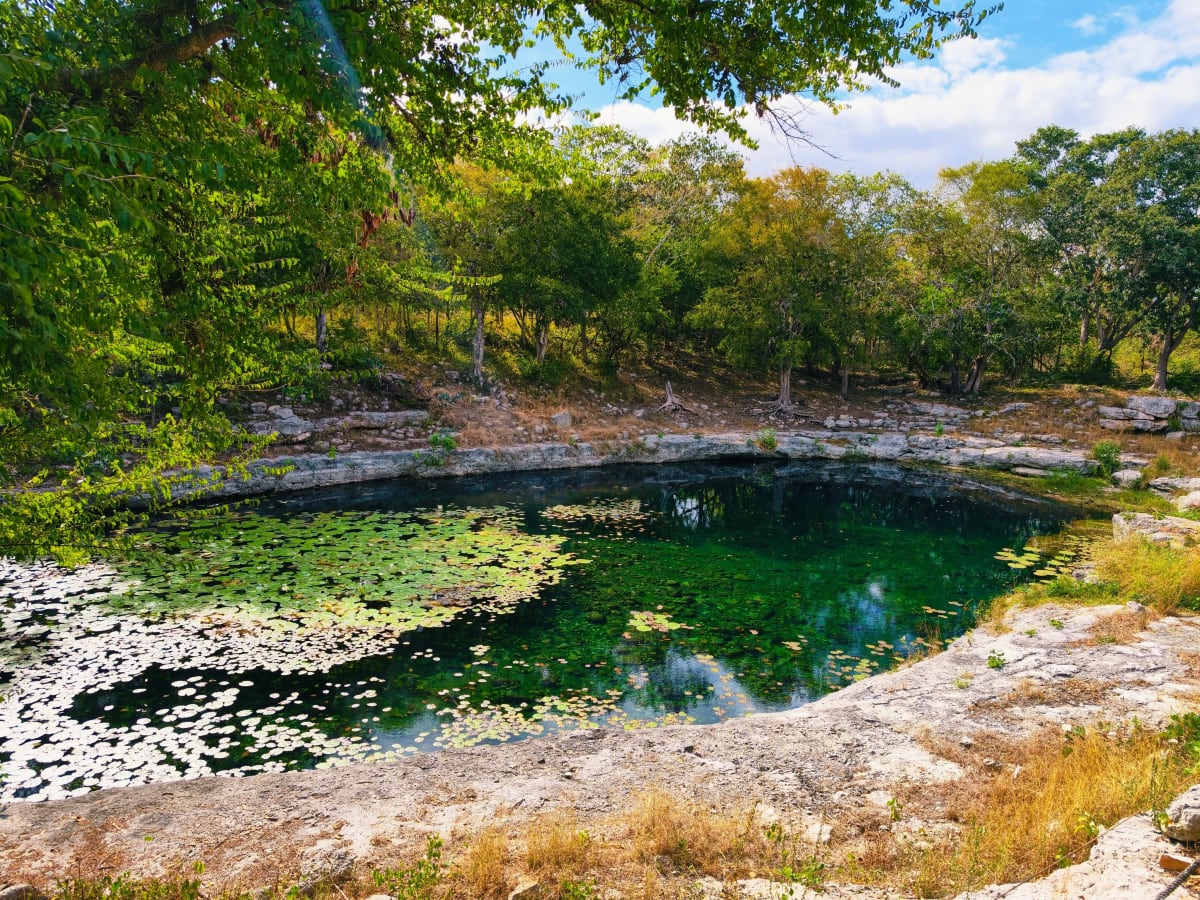
The Yucatán has no rivers; its water runs underground and surfaces in thousands of cenotes, sinkholes in the limestone. Several of the best are an hour from Mérida.
Cuzamá and Homún
At Cuzamá, about 45 km southeast, horse-drawn rail carts called trucks run along the tracks of an old henequen hacienda to three cenotes in a row. Next door, Homún has dozens of family-run cenotes, many with steps or ladders into cave pools; most charge around MXN 50–100 (USD 3–6) each. Go on a weekday, bring cash and biodegradable sunscreen only, and expect to shower before you swim.
Henequen haciendas
Before synthetic fibers, the agave-like henequen plant made Yucatán one of the richest regions in Mexico, and the haciendas that processed it are now museums, hotels and restaurants. Sotuta de Peón still runs its 19th-century rasping machinery for visitors and has its own cenote; Yaxcopoil, on the road to Uxmal, is a beautifully decayed estate you can walk on your own; Mucuyché pairs a hacienda with two cenotes.
Izamal, the yellow city
Izamal, about 70 km east (1 hr), is a Pueblo Mágico painted almost entirely in egg-yolk yellow. Its Convento de San Antonio de Padua (1561) has one of the largest closed atriums in the Americas, and the town is built among Mayan pyramids: you can climb Kinich Kak Moo, one of the largest by volume in the peninsula, a few blocks from the convent. It fits easily on the way to Chichén Itzá.

Celestún and Progreso
Celestún, about 95 km west (1 hr 30 min), is a biosphere reserve where boats take you into the estuary to see flocks of American flamingos, at their pinkest from roughly November to March, and through a mangrove tunnel to a freshwater spring. Boats are priced per boat at the official dock, so it pays to share. Progreso, 35 km north, is Mérida's beach: a long malecón, seafood restaurants and a pier that runs about 6.5 km into the Gulf. In July and August half of Mérida moves there.
What to eat and when to go
Yucatecan food to try
Yucatecan cooking is its own cuisine, built on achiote, sour orange, charred chiles and the pib, an underground oven. Try cochinita pibil (slow-cooked pork, a breakfast dish; locals eat it in tacos or tortas before 11 am), sopa de lima, panuchos and salbutes, papadzules and relleno negro. The Mercado Lucas de Gálvez is the cheapest and noisiest place to eat it, and the small market in Parque de Santiago is calmer. For sit-down Yucatecan cooking and everything else, browse our Mérida restaurant directory; to sleep in a restored colonial house near the plazas, see where to stay in Mérida. Day tours to the ruins and cenotes are on our Mérida tours page.
When to go
Mérida is hot all year, and in April and May it regularly passes 40 °C (104 °F). The comfortable months are November to February. The rainy season runs from June to October, usually as short afternoon storms. Two dates are worth planning around: Hanal Pixán, the Mayan Day of the Dead, from October 31 to November 2, with altars in the Plaza Grande and a candlelit walk through the cemetery district; and the Mérida Fest in January, around the city's founding anniversary on January 6.
Frequently Asked Questions
How many days do you need in Mérida?
Three full days covers the center and two day trips, typically Uxmal and the cenotes of Cuzamá or Homún. With five days you can add Chichén Itzá with Izamal and either Celestún or Progreso.
Is Mérida safe for tourists?
Mérida is consistently rated one of the safest large cities in Mexico, and the center is busy and well lit until late. Normal city precautions apply; the bigger risks are heat and dehydration.
Do you need a car to explore around Mérida?
No. Buses run to Uxmal, Chichén Itzá, Izamal, Celestún and Progreso, and tours cover the cenotes. A car helps for the Ruta Puuc and for combining several cenotes and haciendas in one day; the roads in Yucatán are flat and generally good.
Is Mérida worth visiting if you are staying in Cancún or Tulum?
Yes, but not as a day trip: it is about four hours from Cancún. Give it at least two nights so you can see the evening plazas, which is where the city is at its best.
auto_awesome Continue exploring Mérida
You Might Also Like
 article Travel Tips calendar_today Oct 12, 2026
 How to Get to Mérida: Airport, ADO Buses & Transfers
The easiest way to get to Mérida is to fly into Mérida airport (MID) or take an ADO bus from Cancún, Playa del Carmen or
 article Exploring calendar_today Oct 11, 2026
 Izamal, the Yellow City: Day Trip from Mérida
An Izamal day trip from Mérida takes about an hour each way and combines a 16th-century convent, a climbable Maya pyrami
 article Adventures calendar_today Oct 10, 2026
 Las Coloradas & Río Lagartos: Pink Lakes and Flamingo Tour Guide
How to see the pink salt ponds of Las Coloradas and the flamingos of Río Lagartos from Mérida: tour or self-drive, the a