Best Swimming Beaches in Tulum for Families
Tulum sits on Mexico's Caribbean coast, where the sea is warm, turquoise, and remarkably calm. Unlike Pacific destinations where powerful surf defines the shoreline, Tulum's beaches face a protected stretch of the Caribbean Sea — gentle conditions that are ideal for families with young children. Whether you're wading with a toddler or snorkelling with a ten-year-old, our Tulum team has spent considerable time testing every major family swimming spot so you don't have to guess. From the dramatic sands below the Mayan cliff-top ruins to the quiet coves of the Zona Hotelera, here is your complete guide to the best family beaches in Tulum.

Top Family-Friendly Swimming Beaches in Tulum
Playa Ruinas: Swimming Below the Mayan Ruins
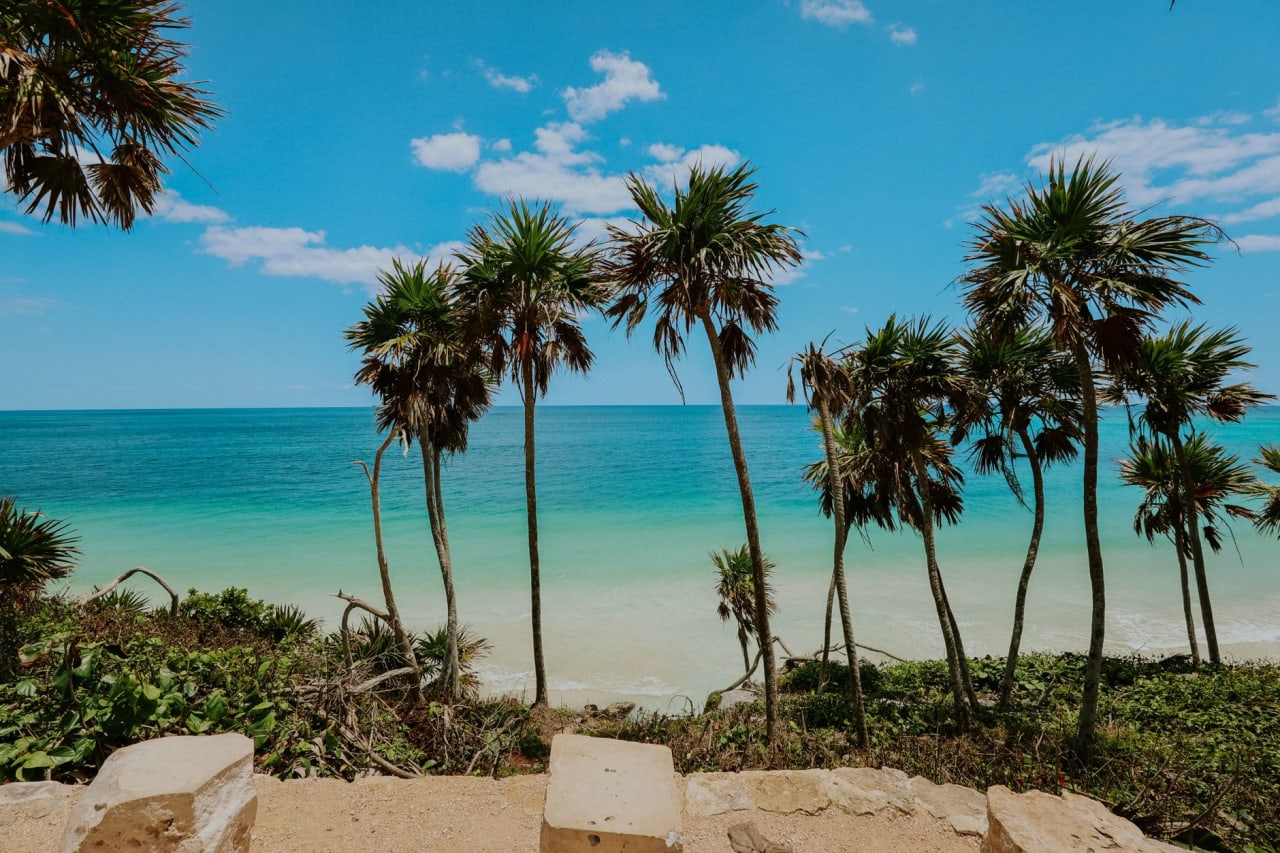
Playa Ruinas is Tulum's most iconic beach and arguably its most magical for families. The beach sits directly below the ancient Mayan clifftop ruins, meaning children can build sandcastles while gazing up at 800-year-old temples. The Caribbean water here is calm, shallow near the shore, and a vivid shade of turquoise that photographs like a postcard. The entry is gradual and sandy, making it safe for young swimmers.
Access to the beach is included with the ruins entrance fee, so families visiting the archaeological zone can descend the wooden staircase straight to the water. Arrive before 9:00 AM to beat the cruise-ship crowds and get a prime spot. Palapas and beach chairs are available for rent, and vendors sell fresh coconut water and snacks at the top of the stairs. The reef just offshore creates a natural wave break, keeping the swimming area especially gentle — we regularly recommend this beach to families with children under seven.
For families who want a guided introduction to the ruins before hitting the water, check out our Tulum Ruins Tour, which includes time on the beach and expert commentary on the Mayan history overlooking the sea.
Playa Paraíso: Long, Calm, and Perfect for All Ages
Playa Paraíso stretches south of the ruins along the Zona Hotelera and consistently earns its name. The beach is wide, the sand is powdery white, and the Caribbean water stays shallow and clear for a good distance from shore. This makes it excellent for families where different ages need different depths — toddlers can wade while older kids swim out to chest height without encountering significant waves.
Several beach clubs front Playa Paraíso, offering full amenities including sun loungers, umbrellas, clean restrooms, showers, and full food and drink service. Families can rent equipment and spend a full day without needing to leave. The beach clubs also tend to have lifeguard presence, which is rare on Tulum's more remote stretches of sand. We recommend arriving by 10:00 AM during high season (December–April) as the most popular clubs fill up quickly on weekends.
Casa Cenote Beach: Where the Jungle Meets the Sea
Casa Cenote is one of Tulum's most unique family spots. This shallow mangrove-fringed beach sits where a freshwater cenote system drains directly into the Caribbean, creating a mix of warm salt and fresh water that snorkelers and young swimmers adore. The water is exceptionally clear and the entry is ultra-gentle — ideal for nervous first-time ocean swimmers.
The real draw is the adjacent cenote itself, which is open for snorkelling and shallow diving. Children who have never snorkelled before often have their first successful session here because the visibility is extraordinary and the water is calm. Mangrove roots line the edges, and you may spot small fish, crabs, and birds. This is a dual beach-and-cenote experience that kids tend to talk about for years. Our cenote snorkelling tour visits Casa Cenote and two other nearby cenotes in a single morning.
Sac-Be Beach Road: Quiet Coves Along the Southern Strip
The Sac-Be road running south through the Zona Hotelera passes several small, relatively uncrowded beach access points between the boutique eco-hotels. These coves lack large crowds and heavy infrastructure, which suits families seeking a more relaxed experience. The Caribbean here remains as calm as anywhere in Tulum, and the absence of large beach clubs means the sand belongs mostly to you.
Check wave and current conditions before letting young children enter — while Caribbean swells are generally small, some exposed sections can pick up chop in the afternoon. Mornings are almost always the best window. Bring everything you need: food, water, sunscreen, and shade, as facilities along this stretch are limited to the eco-hotels, which don't always serve walk-in guests.
Akumal: Sea Turtles Thirty Minutes North
Strictly speaking, Akumal is not in Tulum — it lies about 30 kilometres north on Highway 307 — but no family beach guide for this area would be complete without it. Akumal Bay is home to a resident population of wild green sea turtles that feed on the seagrass in the shallows year-round. You wade in, put on a snorkel mask, and within minutes you are swimming alongside turtles in the wild. No tour boat required.
The bay is well-protected by a coral reef, so wave action is minimal and the water is clear and shallow — rarely more than two metres deep where the turtles congregate. Children are absolutely transfixed by the encounter. There are entrance controls to protect the turtles, and guides on the beach offer rental gear and safety briefings for a small fee. Our team considers a morning at Akumal one of the single best family experiences in the entire Riviera Maya.

| Beach | Best For | Wave Conditions | Amenities | Access |
|---|---|---|---|---|
| Playa Ruinas | All ages, iconic scenery | Very calm, reef-protected | Vendors, palapas, chair rentals | Via ruins entrance or beach path |
| Playa Paraíso | All ages, full beach day | Very calm, shallow entry | Beach clubs, full service, showers | Zona Hotelera road, direct access |
| Casa Cenote Beach | Snorkelers, curious kids | Extremely calm, sheltered | Cenote access, basic restaurant | Short drive south of pueblo |
| Sac-Be Coves | Families seeking quiet | Calm, check mornings | Minimal — bring your own | Zona Hotelera southern road |
| Akumal Bay | Sea turtle encounters | Very calm, reef-protected | Gear rental, guides, restaurants | 30 min north on Hwy 307 |
Beach Safety Tips for Families in Tulum
Tulum's Caribbean beaches are among Mexico's safest for swimming, but ocean safety always matters when travelling with children. The Mexican Ministry of Environment and Natural Resources (SEMARNAT) provides coastal safety guidelines that every visiting family should review.
Understanding Currents and Conditions
The Caribbean is calm by global standards, but afternoon winds can pick up chop, and periodic swell events do reach the coast. Always spend 10–15 minutes watching the water before letting children enter. Look for spots where the surface is glass-smooth rather than choppy. If you see water flowing strongly back to sea in a narrow channel, that is a rip current — choose a different entry point.
Most Tulum beaches do not have permanent lifeguard services, so parental supervision is non-negotiable. The beach clubs at Playa Paraíso and near the ruins tend to have the most consistent safety infrastructure. Bring puddle jumpers or appropriate flotation devices for toddlers and non-swimmers; even calm water deserves respect.
Sun Protection in the Tropics
Tulum sits at roughly 20 degrees north latitude and the tropical sun is intense year-round. UV exposure peaks between 11:00 AM and 3:00 PM, when unprotected skin can burn in under 30 minutes. Apply reef-safe SPF 50 sunscreen before leaving your accommodation, and reapply every two hours and after each swim.
- Use reef-safe sunscreen — Tulum's coral reef is protected and chemical sunscreens cause documented damage
- Pack rash guards and sun hats for children, especially toddlers
- Rent a palapa or bring a beach umbrella for midday shade breaks
- Schedule beach time for early morning (7:00–10:00 AM) or late afternoon (4:00–6:00 PM)
- Bring more water than you think you need — tropical humidity accelerates dehydration
- SPF lip balm and UV-blocking sunglasses round out the kit for older children
Marine Life Awareness
Tulum's reef and seagrass beds support rich marine ecosystems. Most encounters are harmless and wonderful — colourful reef fish, rays, and the occasional sea turtle — but a few hazards deserve mention. Jellyfish drift into sheltered bays seasonally; if a sting occurs, rinse with seawater (not fresh water) and remove visible tentacles with a towel edge, never bare hands. Sea urchins inhabit rocky areas; require children to wear water shoes near rocky sections. Our snorkelling tour provides a solid safety and marine-life briefing that children genuinely enjoy.
What to Bring for a Family Beach Day
Preparation is the difference between a relaxed beach day and a stressful one, especially with young children. Beach infrastructure in Tulum ranges from full-service beach clubs to near-zero amenities at quieter coves, so pack as if you are self-sufficient and treat any available services as a bonus.
Essential Beach Bag Checklist
- Sun Protection: Reef-safe SPF 50 sunscreen, UPF rash guards, wide-brim hats, beach umbrella or palapa rental budget
- Swimming Safety: Water shoes (for rocky areas and cenotes), Coast Guard-approved floaties for toddlers, swim goggles
- Hydration and Snacks: Reusable insulated water bottles (bring more than you think), fresh fruit, sandwiches, salty snacks for energy
- First Aid: Adhesive bandages, antiseptic spray, insect repellent, antihistamine for jellyfish stings
- Entertainment: Sand toys, snorkel gear (or rent on-site), waterproof phone case, inflatable beach toys
- Comfort: Beach towels, dry bags for phones and documents, a change of clothes and plastic bag for wet swimsuits
- Cash: Small bills (pesos) for beach vendors, parking attendants, and tips — card readers are not universal at beach spots
Photography and Memories
Tulum produces some of the most photogenic family beach moments in Mexico. The golden hour light during early morning at Playa Ruinas — ruins silhouetted against a turquoise sea — is extraordinary. Bring a waterproof phone case or a dedicated underwater camera for cenote swims; the visibility in cenotes like Gran Cenote and Dos Ojos is so clear that even basic phone cameras produce stunning images of children swimming in ancient freshwater pools.
Best Times to Visit Family Swimming Beaches
Timing matters enormously for a family beach experience in Tulum. Both daily rhythms and seasonal patterns affect water conditions, crowd levels, and overall comfort.
Daily Timing Recommendations
Early morning (7:00–9:00 AM) is consistently the best window. Caribbean water is glassiest before the afternoon trade winds pick up, crowds are thin, and the temperature is comfortable for children who overheat easily. Toddlers with early schedules are perfectly in sync with a sunrise beach session.
Late afternoon (4:00–6:30 PM) is the second-best option. The brutal midday heat has broken, water remains warm from a day of sun, and the light for photographs is spectacular. Many families split their beach day into morning and late-afternoon sessions, retreating to their accommodation for lunch and a rest during the hot midday hours.
Seasonal Considerations
According to Visit México's destination guides, Tulum has two main seasons that affect the family beach experience:

Dry Season (November–May): Consistently sunny, calm seas, and minimal rain make this the peak period for families. December through April is the busiest time, meaning more crowds but the most reliable swimming conditions and best water visibility — ideal for families keen on snorkelling the reef or cenotes.
Green Season (June–October): Brief afternoon thunderstorms are common but typically clear within an hour. Mornings are usually sunny and beach-perfect. Ocean water temperatures peak at their warmest, crowds thin considerably, and prices at eco-hotels and beach clubs drop. Our Sian Ka'an biosphere tour is particularly magical in the green season when the lagoons and wetlands are at their fullest.
Combining Beach Days with Family-Friendly Tours
Tulum's greatest strength for families is the density of extraordinary experiences within a short radius. A full family week can alternate beach days with cenote swims, jungle ruins, wildlife encounters, and nature reserves without anyone ever being bored.
Cenotes: Tulum's Signature Family Experience
Cenotes are freshwater sinkholes formed by collapsed limestone, and the Tulum area has dozens of them. For families, they offer some of the most unique swimming in the world: crystal-clear water maintained at around 24°C year-round, no waves, no saltwater sting in the eyes, and an otherworldly cave-and-jungle setting that children find absolutely captivating.
Our team's top picks for families: Gran Cenote (shallow sections perfect for young children, excellent snorkelling), Dos Ojos (two interconnected cavern pools, best for children 8+), Cenote Azul (open-air, widest shallow swimming area, very toddler-friendly), and Jardín del Edén (jungle setting, cliff jumping for older kids, calm shallow zone). Check our cenote day tour that visits multiple sites with a guide who handles all logistics.
Wildlife and Nature Experiences
Children are captivated by wildlife encounters. The Akumal sea turtle experience described above is the single most popular family activity in the area. For something completely different, the Sian Ka'an UNESCO biosphere tour takes families south of Tulum into one of Mexico's largest protected reserves — mangrove lagoons, flamingos, manatees, and ancient Mayan canals all in one boat journey. Children typically rate it as the highlight of their entire trip.
Cultural and Educational Activities
Balance beach and cenote days with history. The Tulum ruins themselves are compact and very child-friendly — you can walk the entire archaeological zone in 90 minutes, which is about right for young attention spans, and then reward everyone with a swim on the beach below. For a longer day trip, the ancient city of Cobá (45 minutes from Tulum) still permits climbing the main pyramid — an experience that older children in particular find unforgettable. Chichén Itzá (about 2.5 hours) is the grandest Mayan site in the Yucatán and worth the drive for families with children old enough to appreciate it.
Practical Information for Beach Access
Getting to the Beaches
Tulum's main beach strip runs along the Zona Hotelera road, roughly 3 kilometres east of the Tulum Pueblo town centre. Options for families:
- Taxi: Simplest option with young children and gear. Taxis from the pueblo to the beach zone run a fixed short-trip fare; drivers know every beach access point by name.
- Colectivo: Shared vans running on Highway 307 connect Tulum to Akumal and Playa del Carmen cheaply and frequently. Less practical with strollers and heavy beach gear, but perfectly fine for older kids.
- Car or scooter rental: Gives maximum flexibility for visiting multiple beaches or cenotes in one day. Parking exists near most beaches and ruins access points.
- Bicycle: A flat dedicated bike path runs through much of the hotel zone, making cycling a genuine option for families with older children staying along the beach road.
Beach Facilities and Services
Infrastructure varies widely. Beach clubs at Playa Paraíso and near the ruins offer full service: clean bathrooms, outdoor showers, restaurants, and gear rental. The quiet coves along Sac-Be road have few or no facilities. Cenote sites have entrance fees (typically 150–300 pesos per adult, less for children) that cover basic facilities and often include snorkel gear rental. Always bring cash in small pesos denominations, as card readers at beach access points and cenotes are inconsistent.
Frequently Asked Questions
Which Tulum beach is safest for toddlers?
Playa Paraíso and Cenote Azul are our top picks for toddlers. Playa Paraíso has a gradual sandy entry, very calm Caribbean water, and full-service beach clubs with lifeguard presence. Cenote Azul offers zero wave action, crystal-clear warm freshwater, and wide shallow swimming areas that toddlers love. Playa Ruinas is also excellent in the mornings before crowds arrive.
Do Tulum beaches have lifeguards?
Most public beach access points in Tulum do not have permanent lifeguard services. The beach clubs at Playa Paraíso tend to have the most consistent safety presence. Parents are responsible for supervision at all times. This makes choosing inherently calm spots — the Caribbean beach coves and cenotes — especially important for families rather than any exposed ocean section.
Can children snorkel in Tulum?
Yes, and Tulum is one of the best places in Mexico to introduce children to snorkelling. Casa Cenote, Gran Cenote, and the shallow reef near Playa Ruinas all provide excellent beginner conditions. Children as young as 5–6 with proper equipment and supervision regularly have successful first snorkel experiences in these locations. Water visibility in the cenotes routinely exceeds 20 metres, making fish and underwater features easy to see even through a basic mask.
What should we do if we encounter jellyfish?
Jellyfish occasionally drift into sheltered coves, particularly in late summer. If someone is stung, rinse the area immediately with seawater — not fresh water, which causes nematocysts to discharge further. Remove any visible tentacles using a stick or the edge of a towel, never bare hands. Most stings in Tulum waters cause temporary irritation that resolves within a couple of hours. Seek medical attention if severe pain, difficulty breathing, or extensive reactions occur.

Is Tulum worth visiting with young children during rainy season?
Absolutely. The rainy season (June–October) in Tulum typically delivers beautiful mornings and brief afternoon showers that pass within an hour. Beach and cenote time in the mornings is often perfect, and the reduced crowds make popular spots like Gran Cenote and Playa Ruinas far more enjoyable. Ocean water is at its warmest, cenotes maintain their year-round temperature, and the jungle surrounding the ruins and cenotes is spectacularly lush and green.
How early should we arrive at Playa Ruinas to get a good spot?
Before 9:00 AM, ideally. The ruins open early and cruise-ship tour groups typically arrive mid-morning. Getting there first gives you the beach almost to yourself, the best light for photographs, and the calmest morning sea conditions. On weekdays between May and November, conditions remain manageable until 10:00 or 11:00 AM.

Create Lasting Beach Memories in Tulum
Tulum's family-friendly beaches offer some of the most beautiful and accessible swimming in Mexico. From Playa Ruinas' ancient clifftop backdrop to Playa Paraíso's full-service calm-water paradise, from Casa Cenote's freshwater snorkel adventure to the sea turtle encounters at Akumal — this stretch of the Caribbean coast rewards families at every turn. The warm, clear, gentle Caribbean Sea is inherently forgiving for young swimmers, and the surrounding cenotes, ruins, and biosphere reserve of Sian Ka'an turn a beach holiday into a genuinely enriching family experience. Combine great beaches with proper preparation, early arrivals, and reef-safe sun protection, and Tulum will almost certainly become your family's favourite place in Mexico.
Follow us for more Tulum travel tips and tour updates:
Disclaimer: Beach conditions, facilities, and services may change seasonally. Always observe current water conditions before entering the sea, supervise children at all times, and confirm tour availability and meeting points before your visit. For official safety guidelines and coastal regulations, consult local authorities and the government resources linked above.
auto_awesome Continue exploring Tulum
You Might Also Like
 article Adventures calendar_today Dec 24, 2025
 Best Beaches in Tulum: Complete Guide to All 15 Beach Areas
Tulum’s Caribbean coastline stretches along 15 distinct beach areas, each offering a unique atmosphere from ancient Maya
 article Exploring calendar_today Dec 12, 2025
 Secret Beaches Near Tulum: Hidden Gems Worth Discovering
Beyond the turquoise shores of the Zona Hotelera and the well-trodden sands of Playa Paraíso, Tulum harbors a collection
 article Adventures calendar_today Dec 3, 2025
 Playa Paraíso: Complete Visitor’s Guide to Tulum’s Hidden Gem Beach
Tucked at the southern end of Tulum’s Zona Hotelera, Playa Paraíso offers something increasingly rare along the Riv