
Where to Stay in Mérida: Centro, Santa Ana, Santiago or Paseo de Montejo
Deciding where to stay in Mérida is mostly a decision about walking. For a first visit of a few days, stay in the Centro Histórico, ideally in or near Santa Ana, Santa Lucía or Santiago, where the plazas, markets, museums and restaurants are within a few blocks. Choose Paseo de Montejo if you want a broad boulevard and larger hotels, and the north of the city only if you have a car or are staying for weeks.
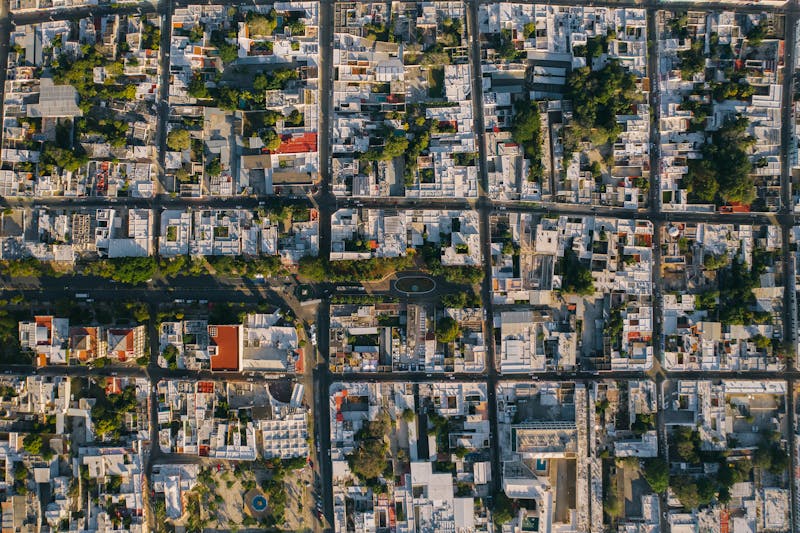
Mérida is a big city, close to a million people in the wider metropolitan area, but almost everything a visitor comes for sits in a compact colonial core laid out on a grid. Streets are numbered, not named: even numbers run north to south, odd numbers east to west, and an address such as Calle 60 x 55 y 57 means Calle 60 between Calles 55 and 57. Once you know that, comparing neighborhoods on a map is easy.
Mérida neighborhoods at a glance
| Area | Feel | Walk to Plaza Grande | Best for | Trade-offs |
|---|---|---|---|---|
| Centro (around Plaza Grande) | Busy, historic, lively day and night | 0–5 min | Short first visits | Noise, traffic, little parking |
| Santa Lucía and Calle 60 | Restaurants, terraces, music | 5–10 min | Couples, eating out | Late-night noise on weekends |
| Santa Ana | Small park and market, galleries | 10–15 min | Walking to both Centro and Paseo de Montejo | Fewer big hotels |
| Santiago | Residential, local market, quieter | 10–15 min | Longer stays, rented houses | Further from Paseo de Montejo |
| Paseo de Montejo | Wide boulevard, mansions, larger hotels | 15–30 min | Families, chain-hotel comfort | Long, hot walks to the plaza |
| North (Altabrisa and beyond) | Modern, malls, gated developments | Taxi or car | Long stays with a car | No colonial atmosphere |
Centro Histórico: the classic choice
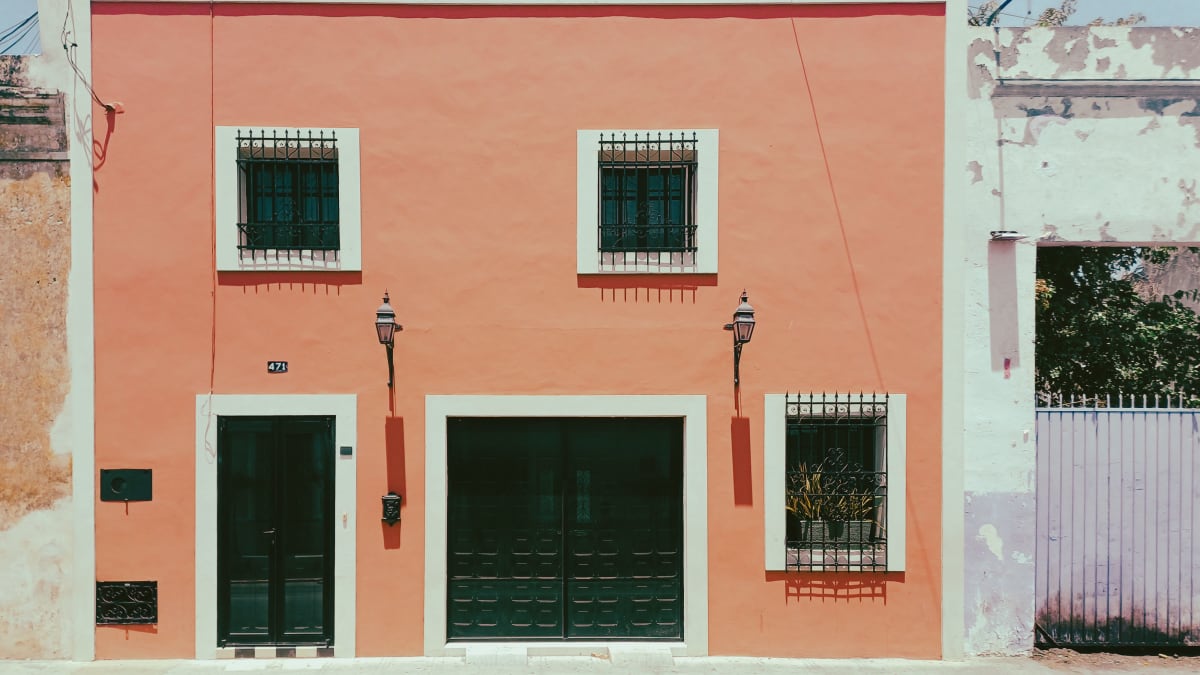
The historic center is where most visitors should stay, and it is where Mérida's best-known accommodation type lives: the restored colonial casona. Long, narrow townhouses with high ceilings, patterned cement-tile floors and a back garden have been turned into small hotels, guesthouses and holiday rentals, many with a plunge pool in the courtyard. From the street you often see only a painted façade and a heavy wooden door.
Around the Plaza Grande
The blocks around the Plaza Grande, with the cathedral, the Palacio de Gobierno and the Casa de Montejo, put you in the middle of everything: the Sunday Mérida en Domingo market, the Monday Vaquería in front of the city hall, and the free museums of the square. The price is noise and traffic. Several city bus routes, delivery trucks and weekend crowds pass through these streets, so ask for a room at the back, away from the street.
Santa Lucía and La Mejorada
Three blocks north along Calle 60, Parque Santa Lucía hosts the Thursday Serenata Yucateca and is surrounded by restaurant terraces. Calle 60 between the Plaza Grande and Santa Ana is the city's main strip for eating and drinking out, which is great for dinner and less great for sleeping on a Saturday. To the east, the area around Parque de la Mejorada is calmer and has some of the larger colonial houses in the center.
Santa Ana: between the center and Paseo de Montejo
Santa Ana is the best compromise for many travelers. Its small park sits on Calle 60 at Calle 47, about seven blocks north of the Plaza Grande, and Paseo de Montejo begins one block away. That means you can walk to the cathedral in a quarter of an hour and be on the boulevard in two minutes.
The Santa Ana market, next to the park, has simple stalls serving Yucatecan breakfasts and lunches, and the surrounding streets, especially Calle 47, have filled up with restaurants, cafés and galleries. The neighborhood is mostly made up of one- and two-storey colonial houses, so the accommodation is small-scale: boutique hotels, guesthouses and rentals rather than large properties.
Santiago: local life, a market and Tuesday dancing
Santiago lies about five blocks west of the Plaza Grande, around the park at Calles 59 and 72 and the church of Santiago Apóstol. It feels more residential than Santa Ana: families on the benches in the evening, a neighborhood market with loncherías (small lunch counters) and fewer tour groups. Many foreigners who moved to Mérida bought and restored houses here, so a lot of the area's accommodation is rented houses with private pools, which suit stays of a week or more.
On Tuesday evenings the park fills with couples dancing to big-band music, one of the city's free weekly events. Santiago is also convenient for the south-western part of the center, where the main first-class bus terminal for long-distance routes is located.

Paseo de Montejo: the boulevard and the bigger hotels
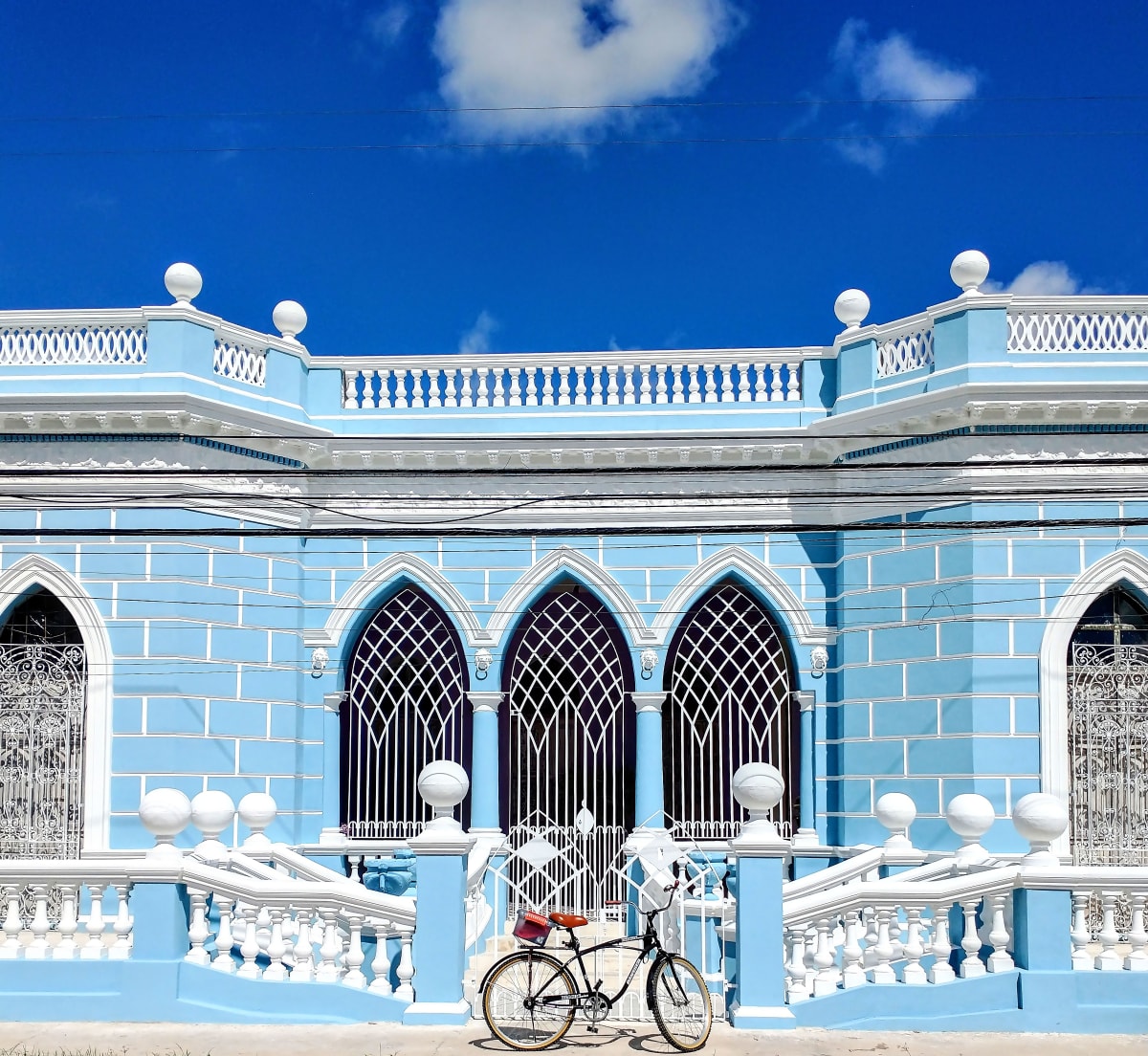
Paseo de Montejo was laid out at the turn of the 20th century, when the henequen (sisal) boom made Yucatán's plantation owners rich enough to build French-style mansions along a wide, tree-lined avenue. Several of those mansions survive, including the Palacio Cantón, now the regional anthropology museum, and the avenue runs north to the Monumento a la Patria.
This is where you find most of the city's larger and international chain hotels, along the avenue and the streets just off it. It suits families who want a big pool, a gym and room service, and travelers who prefer a lift and a car park to a creaky casona. On Sunday mornings the avenue closes to cars for the Biciruta, and the wide sidewalks are pleasant in the evening.
The catch is distance. The southern end, near Santa Ana, is an easy walk to the center; the northern end is not, especially from April to June, when afternoon highs are often around 38 °C or more. If you stay on the upper part of the avenue, plan on taxis or ride-hailing apps to reach the Plaza Grande.
North Mérida: for long stays and drivers
North of the Monumento a la Patria, older residential areas such as Itzimná give way to modern neighborhoods and gated developments, with Altabrisa and the large shopping malls as the main landmarks. This part of the city has newer apartments, big supermarkets, several private hospitals and easier parking. It is also where the Gran Museo del Mundo Maya stands, on the road towards Progreso.
For a short holiday it is the wrong base: you will spend your evenings in taxis to get to the center. For remote workers, families staying a month or more, or anyone with a rental car who plans day trips to the coast, the ruins and the cenotes, it is a practical choice.
Practical tips before you book
Pools and air conditioning
Mérida is hot all year and very hot in April and May. A pool, even a small courtyard plunge pool, and air conditioning in the bedroom matter more here than in most Mexican cities. Check that the air conditioning covers the room you will sleep in, not just a living area; in older casonas this is not always the case. Our guide to the best time to visit Mérida explains the season by month.
Noise
Colonial houses have high ceilings, tiled floors and windows that open straight onto the street, so sound carries. Church bells, buses and weekend music are part of life in the center. Light sleepers should ask for an interior room or look at Santiago and the quieter streets of Santa Ana.
Getting around, parking and safety
The center is walkable and taxis and ride-hailing apps are widely used. Streets are narrow and mostly one-way, and parking is scarce, so if you rent a car, book somewhere with its own parking or stay near Paseo de Montejo or in the north. The airport is on the south side of the city, a short drive from the center; you can book a private transfer from Mérida airport in advance. Yucatán is generally regarded as one of Mexico's calmer states, but conditions change: read the current US State Department travel advisory for Mexico before you go.

Once you have picked an area, find places to eat nearby in our Mérida restaurant directory and plan your days with our list of things to do in Mérida.
Frequently Asked Questions
What is the best area to stay in Mérida for a first visit?
The Centro Histórico, especially Santa Ana, Santa Lucía or Santiago. You can walk to the Plaza Grande, the markets, the museums and most restaurants, and Santa Ana also puts Paseo de Montejo one block away.
Is Paseo de Montejo a good place to stay?
Yes, if you want a larger hotel with a pool and services, or you are travelling with children. Stay near the southern end of the avenue if you want to walk to the center; from the northern end you will need taxis.
Do I need a car if I stay in the center of Mérida?
No. The center is walkable and taxis and ride-hailing apps are easy to find. A car only helps for day trips, and parking in the center is difficult, so many travelers rent one just for the days they leave the city.
Which Mérida neighborhood is quietest?
Santiago and the side streets of Santa Ana are quieter than the blocks around the Plaza Grande and Calle 60. For real quiet, the residential areas north of the center are calmer still, but you will depend on a car or taxis.
auto_awesome Continue exploring Mérida
You Might Also Like
 article Travel Tips calendar_today Oct 12, 2026
 How to Get to Mérida: Airport, ADO Buses & Transfers
The easiest way to get to Mérida is to fly into Mérida airport (MID) or take an ADO bus from Cancún, Playa del Carmen or
 article Exploring calendar_today Oct 11, 2026
 Izamal, the Yellow City: Day Trip from Mérida
An Izamal day trip from Mérida takes about an hour each way and combines a 16th-century convent, a climbable Maya pyrami
 article Adventures calendar_today Oct 10, 2026
 Las Coloradas & Río Lagartos: Pink Lakes and Flamingo Tour Guide
How to see the pink salt ponds of Las Coloradas and the flamingos of Río Lagartos from Mérida: tour or self-drive, the a