Best Time to Visit Tulum: Your Complete Month-by-Month Guide
Why Timing Your Tulum Trip Matters
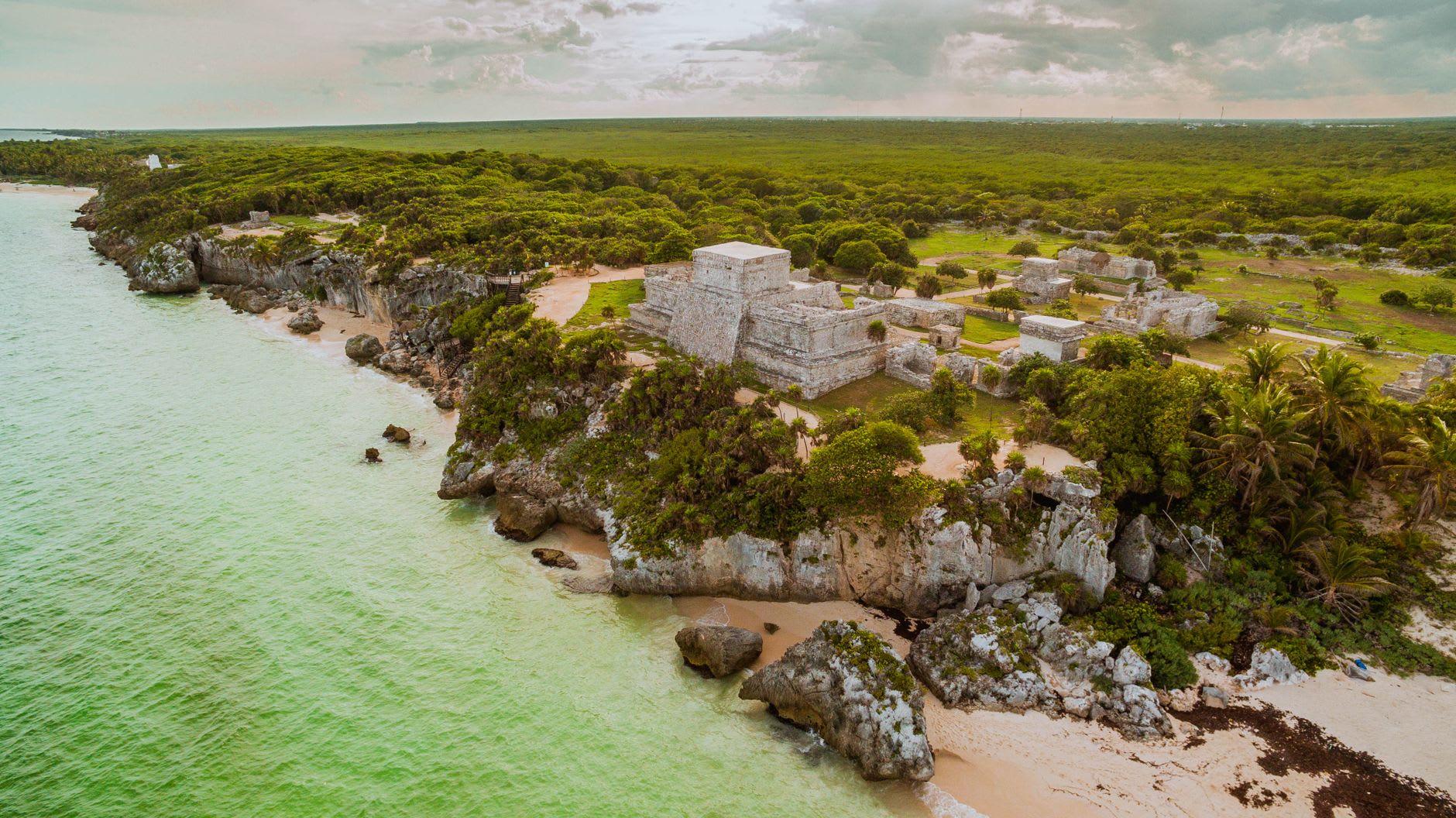
Tulum sits on the Caribbean coast of Quintana Roo, roughly 130 kilometres south of Cancún along the Riviera Maya. Its turquoise, calm sea, ancient clifftop Mayan ruins, and hundreds of freshwater cenotes attract a very different crowd from your typical beach resort — yogis, eco-travellers, history lovers, and snorkellers who want gin-clear water rather than surf swells.
Unlike Pacific beach towns, Tulum's Caribbean weather follows a straightforward pattern: a dry season running roughly November through April, and a wetter, hotter summer season from May through October, with hurricane risk peaking in September and October. But every month has its own character, and our DestinosMX team has spent considerable time on the ground in every season so we can give you an honest picture.
Quick Overview: Tulum by Season
- Best overall weather: December – April (dry, breezy, comfortable)
- Best for budget travellers: May – June and September – October (low season, great deals)
- Best for cenote snorkelling: Year-round, but May – August for clearest visibility
- Best for sea turtle spotting (Akumal): May – September
- Best for Sian Ka'an wildlife: November – April (cooler, drier, fewer mosquitoes)
- Avoid if hurricane-averse: September – October
Month-by-Month Breakdown
January — Peak Season, Perfect Weather
January is one of Tulum's most popular months, and for good reason. Temperatures hover between 22 °C and 28 °C, the Caribbean glitters under near-constant sunshine, and the northeast trade winds keep the humidity pleasant. The Zona Hotelera fills up quickly, so book your beachfront palapa hotel at least two months in advance. Prices are at their highest, but the experience justifies it.
This is an excellent month to explore the Tulum Ruins — one of the only Mayan archaeological sites perched directly above the sea — early in the morning before the day-trip buses arrive from Cancún. We recommend being at the gate by 8 am for near-empty photos. A day trip to Cobá (45 minutes inland) is also ideal in January; you can still climb the Nohoch Mul pyramid for panoramic jungle views on cooler mornings.
Cenote season is year-round in Tulum, but January's clear skies make for spectacular light shafts at Gran Cenote and Dos Ojos. Both are within 5 km of town and easily reached by bicycle or taxi.
Our tip: Stay in Aldea Zama or La Veleta if you want boutique jungle atmosphere with easy access to both the ruins and cenotes without peak Zona Hotelera prices.
February — Valentine's Month, Still Glorious
February continues the peak season with warm, dry days and comfortable evenings. Couples flock to Tulum's romantic jungle restaurants and candlelit beach clubs. The Caribbean remains calm and transparent — perfect for snorkelling the Mesoamerican Barrier Reef just offshore, the second-largest coral reef system in the world.
Day trips to Akumal (30 minutes north) reward visitors with wild sea turtles feeding on seagrass in the bay — an experience unlike almost anywhere else in Mexico. No tour required; simply walk to the public beach, rent a snorkel, and wade in.
February is also excellent for visiting Sian Ka'an biosphere reserve — the UNESCO-protected expanse of mangroves, lagoons, and tropical forest beginning just south of the Zona Hotelera. Boat tours wind through channels where manatees, crocodiles, flamingos, and dolphins are regularly spotted. Cooler February temperatures mean fewer mosquitoes and very comfortable birding conditions.
Our tip: Book Sian Ka'an tours at least a week ahead in February — reputable operators fill fast during peak season.
March — Spring Break Crowds but Still Beautiful
Mid-March through early April brings an influx of North American spring-breakers, particularly to the beach clubs and cenotes closest to town. The Zona Hotelera can feel noticeably busier. Prices remain high. If you're travelling without children and want a quieter vibe, consider the weeks before and after peak spring break (roughly the last week of February or late April).
Weather remains superb — hot and dry, averaging 25–30 °C with low humidity. Playa Paraíso, consistently ranked among Mexico's most photogenic beaches, is at its most dazzling in March light. Playa Ruinas, directly beneath the clifftop Mayan site, is a favourite photo stop, though swimming can be rough near the rocks.
March is an ideal month to combine a Tulum visit with Chichén Itzá (around 2.5 hours west). The vernal equinox on 20–21 March draws thousands of visitors to witness the famous serpent shadow descending the El Castillo pyramid — a genuinely moving spectacle.
Our tip: Rent a bicycle in Tulum Pueblo to explore the town's taco stands, artisan markets, and the lively main strip without fighting for parking. The flat terrain makes cycling easy even in the heat.
April — Last of the Dry Season, Shoulder Crowds
Easter week (Semana Santa) is busy throughout Mexico and Tulum is no exception — Mexican families travel domestically in large numbers. Outside of that week, April feels notably quieter than March. Prices begin to dip after Easter, and the weather remains beautiful: warm, sunny, and dry.
This is arguably the best month for cenote diving and snorkelling. Visibility in Dos Ojos — a twin-eye cave system connected by an underwater passage — can exceed 50 metres in April. Cenote Azul and Jardín del Edén (also known as Ponderosa) near Playa del Carmen make excellent half-day excursions paired with lunch in the Riviera Maya corridor.
April is also the start of sea turtle nesting season on Tulum's beaches. Local conservation groups patrol the Zona Hotelera coastline at night; some volunteer programs allow visitors to join beach patrols and assist with nest protection.
Our tip: Casa Cenote, a mangrove-fringed cenote that opens directly into the Caribbean — unique in the region — is spectacular in April's clear light. It's near Tankah, about 15 minutes north of town.
May — Low Season Begins, Hidden Gem Month
May is our team's personal favourite month in Tulum. The spring-break and holiday crowds have gone home, prices drop by 20–40% at many hotels, and the warm Caribbean water reaches its clearest and most inviting temperatures of the year. Humidity begins to climb but is still very manageable.
Sea turtle nesting peaks from May through July on Tulum's Caribbean beaches. Female loggerhead and green turtles come ashore at night to lay eggs — a profound natural spectacle. If you're respectful and patient (no flash, no lights), you may witness this on the quieter stretches of the Zona Hotelera.
Akumal is also at its best for swimming with turtles in May. Water temperatures reach 27–28 °C, visibility is superb, and the crowds are lighter than in January. Playa Paraíso also tends to be quieter, with vendors less aggressive and the beach more spacious.
Our tip: The night market near Tulum Pueblo, known locally as a gathering point for artisan vendors and taco stands, is at its most atmospheric in low season when it caters more to locals than tourists.
June — Hot, Humid, Lush, and Affordable
June is full low season. The jungle around Tulum turns an almost electric green as the first rains arrive, and the cenotes are as photogenic as ever. Afternoon thunderstorms are common but usually brief — mornings are almost always clear and you can plan outdoor activities from 7 am until early afternoon.
Prices for boutique hotels in the Zona Hotelera and Aldea Zama are at their annual lows in June. This is the month to splash out on a jungle villa that would cost triple in January. The beach is warm, the Caribbean crystal-clear, and the ruins largely empty on weekday mornings.
June is one of the best months for cenote snorkelling specifically — the contrast between the cool freshwater (a consistent 24 °C year-round) and the hot jungle air makes slipping into Gran Cenote or Cenote Azul feel like paradise. Schools of fish, turtles, and the occasional harmless freshwater crocodile can be spotted in calmer cenotes.
Our tip: Book a guided Sian Ka'an kayak and canal float in June — the waterways are lush, bird activity is high, and you'll likely have the channels largely to yourselves. Wear long sleeves for mosquito protection.
July — Family Season Returns, Warm Waters
July marks the return of summer holidays for European and North American families. Hotels fill up again and prices rise to near-peak levels. The weather is hot and humid (30–34 °C), with frequent afternoon rain showers that cool the air and rarely last more than an hour.
The Caribbean Sea in July is bath-warm and irresistibly calm — perfect for families with young children who want safe, gentle swimming. The Zona Hotelera's beach clubs are at their most vibrant, and the wellness-and-yoga scene in Tulum's jungle corridor really comes alive in July with visiting retreats and pop-up events.
July is a strong month for spotting whale sharks offshore near Isla Holbox (accessible via ferry from Chiquilá, about 2.5 hours north of Tulum). Many Tulum operators offer multiday packages combining cenote days with a Holbox whale shark snorkelling trip — one of Mexico's most extraordinary wildlife experiences.
Our tip: A day trip to Bacalar (3 hours south) in July is magical. The so-called "lake of seven colours" is at its most vivid in the wet season, and the town is far less crowded than Tulum. Take the ADO bus or rent a car for flexibility.
August — Peak Heat, Peak Buzz
August is Tulum at its most energetic and most expensive. European summer holidays flood the Zona Hotelera, and the area's famous open-air restaurants and beach clubs are fully buzzing. It's genuinely wonderful if you embrace the festive atmosphere — but expect to pay peak prices and queue for popular cenotes like Gran Cenote by mid-morning.
Heat and humidity are at their maximum in August (often 33–35 °C by midday), so we recommend scheduling cenote visits and ruins tours early in the morning and spending afternoons at the beach or in shaded café terraces in Tulum Pueblo. The Mayan ruins are particularly atmospheric in August's dramatic cloud formations — extraordinary photo conditions in the golden hour before sunset.
August is also an excellent month for a day trip to Playa del Carmen (45 minutes north), where the pedestrian Fifth Avenue strip is lively and the ferry to Cozumel for world-class scuba diving runs frequently. Cozumel's Palancar reef is one of the top dive sites in the Caribbean.
Our tip: Book Gran Cenote and Dos Ojos tickets online in advance for August — both now operate timed-entry systems and sell out by 10 am during peak weeks.
September — Hurricane Month, Ultra Low Season
September is the quietest month in Tulum and the one that requires the most flexibility. It is statistically the most active month of the Atlantic hurricane season, and the Caribbean coast of Quintana Roo sits squarely in the potential path of storm systems. Many boutique hotels and beach clubs close for two to three weeks during September for maintenance.
That said, September is not a write-off for the right type of traveller. Prices are rock-bottom — sometimes 50–60% below peak. The cenotes, which are underground and entirely unaffected by surface weather, are open year-round and are at their most uncrowded. Tulum Pueblo is pleasantly quiet and locals-oriented, giving you a far more authentic slice of daily Mexican life than you'd get in January.
If you visit in September, travel insurance with hurricane cancellation coverage is essential. Check storm forecasts obsessively and be ready to evacuate quickly if a system develops. The ADO bus network makes evacuation straightforward if needed.
Our tip: If your travel dates are flexible and budget is your priority, early September (before the statistical storm peak) can be extraordinary value. Many resorts offer special "low season" packages with added perks to fill rooms.
October — Transitional Month, Improving by the Week
October is a month of transition. The first half carries lingering hurricane risk and high humidity, while the second half often delivers clear skies, cooling temperatures, and a Caribbean that returns to its turquoise best. Hotels and restaurants reopen after September closures, and Tulum starts to buzz again as the shoulder season begins.
October is actually one of the most underrated months to visit, particularly the final two weeks. Prices remain low (30–40% below January rates), the beach is far less crowded, and the jungle around Aldea Zama looks stunning after the summer rains. Cenotes like Jardín del Edén and Casa Cenote are practically deserted on weekdays.
The Day of the Dead (Día de los Muertos) preparations begin in late October in Tulum Pueblo. The local cemetery and market area are decorated beautifully with marigolds and offerings — a deeply moving cultural experience. Tulum's Mayan heritage gives the celebrations an added spiritual dimension that travellers find genuinely memorable.
Our tip: October is an excellent month for a full-day Sian Ka'an boat tour. Water levels are high from the summer rains, making the lagoon channels particularly navigable. Wildlife spotting — crocodiles, manatees, roseate spoonbills — is exceptional.
November — Shoulder Season Perfection
November is when Tulum begins its transformation back into one of the world's most coveted destinations. The rains ease, the air cools, humidity drops, and the Caribbean regains its legendary clarity and calm. Crowds and prices are still below peak — making November one of the best-value months of the year for quality travellers.
The Día de los Muertos festivities in early November are not to be missed. Tulum's combined Mexican and Mayan cultural heritage creates ceremonies and altar displays in Tulum Pueblo that are among the most atmospheric in the Yucatán Peninsula.
Humpback whale sightings begin offshore in November, though tour departures are mainly from Cancún and Isla Mujeres rather than Tulum directly. Many Tulum operators offer day-trip packages combining a Cancún whale-watching departure with a stop at Isla Mujeres for lunch — a fantastic day out.
November is also when the international wellness community descends on Tulum's jungle hotel zone for retreats, yoga festivals, and sound bath events. If that's your scene, November and early December are when the calendar is richest.
Our tip: Stay a few nights in Tulum Pueblo in November to experience the authentic town — the taco scene on the main strip, the mercado, the evening street food — before moving to the Zona Hotelera for beach time. The contrast is part of what makes Tulum special.
December — Festive Season, Peak Returns
December transforms Tulum into its most magical and most expensive version. The dry season is firmly re-established, temperatures are perfect (24–28 °C), and the Caribbean is at its most serene and clear. The week between Christmas and New Year draws a glamorous international crowd to the Zona Hotelera's beach clubs and jungle restaurants — book months ahead if this is when you want to visit.
Early December (the first three weeks) offers a sweet spot: peak dry-season weather but slightly lower prices and crowds than Christmas week. Gran Cenote and Dos Ojos are stunningly illuminated by the low winter sun's light shafts in December mornings — the photographs from this month are among the best of the year.
A December visit pairs beautifully with a trip to Chichén Itzá (2.5 hours west) or the lesser-visited Cobá ruins (45 minutes inland), both at their most comfortable in December's cooler temperatures. The jungle around Cobá is particularly lush following the summer rains.
Day trips to Bacalar are spectacular in December — the lake's famous multi-blue colours are vivid under the dry-season sun, and the historic fort in Bacalar town provides excellent historical context for the region's colonial past.
Our tip: New Year's Eve in Tulum is legendary but sells out completely. If this is your goal, book accommodation in October or earlier. Expect premium pricing for everything — hotels, restaurants, and cenote tours alike. It is worth every peso.
Tulum's Cenotes: The Year-Round Highlight
Unlike most beach destinations, Tulum's most iconic attractions — its cenotes — are open and equally extraordinary every month of the year. The freshwater temperature stays a consistent 24 °C regardless of the season. What changes is the quality of natural light penetrating through the cave openings: the low winter sun (November–February) creates the most dramatic vertical light shafts, while summer's higher sun angle illuminates the water differently but equally beautifully.
- Gran Cenote — The most accessible and arguably most photogenic. Five minutes from town by bicycle. Best visited before 9 am.
- Dos Ojos — Twin cave system with extraordinary underwater passages. Snorkelling and scuba diving available. Book in advance.
- Cenote Azul — Larger open cenote near Playa del Carmen, great for families. Less crowded than Gran Cenote.
- Jardín del Edén (Ponderosa) — Photogenic and often less visited. Worth the short drive.
- Casa Cenote — Unique mangrove cenote near Tankah that connects to the sea. Year-round snorkelling with fish and turtles.
Getting to and Around Tulum
Cancún International Airport (CUN) is the main entry point, approximately 130 km north. Options from the airport include:
- ADO bus — Comfortable, affordable, reliable. Direct service to Tulum's bus station (Tulum Pueblo). Around 2 hours.
- Shared shuttle — Slightly faster than the bus, more flexible on timing.
- Car rental — Recommended for those planning day trips to Cobá, Bacalar, or Sian Ka'an. Driving Hwy 307 is easy and well-signed.
- Colectivos — Shared minivans running along Hwy 307. The local way to travel between Playa del Carmen, Tulum, and villages along the corridor. Very cheap.
Within Tulum, bicycles are the preferred transport for exploring the Zona Hotelera's beach road and reaching nearby cenotes. Taxis and mototaxis are plentiful in Tulum Pueblo. The Zona Hotelera is about 4 km from the town centre along a flat road.
Where to Stay in Tulum
Tulum has four main areas, each with a very different character:
- Zona Hotelera — The beach hotel strip. Eco-chic palapa bungalows and boutique resorts right on the Caribbean. Most expensive but most atmospheric for beach lovers.
- Aldea Zama — Jungle residential zone between Tulum Pueblo and the Zona Hotelera. Boutique hotels, condos, excellent restaurants. Popular with yoga retreats and digital nomads.
- Tulum Pueblo — The actual town. Budget to mid-range hotels, authentic taco scene, ADO bus access. Best for budget-conscious travellers and those who want local life.
- La Veleta — Artsy, local neighbourhood south of Tulum Pueblo. Growing fast with independent restaurants, studios, and smaller guesthouses.
Food and Nightlife in Tulum
Tulum's food scene is one of its great surprises. The Zona Hotelera is home to some of Mexico's most inventive upscale restaurants — think barefoot-chic jungle venues with wood-fired menus using local Yucatán ingredients. The vegan and organic scene is exceptionally strong; Tulum arguably leads Mexico in plant-based dining options.
For something more authentic and affordable, Tulum Pueblo is the place. The main strip and surrounding streets are packed with excellent taco stands, seafood counters, and family-run spots. The evening street market near El Camello is a favourite gathering point for locals and travellers alike — affordable ceviches, tacos, and fresh juices in a festive outdoor setting.
Final Verdict: The Best Month to Visit Tulum
If we had to choose one month above all others, we'd say November for the combination of near-perfect weather, authentic cultural experiences (Día de los Muertos), reasonable prices, and light crowds. January and February are the safest bets for first-timers who want guaranteed sunshine and peak-season energy. May and June are exceptional value for travellers who don't mind heat and can handle occasional afternoon rain.
Whatever month you choose, Tulum delivers an experience that is unlike anywhere else in Mexico — the unique alchemy of ancient Mayan history, Caribbean turquoise, crystalline cenotes, and a wellness-forward culture that has captured the imagination of travellers from around the world. We can't wait to help you plan your visit.
— The DestinosMX Tulum Team
auto_awesome Continue exploring Tulum
You Might Also Like
 article Adventures calendar_today Nov 21, 2025
 Ultimate Tulum Travel Guide 2025: Everything You Need to Know
Tulum has transformed from a quiet Mayan coastal village into one of Mexico’s most captivating destinations, and 2025 is
 article Adventures calendar_today Jan 26, 2026
 Driving in Tulum: Your Complete Car Rental Guide & Safety Tips
Exploring Tulum and the stunning Caribbean coast by car opens up adventures that public transportation simply can’t matc
 article Adventures calendar_today Jan 14, 2026
 Tulum Hurricane Season: What Travelers Should Know
Planning a trip to Tulum means understanding the Caribbean weather patterns that shape this stunning Riviera Maya destin