Holbox vs Bacalar: Island Sandbars or Lagoon of Seven Colors?

Holbox vs Bacalar is really sea against lagoon: pick Holbox for a car-free sand island in the north of Quintana Roo, with shallow sea, sandbars, whale sharks in summer and flamingos, and pick Bacalar for a calm freshwater lagoon in the south, with no waves or salt, many shades of blue and an easy drive from Tulum.
| Factor | Holbox | Bacalar |
|---|---|---|
| Where | Island off the far north coast of Quintana Roo | Lakeside town in the south of Quintana Roo, near Chetumal |
| Water | Shallow sea where the Caribbean meets the Gulf; greenish, milky when windy | Fresh water over a white limestone bottom; no waves, no salt |
| From Cancún | About 2.5–3 h by road to Chiquilá, then a 20–30 min ferry | A long drive south, usually 4.5 h or more |
| From Tulum | A long day north via Chiquilá | About 2.5 h south by road |
| Nearest airport | Cancún | Chetumal (small); Cancún for most international flights |
| Wildlife | Whale sharks (roughly June–August), flamingos, pelicans, herons | Lagoon birds, living stromatolites |
| Getting around | Walk, bike, golf-cart taxi; no visitor cars | A normal town with roads; a car or taxi helps |
| Best for | Wildlife, sea sunsets, kitesurfing, 3+ nights | Kayak and paddleboard, sailing, families, a 2–3 night add-on |
Both places are sold as the slow, quiet side of the Mexican Caribbean, and both end up on the same shortlists, but they sit at opposite ends of the state and offer different water. Holbox is a long, narrow sand island inside the Yum Balam protected area, at the northern tip of the Yucatán Peninsula. Bacalar is a Pueblo Mágico on the western shore of a long freshwater lagoon close to the border with Belize, nicknamed the "lagoon of seven colors". Here is how they compare on what usually decides the trip.
The water: sea sandbars or a freshwater lagoon
Holbox: shallow sea and sandbars
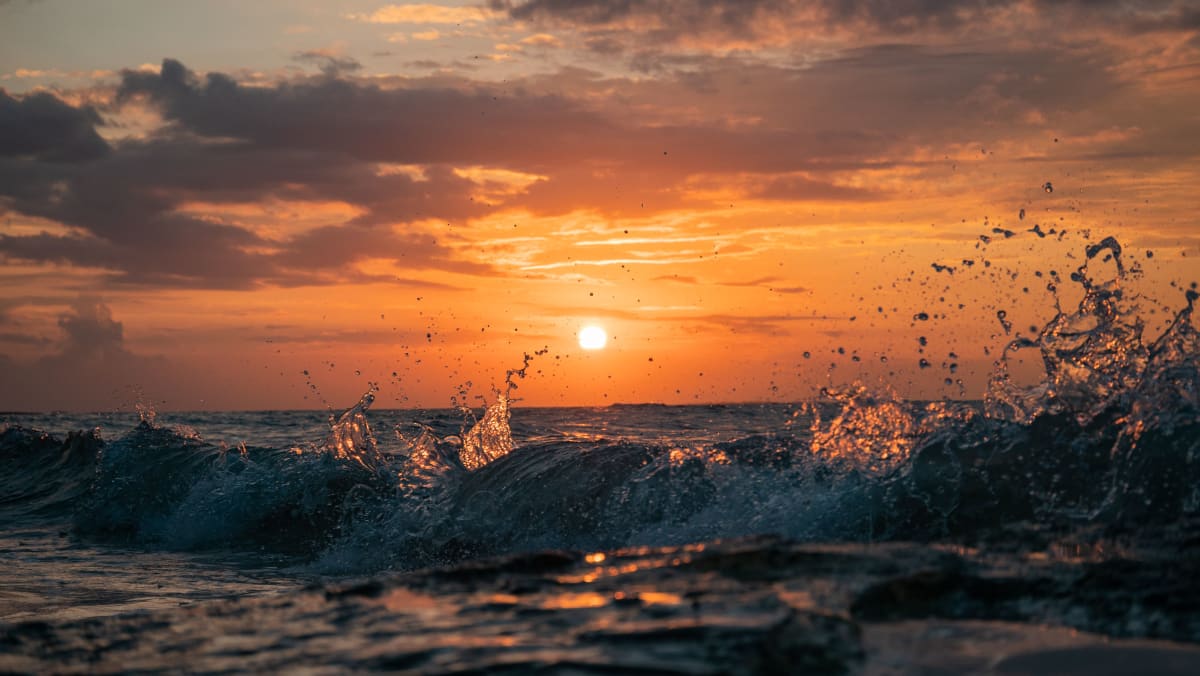
The beaches of Holbox are long stretches of pale sand with very shallow water, often calm enough to wade far out. At low tide you can walk east towards the Punta Mosquito sandbar, and people gather at Punta Cocos in the west for sunset over the sea. Because the island sits where the Caribbean meets the Gulf of Mexico and the sea floor is fine sand, the water is more green than blue, and on windy days it turns milky. It is still the sea: salt, tides, the occasional wave and, in some seasons, sargassum on the shore.
Bacalar: fresh water in bands of blue
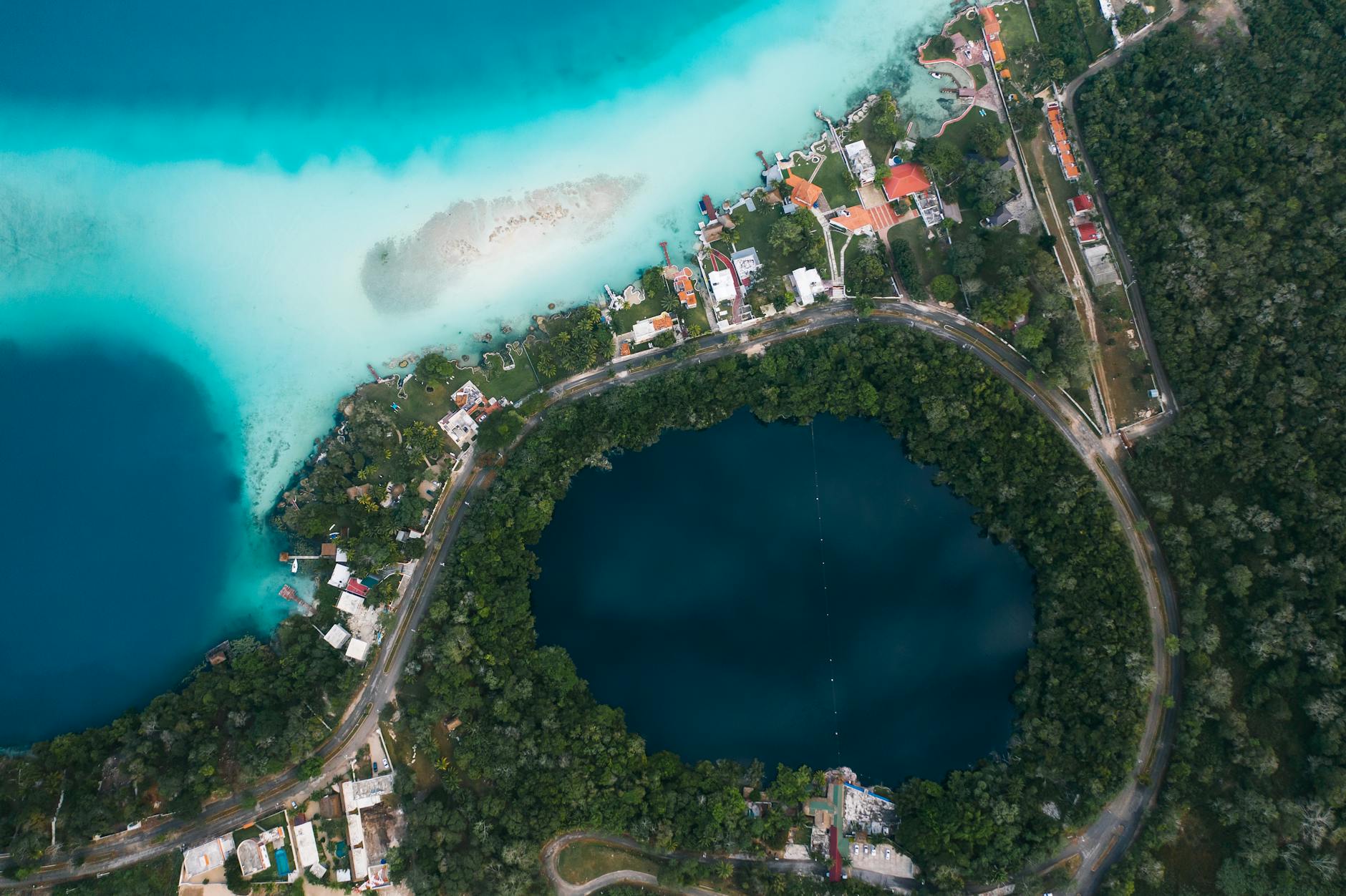
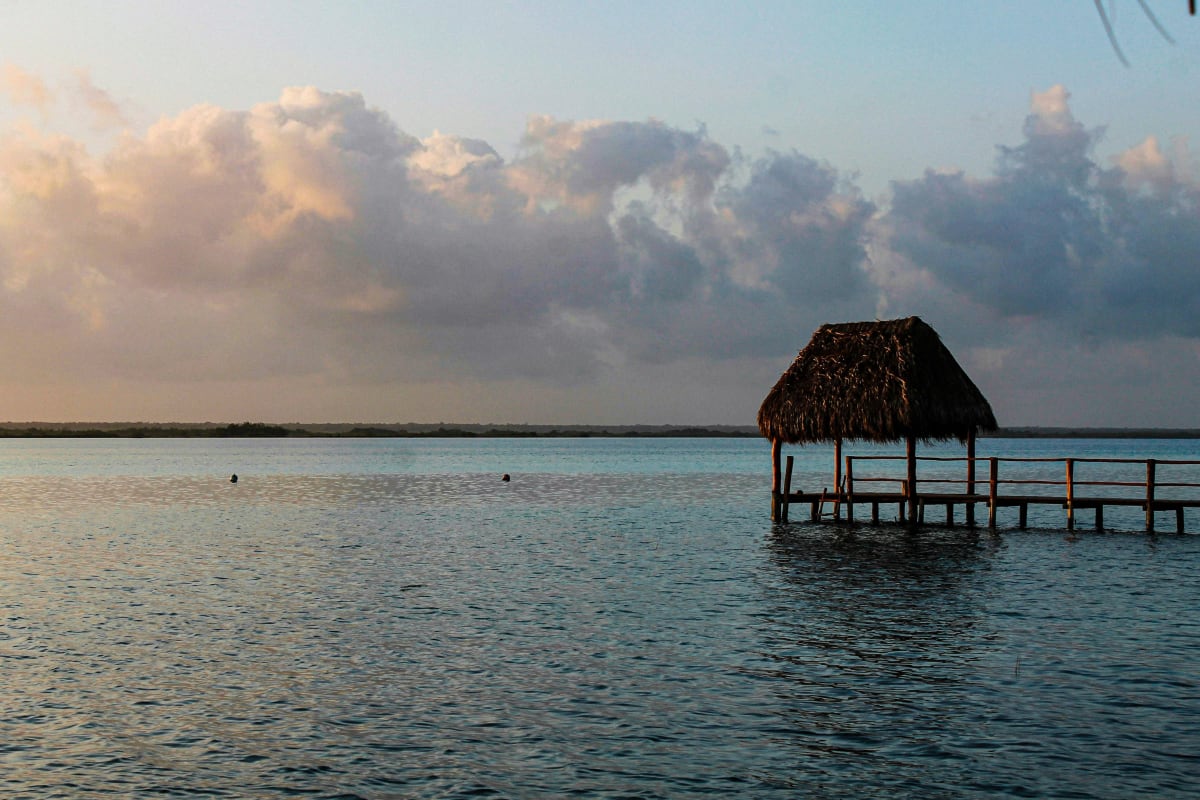
The lagoon of Bacalar is fed by underground water and cenotes, and its bottom is white limestone sand. Where the lagoon is shallow the water looks pale turquoise; where it drops into deep holes it turns navy, which is where the "seven colors" come from. There are no waves and no salt, so it suits weak swimmers, children and anyone who wants to float for an hour. Next to the lagoon, Cenote Azul is a deep, round cenote used for swimming. After heavy storms the lagoon can cloud over for a while, so the colours are not guaranteed every week of the year.
Getting there and how long to stay
Holbox from Cancún
There is no bridge. You travel by road to the port of Chiquilá, about two and a half to three hours from Cancún airport, and cross the lagoon on a passenger ferry of 20–30 minutes. Visitors cannot take cars to the island, so drivers leave them in paid car parks by the pier. Allow half a day each way; our guide on how to get to Holbox covers buses, shuttles, private transfers and air taxis. Three nights is a sensible minimum, so one windy day does not cancel your boat trips.
Bacalar from Cancún or Tulum
Bacalar lies on the highway south towards Chetumal, about two and a half hours from Tulum, which is why many travellers add it after a few days on the Riviera Maya. From Cancún it is a much longer drive, usually four and a half hours or more, and long-distance buses cover the route. The small airport at Chetumal is the closest, but most international flights land in Cancún, so the return is the price you pay. Two or three nights are enough for the lagoon itself.
What to do: wildlife boats or lagoon days
Holbox: whale sharks, flamingos and the three-island trip
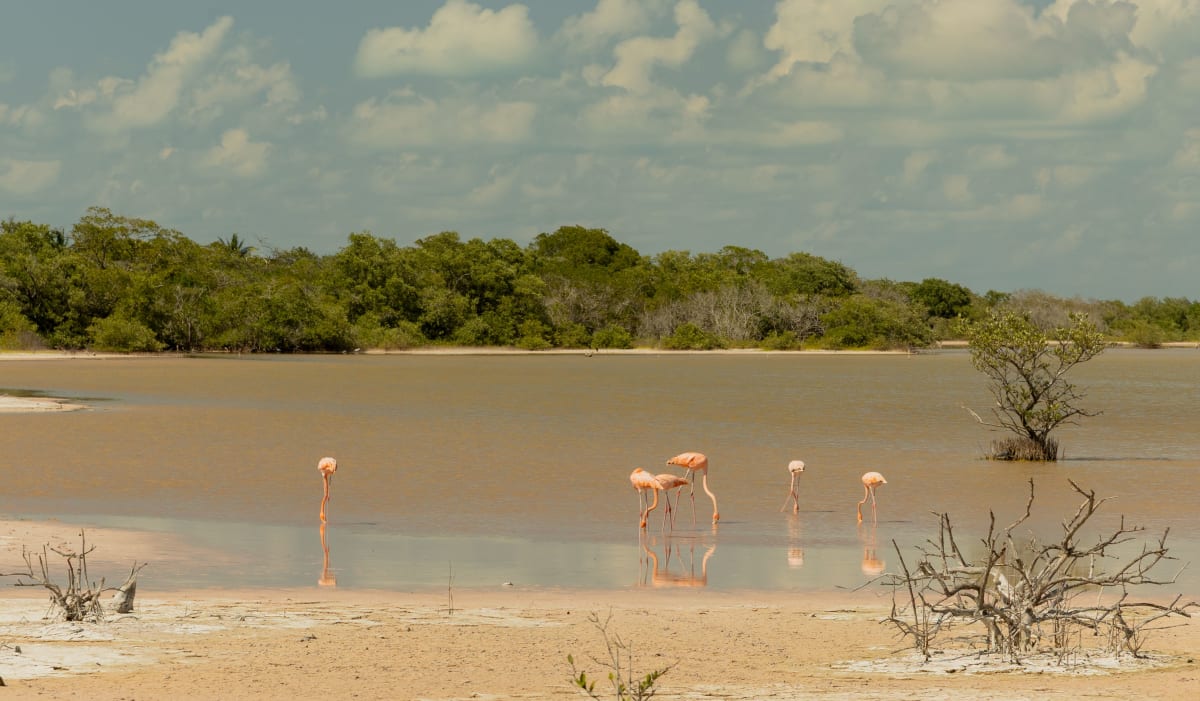
Holbox has no reef off the beach, but the plankton-rich water around it draws whale sharks, roughly from June to August, inside a season the Mexican authorities set each year. The classic three-island boat trip stops at Isla Pájaros, the Ojo de Agua spring and the Isla Pasión sandbar; the lagoon behind the island has flamingos, pelicans and herons for much of the year; the warmer months bring bioluminescent plankton on dark nights; and from late autumn to spring steady winds make it a good place to learn kitesurfing. You can compare these trips on our Holbox tours page.
Bacalar: kayaks, sailboats and stromatolites
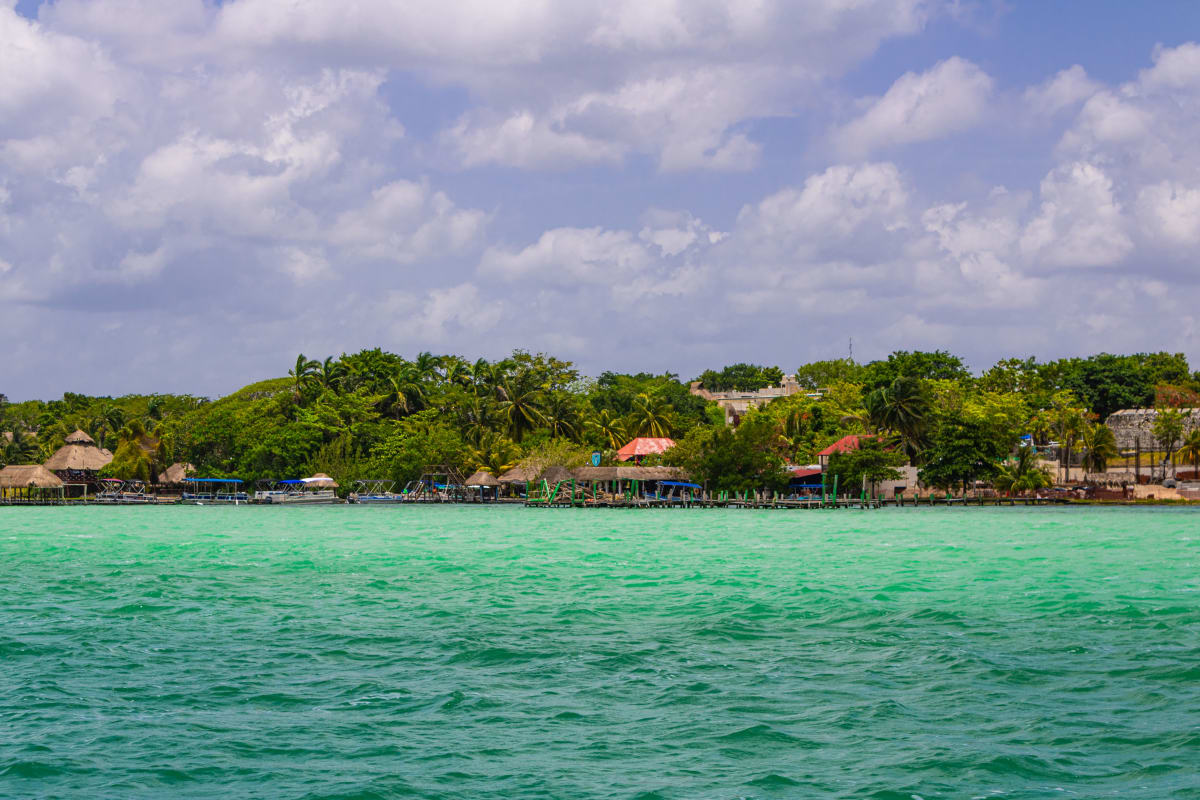
Days in Bacalar are spent on the lagoon: kayaking or paddleboarding at sunrise, when the water is flattest, and boat or sailboat trips to spots such as the Canal de los Piratas and the shallow sandy areas in the middle of the lagoon. Along parts of the shore live stromatolites, rock-like structures built by microbes over thousands of years and among the oldest forms of life on Earth. They are very fragile: do not stand on them or touch them, and use only the docks and access points meant for swimming. In town, the 18th-century Fuerte de San Felipe, built against pirates, overlooks the lagoon.
Pace, costs and practical details
Island life against town life
Holbox keeps visitor cars off the island: the village is a grid of sand streets used by bikes, walkers and golf-cart taxis, which turn into wide puddles after heavy rain and are hard work with a stroller or heavy suitcases. Mosquitoes can be fierce at dusk, especially in the rainy season. Bacalar is an ordinary Mexican town with paved roads, shops and a central square; many lodgings sit a few kilometres along the lagoon shore, so a car or taxis make life easier.
Money and where to sleep
Neither place is cheap in high season. Holbox has very few ATMs, which can run out at busy times, and many restaurants and golf-cart taxis prefer cash, so bring pesos from the mainland. Bacalar, being on the main highway and close to Chetumal, has easier access to banks. Both have hostels, small hotels and boutique places on the water rather than large resort chains. Both are also in the Atlantic hurricane zone, with the highest risk from August to October.
Holbox vs Bacalar: which one should you choose?
Choose Holbox if...
- You want the sea: salt water, sandbars, tides and sunsets over the horizon.
- You travel between June and August and want to swim with whale sharks.
- Birds, flamingos or kitesurfing are a priority.
- You like car-free streets and can give it at least three nights.
Our honest look at whether Holbox is worth it covers the downsides too: mosquitoes, rain, cash and the long journey.
Choose Bacalar if...
- You want calm fresh water with no waves, for children or weak swimmers.
- You prefer kayaking, paddleboarding and sailing to boat tours on the open sea.
- You are already in Tulum and want an easy two- or three-night add-on to the south.
- You want a normal town with roads and services rather than an island.
Can you do both?
Yes, but plan for it. Holbox is in the far north and Bacalar in the south of Quintana Roo, so moving between them takes a full day of travel. The easiest pattern is Holbox at the start or end of the trip, close to Cancún airport, and Bacalar after Tulum; our Riviera Maya and Holbox itinerary shows how the days fit. For background on the lagoon town, see the Bacalar entry on Wikipedia.
Frequently Asked Questions
Is Bacalar fresh water or sea water?
Fresh water. Bacalar is a lagoon fed by underground water and cenotes, so there are no waves and no salt, unlike the shallow sea around Holbox.
Which is closer to Cancún, Holbox or Bacalar?
Holbox. It takes about two and a half to three hours by road to Chiquilá plus a short ferry, while Bacalar is usually four and a half hours or more by road from Cancún.
Can you swim with whale sharks from Bacalar?
No. Whale sharks live in the sea, and the trips leave from Holbox, Isla Mujeres and Cancún, roughly from June to August. Bacalar is an inland lagoon.
Can you touch the stromatolites in Bacalar?
No. They are living, very slow-growing structures that break easily. Stay off them, keep to docks and marked swimming areas, and follow local guides' instructions.
Continue exploring Holbox
You Might Also Like
 ExploringNov 16, 2026
How Many Days in Holbox? Day Trip vs 2 Nights vs a Week
Three nights is the right answer for most people asking how many days in Holbox: enough for a boat tour, a sandbar walk
 ExploringOct 26, 2026
10-Day Riviera Maya & Holbox Itinerary
A 10-day Riviera Maya and Holbox itinerary that runs in one line from Cancún airport: Playa del Carmen, three nights in
 ExploringOct 25, 2026
Holbox vs Isla Mujeres: Which Caribbean Island Getaway?
Holbox vs Isla Mujeres: choose Holbox for a slow, car-free island with whale sharks and flamingos if you can stay three