10-Day Riviera Maya & Holbox Itinerary

This Riviera Maya Holbox itinerary fits ten days into one line on the map, so you never backtrack: fly into Cancún, spend two nights in Playa del Carmen, three in Tulum, stop at the ruins of Cobá on the drive north and finish with four slow days on Holbox before a morning ferry and the road back to the airport. The busy, developed coast comes first and the quiet island last, which is the order most people enjoy it in.
| Day | Base | Plan | Travel (approx.) |
|---|---|---|---|
| 1 | Playa del Carmen | Arrive at Cancún airport, settle in, Quinta Avenida in the evening | 45 min–1 h by road |
| 2 | Playa del Carmen | Beach day or day trip to Cozumel | Ferry to Cozumel, under 1 h each way |
| 3 | Tulum | Drive south with a stop at Akumal | About 1 h |
| 4 | Tulum | Tulum ruins early, beach in the afternoon | Local |
| 5 | Tulum | Cenotes | Local |
| 6 | Holbox | Cobá in the morning, drive to Chiquilá, ferry | About 45 min to Cobá, about 3 h on to Chiquilá, 20–30 min ferry |
| 7 | Holbox | Village, Punta Mosquito sandbar | On foot or by golf cart |
| 8 | Holbox | Boat tour: three islands, or whale sharks in season | By boat |
| 9 | Holbox | Free day, Punta Cocos sunset, bioluminescence on a dark night | Local |
| 10 | Fly home | Morning ferry, road to Cancún airport | Allow 4–5 h from ferry to check-in |
All times are approximate and assume a rental car or private transfer for the long legs. Below is each stage, what to do there and how to change the plan if you travel by bus or in whale shark season.
Days 1–2: Cancún airport to Playa del Carmen
Skip a night in Cancún itself. Playa del Carmen is less than an hour south of the airport on federal highway 307, so even an afternoon arrival leaves time to check in and walk to the sea before dinner.
Day 1: arrive and walk Quinta Avenida
The town's centre is Quinta Avenida (Fifth Avenue), a long pedestrian street one block back from the beach, lined with restaurants and shops. It is touristy, but it is the easiest first evening after a flight: no car needed, plenty of choice for dinner and everything within walking distance. Pick up pesos at an airport or town ATM now, because you will need cash on Holbox.
Day 2: beach or Cozumel
Spend the day on the town beach or take the passenger ferry from the Playa del Carmen pier to Cozumel, a crossing of well under an hour. The island is known for its reef snorkelling and diving, and the day trip works without any booking beyond the ferry ticket. If the sea is rough or the beach is covered in sargassum, which can happen in the warm months, the ferry day is the better choice.
Days 3–5: three nights in Tulum
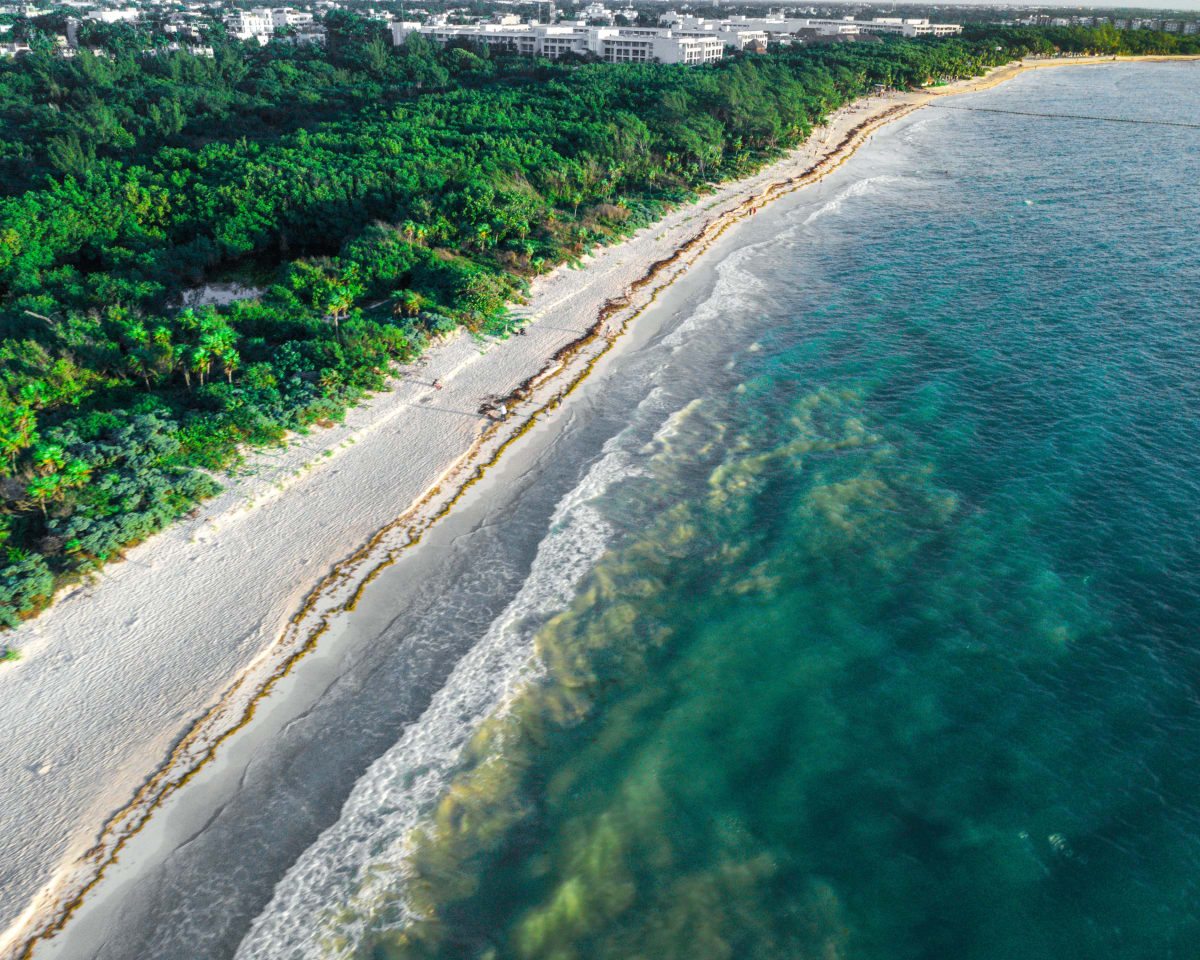
Tulum is the centre of this trip and deserves three nights. It splits into the pueblo, the town on the highway with most of the cheaper places to eat and sleep, and the beach road with its hotels. Our Tulum itinerary guide goes deeper if you want to stretch this part of the trip.
Day 3: south via Akumal
The drive from Playa del Carmen to Tulum is about an hour. Break it at Akumal, a bay known for the green sea turtles that feed on its seagrass. Access and snorkelling rules there have changed over the years and protect the turtles, so follow the current rules at the entrance and keep your distance in the water. Arrive in Tulum by mid-afternoon.
Day 4: the ruins and the beach
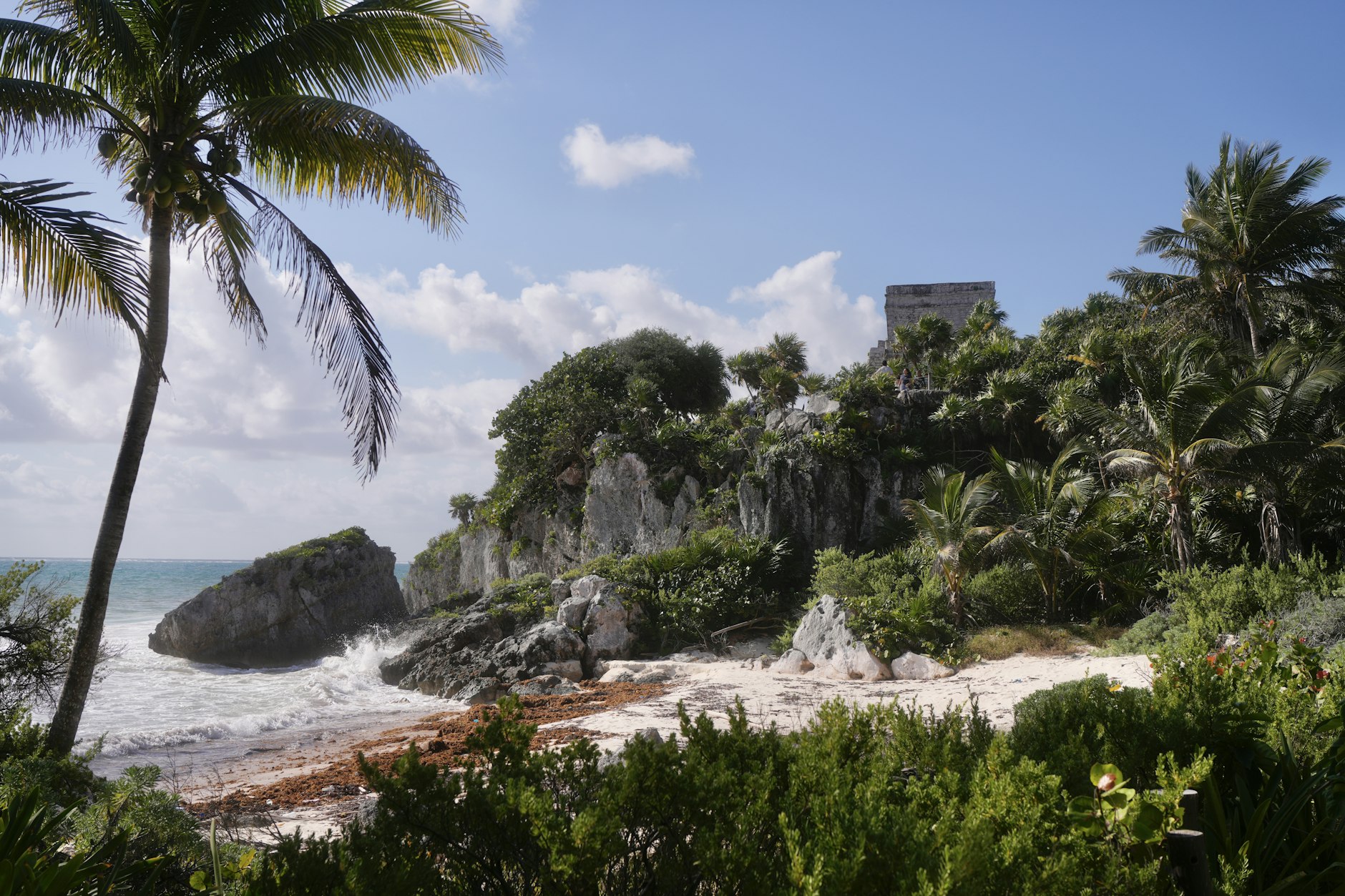
The Tulum archaeological site is the only major Maya city on a cliff above the Caribbean, and it is small enough to see in an hour or two. Go at opening time, before the tour buses and the heat, then spend the rest of the day on the beach below the ruins or further south along the beach road.
Day 5: cenotes
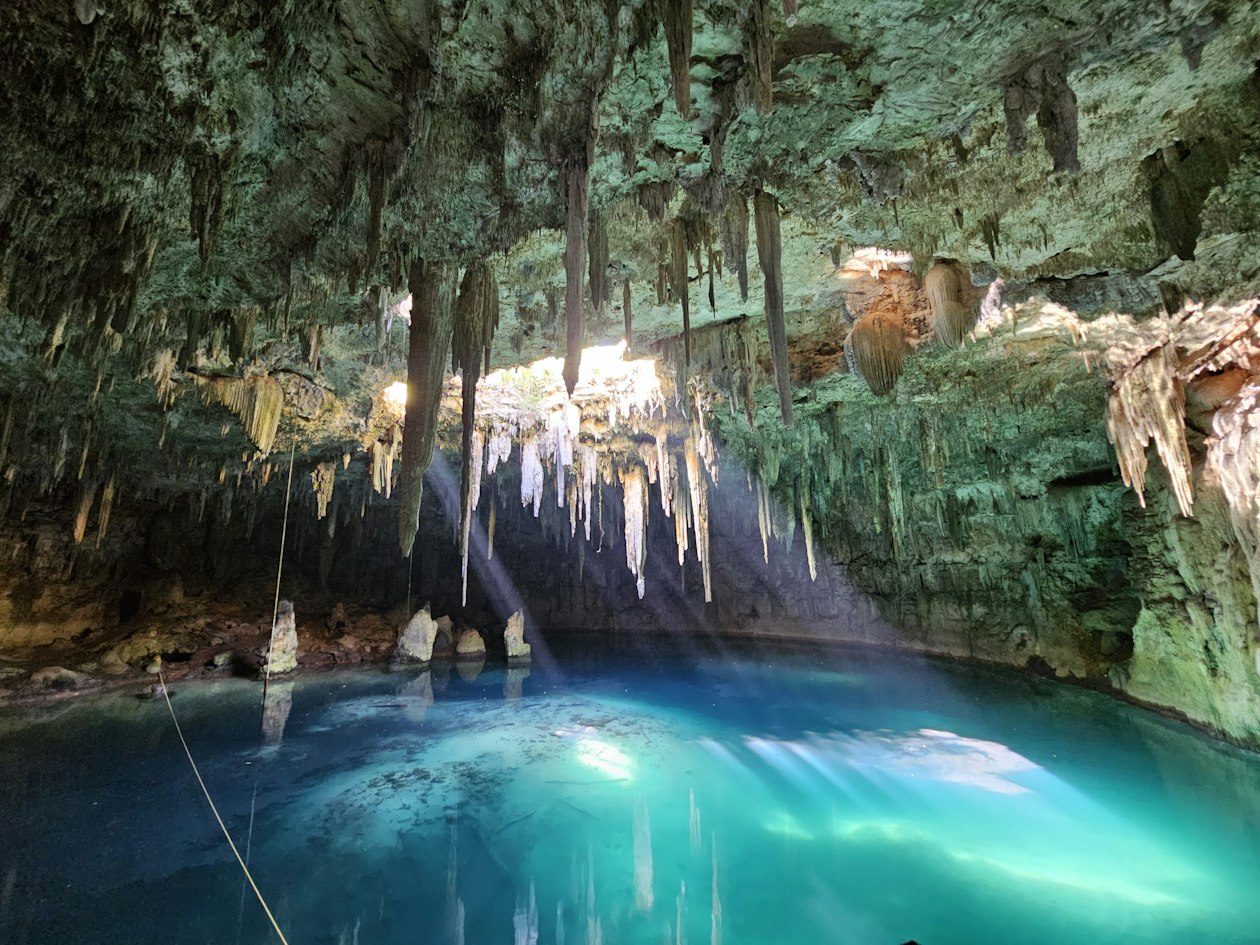
The limestone around Tulum is full of cenotes, natural sinkholes filled with cool, clear fresh water. Gran Cenote, on the road from Tulum to Cobá, is one of the best known; there are many others, open-air and in caves, within a short drive. Take a reef-safe sunscreen or none at all, since many cenotes ask you to shower before entering, and bring cash for the entrance fees.
Day 6: Cobá and the road north to Holbox
This is the long travel day, and the reason the route works. The most direct road from Tulum to Chiquilá, the port for Holbox, runs inland past Cobá anyway, so the ruins cost you only a few hours.
Morning at Cobá
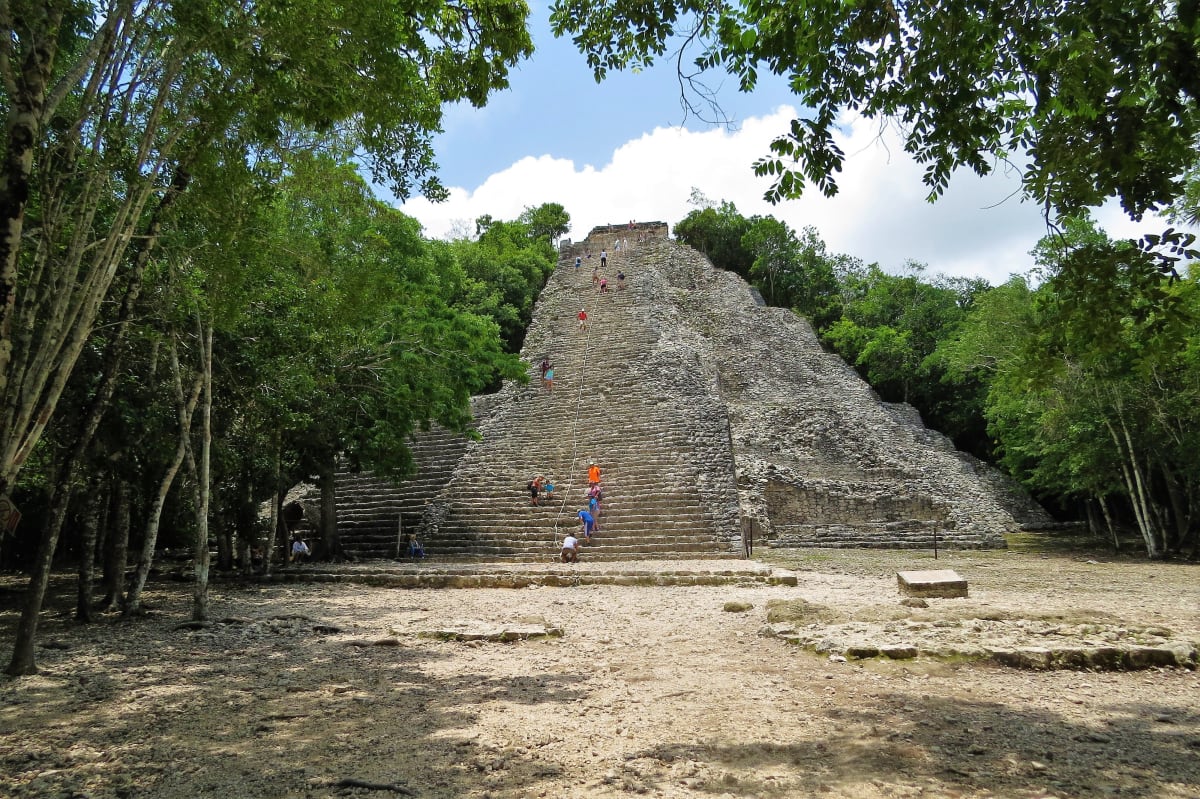
Cobá is about 45 minutes from Tulum. It is a large Maya city spread through the forest and linked by raised white roads called sacbés, and its main pyramid, Nohoch Mul, is one of the tallest on the peninsula. The distances between groups of buildings are long, so most visitors rent a bicycle or take a pedal taxi at the entrance. Climbing the pyramid has been restricted in recent years; check the current rule rather than planning around it. For background on the site, see Cobá on Wikipedia.
The drive to Chiquilá
From Cobá, continue to the highway near Nuevo Xcán, west to El Ideal and north through Kantunilkín to Chiquilá: about three hours. Leave Cobá by early afternoon so you reach the pier in daylight, park the car in one of the paid lots and take the passenger ferry, which crosses in about 20–30 minutes. Our guide on how to get to Holbox covers the ferry, parking and the bus alternatives in detail.
Days 7–9: four nights on Holbox
Holbox is the opposite of the Riviera: sand streets, golf carts instead of cars, shallow green water and very little to do in a hurry. Four nights give you time for one boat trip, one sandbar walk and days with no plan at all. Our list of things to do in Holbox has the full menu and the season for each.
Day 7: the village and Punta Mosquito
Walk the village in the morning, then head east along the beach towards Punta Mosquito, a sandbar where the water stays knee-deep far from shore and wading birds, sometimes flamingos, feed in the shallows. Go at low tide and wear water shoes.
Day 8: a boat day
Outside the summer season, book the three islands tour across the lagoon: the bird walkways of Isla Pájaros, a swim in the Yalahau spring and the beach at Isla Pasión. From roughly mid-May or June to September, when the authorities open the season, this is the day for the full-day trip to snorkel with whale sharks. Both leave from the village; compare operators on our Holbox tours page.
Day 9: Punta Cocos and the night water
Keep the last full day free. In the late afternoon, ride a bike or golf cart west to Punta Cocos for the sunset. On a dark night with little moon, the lagoon on that side is one of the places where you can see bioluminescence, the blue glow of plankton when the water moves; a local guide will know whether conditions are right.
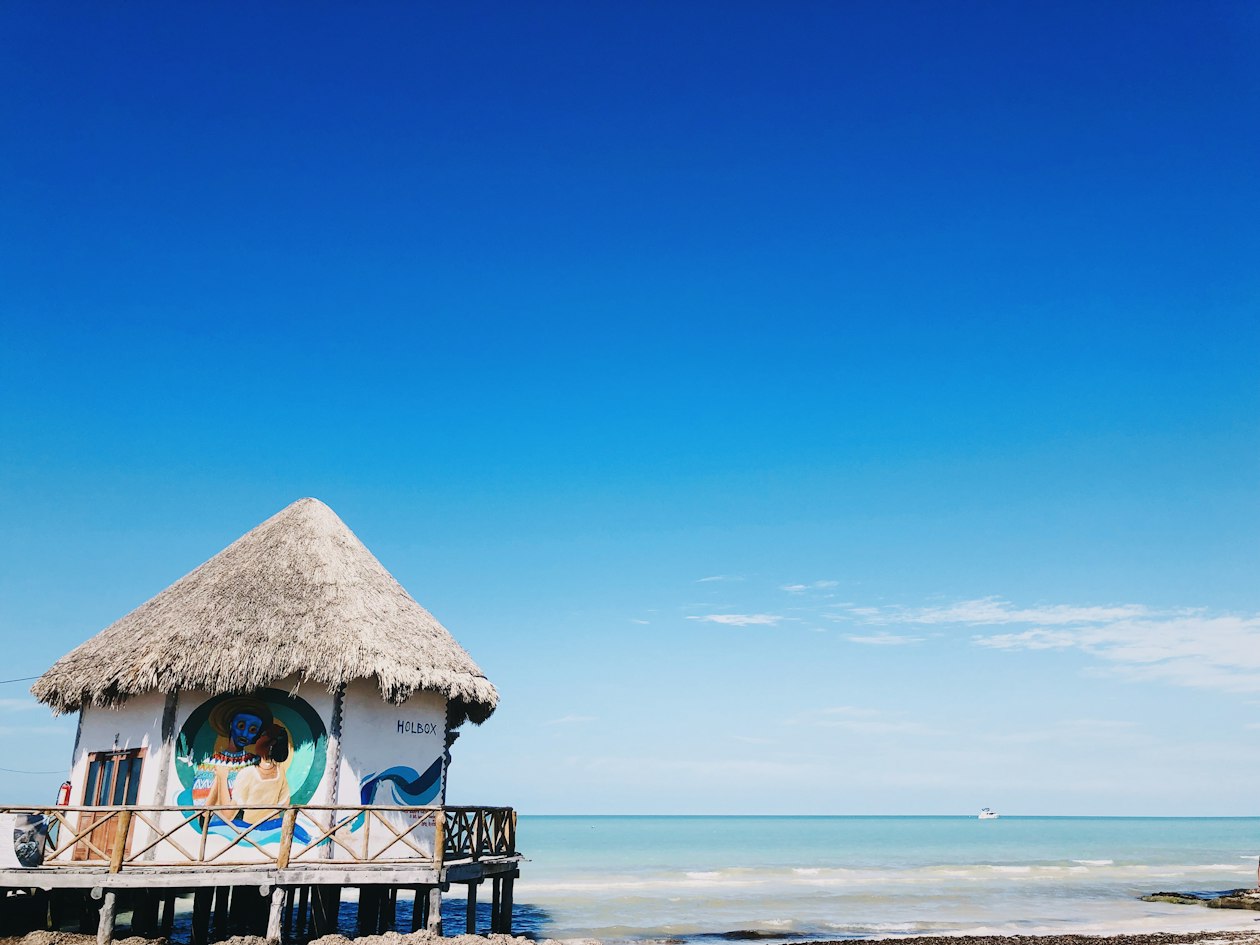
Day 10: back to Cancún airport
Take a morning ferry back to Chiquilá. From there it is about two and a half to three hours by road to Cancún airport, so allow at least four to five hours between the boat and check-in. Book an afternoon or evening flight; a morning departure on the last day does not work from Holbox. Ferries can pause in strong wind, mostly during winter cold fronts, so if the forecast looks bad, cross the day before and sleep near the airport.
How to adapt this itinerary
With or without a car
A rental car makes Day 6 easy and lets you stop where you like. Without one, everything still works except the Cobá stop on the way north: buses link Cancún, Playa del Carmen and Tulum many times a day, but direct buses from Tulum to Chiquilá are few, so most travellers ride back to Cancún and take the bus or a shuttle from there. In that case, see Cobá on a day trip from Tulum on Day 5, or book a private transfer from Tulum straight to the pier.
Choosing your season
The dry months, roughly December to April, are the most comfortable and the busiest. From June to September you get the whale sharks but also heat, rain and the chance of sargassum on the Caribbean beaches; the hurricane season runs from June to November. If you have fewer days, cut one night in Playa del Carmen rather than one on Holbox, where the travel time makes short stays poor value.
Frequently Asked Questions
Is 10 days enough for the Riviera Maya and Holbox?
Yes, for the highlights. Ten days covers Playa del Carmen, Tulum with its ruins and cenotes, Cobá and four nights on Holbox without rushing. Chichén Itzá or Bacalar would need two or three more days.
Should I visit Holbox at the start or the end of the trip?
At the end usually works better. The drive from Tulum past Cobá to Chiquilá is a natural one-way route, and Holbox is the most restful place to finish before the flight home. If you visit in whale shark season and want spare days for a tour cancelled by weather, you can reverse the order.
How long is the trip from Tulum to Holbox?
Plan on three and a half to four hours by road from Tulum to Chiquilá, plus the ferry of about 20–30 minutes. Stopping at Cobá adds the time you spend at the site.
Do I need a car for this itinerary?
No, but it helps. Buses cover the coast, and private transfers or shuttles reach Chiquilá. You only lose the easy Cobá stop on the way north. Leave the car on the mainland in any case: visitors cannot take cars to Holbox.
Continue exploring Holbox
You Might Also Like
 ExploringNov 16, 2026
How Many Days in Holbox? Day Trip vs 2 Nights vs a Week
Three nights is the right answer for most people asking how many days in Holbox: enough for a boat tour, a sandbar walk
 ExploringOct 28, 2026
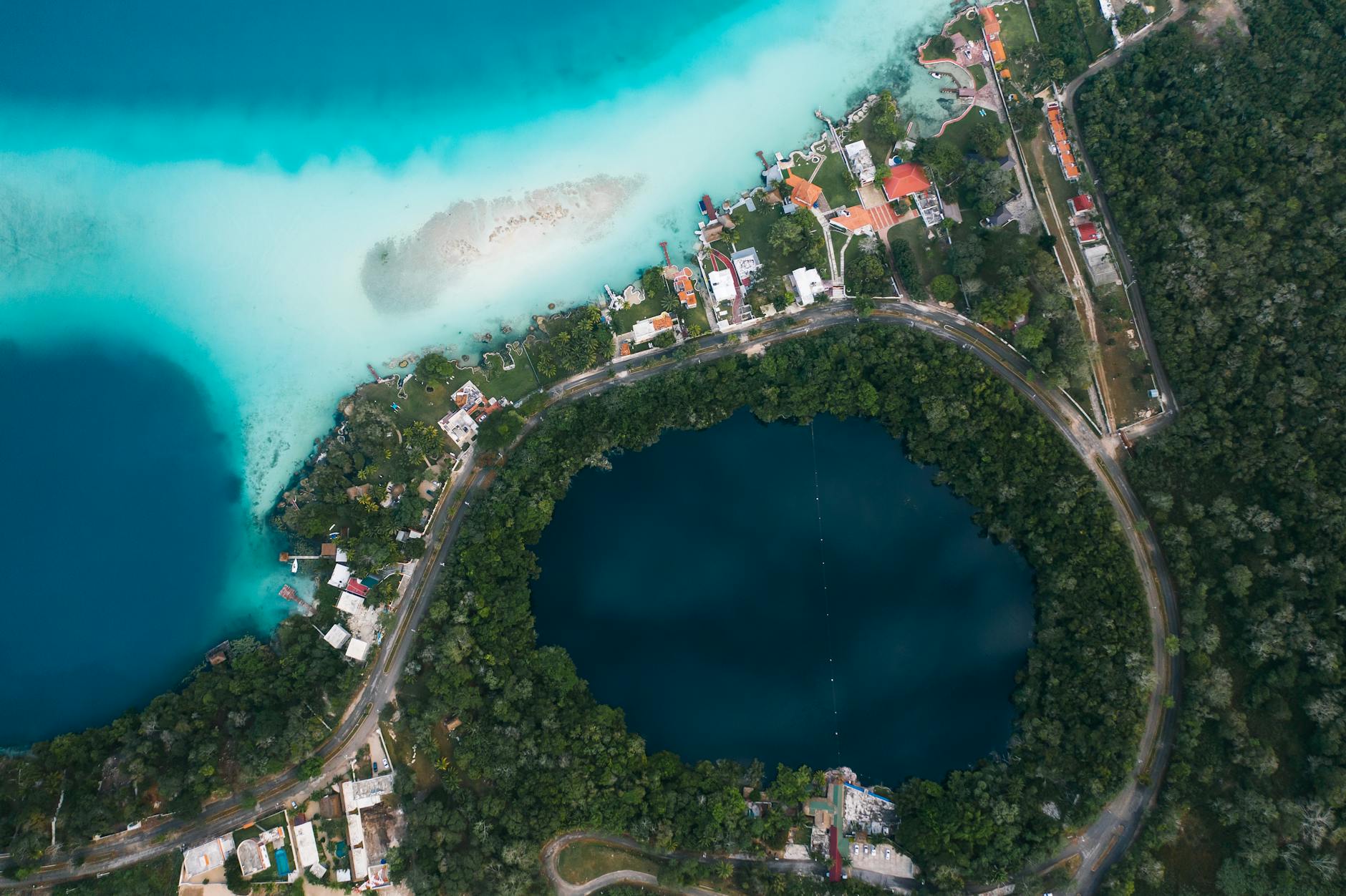
Holbox vs Bacalar: Island Sandbars or Lagoon of Seven Colors?
Holbox vs Bacalar: choose Holbox for a car-free sand island with whale sharks, flamingos and sea sunsets; choose Bacalar
 ExploringOct 25, 2026
Holbox vs Isla Mujeres: Which Caribbean Island Getaway?
Holbox vs Isla Mujeres: choose Holbox for a slow, car-free island with whale sharks and flamingos if you can stay three