Best Things to Do in Holbox
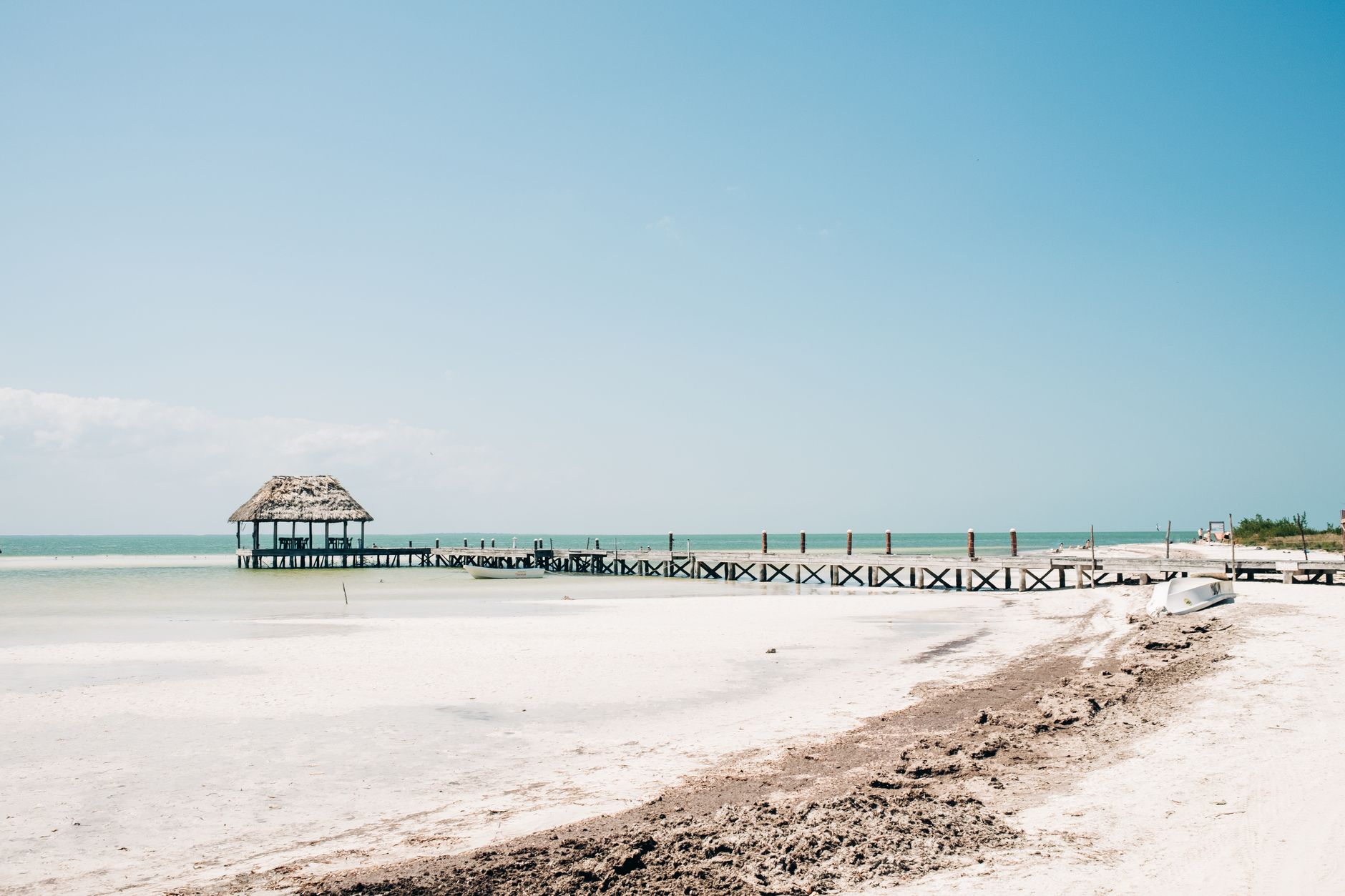
Most things to do in Holbox happen on or in the water: swimming with whale sharks in summer, a boat tour of the lagoon and its bird island, wading out across the sandbars at Punta Mosquito, watching the sunset at Punta Cocos and, on dark nights, seeing the water glow with bioluminescence. The island sits off the northern tip of Quintana Roo, inside the Yum Balam protected area, where the Caribbean meets the Gulf of Mexico. It is about 40 km long, rarely more than 2 km wide, and has no cars for visitors: you get around on foot, by bicycle or in a golf cart on sand streets.
| Activity | Best season | Time needed | How |
|---|---|---|---|
| Swim with whale sharks | Roughly June to mid-September | Full day | Licensed boat tour |
| Three-island lagoon tour | All year | Half day | Boat tour |
| Punta Mosquito sandbar | All year, at low tide | 2–3 hours | On foot from the village |
| Sunset at Punta Cocos | All year | Evening | Bike or golf cart |
| Bioluminescence | Warmer months, moonless nights | 1–2 hours | With a local guide |
| Kitesurfing | Windier months, mainly winter and spring | Half day or a course | Kite school |
Holbox is a place to slow down rather than tick off sights, but it rewards a little planning: the big wildlife experiences are seasonal, the best walks depend on the tide and the bioluminescence depends on the moon. Here is what to do and when.
Swim with whale sharks
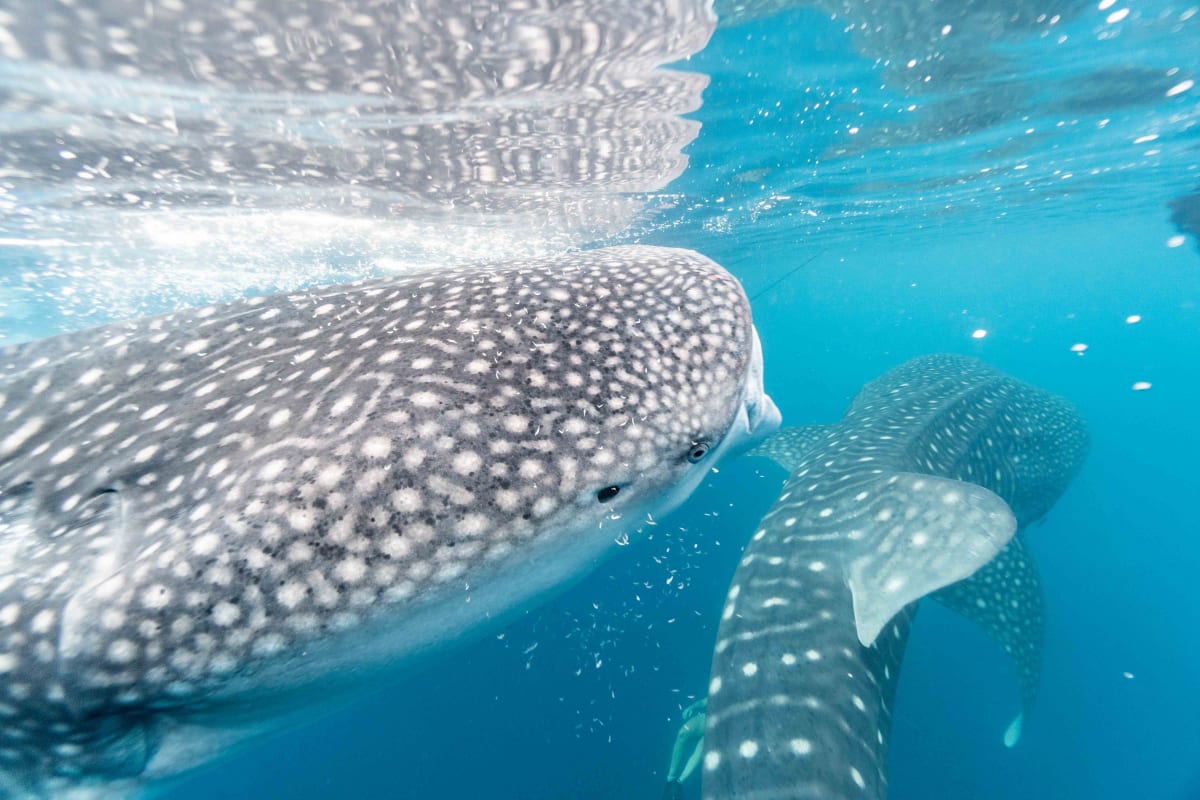
This is the reason many people come. Every summer, whale sharks, the largest fish in the sea and listed as Endangered, gather in the plankton-rich waters off the north of the Yucatán Peninsula. Boats leave Holbox in the early morning and head out to open sea, where you slip into the water and snorkel alongside them as they feed at the surface.
When is whale shark season?
The official season usually opens in mid-May and closes in mid-September, and the most reliable sightings are from June to August. Exact dates are set each year by the Mexican authorities, so check before you book. The trip takes most of the day, and the sea can be choppy on the way out: take seasickness tablets if you need them.
Rules in the water
- Only licensed operators can take you, and only a small group, usually two swimmers plus a guide, may be in the water with a shark at a time.
- Never touch a whale shark or swim in front of its mouth; keep your distance as the guide tells you.
- No flash photography and no regular sunscreen: use a rash guard or a wetsuit instead.
Take the three-island lagoon tour
The classic half-day boat trip crosses the Yalahau lagoon that separates Holbox from the mainland. It runs all year and is the easiest way to see the birdlife and mangroves of the reserve.
Isla Pájaros
A small bird island where visitors stay on the walkways and observation towers so the nesting colonies are not disturbed. Depending on the season you can see frigatebirds, pelicans, cormorants, herons, spoonbills and sometimes flamingos. Bring binoculars if you have them.
Ojo de Agua
A freshwater spring on the mainland shore of the lagoon, reached by a wooden pier, where you can swim in cool water surrounded by mangroves. It is a good contrast to the warm, salty sea around the island.
Isla Pasión
A tiny island with a shallow beach, usually the last stop for a swim before the boat heads back to the village.
Walk to Punta Mosquito and watch the sunset at Punta Cocos
Two of the best things to do in Holbox cost nothing. They sit at opposite ends of the village beach, so you can do one in the morning and the other in the evening.
Punta Mosquito sandbar
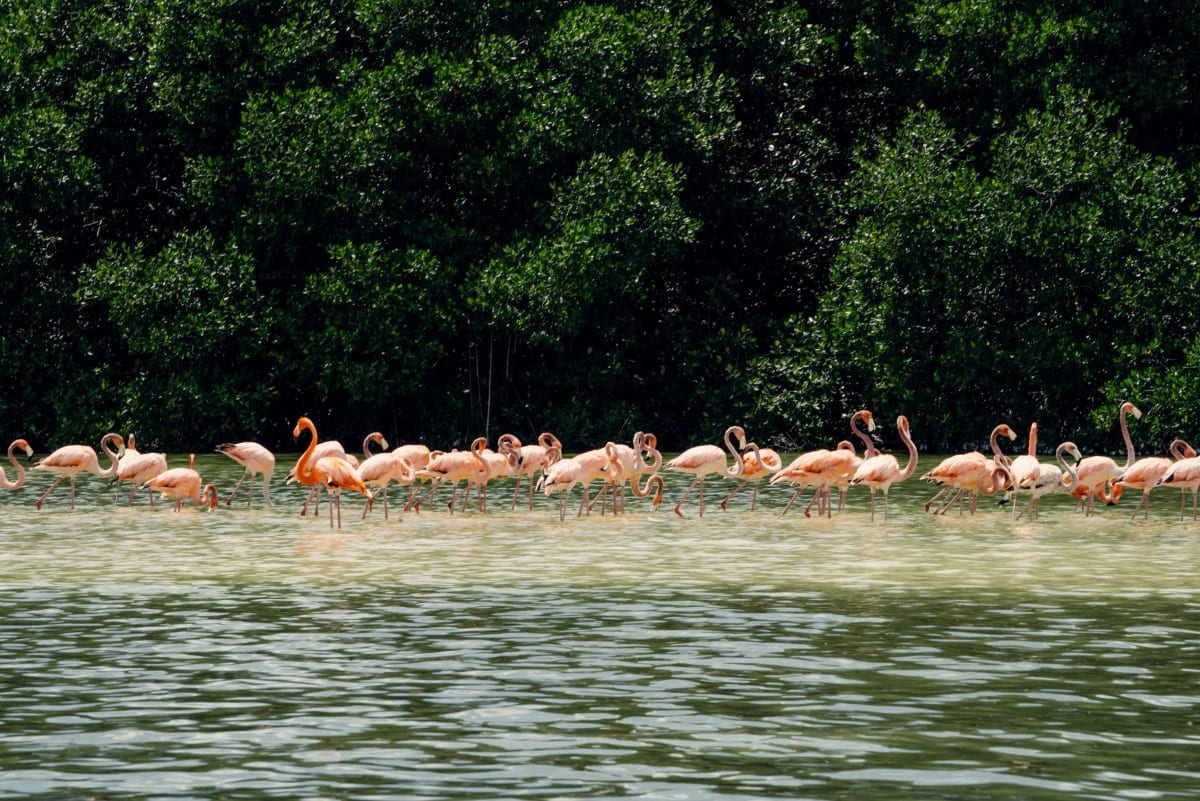
East of the village, the beach turns into a long sandbar in very shallow water. At low tide you can wade out a long way in knee-deep water, and wading birds feed along the edges; flamingos are sometimes seen here, but not always. Go in the morning, take water and a hat, because there is no shade, and keep to the edges where birds are feeding. As the name suggests, insect repellent helps, especially in the rainy months.
Punta Cocos and bioluminescence
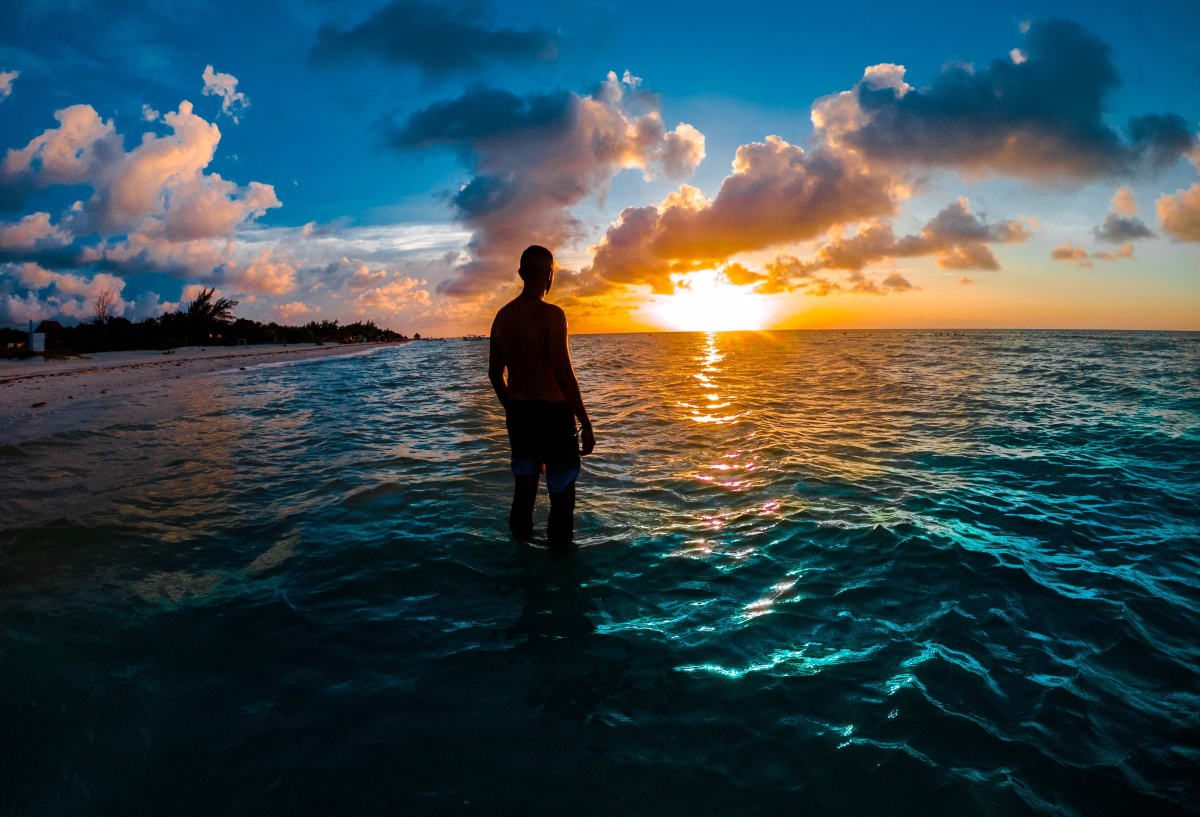
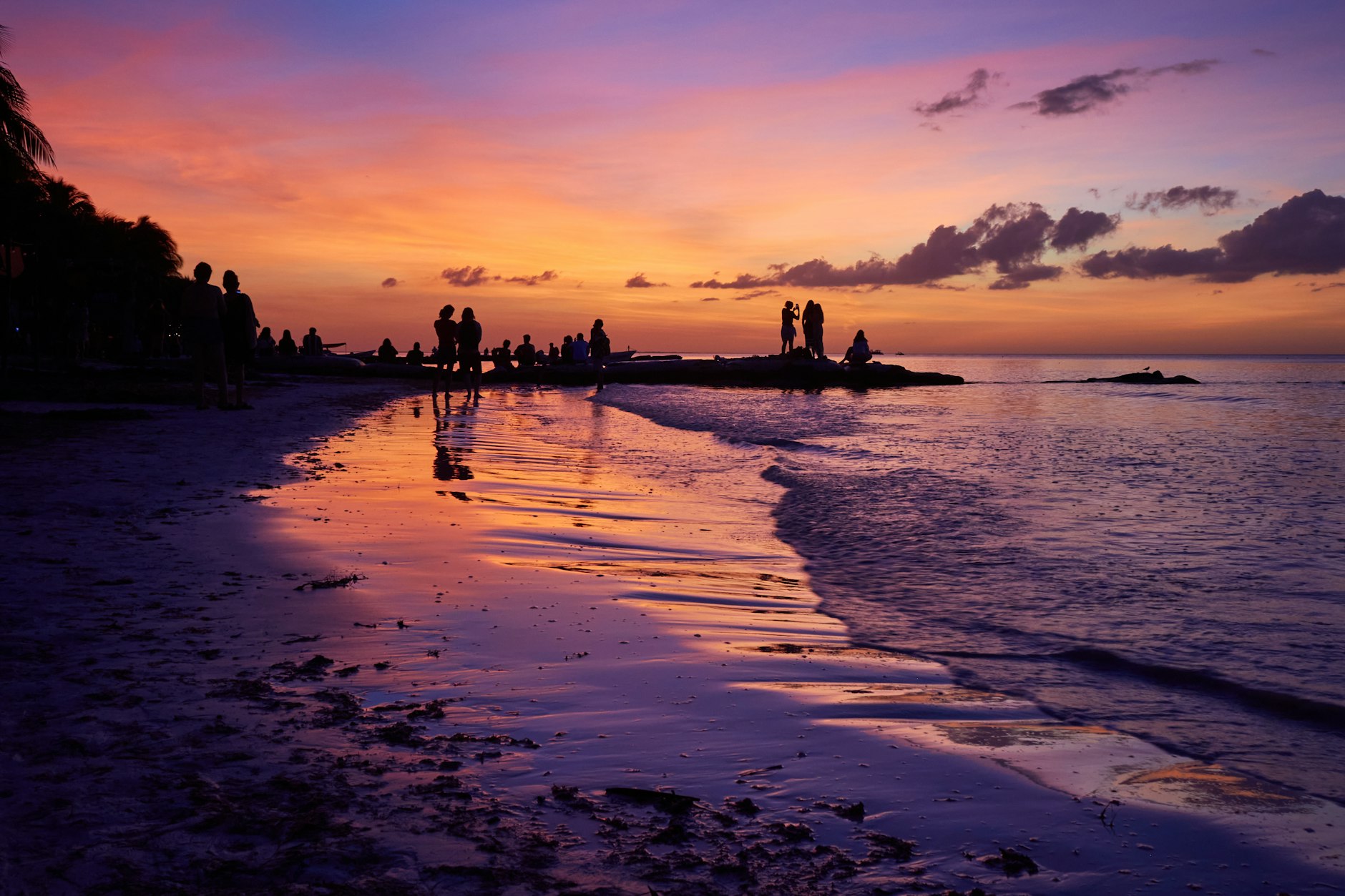
West of the village, Punta Cocos is the spot for sunset over the water. On moonless nights, usually in the warmer months, the shallows around the island can glow blue when you move your hands through the water: plankton light up when disturbed. It is unpredictable, so go with a local guide who knows where it is showing, and do not wear sunscreen or repellent in the water.

Things to do in Holbox village
The village is a grid of sand streets around a small central square, a few blocks from the beach. Many walls are painted with large murals, so a slow walk or bike ride through the streets is worth an hour of its own.
Eat lobster pizza and fresh seafood
Holbox is known for lobster pizza, a local speciality you will find on menus around the square, along with ceviche, fish tacos and whole grilled fish. Restaurants are mostly small and family-run; dinner starts late and the square is liveliest after sunset.
Kitesurf in the shallows
The wide, shallow water off the beach makes Holbox a good place to learn kitesurfing. The windiest months are mainly in winter and spring, and kite schools on the island run lessons and courses for beginners. Outside the windy season, kayaking and stand-up paddleboarding along the mangroves are calmer ways to get on the water.
Practical tips before you go
Getting there
Holbox is reached by passenger ferry from Chiquilá, a small port on the mainland; the crossing takes about 20–30 minutes. Chiquilá is roughly two and a half to three hours by road from Cancún, and there is a car park by the port if you drive, since cars cannot cross. A private transfer from Cancún airport to the ferry is the simplest option if you arrive with luggage.
Money, time and where to stay
- Bring cash. The island has only a few ATMs and they can run out at busy times; not every business takes cards.
- Stay at least three nights. That gives you a whale shark or lagoon day, a sandbar morning and time to adjust plans to the weather.
- Choose your base. Hotels near the village are walkable to restaurants; those further along the beach are quieter but need a golf cart or bike.
For an overview of the island, start with our Holbox travel guide, compare areas on the Holbox stays page and see whale shark trips and lagoon tours on our Holbox tours page.
Frequently Asked Questions
How many days do you need in Holbox?
Three to four nights is a good minimum. It allows one full day on the water, a lagoon tour, a morning at Punta Mosquito and a spare day in case the sea is rough.
When can you swim with whale sharks in Holbox?
Roughly from June to mid-September, with the official season usually opening in mid-May. Sightings are most reliable from June to August. Check the current year's dates before booking.
Can you drive on Holbox?
No. Visitors cannot bring cars to the island. You leave your car in Chiquilá and get around Holbox on foot, by bicycle or in a rented golf cart.
When can you see bioluminescence in Holbox?
On dark, moonless nights, usually in the warmer months. It varies from night to night, so a local guide is the best way to find it.
auto_awesome Continue exploring Holbox
You Might Also Like
 article Exploring calendar_today Oct 12, 2026
 Is Holbox Worth It? Honest Pros, Cons and Who Should Skip It
Holbox is worth it if you want a slow, car-free island with whale sharks, flamingos and calm shallow water, and can give
 article Exploring calendar_today Oct 10, 2026
 Best Time to Visit Holbox: Sargassum, Whale Sharks & Rain by Month
The best time to visit Holbox is December to April for dry weather and wind, or June to August for whale sharks. Here is
 article Travel Tips calendar_today Oct 9, 2026
 Where to Stay in Holbox: Downtown, Beachfront or Punta Cocos
Where to stay in Holbox depends on what you want from the island: the village for restaurants and the ferry, the beachfr