Is Mérida Safe? What "Mexico's Safest City" Really Means for Travelers
Is Mérida safe? For visitors, yes by Mexican and international standards: it is frequently described as one of the safest large cities in Mexico, and the problems travelers actually run into are heat, traffic and petty theft rather than violent crime. That is not the same as risk-free, so check the official advisory and take ordinary city precautions.
| Risk | How it shows up in Mérida | What to do |
|---|---|---|
| Heat and sun | Highs often above 38 °C in April and May; humid from June to October | Sightsee early, drink water, rest at midday |
| Traffic | Narrow one-way streets, fast buses, drivers who do not always yield | Look both ways even on one-way streets; cross at corners |
| Sidewalks | High, narrow and uneven kerbs in the historic centre | Wear flat shoes, watch your step at night |
| Petty theft | Phones and bags left on tables or in parked cars | Keep valuables out of sight, use the hotel safe |
| Scams | Friendly "guides", card terminals and ATMs | Decline unsolicited help; use ATMs inside banks |
| Violent crime | Rare for visitors; not zero | Read the current official advisory before you go |
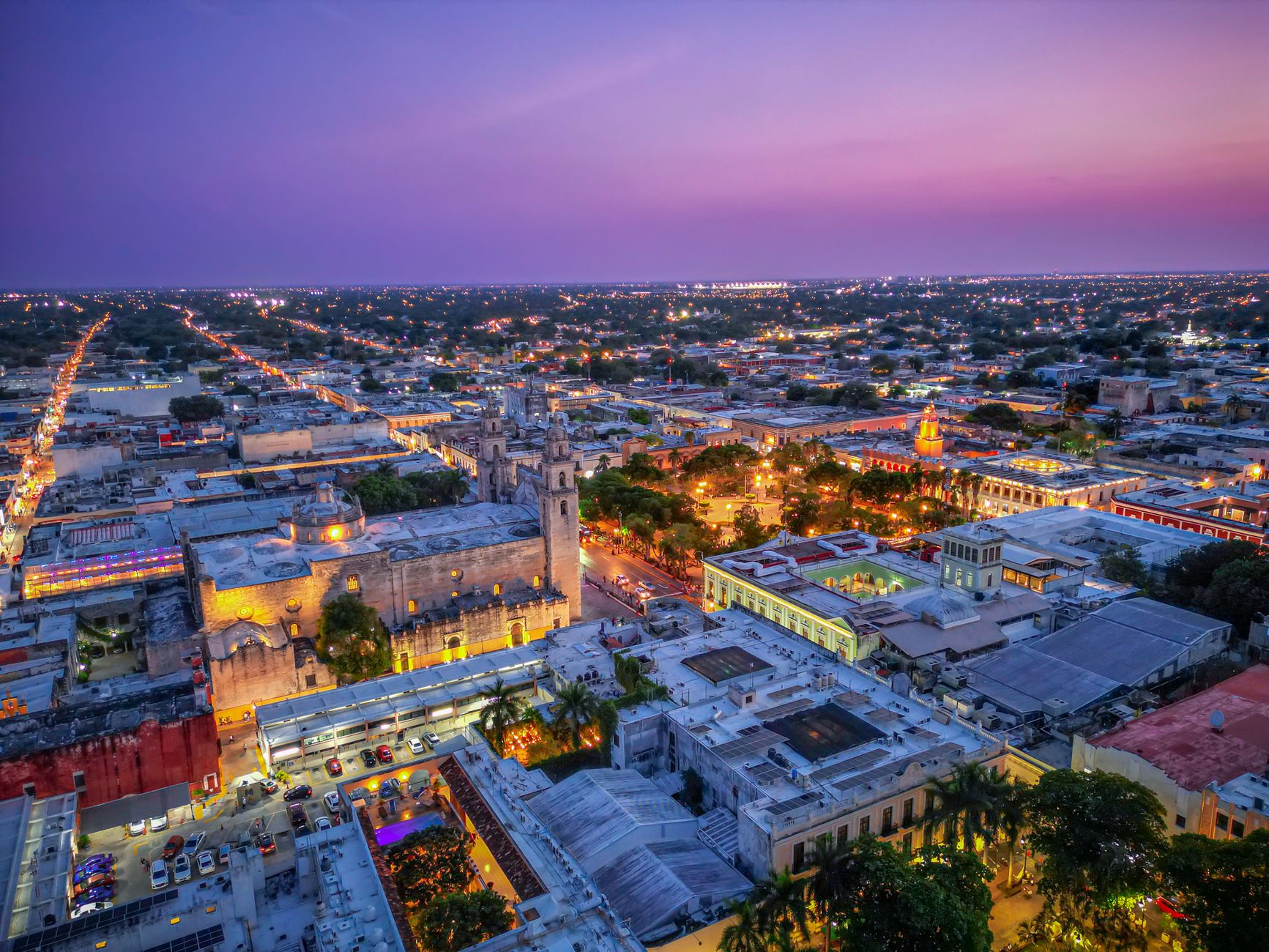
Mérida is the capital of the state of Yucatán and has more than a million people in its metropolitan area, so it is a real city, not a resort. Below is where its reputation comes from, how to read the travel advisories, and the practical risks that decide whether a trip goes smoothly.
Why Mérida is called Mexico's safest city
You will see the phrase "the safest city in Mexico" in travel articles, on relocation forums and in conversations with the many North Americans and Europeans who have moved here. Most of it traces back to one source.
What the INEGI survey measures
Mexico's national statistics institute, INEGI, runs the Encuesta Nacional de Seguridad Pública Urbana (ENSU), a regular survey that asks residents of the country's cities whether they feel safe where they live. Mérida has a long record of appearing among the cities where the fewest residents say they feel unsafe, and that result is what the headlines repeat. It reflects how locals perceive their own city, and it matches what most visitors experience: people walking home late, families in the plazas at night and a visible police presence in the centre.
What the reputation does not tell you
A perception survey is not a crime count, and it does not measure the risks a tourist faces. Mérida has burglaries, car break-ins, pickpocketing and fraud like any city of its size. Its reputation also covers the city, not the whole state or the whole peninsula. Treat "safest city" as a reason to feel relaxed, not a reason to stop paying attention.
Check the official travel advisory before you go
Governments rate Mexico state by state, and the level for Yucatán can change. Before booking, and again a few days before you fly, read the current US State Department travel advisory for Mexico and find the entry for Yucatán state. If you live in Canada, the UK or the EU, your own foreign ministry publishes an equivalent page, and the levels do not always match.
Read the advisory for every state you will cross, not only Yucatán. A trip that starts in Mérida often continues to Valladolid, Campeche, Bacalar or the Riviera Maya, and those places sit in different states with their own ratings. If you rely on travel insurance, check whether your policy has conditions tied to the advisory level.
The real risks for visitors in Mérida
Ask long-term residents what goes wrong for tourists and they rarely mention crime. They mention the following.
Heat
Mérida is inland and flat, with no sea breeze. In April and May afternoon highs of 38–40 °C are normal, and from June to October the humidity makes 34 °C feel much hotter. Heat exhaustion is the most common way a Mérida holiday goes wrong. Visit ruins at opening time, spend the afternoon in a pool or cenote, carry water and wear a hat. Our guide to the best time to visit Mérida covers the season month by month.
Traffic and sidewalks
The historic centre is a grid of narrow one-way streets: even-numbered streets run north–south and odd-numbered ones east–west. Drivers turn fast, buses brush the kerb and pedestrians do not always get priority, so look in both directions before crossing. The sidewalks are high and narrow, with sudden steps, broken tiles and open drains, which causes more sprained ankles than any other hazard. At night, look down as well as around.

Petty theft and scams
- Unattended phones and bags. A phone on a café table by the street is the easiest target in any city. Keep it in a pocket.
- Car break-ins. If you rent a car, leave nothing visible inside and use a paid parking lot overnight.
- Unsolicited guides. A friendly stranger near the main square who offers to show you a special craft market or a co-operative "open only today" is usually leading you to a shop that pays commission. Thank them and walk on.
- ATMs and cards. Use ATMs inside banks or shopping centres during the day. When a card terminal asks whether to charge in pesos or your home currency, choose pesos.
- Change. Count your change in markets and taxis, and carry small notes.
Water, food and mosquitoes
Do not drink tap water: hotels and restaurants use purified water, and bottled water is sold everywhere. Street food is a highlight, so choose busy stalls where food is cooked in front of you. In the rainy season, mosquitoes can carry dengue, so use repellent at dusk. For anything from sunburn to an upset stomach, a pharmacy is never far away in the centre. Once you know the precautions, plan your days with our list of things to do in Mérida.

Mérida at night, solo, and outside the city
Walking at night
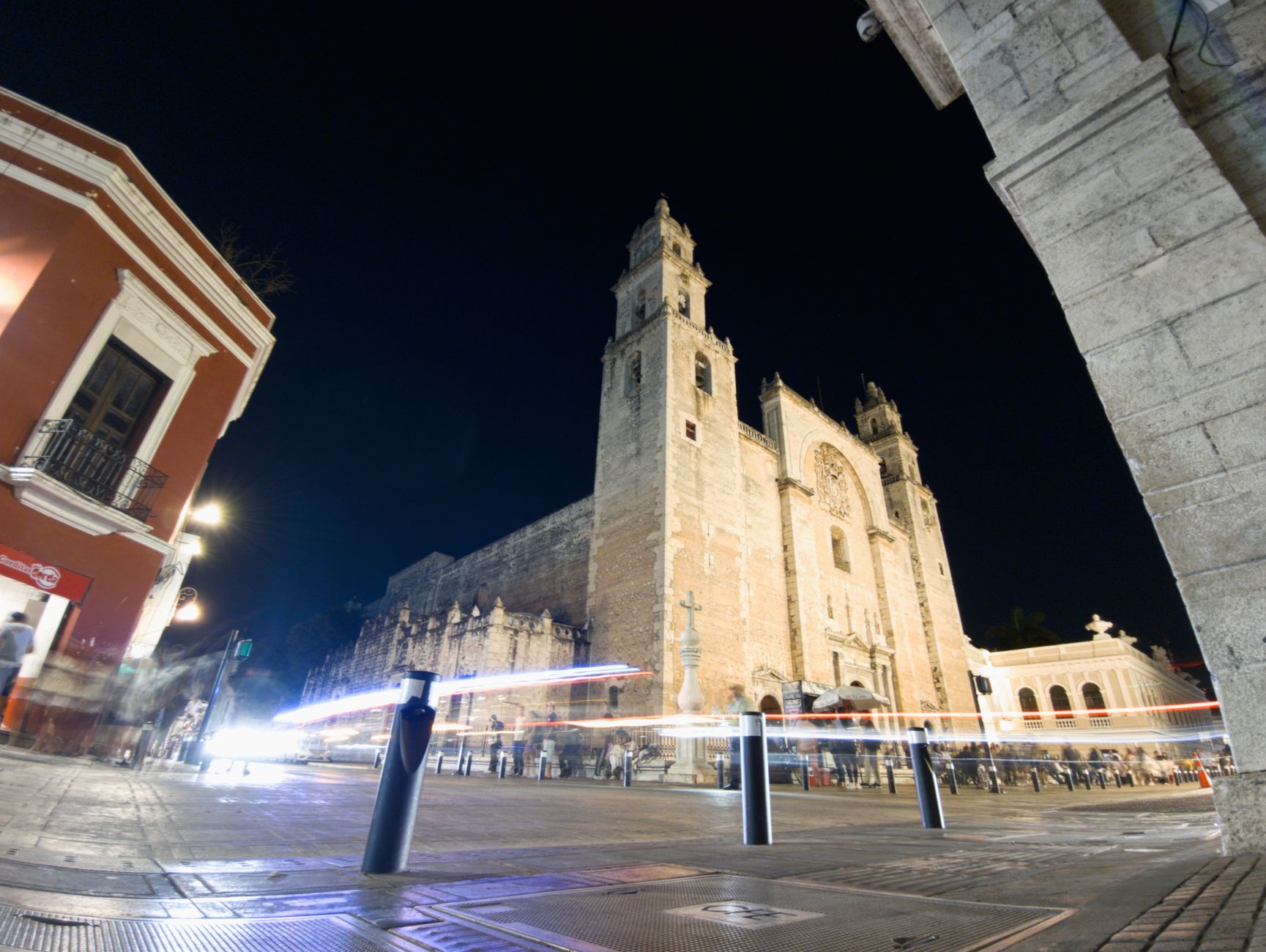
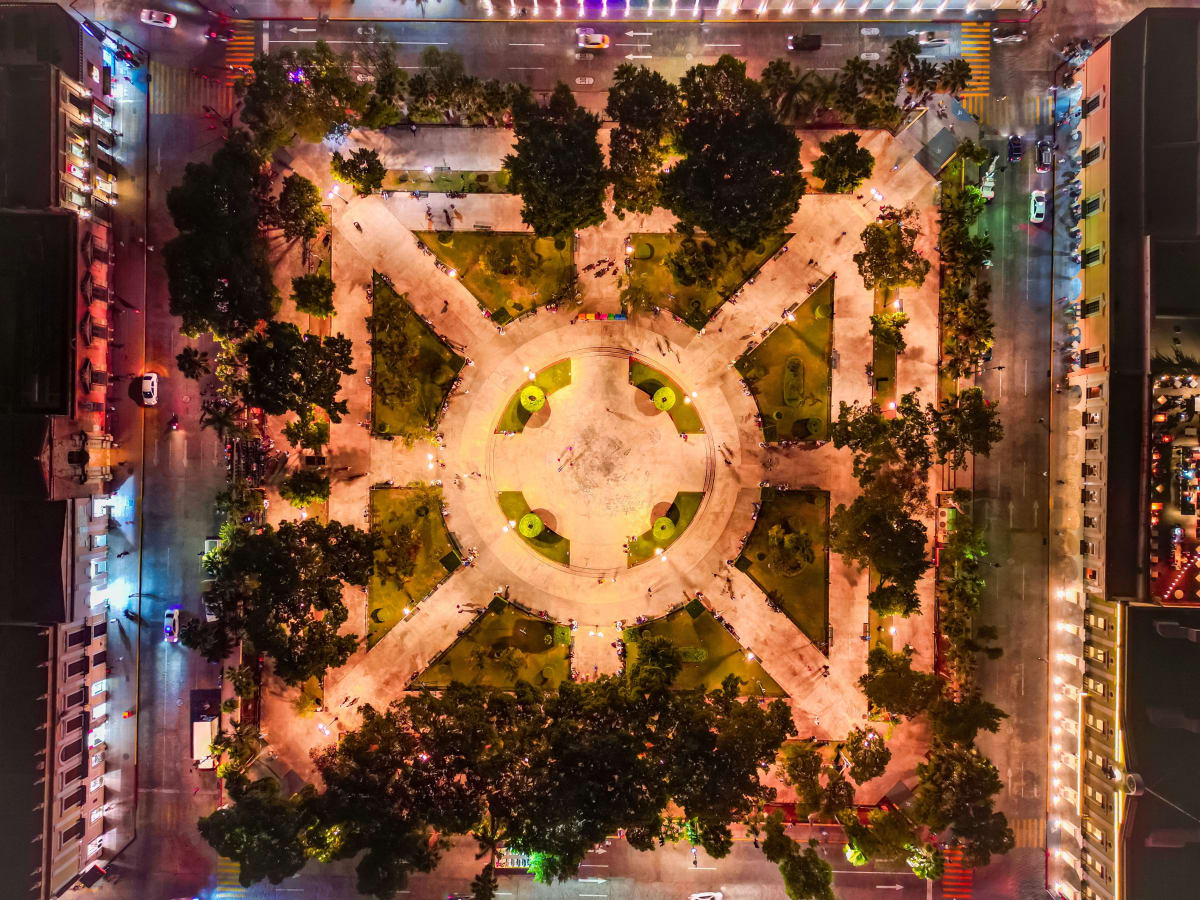
The Centro, Santa Ana, Santa Lucía and Paseo de Montejo stay busy into the evening, especially during the free weekly events such as the Sunday market on the Plaza Grande. Walking there after dinner is normal. Away from the lit streets, the centre gets very quiet after about 10 pm; for longer distances late at night, take a ride-hailing app or a taxi called by your hotel or restaurant rather than walking empty blocks. Our guide on where to stay in Mérida compares how lively each neighbourhood is after dark.
Solo and women travelers
Mérida is a popular base for solo travelers and for women traveling alone, and most report feeling comfortable. The usual big-city rules apply: keep an eye on your drink, share your live location when you take a car at night, and choose accommodation with a staffed reception or good reviews from other solo guests.
Day trips and driving in Yucatán
The roads to Uxmal, Chichén Itzá, Celestún and the cenotes are generally good, but village roads are full of topes (speed bumps), cyclists and animals, and most are unlit. Drive in daylight, fill the tank before leaving the city and keep cash for tolls and entrance fees. If you would rather not drive, a guided tour or a private driver removes the main risk of the day.
A quick safety checklist for Mérida
- Read the current official advisory for Yucatán and every other state on your route.
- Save 911, Mexico's national emergency number, and your hotel's address in Spanish.
- Buy travel insurance that covers medical care and evacuation.
- Plan outdoor sightseeing for the morning and evening, and drink more water than you think you need.
- Carry a copy of your passport and leave the original in the hotel safe.
- Book day trips with established operators; you can compare them on our Mérida tours page.
Frequently Asked Questions
Is Mérida really the safest city in Mexico?
It is frequently described that way, mainly because residents consistently rank it among the cities where they feel safest in INEGI's urban public-safety survey. That is a measure of perception, not a guarantee, but it matches most visitors' experience.
Is it safe to walk around Mérida at night?
In the busy parts of the historic centre, Santa Lucía, Santa Ana and Paseo de Montejo, yes. Stick to lit streets with people around and take a car for long distances late at night.
What is the US travel advisory for Yucatán?
Advisory levels change, so check the US State Department's Mexico page for the current rating of Yucatán state before you travel, and read the entries for any other states you will visit.
Is Mérida safe for solo female travelers?
Many women travel alone in Mérida and feel comfortable doing so. Use the same precautions you would at home: watch your drink, use ride-hailing apps at night and choose well-reviewed accommodation.
auto_awesome Continue exploring Mérida
You Might Also Like
 article Travel Tips calendar_today Oct 12, 2026
 How to Get to Mérida: Airport, ADO Buses & Transfers
The easiest way to get to Mérida is to fly into Mérida airport (MID) or take an ADO bus from Cancún, Playa del Carmen or
 article Exploring calendar_today Oct 11, 2026
 Izamal, the Yellow City: Day Trip from Mérida
An Izamal day trip from Mérida takes about an hour each way and combines a 16th-century convent, a climbable Maya pyrami
 article Adventures calendar_today Oct 10, 2026
 Las Coloradas & Río Lagartos: Pink Lakes and Flamingo Tour Guide
How to see the pink salt ponds of Las Coloradas and the flamingos of Río Lagartos from Mérida: tour or self-drive, the a