Best Time to Visit Puerto Vallarta: Month-by-Month Weather, Crowds & Prices
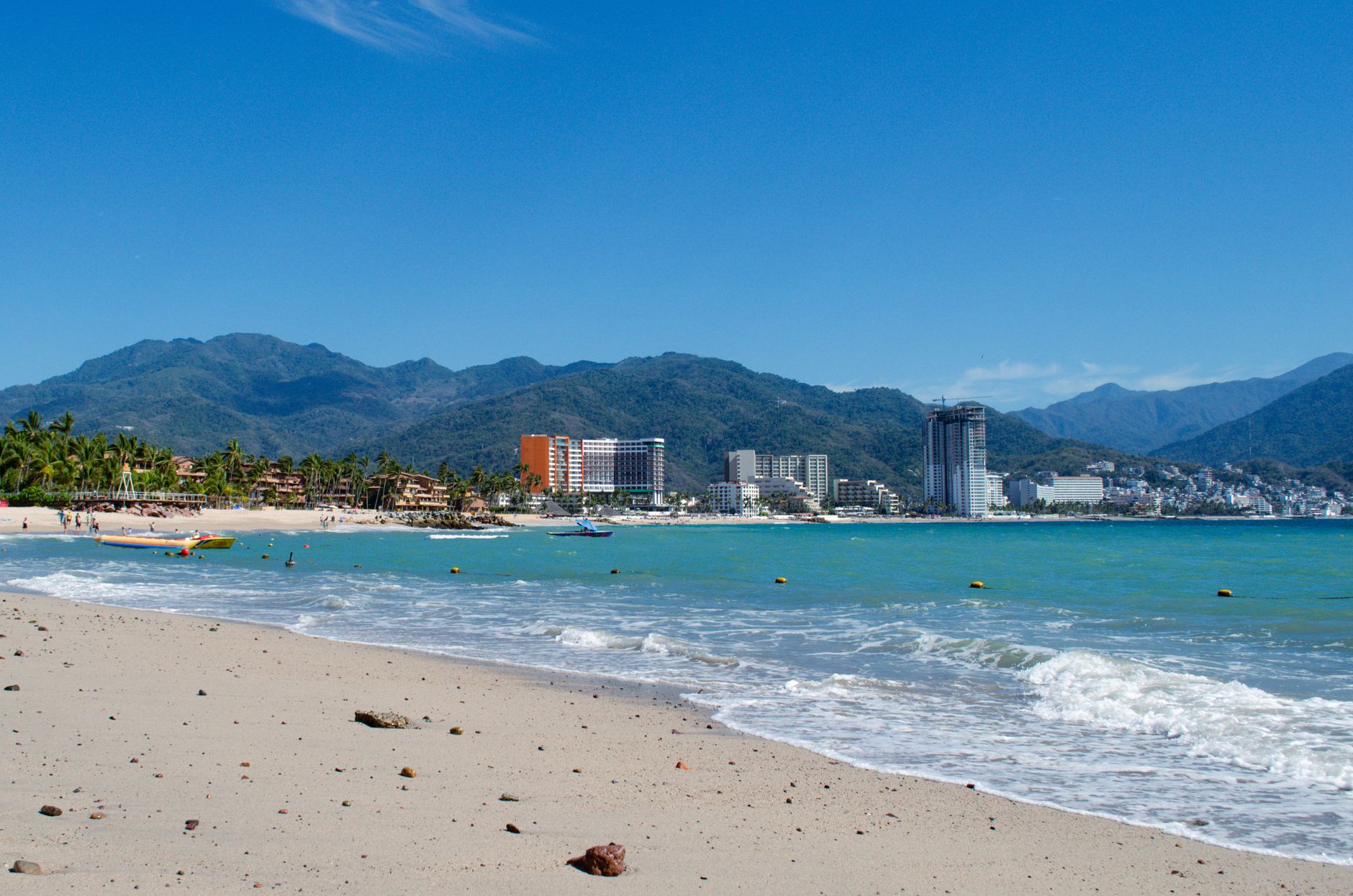
The best time to visit Puerto Vallarta is from late November to April, the dry season: sunny days around 28–30 °C, cool evenings, almost no rain and, from December to March, humpback whales in Banderas Bay. If you want lower prices with weather that is still mostly dry, go in November or May. From July to October it is hot, humid and stormy, but also green, quiet and at its cheapest.
| Month | Weather | Sea | Crowds & prices | Good for |
|---|---|---|---|---|
| January | Dry, sunny, cool nights | Cool (about 25 °C) | High | Whales, hiking, sightseeing |
| February | Driest month | Coolest of the year | High | Whale peak, Malecón evenings |
| March | Dry, warming up | Cool | High; spring break | Last whales, beaches |
| April | Dry, hot afternoons | Warming | Very high at Easter, then medium | Beaches, boat trips |
| May | Dry, hot, humidity rising | Warm | Medium to low | Value, Pride week |
| June | First storms, usually at night | Warm | Low | Value, calm mornings |
| July | Hot, humid, frequent storms | Very warm | Mexican summer holidays | Family trips, turtles |
| August | Hot, humid, wet | Very warm (about 30 °C) | Low after mid-month | Turtle releases, green jungle |
| September | Wettest month, hurricane peak | Warmest | Lowest; some places close | Lowest rates, if flexible |
| October | Rain easing, still humid | Very warm | Low | Value, waterfalls |
| November | Dry, pleasant | Warm | Medium, rising | Best balance overall |
| December | Dry, sunny | Cooling | Highest at Christmas–New Year | Whales arrive, festivities |
Puerto Vallarta sits on the Pacific coast of Jalisco, at about 20° north, so it never gets cold: the difference between seasons is rain and humidity, not temperature. The table above is the short version. Below is what each season is really like, the wildlife and festival calendar, and the best months for different kinds of trip.
Dry season (November to May): the classic time to visit
From November to May it almost never rains. Daytime highs sit around 28–30 °C, nights drop to 17–20 °C in January and February, and humidity is low enough that walking the Malecón at midday is comfortable. This is when most visitors come, and the town is at its liveliest.
Peak season: Christmas to Easter
The busiest stretch runs from mid-December to Easter week. The Christmas–New Year fortnight and Semana Santa (Holy Week, the week before Easter Sunday) are the two absolute peaks, when Mexican families join the North American winter crowd: hotels fill, room rates are at their highest of the year and beaches like Playa Los Muertos are packed. Between those dates, January to March is busy but less frantic. Many long-stay winter visitors, known locally as snowbirds, rent for the whole season, so if you want a condo in the Zona Romántica in February, book months ahead.

Shoulder months: November and May
November is the month we would pick for a first visit. The rains are over, the hills are still green, the sea is warm from the summer and the peak-season crowds have not arrived. Restaurants that closed in September are back open, and the city hosts its long-running gourmet festival in mid-November.
May is the other good-value window: still dry, quieter after Easter and noticeably cheaper. The trade-off is heat and humidity, which build through the month, and a browner landscape at the end of the dry season. Late May is also when Vallarta Pride fills the Zona Romántica.
Rainy season (June to October): hot, green and cheap
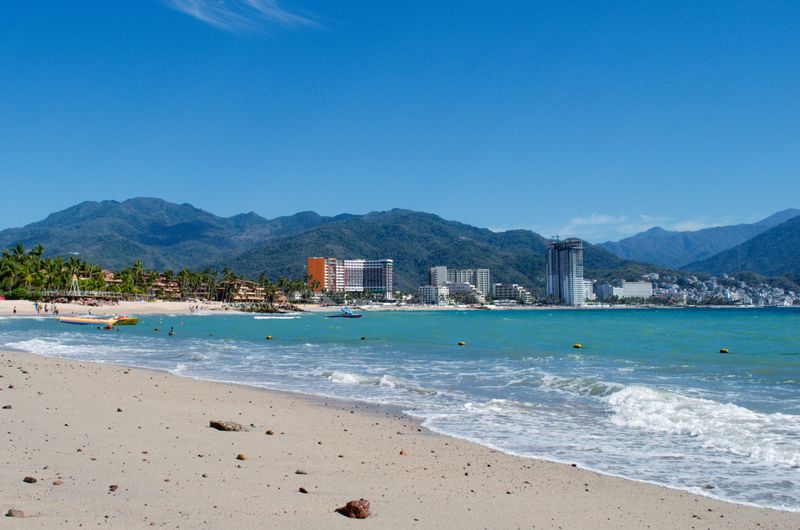
The wet season starts in June and is at its strongest from July to September. Highs are similar to winter, around 31–33 °C, but nights stay at 24–25 °C and humidity makes it feel much hotter. This is low season for foreign visitors, with the exception of the Mexican school holidays in July and early August.
What the rain is actually like
It rarely rains all day. The typical pattern is a clear, steamy morning, clouds building over the Sierra Madre in the afternoon and a heavy thunderstorm in the evening or at night. Plan beaches and boat trips for the morning and you lose surprisingly little. The upside is real: the jungle turns bright green, waterfalls such as the one at Yelapa are running, the sea is at its warmest and you can often have a beach almost to yourself. September is the quietest month, and some restaurants and shops close for a few weeks while their owners take holidays.

Hurricane season: the real risk
The eastern Pacific hurricane season runs officially from 15 May to 30 November, with the highest risk in September and October. Banderas Bay is relatively sheltered and direct hits are rare, but they do happen: Hurricane Kenna in 2002 and Nora in 2021 both caused damage in the area. If you travel in this window, buy travel insurance that covers weather, keep your plans flexible and check the forecasts of the US National Hurricane Center in the days before you fly.
Whales, turtles and festivals: the calendar that decides your dates
For many visitors the deciding factor is not the weather but what is happening in the bay and in town.
Humpback whale season (December to March)
Humpback whales come down from the North Pacific to breed and calve in Banderas Bay. Sightings start in December, peak in January and February and taper off through March. Whale-watching boats leave from the marina and from the Los Muertos pier, and you can also spot them breaching from shore on calm days. If whales are the reason for your trip, aim for late January or February.

Sea turtles (roughly July to December)
Olive ridley turtles nest on the beaches of the bay during the rainy season, and conservation camps release hatchlings from late summer into early winter. It is one of the few wildlife experiences that is better in low season.
Festivals and holidays
- Fiestas de la Virgen de Guadalupe (1–12 December): every evening, processions of dancers, bands and pilgrims walk to the Guadalupe church downtown. It is the city's biggest celebration and free to watch.
- Semana Santa (March or April): the busiest week of the year for Mexican visitors. Book everything early.
- Vallarta Pride (late May): a week of events centred on the Zona Romántica.
- Independence Day (15–16 September): the night of the 15th brings the Grito and fireworks on the Malecón.
- Día de Muertos (1–2 November): altars and decorated streets, an easy add-on to a November trip.
The best time to visit Puerto Vallarta for your kind of trip
- First visit, all-round: November, or late March to April avoiding Easter week.
- Whale watching: late January to February.
- Lowest prices: late August to October, if you accept heat, storms and some closed restaurants.
- Swimming and snorkeling in warm water: June to November, when the sea is warmest.
- Hiking and day trips to the mountains: December to February, when it is coolest and driest.
- Families on school holidays: July is busy but workable; book hotels with air conditioning and pools.
Whatever the month, where you sleep shapes the trip: the Zona Romántica is walkable and lively, the Hotel Zone and Marina are quieter, and Nuevo Vallarta across the state line is all big resorts. If you are combining the city with the surf towns of the Riviera Nayarit, Sayulita is about an hour north, and our list of things to do in Puerto Vallarta is organised by neighborhood to help you plan the days.

Once you have your dates, compare neighborhoods on our Puerto Vallarta stays page, look up places to eat in the restaurant directory and check which boat trips run that month on the Puerto Vallarta tours page.
Frequently Asked Questions
What is the best month to visit Puerto Vallarta?
November is the best all-round month: dry, warm sea, green hills and fewer people than in winter. For whales, February is better. For the lowest prices, September and October.
When is the rainy season in Puerto Vallarta?
From June to October, with most of the rain falling from July to September, usually as evening or night thunderstorms. Mornings are often clear.
Is it safe to visit Puerto Vallarta during hurricane season?
Generally yes. The bay is sheltered and direct hits are rare, but September and October carry the highest risk. Travel with flexible bookings and weather-cover insurance, and follow official forecasts before you go.
When can you see whales in Puerto Vallarta?
From December to March, with the best sightings in January and February, when humpbacks are breeding and calving in Banderas Bay.
auto_awesome Continue exploring Puerto Vallarta
You Might Also Like
 article Exploring calendar_today Oct 13, 2026
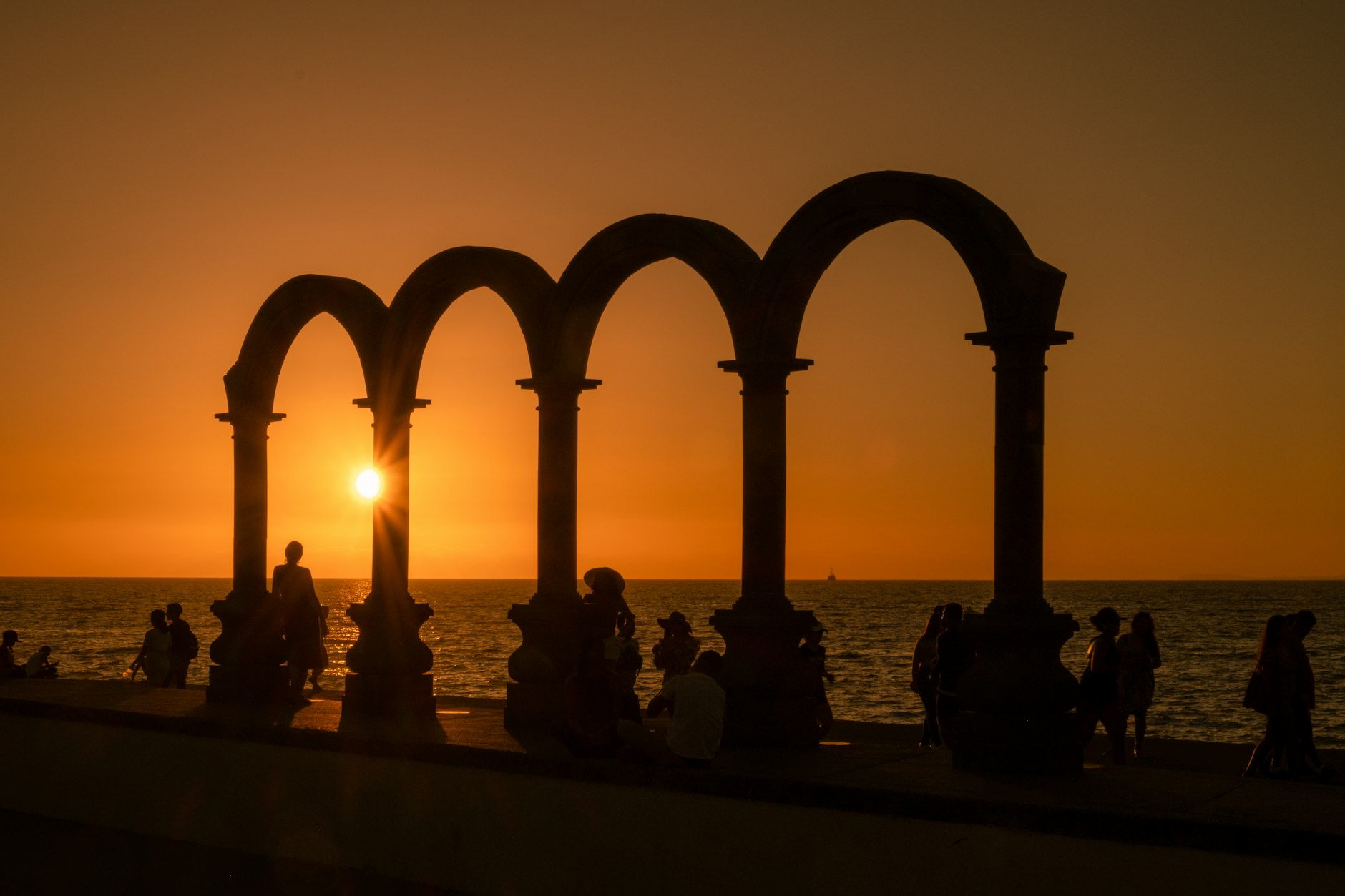
 Puerto Vallarta Malecón Walking Guide: Sculptures, Sunsets & Street Food
A north-to-south walk along the Puerto Vallarta Malecón: which bronze sculptures to look for, where to stand for the sun
 article Exploring calendar_today Oct 12, 2026
 Best Beaches in Puerto Vallarta and Banderas Bay
From Playa Los Muertos in the old town to the boat-only coves of the south shore and the calm sand of Nuevo Vallarta and
 article Adventures calendar_today Oct 11, 2026
 Puerto Vallarta Zipline, ATV & Jungle Tours in the Sierra Madre Compared
A Puerto Vallarta zipline tour is the easiest jungle adventure; ATVs and side-by-sides are muddier and need a driver; ho