
Sport Fishing in Puerto Vallarta: Seasons, Species and How Charters Are Priced
A Puerto Vallarta fishing charter leaves from one of the marinas on Banderas Bay, spends roughly four to six hours fishing inshore or a full day running offshore, and targets sailfish, marlin, tuna, dorado and roosterfish, with the billfish generally at their best in the warm months from early summer into autumn. Every person on board needs a Mexican sport-fishing licence.
| Species | Where | General pattern | Usual practice |
|---|---|---|---|
| Sailfish | Offshore and the outer bay | Present much of the year, strongest in the warm months | Released |
| Marlin (blue, black, striped) | Offshore | Mainly the warm-water season, summer into autumn | Released |
| Yellowfin tuna | Offshore banks and rocks | Year-round, with runs of large fish in some seasons | Often kept within limits |
| Dorado (mahi-mahi) | Offshore, around floating debris | Most common from late summer through winter | Often kept within limits |
| Roosterfish | Inshore, along beaches and rocky points | Mainly spring and summer | Released |
| Snapper, jack, sierra | Inshore reefs and points | Year-round | Kept or released |
Treat the table as a pattern, not a promise. What bites on a given week depends on water temperature and bait, and both shift from year to year. Ask the crew what has been caught in the last few days before you choose between an inshore and an offshore trip.
Species and seasons in Banderas Bay
Banderas Bay is one of the largest bays in Mexico, and deep water comes close to shore at its mouth between Punta Mita and Cabo Corrientes. That is why a short run can put you on pelagic fish that elsewhere would need a long trip.
Billfish: sailfish and marlin
Sailfish are the most common billfish here and the one first-timers are most likely to hook. Marlin are the big prize and mostly an offshore, warm-season fish. Puerto Vallarta has hosted a long-running international sailfish and marlin tournament, usually in November, which says a lot about when local captains expect them.
Tuna and dorado
Yellowfin tuna are the reason boats make the long runs to the offshore rocks and banks. Dorado, also sold as mahi-mahi, gather under floating logs, weed lines and debris, and are the fish most often brought back to cook.
Roosterfish and the inshore mix
The roosterfish, with its tall comb of a dorsal fin, is the signature inshore species of Mexico's Pacific coast. It hunts along sandy beaches and rocky points, which makes it a target for half-day trips. The same water holds snapper, jack crevalle and sierra, so a short trip rarely comes back with nothing.
 sport fishing boat, the tackle used for marlin and tuna on a Puerto Vallarta fishing charter" loading="lazy" width="1260" height="838">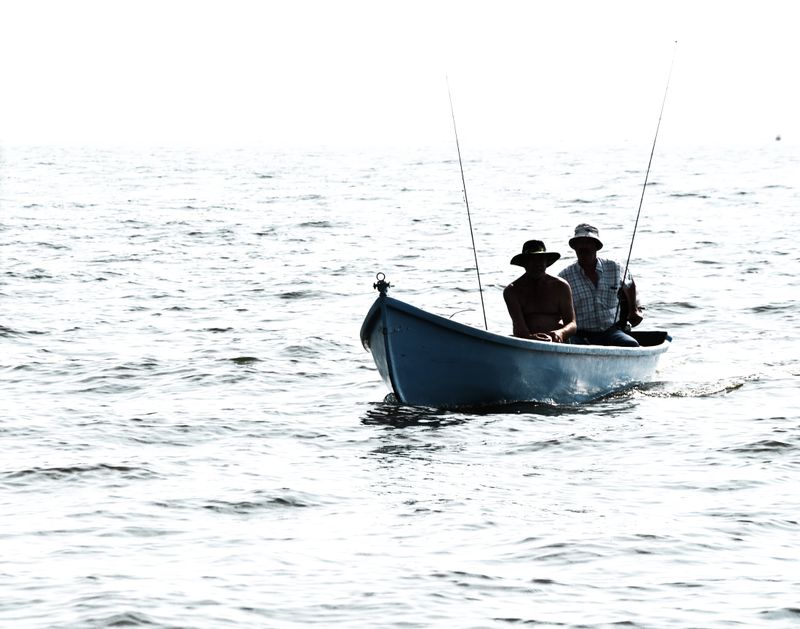
Inshore or offshore: choosing your trip
Charters leave from Marina Vallarta, next to the airport and the cruise terminal, and from the Nayarit side of the bay at Nuevo Vallarta and La Cruz de Huanacaxtle, which are closer to the mouth of the bay and save running time. Most trips start early, around sunrise, because the sea is calmer and the fish feed in the first hours of light.
Inshore: half-day trips in the bay
An inshore trip usually lasts four to six hours and works along the shoreline, the points and the reefs inside the bay, often on a panga, the open fibreglass boat used by local fishermen. It suits families, beginners and anyone prone to seasickness, and it is the best chance at roosterfish. From December to March you may share the bay with humpback whales; boats have to keep their distance, and our Puerto Vallarta whale watching guide explains the rules.
Offshore: the long runs
Offshore trips run eight hours or more and head out past Punta Mita to the open Pacific. The best-known grounds are El Morro, a rocky outcrop beyond the Marietas Islands, and Corbeteña, an isolated rock far out to sea that only makes sense on a full-day trip. This is where the tuna and marlin are, but the sea can be rough and you can spend long stretches trolling without a strike. Book offshore only if the whole group is happy to be on a boat all day.

What sets the price of a fishing charter
Prices change with fuel costs and the season, so instead of quoting a figure that will be out of date, here is what makes one charter cost more than another. Compare quotes on these points, not on the headline number.
- Boat size. A panga for two to four anglers costs far less than a cabin cruiser with a fighting chair, toilet and shade for six or more.
- Hours on the water. Four, six and eight hours are the usual blocks; every extra hour adds crew time and fuel.
- Distance. Fuel is the biggest variable, so an offshore run to the far rocks costs much more than fishing inside the bay.
- Private or shared. A shared boat, where you pay per seat, is the cheapest way to go offshore; a private charter is priced per boat.
- Licences. Some operators include the fishing licence for everyone on board; others add it as an extra.
- Bait, drinks and food. Live bait, ice, water, beer and lunch may or may not be included.
- Departure point. Leaving from the Nayarit marinas means less running to the outer bay; leaving from Marina Vallarta may save you a taxi.
- Crew tip. A tip for the captain and mate is customary and is not part of the quote.

Licences, protected areas and catch-and-release
The Mexican fishing licence
Mexico requires a sport-fishing licence for each person on board a boat that is fishing, not only for the people holding a rod. Licences are issued by CONAPESCA, the national fisheries commission, for periods from a single day to a year. Ask your operator whether they arrange it, and check the current rules and fees on the official site before you go.
Where you cannot fish: the Marietas Islands
The Marietas Islands are a national park and fishing is prohibited inside it. Boats heading for El Morro pass close by, but lines stay out of the water around the islands. If you want to see them, go on a snorkelling or kayak trip instead; our Marietas Islands tour guide covers the permits and the Hidden Beach.
Catch-and-release
Mexican rules set daily catch limits for sport fishing, with tighter limits on billfish, and most crews in Puerto Vallarta release every sailfish and marlin. Releasing well means keeping the fish in the water, removing the hook or cutting the leader close, and reviving it alongside the boat before letting go. Keep what you will eat, within the limit, and ask the crew to fillet it: several restaurants in town will cook your catch.

Planning your day on the water
- Book a day or two ahead and confirm the departure marina, the hours and exactly what is included.
- Take seasickness medication the night before and again in the morning if you are going offshore.
- Bring a hat, a long-sleeved shirt, reef-safe sunscreen and cash for the tip.
- Leave the afternoon free. Boats can come back later than planned if the fish are biting.
Fishing pairs well with the rest of the bay: plan the other days with our list of day trips from Puerto Vallarta, and compare fishing trips and other boat outings on our Puerto Vallarta tours page.
Frequently Asked Questions
What is the best month for fishing in Puerto Vallarta?
There is fishing all year. For marlin and sailfish, the warm months from early summer into autumn are generally best; for roosterfish inshore, spring and summer. Ask the crew what has been biting that week.
Do I need a fishing licence on a charter?
Yes. Mexico requires a sport-fishing licence for each person on board, including those who are not fishing. Many operators arrange it; check whether it is in your quote.
Can I fish at the Marietas Islands?
No. The Marietas Islands are a national park and fishing is prohibited there. Offshore trips to El Morro pass nearby but do not fish inside the park.
Can I keep the fish I catch?
You can keep species such as tuna, dorado and snapper within the daily limits. Billfish and roosterfish are normally released, and many restaurants in town will cook your fillets.
auto_awesome Continue exploring Puerto Vallarta
You Might Also Like
 article Travel Tips calendar_today Oct 14, 2026
 Puerto Vallarta LGBTQ+ Travel Guide: Beaches, Where to Stay & Events
Gay Puerto Vallarta in one guide: the Zona Romántica, the LGBTQ+ end of Los Muertos beach, which neighbourhood to stay i
 article Adventures calendar_today Oct 14, 2026
 Puerto Vallarta with Kids: Family Activities That Actually Work
Calm north-bay beaches, the Malecón at dusk, turtle releases, whales and short boat trips: what works in Puerto Vallarta
 article Exploring calendar_today Oct 13, 2026
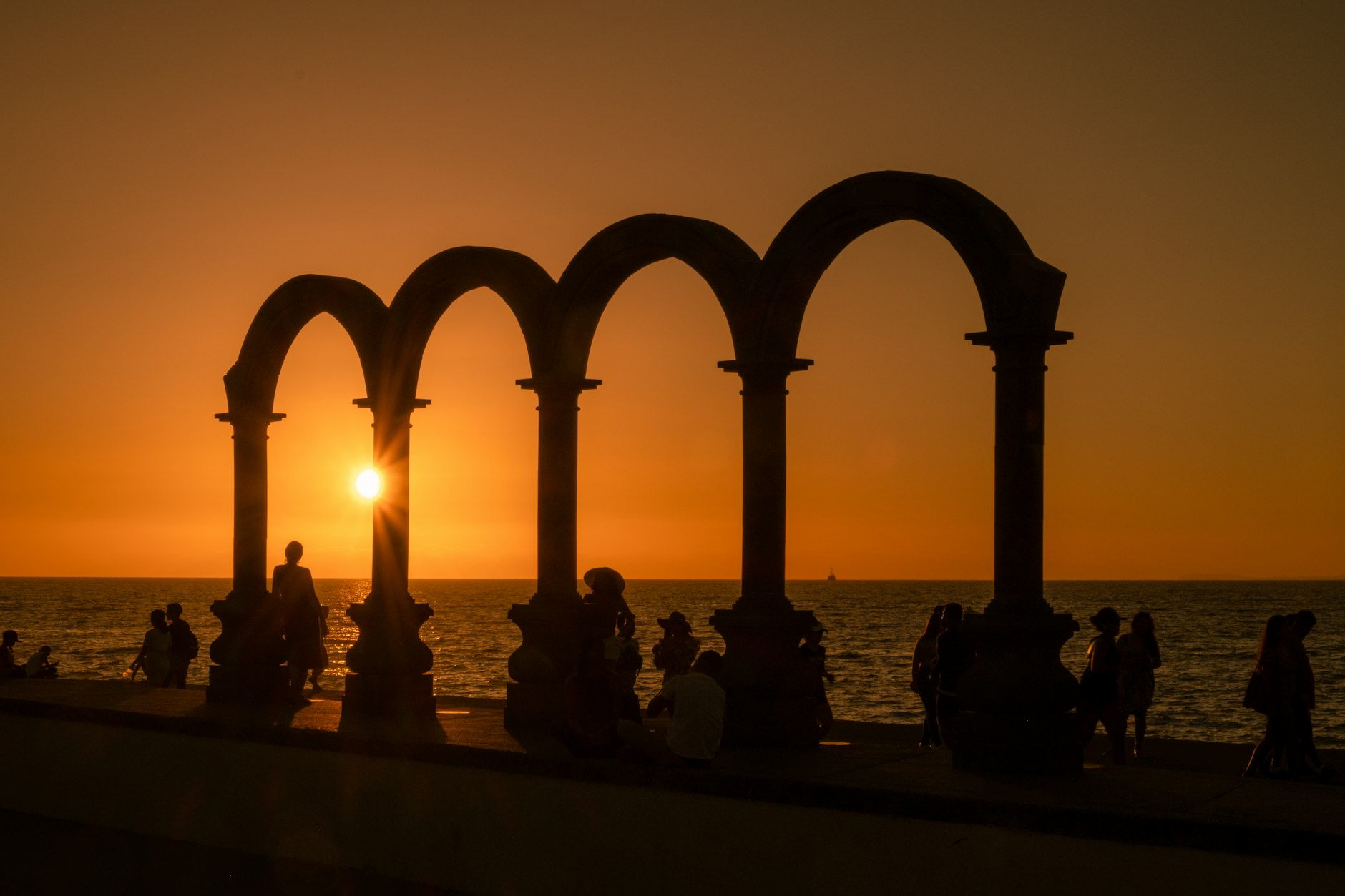
 Puerto Vallarta Malecón Walking Guide: Sculptures, Sunsets & Street Food
A north-to-south walk along the Puerto Vallarta Malecón: which bronze sculptures to look for, where to stand for the sun