
Things to Do in Valle de Bravo: The Complete Guide
The best things to do in Valle de Bravo fall into three groups: the lake (boat rides, sailing, waterskiing), the sky (this is one of the best-known paragliding sites in Mexico) and the forest around the town, with waterfalls, viewpoints and, in winter, the monarch butterflies. Add a cobbled old town with good restaurants and you have enough for a long weekend.
Valle de Bravo is in the State of Mexico, about 140 km west of Mexico City, which usually means two and a half to three hours by car. The town sits at roughly 1,800 m above sea level on the shore of a reservoir created in the 1940s for hydroelectric power, and it was named a Pueblo Mágico in 2005. That altitude matters for planning: days are mild and sunny for most of the year, but nights are cool and in winter they are cold.
| Activity | Time needed | Best season | Good for |
|---|---|---|---|
| Boat ride on the lake | 1–2 hours | All year | Everyone, families |
| Sailing, waterskiing, wakeboarding | Half a day | Dry season, November to May | Active travellers |
| Tandem paragliding flight | Half a day including transport | Mainly the dry months | Adventure seekers |
| Old town, churches and market | Half a day | All year | Culture, food |
| Velo de Novia waterfall and La Peña viewpoint | 2–3 hours each | Waterfall fullest in the rainy season | Easy walks, views |
| Monarch butterflies at Piedra Herrada | Half a day | Roughly November to March | Nature, families |
On the lake: boats, sailing and sunsets
The reservoir is the reason most people come. Its official name is the Presa Miguel Alemán, it is part of the system that supplies water to Mexico City, and everyone simply calls it el lago. The town faces it on its western side, and the municipal pier is a few minutes' walk downhill from the main square.
Boat rides from the pier
The easiest first activity is a shared or private lancha from the pier. Standard routes run along the shore past the holiday homes, out towards the open water and back, usually in about an hour. Agree the route and the price before you get in; in the late afternoon the light on the hills is at its best.
Sailing and water sports
Valle de Bravo has a long sailing tradition and regular regattas, and the steady afternoon winds that make it good for sailing also make it good for waterskiing, wakeboarding and kayaking earlier in the day. Equipment rental and lessons are offered from the pier and from the marinas along the shore. Swimming is less common: the water is cold and boat traffic is heavy in the main bay.

Boat rides, sailing outings and combined lake-and-forest days can be booked in advance on our Valle de Bravo tours page, which is useful on holiday weekends when the pier is busy.
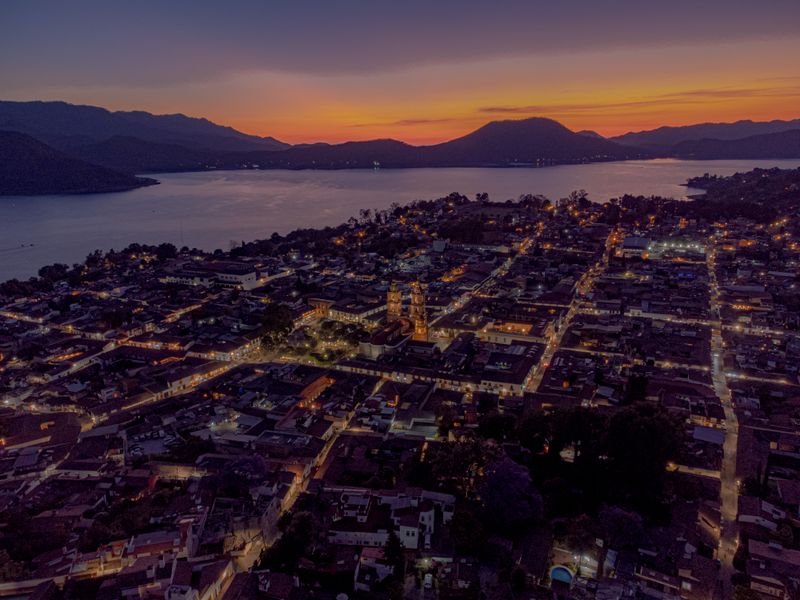
Paragliding: Valle de Bravo from the air
Valle de Bravo is one of Mexico's best-known destinations for paragliding and hang gliding, and it has hosted international competitions. Thermals rise reliably from the hills around the lake, especially in the dry season, and pilots launch from the slopes of Monte Alto, a state park just outside the town.
Flying tandem
You do not need experience: tandem flights with a certified instructor are the most popular way to try it. A typical outing includes the drive up to the launch, a short briefing, the flight itself and the landing in a field near the lake. How long you stay up depends on the thermals that day, so it is worth asking what the operator promises and booking for the late morning or early afternoon, when conditions are usually steadiest. Check that the operator provides a helmet and a reserve parachute, and that weight limits are clear.
If you would rather stay on the ground
The launch area is also a viewpoint. Watching dozens of wings circle over the lake on a clear winter day is a good half-hour even if you never clip in.

The old town: churches, market and trout
The centre of Valle de Bravo is a grid of steep cobbled streets, white walls and red tile roofs, with the Parroquia de San Francisco de Asís on the main square. Spend a morning walking it before the weekend crowds from Mexico City arrive.
What to see
- The main square and the parish church. Its two towers are the landmark you see from the lake.
- Santa María Ahuacatlán. A short walk from the centre, this church is the home of the Cristo Negro, the black Christ that draws pilgrims from across the region.
- The craft market. Look for local pottery, woodwork and textiles from the surrounding Mazahua and Otomí communities.
What to eat
The dish the town is known for is trout, raised in farms in the cold mountain streams nearby and served grilled, with garlic or in a mole. Weekend breakfasts are another tradition here, and cafés and bakeries around the square fill early. Browse the Valle de Bravo restaurant directory to choose before you go.

Forests, waterfalls and the monarch butterflies
The pine and oak forests around the lake are the other half of the trip, and most of the places below are within half an hour of the centre.
Velo de Novia waterfall and Avándaro
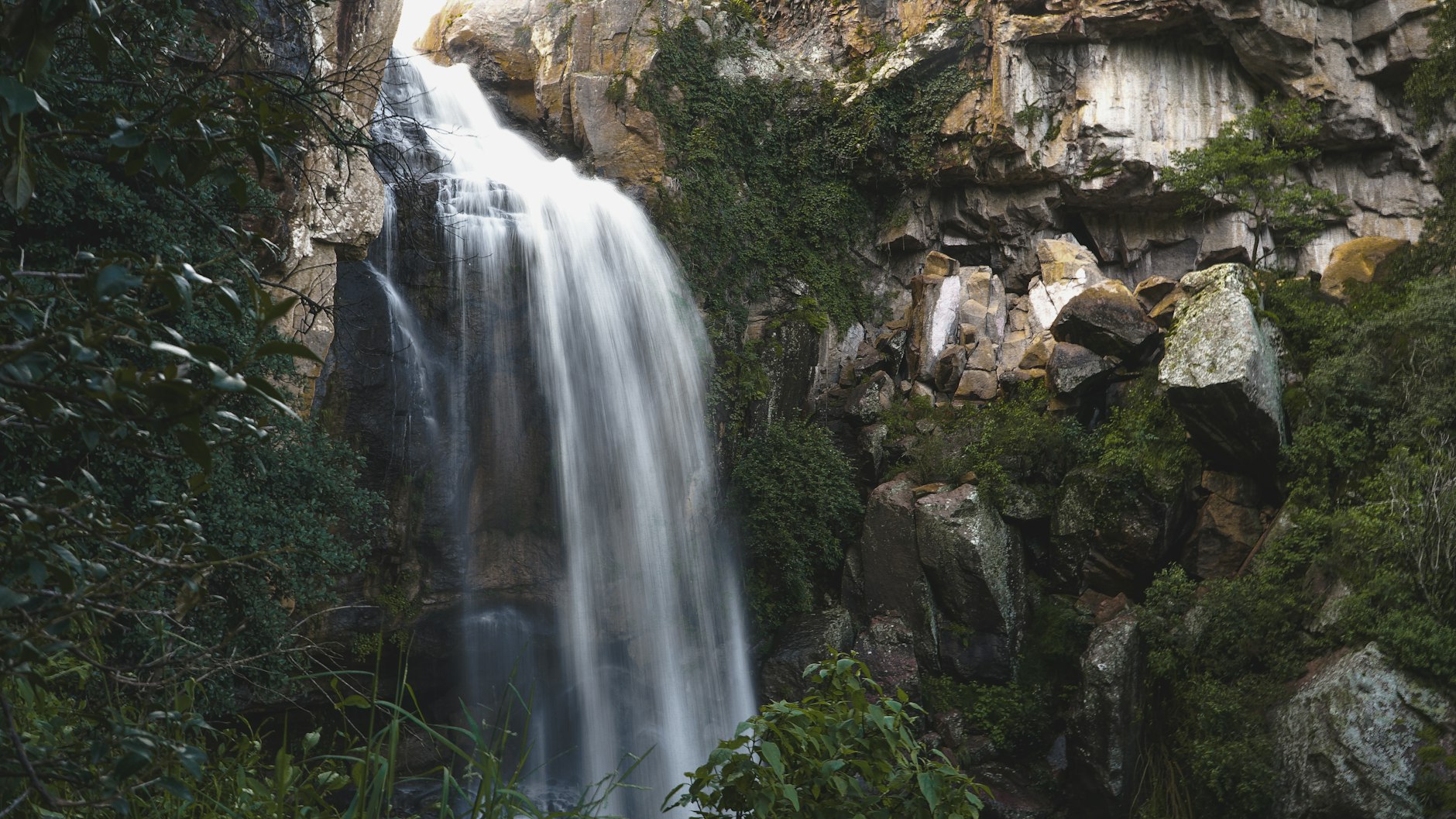
The Velo de Novia (Bridal Veil) waterfall is in the forest of Avándaro, the wooded residential area next to the town, and is reached by a short walk. It is fullest in the rainy season, from about June to September. Avándaro itself is also known for its place in Mexican music history: the Festival Rock y Ruedas de Avándaro was held here in September 1971.
La Peña
La Peña is the large rock outcrop above the town. A short, steep climb leads to the top and the best view in Valle de Bravo over the rooftops and the lake. Go for sunset and take a torch for the way down.
The Great Stupa
In the hills outside town stands the Gran Stupa Bon para la Paz Mundial, a large Tibetan Bon Buddhist monument set in the forest. It is open to visitors; dress modestly, walk around it clockwise and keep your voice down.
Monarch butterflies at Piedra Herrada
From roughly November to March, millions of monarch butterflies that migrate from Canada and the United States spend the winter in the fir forests of central Mexico. The closest sanctuary to Valle de Bravo is Piedra Herrada, about 30–40 minutes by road, where a trail (or a horse) takes you up to the colonies. The best weeks are usually December to February, and sunny middays are when the butterflies take flight. The wider area is protected as the Monarch Butterfly Biosphere Reserve, a UNESCO World Heritage site.

Planning your trip to Valle de Bravo
- When to go: the dry season, November to May, has the clearest skies and the best flying; winter adds the butterflies but cold nights. The rains, roughly June to September, usually fall as afternoon storms.
- Weekdays vs weekends: Valle de Bravo is a weekend escape for Mexico City, so Friday to Sunday and long weekends are busy and pricier. Midweek is much calmer.
- Events: the Festival Internacional de las Almas, with concerts and theatre, takes place around the Day of the Dead in late October and early November.
- Getting around: the centre is walkable but steep. For Avándaro, Monte Alto or Piedra Herrada you need a car, a taxi or a tour.
- Pack: layers and a warm jacket for the evenings, sun protection for the day.
For where to sleep, from hotels in the old town to cabins in the forest, compare options on our Valle de Bravo stays page.
Frequently Asked Questions
How many days do you need in Valle de Bravo?
Two days cover the lake, the old town and one viewpoint or waterfall. Three days let you add a paragliding flight and, in winter, the monarch butterflies at Piedra Herrada without rushing.
How far is Valle de Bravo from Mexico City?
About 140 km, which usually takes two and a half to three hours by car depending on traffic leaving the city. There are also direct buses from Mexico City.
When can you see the monarch butterflies near Valle de Bravo?
Roughly from November to March, with the best weeks usually from December to February. Go on a sunny day around midday, when the butterflies are most active.
Can you swim in the lake at Valle de Bravo?
Some people do, but it is not a swimming lake: the water is cold and the main bay has a lot of boat traffic. Most visitors enjoy it from a boat, a sailboat or a kayak instead.
auto_awesome Continue exploring Valle de Bravo
You Might Also Like
 article Adventures calendar_today Oct 13, 2026
 Velo de Novia Waterfall and Other Hikes in Valle de Bravo
How to visit the Velo de Novia waterfall in Avándaro, when it carries the most water, and four more walks around Valle d
 article Exploring calendar_today Oct 12, 2026
 Tlalpujahua and the Christmas Sphere Fair: A Holiday Day Trip from Valle de Bravo
Tlalpujahua, a former gold-mining town in Michoacán, makes tens of millions of glass Christmas spheres a year and sells
 article Travel Tips calendar_today Oct 11, 2026
 Where to Stay in Valle de Bravo: Centro, Avándaro or on the Lake
Valle de Bravo has four kinds of base: the walkable Centro, the wooded Avándaro area, houses and hotels on the lakeshore