
Fishing in Holbox: Tarpon, Offshore Trips and Seasons

Holbox fishing is above all light-tackle fishing in shallow water: the island sits inside the Yum Balam protected area, between the Gulf of Mexico and the Yalahau lagoon, and the fish most anglers come for is the tarpon, which feeds in the lagoon channels and along the mangroves. Snook, barracuda and jacks share the same water, and further out, over rocky bottom in the Gulf, boats fish for snapper and grouper. Every person on board needs a Mexican sport-fishing licence.
| Species | Where | General pattern | Usual practice |
|---|---|---|---|
| Tarpon (sábalo) | Lagoon channels, mangrove edges, open water off the north shore | Smaller fish much of the year; larger fish mainly in the warm months | Released |
| Snook (robalo) | Mangrove edges, river-like channels, points | Present much of the year, best in calm, clear water | Usually released |
| Barracuda | Flats edges, channels and reefs | Year-round | Usually released |
| Jacks | Channels and open water | Year-round | Released |
| Snapper and grouper | Rocky bottom offshore in the Gulf | Year-round, with closed seasons for some species | Kept within limits, outside closed seasons |
| King mackerel and Spanish mackerel | Open water, trolling | In runs that vary from year to year | Often kept within limits |
Read the table as a pattern, not a promise. Water temperature, wind and bait decide what is feeding on a given week, and the captain who has been out the day before knows more than any calendar. Ask what has been caught recently before you choose between the lagoon and the open sea.
Tarpon in the Yalahau lagoon
The Atlantic tarpon, Megalops atlanticus, can grow to more than two metres and is famous for jumping clear of the water once it is hooked. It also breathes air: tarpon rise to the surface and "roll" to gulp a breath, which is how guides spot them in the morning calm. Young tarpon grow up in mangrove lagoons, and the shallow, sheltered Yalahau lagoon between Holbox and the mainland is exactly that kind of water.
How a tarpon trip works
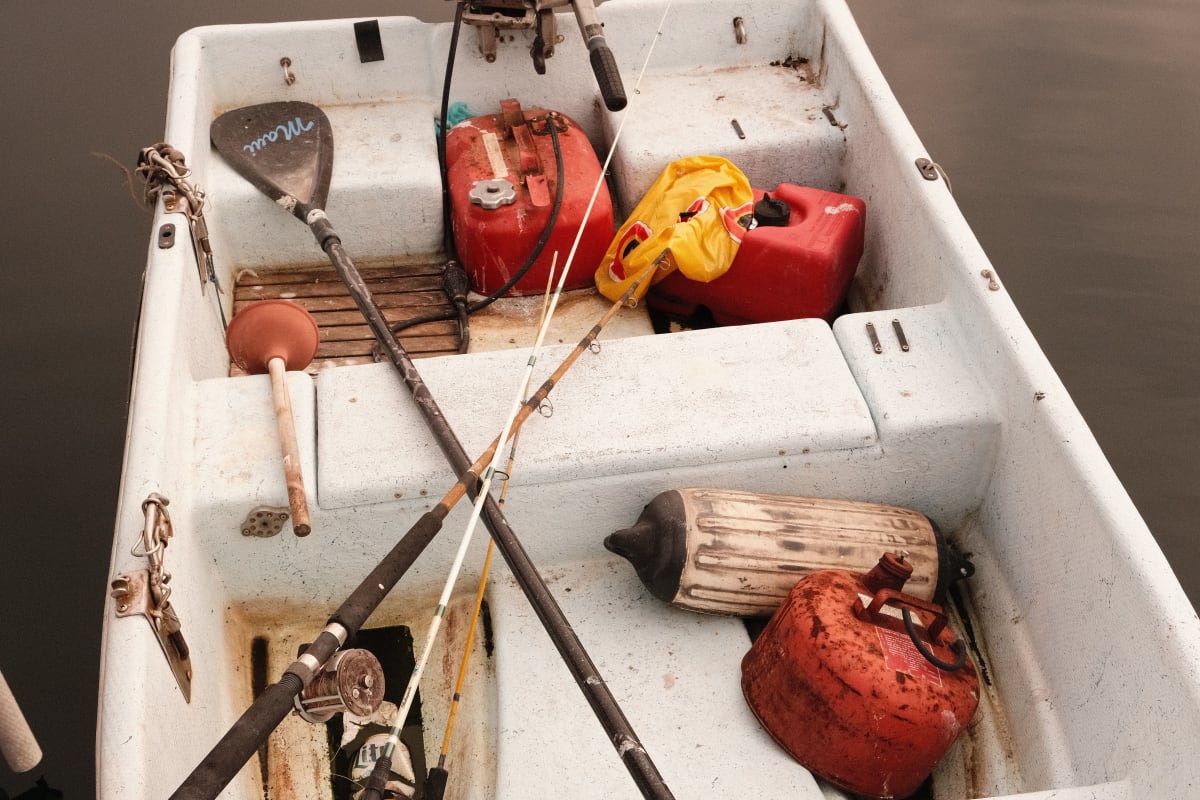
Most tarpon trips leave from the island early, on a panga, the open fibreglass boat local fishermen use, and last around half a day. The guide runs to the channels and mangrove edges, then cuts the engine and works the boat quietly while everyone watches for rolling fish. Casting is short and quick, the strike is violent and the first jumps decide most fights: a large share of hooked tarpon throw the hook, and that is part of the game. The fish is not eaten, so it is photographed in the water and released.
Fly or spinning tackle
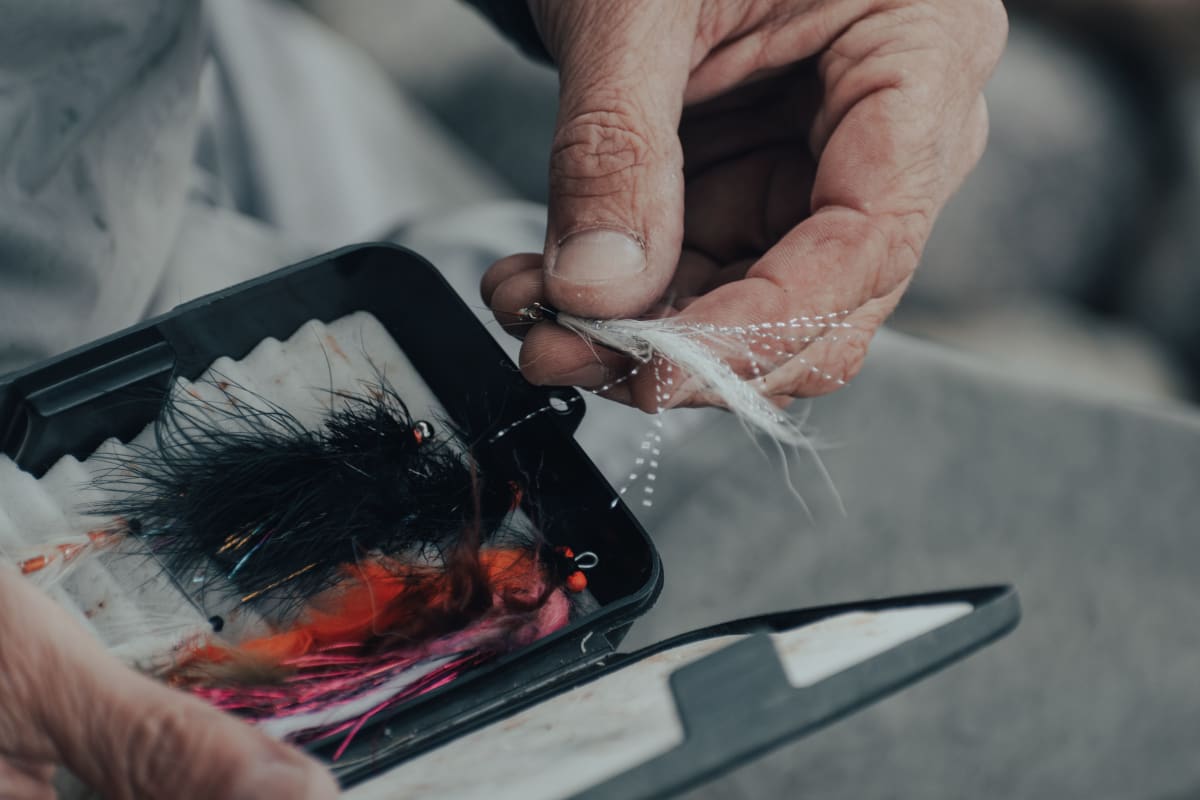
Holbox draws fly anglers, who use streamer flies on stout rods, but you do not need to fly-fish. Spinning rods with soft plastics or small plugs catch tarpon and snook too, and they are easier for beginners and children. Tell the operator in advance what you want to use so the right gear is on board.
Offshore trips: what "deep-sea" means in Holbox
The Gulf of Mexico north of Holbox is shallow, and the seabed slopes away slowly. That means a "deep-sea" charter here is usually a long run to rocky bottom and reefs rather than a short hop to blue water. To the east, Cabo Catoche, at the north-eastern tip of the island and of the whole Yucatán Peninsula, marks where the Gulf meets the Caribbean, and conditions there change fast.
Bottom fishing for snapper and grouper
This is the most reliable way to bring dinner home. The boat anchors or drifts over rocky patches and everyone drops baited lines to the bottom. Snapper and grouper are the main targets, and both are good to eat. Some grouper species have an annual closed season in the region, so ask the crew what can be kept on the date of your trip.
Trolling for barracuda and mackerel
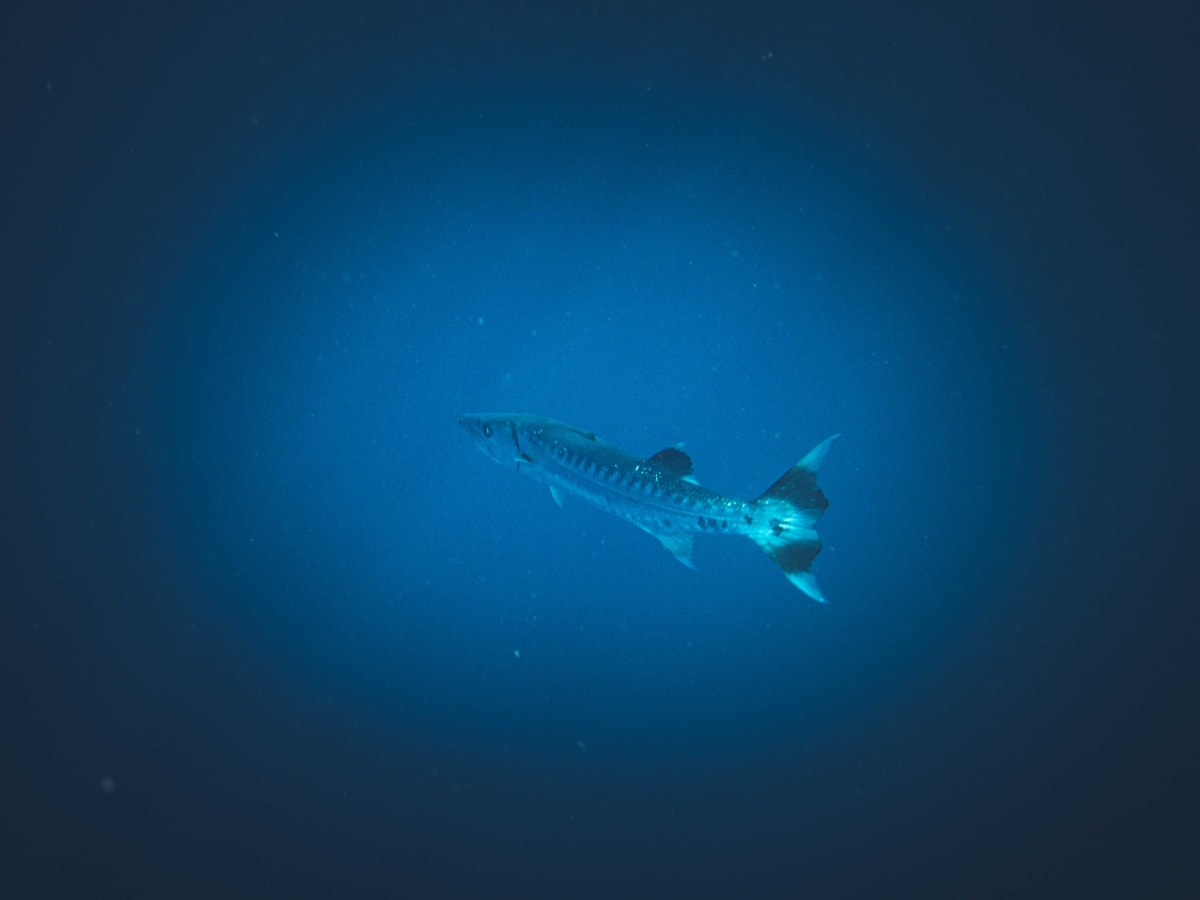
On the way out and back, crews often troll lures for barracuda, king mackerel and Spanish mackerel. Many people in the region avoid eating large barracuda because of the risk of ciguatera, a toxin that builds up in reef predators, so they are usually released. If big billfish are your goal, the deeper water off Cancún and Isla Mujeres is a better fit than Holbox.
Seasons and weather
Fishing goes on all year, but the weather decides whether boats go out. From roughly November to February, cold fronts known as nortes bring a few days of strong wind each month, rough seas offshore and murky water in the lagoon. The calm, hot months are the classic time for tarpon, and they overlap with the whale shark season, which usually runs from late May or June into September. Summer and early autumn are also hurricane season, and the port authority closes the sea to small boats when a storm is near. Our guide to the best time to visit Holbox covers the weather month by month.
Within any season, tides and light matter more than the date. Guides like early mornings with little wind, when rolling tarpon are easy to see and the lagoon is flat.
Licences, Yum Balam and catch-and-release
The Mexican fishing licence
Mexico requires a sport-fishing licence for each person on board a boat that is fishing, not only for the people holding a rod. Licences are issued by CONAPESCA, the national fisheries commission, for periods from a single day to a year. Ask your operator whether they arrange it, and check the current rules and fees on the official site before you go.
Fishing inside a protected area
Holbox and the Yalahau lagoon lie within the Yum Balam Flora and Fauna Protection Area, created in 1994. Activities there follow the area's management rules, some zones are off limits, and mangroves are protected by federal law: no cutting, no tying boats to the roots, no trampling. Local guides know where fishing is allowed, which is one more reason not to head out on your own.
Catch-and-release
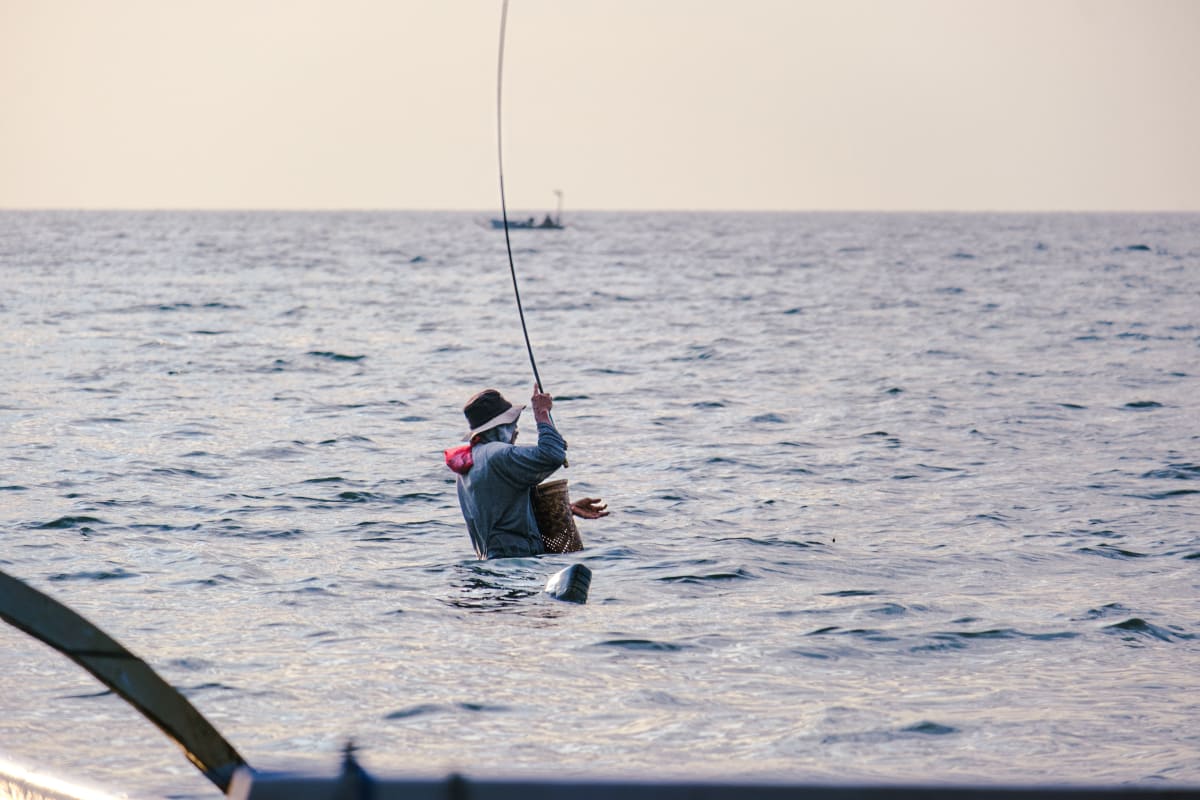
Tarpon, snook and jacks are released as a matter of course. Releasing well means keeping the fish in the water, removing the hook quickly or cutting the leader close, and holding it upright until it swims off. Keep only what you will eat, within the limit, and many restaurants on the island will cook your fillets.
Planning your fishing day
- Confirm what is included: hours on the water, licences, tackle, bait, water and lunch.
- Bring cash for the tip and for extras; card payment on the island is not guaranteed, as our guide to money in Holbox explains.
- Pack polarised sunglasses, a hat, a long-sleeved shirt and reef-safe sunscreen. Polarised lenses let you see fish under the surface.
- Leave the afternoon free in case the boat comes back late.
A tarpon morning combines well with the lagoon's other trips: the Holbox three islands tour crosses the same water to Isla Pájaros and the Yalahau spring. Compare fishing trips and other boat outings on our Holbox tours page.
Frequently Asked Questions
What is the best time for tarpon fishing in Holbox?
The calm, warm months are generally best, roughly late spring through summer. Smaller tarpon are in the lagoon much of the year, but winter cold fronts can stop boats going out.
Do I need a fishing licence in Holbox?
Yes. Mexico requires a sport-fishing licence for each person on board, including those who are not fishing. Many operators arrange it; check whether it is in your quote.
Can I go deep-sea fishing from Holbox?
Yes, but the Gulf around Holbox is shallow, so offshore trips mostly mean bottom fishing for snapper and grouper and trolling for barracuda and mackerel. For marlin and sailfish, Cancún and Isla Mujeres are better bases.
Can I keep the fish I catch?
Snapper, grouper and mackerel can be kept within daily limits and outside closed seasons. Tarpon, snook and barracuda are normally released.
Continue exploring Holbox
You Might Also Like
 ExploringNov 16, 2026
How Many Days in Holbox? Day Trip vs 2 Nights vs a Week
Three nights is the right answer for most people asking how many days in Holbox: enough for a boat tour, a sandbar walk
 ExploringOct 28, 2026
Holbox vs Bacalar: Island Sandbars or Lagoon of Seven Colors?
Holbox vs Bacalar: choose Holbox for a car-free sand island with whale sharks, flamingos and sea sunsets; choose Bacalar
 ExploringOct 26, 2026
10-Day Riviera Maya & Holbox Itinerary
A 10-day Riviera Maya and Holbox itinerary that runs in one line from Cancún airport: Playa del Carmen, three nights in