
Holbox Three Islands Tour: Isla Pájaros, Isla Pasión & Yalahau
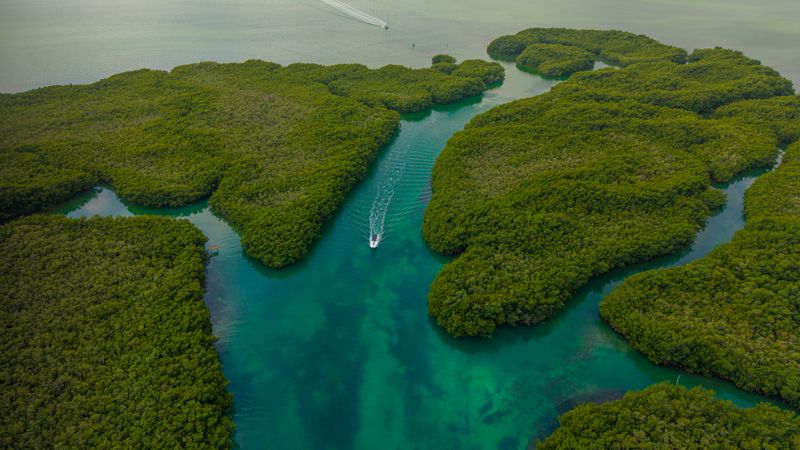
The Holbox three islands tour is a half-day boat trip across the Yalahau lagoon, the shallow body of water between Holbox and the mainland. It makes three stops: Isla Pájaros, a protected bird island you view from walkways and towers; the Ojo de Agua freshwater spring on the mainland shore at Yalahau; and Isla Pasión, a small island with a shallow beach. It runs all year, needs no swimming skills beyond a dip, and is the easiest way to see the mangroves of the Yum Balam protected area, which covers Holbox and the lagoon.
| Stop | What it is | What you do | Typical time there |
|---|---|---|---|
| Isla Pájaros | Bird island in the lagoon | Watch birds from walkways and towers | 30–45 minutes |
| Ojo de Agua (Yalahau) | Freshwater spring on the mainland shore | Swim in cool water from a wooden pier | 30–45 minutes |
| Isla Pasión | Small island with a shallow beach | Swim, wade and walk the sand | 30–60 minutes |
Times on each stop vary with the boat, the group and the tide, so treat the table as a guide. The rest of this post goes stop by stop and covers what decides whether the trip is good or just fine: the time of day, the wind and what you bring.
How the three islands tour works
Boats leave from the village beach in Holbox and head south-west into the lagoon. The whole circuit usually takes three to four hours, including the crossings between stops. The boats are small open launches with a shade canopy, a captain and usually a guide who explains the birds and the mangroves.
Shared or private boat
You can join a shared boat with other travellers or hire one for your group. A shared boat is the simple option if you are on your own or a couple. A private boat lets you choose the start time, which matters more than it seems: the light is softer, the birds more active and the heat lower early in the morning and late in the afternoon. A private boat also lets you stay longer at the stop you like most.
Tides and wind
The lagoon is shallow, and in places the boats run over water barely deep enough for the propeller. Captains plan the route around the tide, so the order of the stops can change. In the windier months, mainly winter, cold fronts known as nortes can make the lagoon choppy and boats may not go out at all. If your dates are flexible, do the tour early in your stay so you have a spare day if it is cancelled.

Isla Pájaros: the bird island
Isla Pájaros (Bird Island) is a small mangrove island where seabirds and wading birds roost and nest. Visitors do not walk on the island itself: you stay on a wooden walkway and observation towers built so that people can watch without disturbing the colonies. This is the stop that justifies the trip for anyone interested in wildlife.
What you can see
The species and numbers change through the year, but the regulars include magnificent frigatebirds, brown pelicans, cormorants, several kinds of heron and egret, and roseate spoonbills. Flamingos are sometimes seen in the lagoon, though not reliably, and no guide can promise them. Binoculars make a large difference here, because the walkway keeps you at a distance from the birds; a phone camera will show little more than shapes.

Rules on the walkways
- Stay on the walkway and do not climb down to the shore or the mangroves.
- Keep your voice down and do not throw food or call to the birds.
- No drones. Flying a drone over a nesting colony stresses the birds, and the area is protected.

Yalahau: the Ojo de Agua spring
The second stop crosses to the mainland side of the lagoon, to a freshwater spring at Yalahau, known locally as Ojo de Agua. A wooden pier leads out over the mangroves to the pool, and you climb down a ladder into clear water that is noticeably cooler than the sea around Holbox. The spring is part of the same underground water system that feeds the cenotes of the Yucatán Peninsula, rising here at the edge of the lagoon.
Swimming in the spring
The water is calm, so this is the stop most children and non-swimmers enjoy. Bring a towel and a dry bag for your phone. If you use sunscreen, choose a biodegradable one and put it on well before the tour, not on the pier: chemical sunscreen leaves a film on still fresh water and harms the life in it. Some tours also stop at a nearby lookout or walk a short way along the shore; ask your guide what is included.

Isla Pasión: the beach stop
Isla Pasión is a small island in the lagoon with a pale sand beach and very shallow water around it. It is usually the last stop, a chance to swim, wade and stretch your legs before the boat heads back to the village. There is little or no shade and no services you can count on, so bring water.
What to do there
Wade out over the sandy bottom, look for small fish and rays in the shallows and watch the wading birds along the edge. It is a short, relaxed stop, and on a calm day the water is clear enough to see the bottom from the boat. Take any rubbish back with you: the island has no bins and the tide carries litter into the mangroves.
Tips for the Holbox three islands tour
When to go
The tour runs all year. The calmest water is usually outside the windy winter months, while summer brings heat, afternoon storms and, from roughly June to August, the whale shark season. Bird numbers vary through the year; ask the guide what is nesting when you visit. Morning departures give the best light and the most active birds.
What to bring
- Hat, sunglasses and a long-sleeved shirt: the walkways and Isla Pasión have little shade.
- Insect repellent for the mangrove stops, especially in the rainy months; keep it off the skin you put in the water.
- Binoculars for Isla Pájaros, water shoes for the beach stop, a towel and a dry bag.
- Cash: Holbox has few ATMs, and not every business on the island takes cards.
Combine it with other trips
The three islands tour is short, so it fits on the same day as the walk to the Punta Mosquito sandbar or the sunset at Punta Cocos; see our list of things to do in Holbox. In summer, plan it for a different day from the whale shark tour, which takes most of a day at sea. You can compare lagoon trips and other boat tours on our Holbox tours page.
Frequently Asked Questions
How long is the Holbox three islands tour?
Usually three to four hours, including the boat crossings and the time at Isla Pájaros, the Yalahau spring and Isla Pasión. The order and length of each stop depend on the tide and the group.
Can you walk on Isla Pájaros?
No. The island is a protected nesting site, so visitors stay on the wooden walkway and observation towers. Bring binoculars, because the birds are watched from a distance.
Is the water at the Yalahau spring fresh?
Yes. Ojo de Agua is a freshwater spring on the mainland shore of the lagoon, and the water is clearer and cooler than the sea around Holbox. Use only biodegradable sunscreen, applied well before you swim.
Is the three islands tour good for children?
Generally yes: the boat rides are short, the spring is calm and Isla Pasión has very shallow water. Bring shade and water, since the stops are exposed to the sun.
auto_awesome Continue exploring Holbox
You Might Also Like
 article Exploring calendar_today Oct 12, 2026
 Is Holbox Worth It? Honest Pros, Cons and Who Should Skip It
Holbox is worth it if you want a slow, car-free island with whale sharks, flamingos and calm shallow water, and can give
 article Exploring calendar_today Oct 10, 2026
 Best Time to Visit Holbox: Sargassum, Whale Sharks & Rain by Month
The best time to visit Holbox is December to April for dry weather and wind, or June to August for whale sharks. Here is
 article Travel Tips calendar_today Oct 9, 2026
 Where to Stay in Holbox: Downtown, Beachfront or Punta Cocos
Where to stay in Holbox depends on what you want from the island: the village for restaurants and the ferry, the beachfr