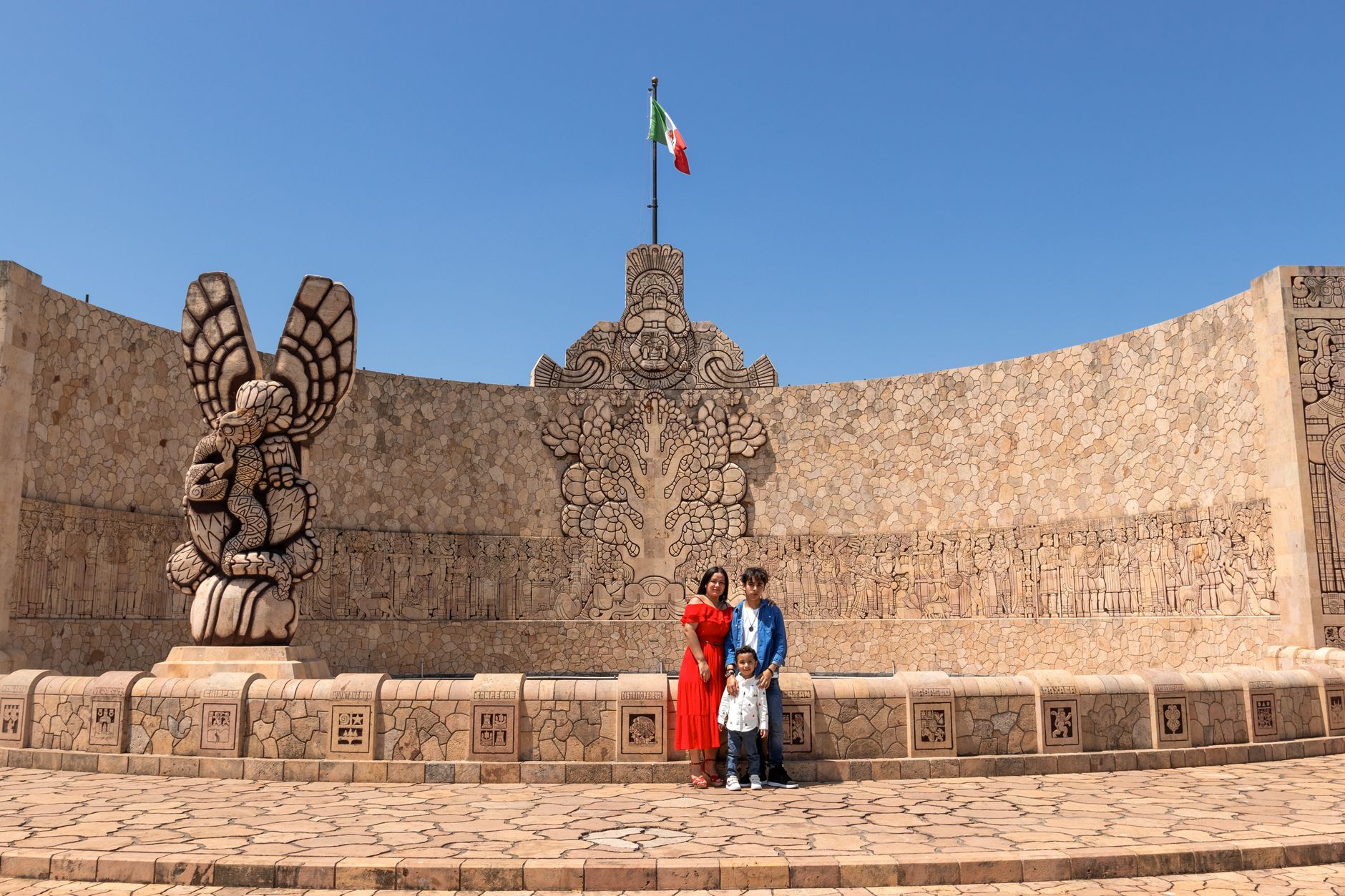
Learn Spanish in Mérida: How to Choose a Spanish School
Choosing a Spanish school in Mérida starts with a simpler question: how do you learn best, and how long are you staying? The city has every format, from small-group immersion schools in the historic centre to private tutors, university courses for foreigners and homestays with Yucatecan families. Each one suits a different kind of learner. This guide compares the five main options and gives you a checklist to judge any school before you pay, whatever its name.
| Option | Typical format | Best for | Watch out for |
|---|---|---|---|
| Group immersion school | Small classes, often 15–25 hours a week, weekly start dates | Beginners and visitors on a 1–8 week stay | Mixed levels in the same class |
| Private tutor | One-to-one, paid by the hour, at home, a café or online | Busy schedules, specific goals, shy speakers | Quality varies; no structure unless you ask for one |
| University course | Semester or summer terms with a fixed calendar | Long stays, academic credit, exam preparation | Fixed start dates and more paperwork |
| Homestay | A room with a local family, usually with meals | Speaking practice every day | Less privacy; the family is not a teacher |
| Online classes plus local practice | Lessons with a remote teacher, practice in the city | Remote workers and long-term residents | Easy to stay in an English-speaking bubble |
We do not rank individual schools here: we cannot test every classroom, and a school that suits a retired couple may not suit a student on a gap year. What we can do is explain how each format works in Mérida and which questions separate a good course from a disappointing one. You will find the schools and teachers listed in the city on our language schools in Mérida directory page.
Why learn Spanish in Mérida
Mérida is a working city of around a million people, not a resort, so Spanish is the language of the markets, buses, banks and government offices. That matters: in many beach towns on the Caribbean coast, staff switch to English the moment you hesitate, while in Mérida you will have plenty of everyday conversations in Spanish. The historic centre is compact and walkable, there are free cultural events every week, and the cost of living is lower than in Mexico City or the Riviera Maya.
Standard Mexican Spanish with a local flavour
The Spanish spoken in Mérida is Mexican Spanish, the variety most textbooks and apps aimed at North Americans are built around, so what you learn in class works anywhere in the country. Yucatán adds its own layer: an accent you will soon recognise and everyday words borrowed from Maya, such as xix (leftovers) or pib (the earth oven used for cochinita and mucbipollo). A good teacher will point these out rather than leave you confused at the market.
A chance to hear Yucatec Maya
Yucatec Maya is the second most widely spoken Indigenous language in Mexico, and you will hear it in markets and in the towns around Mérida. A Spanish course will not teach it by default, but if you are curious, ask whether a teacher offers an introductory session.
Five ways to study Spanish in Mérida, compared
1. Group immersion schools
This is the classic format: a placement test on the first morning, then small classes of students at your level, usually in the morning, with afternoons free. Many schools take new students every Monday, so you can join for one week or several months. The main advantages are structure, classmates to practise with and, often, extra activities such as cooking classes, conversation sessions or excursions. Ask about the maximum class size and what happens if you are the only student at your level: some schools then switch you to private lessons, others put you in the nearest group.
2. Private tutors
One-to-one lessons move at your pace and can focus on exactly what you need: conversation for a long stay, vocabulary for buying a house, grammar for an exam. Tutors in Mérida work at home, in cafés, in your accommodation or online. The trade-off is consistency: a tutor's quality depends entirely on the person. Ask for a trial lesson, check whether they use a course book or a clear plan, and agree in writing on the hourly rate and the cancellation policy.
3. University programmes
Universities in Mexico, including those in Yucatán, run Spanish courses for foreigners on a semester or summer calendar. These suit people who want academic credit, a recognised certificate or a long, structured course. Expect fixed start dates, enrolment deadlines and more documents to submit. Check the current calendar directly with the institution, as programmes and dates change from year to year.
4. Homestays
Living with a Mérida family is the fastest way to make Spanish part of every day: breakfast conversations, family meals, local news. Schools often arrange homestays, and they usually include a private room and some meals. Remember that your hosts are not your teachers; you will learn the most if you combine a homestay with structured classes. Ask where the house is: a homestay in the north of the city can mean a long bus ride to a school in the centre. Our guide to where to stay in Mérida explains the neighbourhoods.
5. Online classes plus local practice
Many long-term residents and remote workers take lessons online with a teacher anywhere and use Mérida as their practice ground: ordering at the market, chatting with neighbours, joining the weekly Mérida en Domingo in the Plaza Grande. It is flexible and cheap, but it takes discipline. Without a classroom, it is easy to spend months in English-speaking circles and learn little.

How to choose a Spanish school in Mérida: a checklist
Whatever the format, these questions separate a solid course from an expensive disappointment. Ask them by email before you book and compare the answers.
- Placement test: is there a written and spoken test on day one, and can you change class if the level is wrong?
- Class size: what is the maximum number of students per group? Fewer than about six gives everyone time to speak.
- Levels: does the school describe its levels with the Common European Framework (CEFR), from A1 to C2? That makes it easier to measure progress and to continue somewhere else.
- Hours: how many contact hours per week, and are they 60-minute or 50-minute hours?
- Teachers: are they trained to teach Spanish as a foreign language, or simply native speakers?
- The full price: registration fee, materials, placement test, certificate and activities. Ask for a written quote.
- Refunds and changes: what happens if you leave early, fall ill or want to switch from group to private lessons?
- Accreditation claims: if a school mentions an official recognition or an exam centre status, ask which body grants it and check with that body.
- A trial class: many teachers and schools will let you sit in on a lesson. It is the best test of all.
How long you need
Be realistic about time. A week of classes is enough to handle greetings, numbers, shopping and directions. Moving from beginner to comfortable everyday conversation (around B1 on the CEFR scale) usually takes several hundred hours of study and practice, so months rather than weeks. If you have one or two weeks, aim for survival Spanish and lots of speaking; if you are staying for a season, plan a course with a clear level goal.

Planning your study stay: dates, paperwork and budget
When to go. November to February is the most comfortable time for walking to class, while April and May are very hot. Our guide to the best time to visit Mérida breaks it down month by month. Schools run all year, and the quieter summer months can mean smaller classes.
Paperwork. Many nationalities, including citizens of the US, Canada, the UK and the EU, can enter Mexico without a visa as visitors, and the immigration officer decides how many days you are given, up to 180. A short language course is normally taken during a visitor stay; for a long academic programme, ask the institution and a Mexican consulate whether you need a student visa. Rules change, so always check the current requirements before you travel.
Budget. Your course is only part of the cost: add accommodation, food and transport. Our breakdown of what a trip to Mérida costs helps you estimate the rest. Long-stay rentals and homestays are usually cheaper per night than hotels, but book early for January to March, when many winter visitors arrive.
Frequently Asked Questions
Is Mérida a good place to learn Spanish?
Yes. Spanish is the everyday language of the city, the Mexican Spanish you learn there works across the country, the centre is walkable and the cost of living is moderate. It suits both short courses and long stays.
How many hours a week should I study?
For a short stay, intensive courses of around 15–25 class hours a week give fast progress while leaving time to explore. For a long stay, fewer hours over more months often works better, with daily practice in between.
Do I need to speak some Spanish before I arrive?
No. Schools and tutors in Mérida take complete beginners. Learning greetings, numbers and basic phrases before you travel will still make your first days much easier.
Is a homestay better than renting my own place?
For speaking practice, usually yes: you will use Spanish at every meal. If you value privacy or are staying for months, renting your own place and joining group classes or conversation meetups can work just as well.
auto_awesome Continue exploring Mérida
You Might Also Like
 article Travel Tips calendar_today Oct 15, 2026
 Moving to Mérida: Expat Neighborhoods, Residency and Living Costs
A practical guide to moving to Mérida: which neighborhoods suit long stays, how Mexican temporary and permanent residenc
 article Exploring calendar_today Oct 14, 2026
 Yucatán Haciendas: Which Henequen Haciendas to Visit (and Stay In)
The henequen haciendas around Mérida made Yucatán rich and then fell silent. Here is their story, which ones you can vis
 article Exploring calendar_today Oct 13, 2026
 Beaches Near Mérida: Progreso, Sisal, Chelem & Telchac
The beaches near Mérida are on the Gulf of Mexico, not the Caribbean: shallow, calm and greener. Here is how Progreso, C