
Moving to Mérida: Expat Neighborhoods, Residency and Living Costs
Moving to Mérida starts with three decisions: which part of the city fits the way you want to live, which immigration status you will hold, and how your budget copes with a hot climate that runs on air conditioning. This guide covers all three. It is general information, not legal or financial advice: residency rules and requirements change, so confirm every step with a Mexican consulate or the immigration institute before you commit.
Mérida is the capital of Yucatán state, a city of close to a million people in its wider metropolitan area, about 35 km inland from the Gulf coast at Progreso. For years it has drawn retirees, remote workers and families from the United States, Canada and Europe, and plenty of Mexicans from other states. The reasons are consistent: a walkable colonial center, a strong local culture, good private hospitals, an international airport and a reputation as one of the calmer cities in Mexico.
Why people choose Mérida, and what they find hard
The draw is everyday life rather than a beach. There are free cultural events every week in the plazas, markets in every old neighborhood, cenotes and Maya sites within an hour or two, and the coast is close enough for weekends. Big supermarkets, malls and medical specialists in the north of the city mean you rarely need to travel for errands or treatment.
The hard part is the heat. April and May regularly bring afternoon highs near 40 °C, and from June to October the humidity and afternoon storms take over. People who move here usually plan their days around early mornings and evenings, and treat air conditioning and a pool as necessities rather than luxuries. Spend at least part of the hot season here before you decide; our guide to Mérida's seasons explains what each month is like. On safety, read our article on whether Mérida is safe and check the current official advisories rather than relying on reputation.
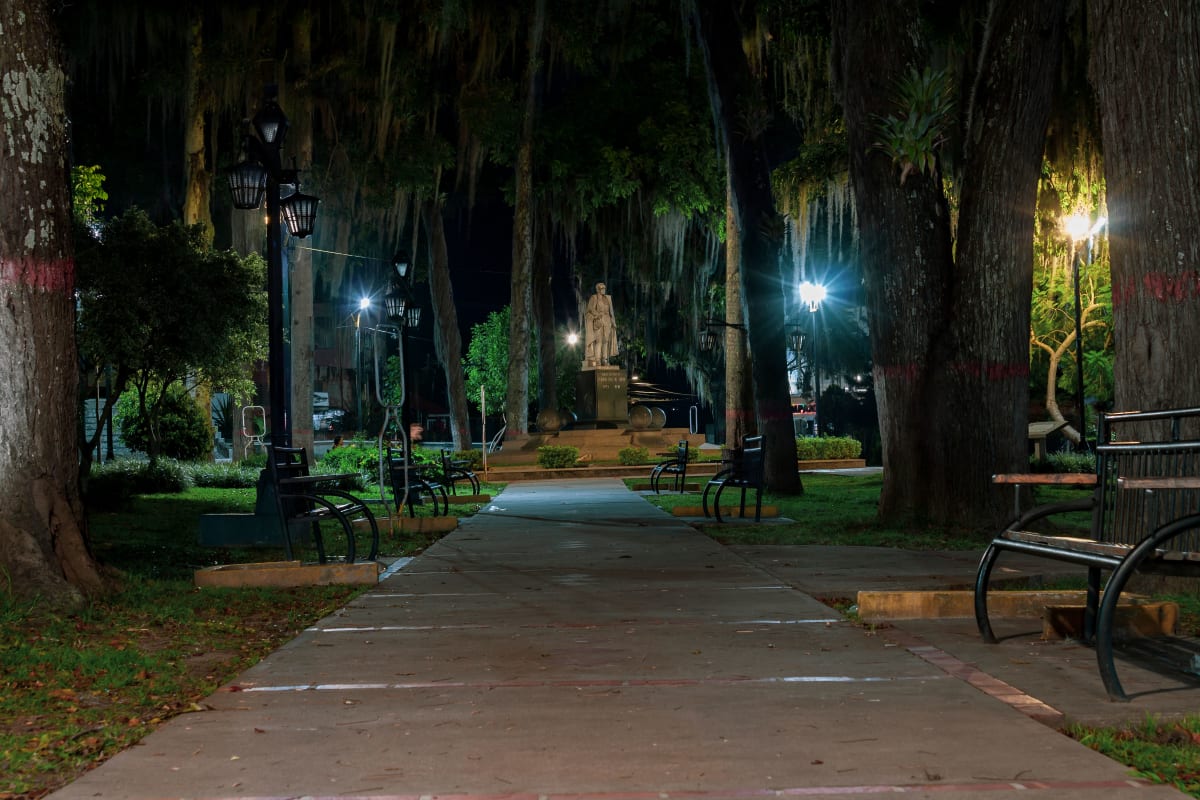
Expat neighborhoods in Mérida
Where you settle shapes daily life more than anything else: whether you walk or drive, how much noise you live with, and what kind of house you rent or buy. The areas below are the ones newcomers look at most. For a visitor's view of the same neighborhoods, see our guide on where to stay in Mérida.
| Area | Housing | Getting around | Suits |
|---|---|---|---|
| Centro: Santa Ana, Santiago, Santa Lucía, La Mejorada | Restored colonial houses, often with a courtyard pool | On foot, taxis, ride-hailing | People who want to live without a car |
| Paseo de Montejo and García Ginerés | Older mansions, mid-century houses, apartments | Walking for some errands, car useful | A quieter base close to the center |
| Itzimná and the near north | Established family homes, tree-lined streets | Car or taxi | Families, long-term renters |
| Far north: Altabrisa, Temozón Norte and beyond | New houses, condos, gated developments | Car needed | Modern comforts, schools, malls, hospitals |
| Coast: Progreso, Chelem, Chicxulub Puerto | Beach houses and condos | Car needed for the city | Sea breeze; some live there only part of the year |
The historic center
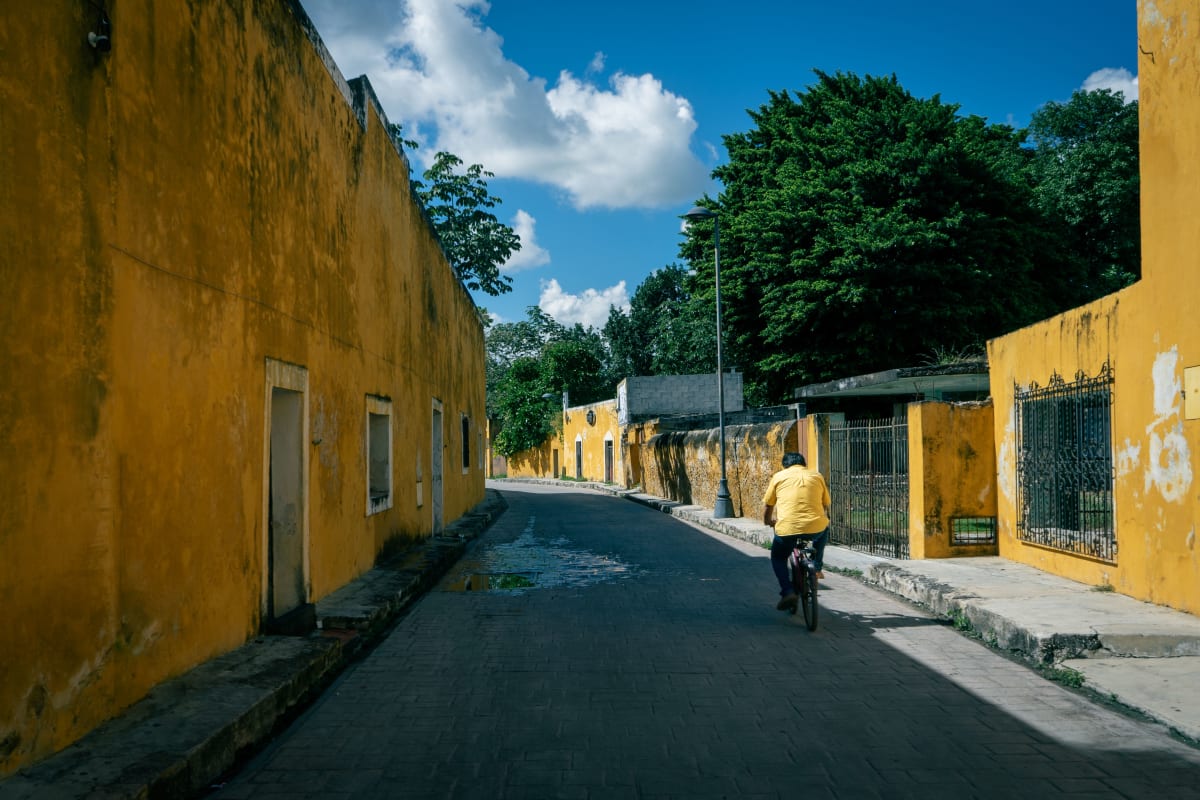
Most foreigners who moved to Mérida in the past twenty years bought or rented in the Centro, especially in Santiago and Santa Ana, and around Santa Lucía and La Mejorada. The typical home is a long, narrow colonial townhouse with high ceilings, cement-tile floors and a back garden. Life is walkable: markets, parks, cafés and weekly events are a few blocks away. The trade-offs are street noise, church bells, little parking and older houses that need constant maintenance against humidity.
Paseo de Montejo, García Ginerés and Itzimná
Around the boulevard of Paseo de Montejo, and in the residential districts of García Ginerés to the west and Itzimná to the north, streets are quieter and greener, houses are often larger and there is room for a car. You are still a short taxi ride from the center, which makes this a common compromise for couples and families.
The north and the coast
North Mérida, around Altabrisa and Temozón Norte and out towards the neighboring municipalities, is where most new construction is: gated developments, condos, international schools, large malls and several private hospitals. It feels like a modern suburb and you will need a car. On the coast, Progreso, Chelem and Chicxulub Puerto are about half an hour from the city; many residents of Mérida spend July and August there, and some newcomers live there year-round.
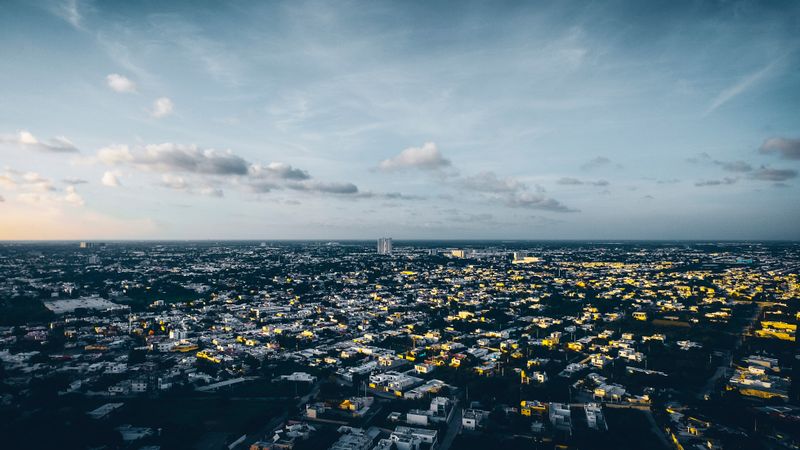
Residency in Mexico: how it works
Immigration is handled by Mexico's National Institute of Migration (INM), with residence visas issued by the consulates of the Ministry of Foreign Affairs (SRE). The broad structure below has been stable for years, but the details, documents and amounts are not, so treat this as an orientation and not a checklist.
Visitor status is not residency
Entering as a visitor does not allow you to work for a Mexican employer, and the number of days you get is decided by the immigration officer on arrival, up to a maximum of 180, not by you. In most cases it cannot be converted into residency from inside Mexico: you have to leave and apply through a consulate.
Temporary and permanent residency
- Temporary residency is for people who plan to live in Mexico for more than 180 days and up to four years. It is usually granted for one year first and then renewed. After four years as a temporary resident you can generally apply to become a permanent resident.
- Permanent residency has no expiry date. Some people qualify for it directly, notably retirees who meet a higher financial requirement and people with close family ties to Mexican citizens or residents.
- The usual route is to apply for a residence visa at a Mexican consulate outside Mexico, enter Mexico with it, and then complete the process at an INM office within 30 days of arrival to receive your residence card.
Financial solvency and where to check
For residency based on your own means, you show either a regular income, such as a pension or salary, or savings and investments over a set period. The thresholds are set by the authorities and change regularly, and consulates have some latitude in how they apply them and which documents they accept. Check the current figures on the website of the consulate where you will apply, not on forums or old blog posts, and book the appointment well ahead.
Getting help
Many people handle the process themselves; others use an immigration lawyer or a facilitator for the renewal and the INM stage, where paperwork is in Spanish. If you hire help, choose someone with verifiable credentials, ask for a written quote and keep copies of everything. Our directory lists lawyers and notaries in Mérida as a starting point.
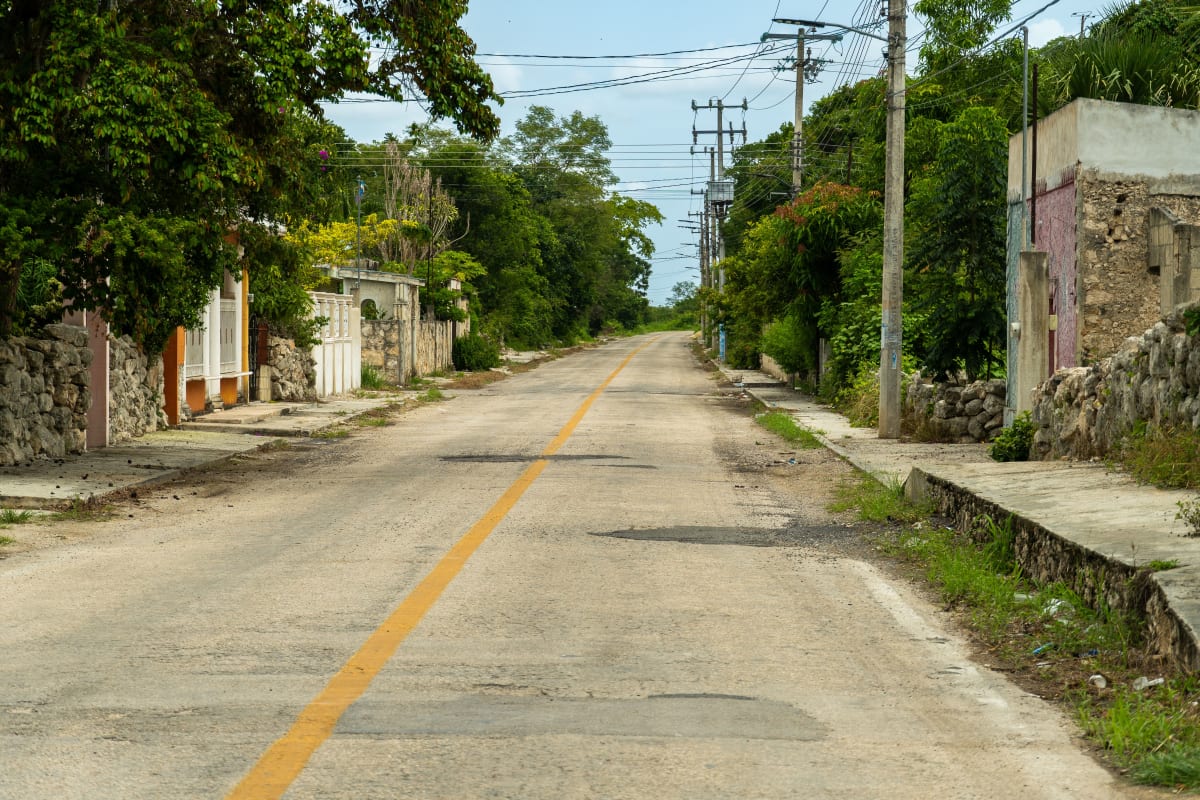
Living costs: what actually moves the budget
Any single monthly figure for living in Mérida would mislead you, because two people in the same city can spend completely different amounts. What changes the total is a handful of decisions. For prices from a visitor's point of view, see how much a trip to Mérida costs.
- Housing. Rent depends on the neighborhood, the size, a pool and whether it is furnished. Restored houses in the most popular parts of the Centro and new developments in the north cost the most. Rents for furnished places are often higher in winter, when seasonal residents arrive.
- Electricity. Air conditioning is the biggest variable cost. The national utility, CFE, bills households in tiers, and homes that consume heavily for months can be moved to a high-consumption rate without the usual subsidy. Ask to see recent bills before you sign a lease.
- Healthcare. Private hospitals and specialists are available in the north of the city. Most foreign residents use private insurance, and some residents enroll in the public system. Compare policies that cover you in Mexico, including pre-existing conditions.
- Transport. Living in the Centro without a car is possible; living in the north or on the coast without one is hard. A car brings purchase or import costs, insurance and maintenance.
Buying a house in Mérida
Foreigners can buy property in Mexico, but the process differs from what most buyers know. Every sale is formalized before a notario público, a lawyer appointed by the state who verifies title and taxes and registers the deed. Mexico's Constitution restricts direct foreign ownership of land within 50 km of the coast and 100 km of the borders; in that zone foreigners hold property through a bank trust, the fideicomiso, or through a Mexican company. Coastal towns such as Progreso fall inside it. For any property in or around Mérida, ask the notario to confirm how title can be held. Most people who move here rent for at least a year before buying.
Frequently Asked Questions
Do I need residency to live in Mérida?
To live in Mexico for more than the days granted as a visitor, yes. Most people apply for temporary or permanent residency through a Mexican consulate in their home country, then finish the process at an INM office in Mexico.
What are the best neighborhoods for expats in Mérida?
Santiago, Santa Ana and the rest of the Centro suit people who want to walk everywhere; García Ginerés and Itzimná are quieter with more space; the north around Altabrisa suits families who drive and want modern housing.
How much money do I need to move to Mérida?
It depends on housing, air conditioning, healthcare and whether you need a car. For residency, the financial requirements are set by the authorities and updated regularly; check the current figures with the consulate where you will apply.
auto_awesome Continue exploring Mérida
You Might Also Like
 article Travel Tips calendar_today Oct 16, 2026
 Learn Spanish in Mérida: How to Choose a Spanish School
Group immersion schools, private tutors, university courses, homestays or online classes with local practice: how each w
 article Exploring calendar_today Oct 14, 2026
 Yucatán Haciendas: Which Henequen Haciendas to Visit (and Stay In)
The henequen haciendas around Mérida made Yucatán rich and then fell silent. Here is their story, which ones you can vis
 article Exploring calendar_today Oct 13, 2026
 Beaches Near Mérida: Progreso, Sisal, Chelem & Telchac
The beaches near Mérida are on the Gulf of Mexico, not the Caribbean: shallow, calm and greener. Here is how Progreso, C