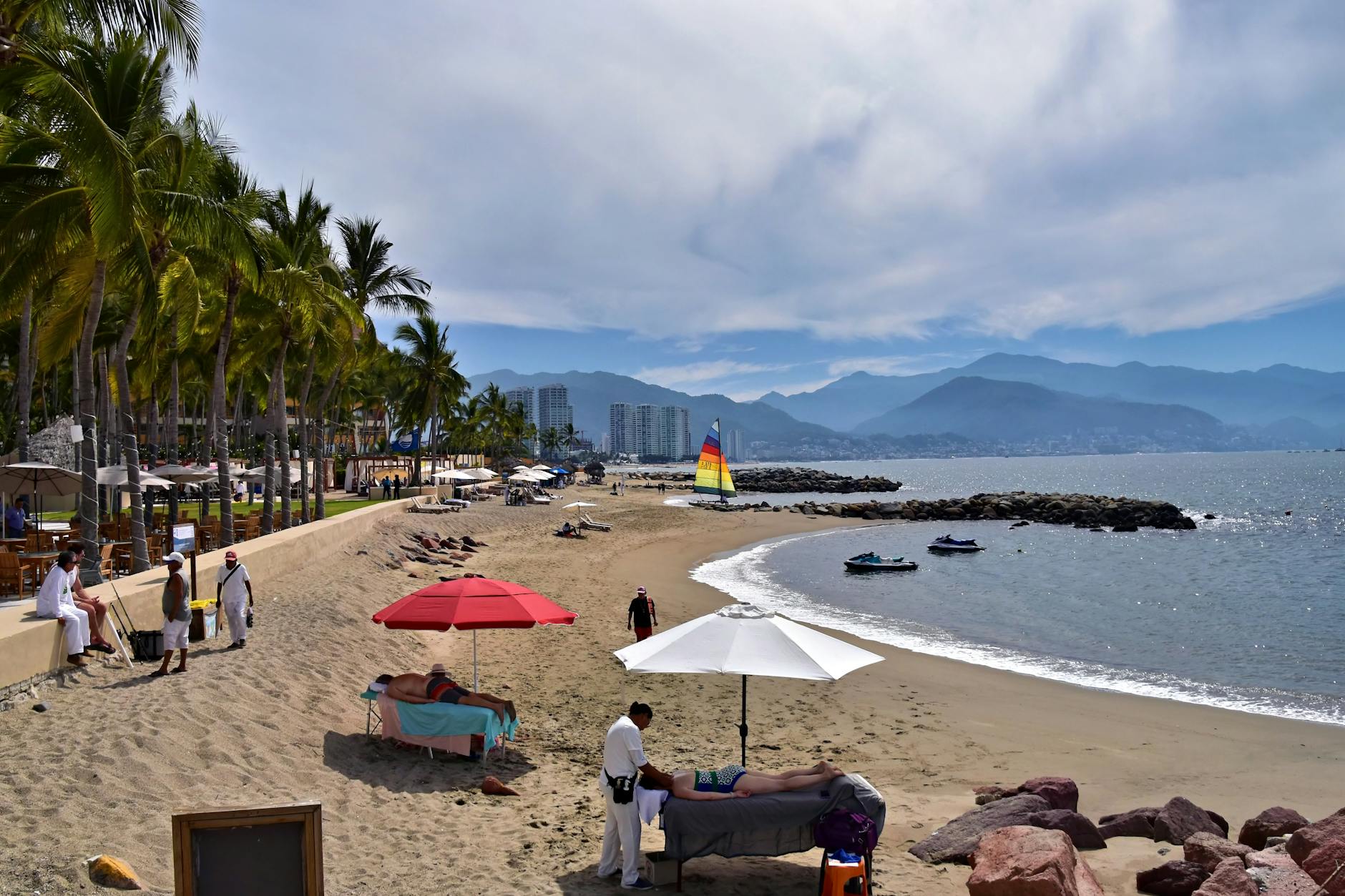
Is Puerto Vallarta Safe in 2026? An Honest Neighborhood-Level Answer
Is Puerto Vallarta safe? For most visitors, yes: the tourist areas are busy, well-lit and used to visitors day and night, and the vast majority of trips are trouble-free, but the city is in Jalisco, a state covered by a US travel advisory, so check the current level before you go and take the same care you would in any city. In practice, the problems visitors actually run into are more often the ocean, the sun, the water and a few scams than violent crime.
| Situation | What can go wrong | What to do |
|---|---|---|
| Arriving at the airport | Timeshare sellers posing as transport or information desks | Walk past the arrivals hall stands; prebook a transfer or use the official taxi booth |
| Taxis and apps | Overcharging, since street taxis have no meter | Agree the fare before you get in, or use a ride-hailing app |
| Beaches | Strong waves and currents, no lifeguard on many beaches | Read the flags, swim where others swim, never swim drunk or alone |
| Water and food | Upset stomach | Drink bottled or filtered water; eat where food turns over fast |
| Nights out | Pickpocketing, drink spiking, getting lost on dark hill streets | Watch your drink, carry little cash, take a taxi up the hills |
| Money | Card skimming, bad conversion rates | Use ATMs inside banks or malls; pay in pesos |
Puerto Vallarta stretches about 25 km around Banderas Bay, and the northern part of the bay, from Nuevo Vallarta to Punta de Mita, is in a different state, Nayarit. That split matters for the advisories.
What the travel advisories actually say
The US State Department publishes a Mexico travel advisory that rates each Mexican state separately on a scale from Level 1 (exercise normal precautions) to Level 4 (do not travel). Mexico as a whole does not get one number, and neither does a single city. Levels are reviewed and change over time, so we do not quote one here: open the official page before you book and again before you fly.
Jalisco and Nayarit are rated separately
Puerto Vallarta, the Hotel Zone, Marina Vallarta and the south shore are in Jalisco. Nuevo Vallarta, Bucerías, Sayulita and Punta de Mita are in Nayarit. If you are staying on the Nayarit side or doing a day trip to Sayulita, read both entries. Canada, the UK and other governments publish their own advice, and they do not always agree with the US wording, which is a good reason to read more than one.
How to read an advisory
Read the text, not just the level. Organized crime is present in Jalisco, as in much of Mexico, and it is the main reason the state carries a warning. That violence mostly happens away from the tourist areas and is not aimed at visitors, but road blockades or incidents can disrupt travel and occasionally affect bystanders.

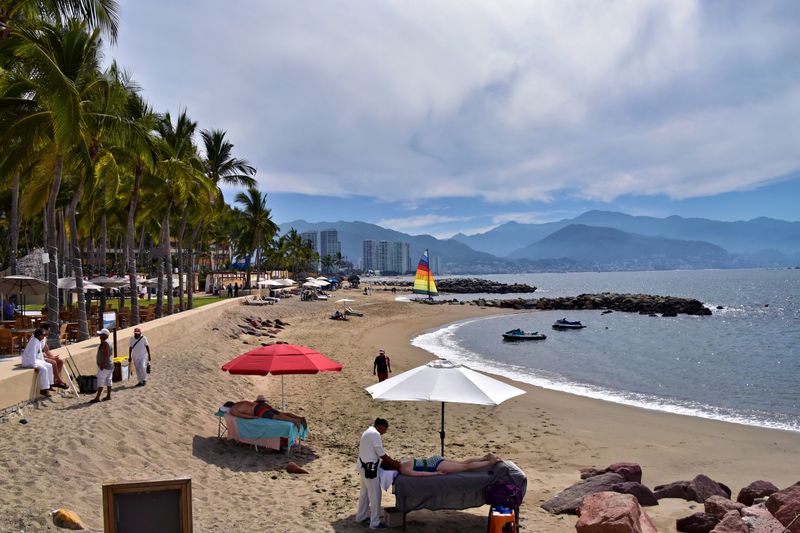
Puerto Vallarta safety, neighborhood by neighborhood
None of the areas visitors normally stay in is one we would tell you to avoid. The differences are practical: how busy the streets are at night, how far you walk, and how much you depend on taxis. For a full comparison of the areas for sleeping, see our guide to where to stay in Puerto Vallarta.
Zona Romántica and Centro
The old town on both sides of the Río Cuale is the busiest part of the city after dark, with restaurants, bars and the Malecón full of people well into the night. Busy streets are an advantage, but they are also where pickpockets work: keep phones out of back pockets and bags closed in crowds. The flat streets near the beach are easy at night; the steep, dimmer lanes that climb into Amapas and the hills above Centro are better done by taxi after a late dinner.
Hotel Zone and Marina Vallarta
These are mostly large hotels, condo towers and malls along a main avenue. They are calm, but spread out: walking between them at night means long stretches beside fast traffic, so most people take a taxi or an app ride. The marina boardwalk is pleasant in the evening. The lagoons and estuaries around the marina are home to crocodiles, so keep to the paths and keep children and dogs away from the water's edge.
Nuevo Vallarta and Bucerías
Nuevo Vallarta is a resort strip where most guests rarely leave the hotel at night, and the main risk is the open ocean in front of it (more on that below). Bucerías is a small town with a lively strip of restaurants on the weekends. Both are in Nayarit, so check that state's advisory entry too.
The south shore and the hills
South of town, the road to Mismaloya runs above quiet coves, and beaches such as Las Ánimas and Yelapa are reached by boat. Go in daylight, tell someone where you are going if you hike the jungle trails, and arrange your return boat before the last departures of the afternoon.
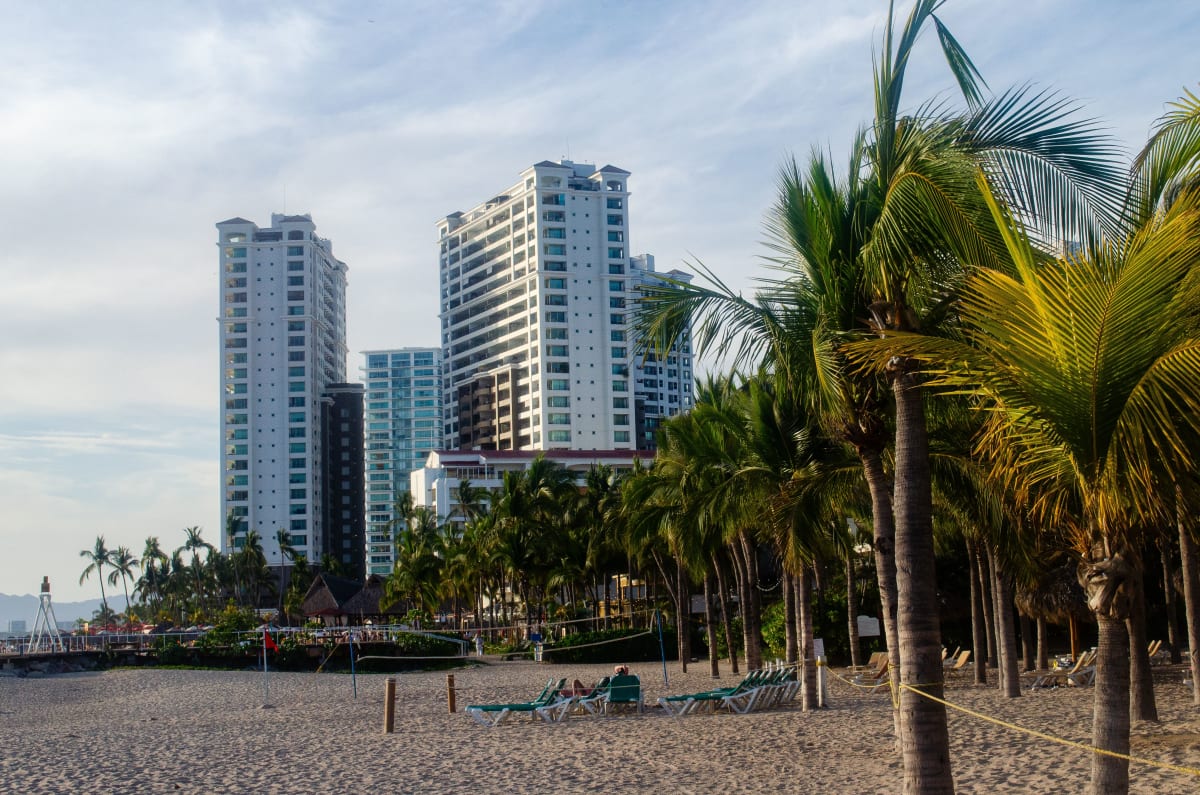
Getting around safely: taxis, apps and buses
Street taxis in Puerto Vallarta do not use meters: fares are set by zone, so ask the price before you get in and have small notes ready. Ride-hailing apps work in the city and give you a fixed price and a record of the trip. At the airport, the arrivals hall is where timeshare sellers wait, often presenting themselves as transport or tourist information; walk straight through to the exit. Rules for app pickups at the airport have changed more than once, so if you want certainty, book a private transfer in advance or use the official taxi booth inside the terminal.
Ocean safety: the risk most visitors underestimate
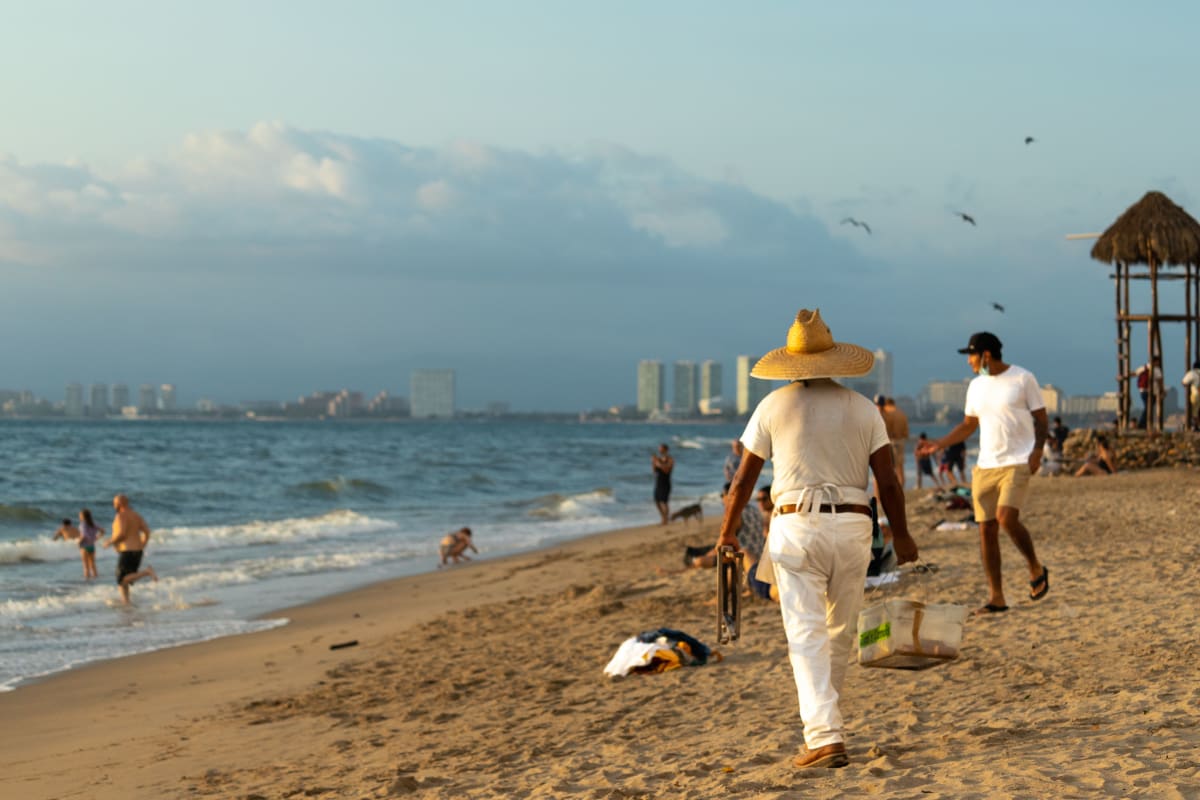
This is the Pacific, not the calm Caribbean, and conditions change by beach and by day. Inside the bay the water is often gentle, but waves can build quickly, and some beaches drop off steeply right at the shoreline, which creates a strong backwash.
Flags, currents and lifeguards
- Read the flags where there are any: green means calm, yellow means caution, red means dangerous conditions and black means swimming is closed.
- If a current pulls you out, do not fight it head-on: swim parallel to the shore until it lets go, then swim back.
- Many beaches have no lifeguard, especially the coves of the south shore and the long open beaches north of the bay.
Boats, sun and heat
On boat trips, check that there are life jackets for everyone on board and that the operator does not overload the boat. The sun is strong all year at this latitude: use reef-safe sunscreen, a hat and shade in the middle of the day, and drink more water than you think you need, especially from June to October, when heat and humidity peak. That is also hurricane season on this coast; our guide to the best time to visit Puerto Vallarta covers it month by month.
Scams, money and nights out
The most common way visitors lose money in Puerto Vallarta is not theft but a sales pitch. Offers of a free breakfast, a cheap tour or a free transfer in exchange for "just 90 minutes" are timeshare presentations, and they can take half a day.
- Cash machines: use ATMs inside banks, supermarkets or malls during the day, and cover the keypad.
- Card payments: when a terminal or ATM offers to charge you in your home currency, choose pesos; the conversion offered is usually worse.
- Drinks: do not leave a drink unattended, and leave if something tastes wrong or you feel far drunker than you should.
- Drugs: they are illegal, and buying them puts money into exactly the groups the advisories warn about.
Puerto Vallarta has a long-established LGBTQ+ scene centred on the Zona Romántica and is widely considered one of the most welcoming destinations in Mexico for gay travellers. The usual night-out advice applies to everyone: go with someone, agree how you will get home, and use a taxi or an app for the trip back.
Water, food and health
Drink bottled or filtered water. Many hotels and rentals provide a large refillable jug, and ice in restaurants is generally made from purified water. Street food is one of the best things about the city; choose stalls with a queue of locals, where food is cooked to order and turns over fast. For minor problems, pharmacies are everywhere and pharmacists can advise on common complaints; our Puerto Vallarta pharmacies directory lists them by area. The national emergency number is 911. Travel insurance with medical cover is worth having, since private hospitals expect payment or a guarantee from your insurer.
The bottom line: with ordinary city sense and respect for the ocean, Puerto Vallarta is a relaxed place to spend a week. Plan your days with our Puerto Vallarta tours, where you can compare boat trips and excursions and read reviews before you book.
Frequently Asked Questions
Is Puerto Vallarta safe for tourists right now?
Most visitors have trouble-free trips, and the tourist areas are busy at all hours. Jalisco is covered by a US travel advisory whose level changes over time, so read the current version on the State Department website before you travel.
Is it safe to walk around Puerto Vallarta at night?
In the Zona Romántica, Centro and along the Malecón, the streets stay busy late into the evening. Take a taxi up the steep, darker hill streets and between the more spread-out areas such as the Hotel Zone and Marina Vallarta.
Are Uber and taxis safe in Puerto Vallarta?
Yes, with the usual care. Street taxis have no meter, so agree the fare first. Apps give a fixed price and a trip record. At the airport, prebook a transfer or use the official taxi booth.
auto_awesome Continue exploring Puerto Vallarta
You Might Also Like
 article Exploring calendar_today Oct 13, 2026
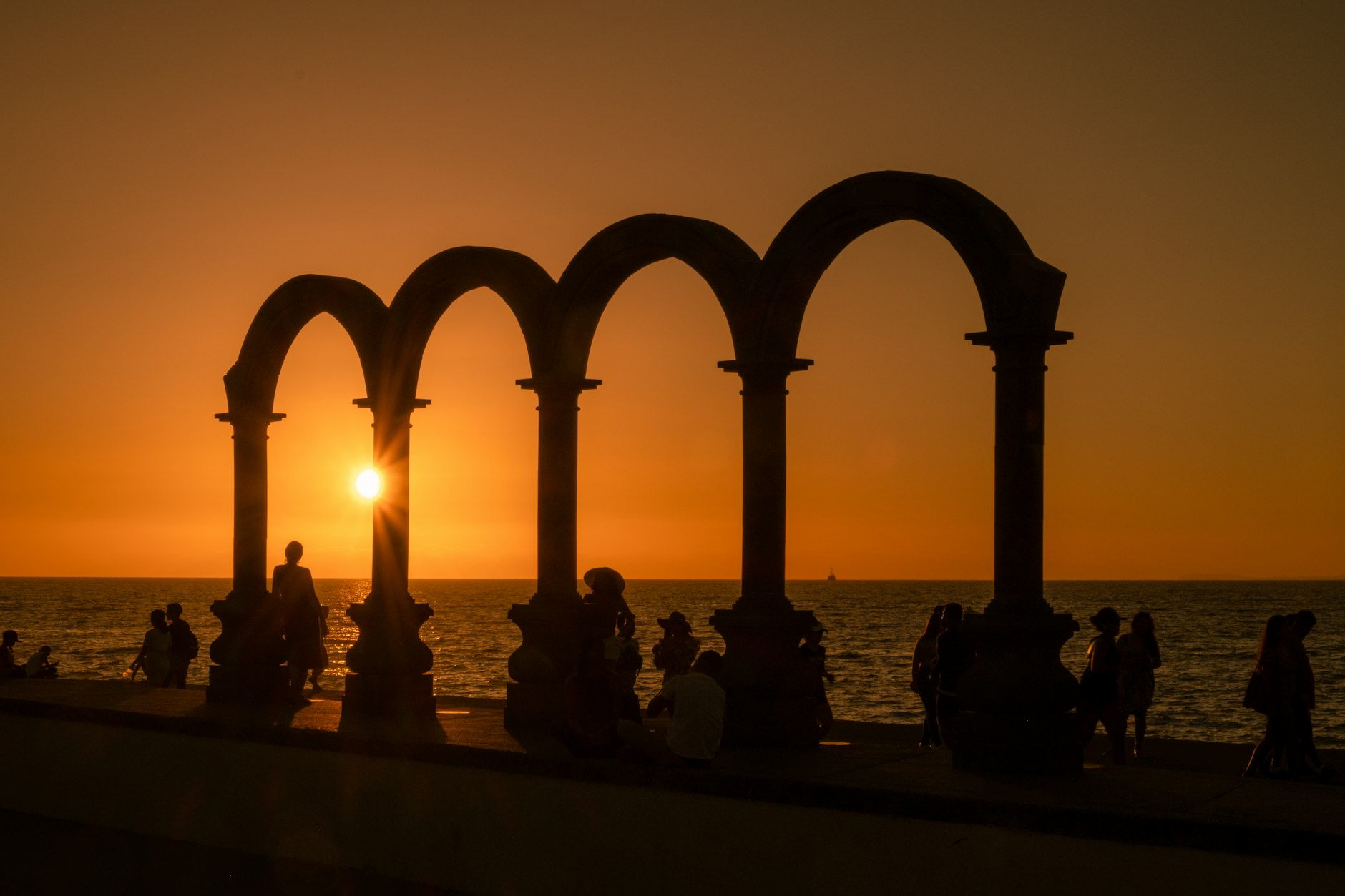
 Puerto Vallarta Malecón Walking Guide: Sculptures, Sunsets & Street Food
A north-to-south walk along the Puerto Vallarta Malecón: which bronze sculptures to look for, where to stand for the sun
 article Exploring calendar_today Oct 12, 2026
 Best Beaches in Puerto Vallarta and Banderas Bay
From Playa Los Muertos in the old town to the boat-only coves of the south shore and the calm sand of Nuevo Vallarta and
 article Adventures calendar_today Oct 11, 2026
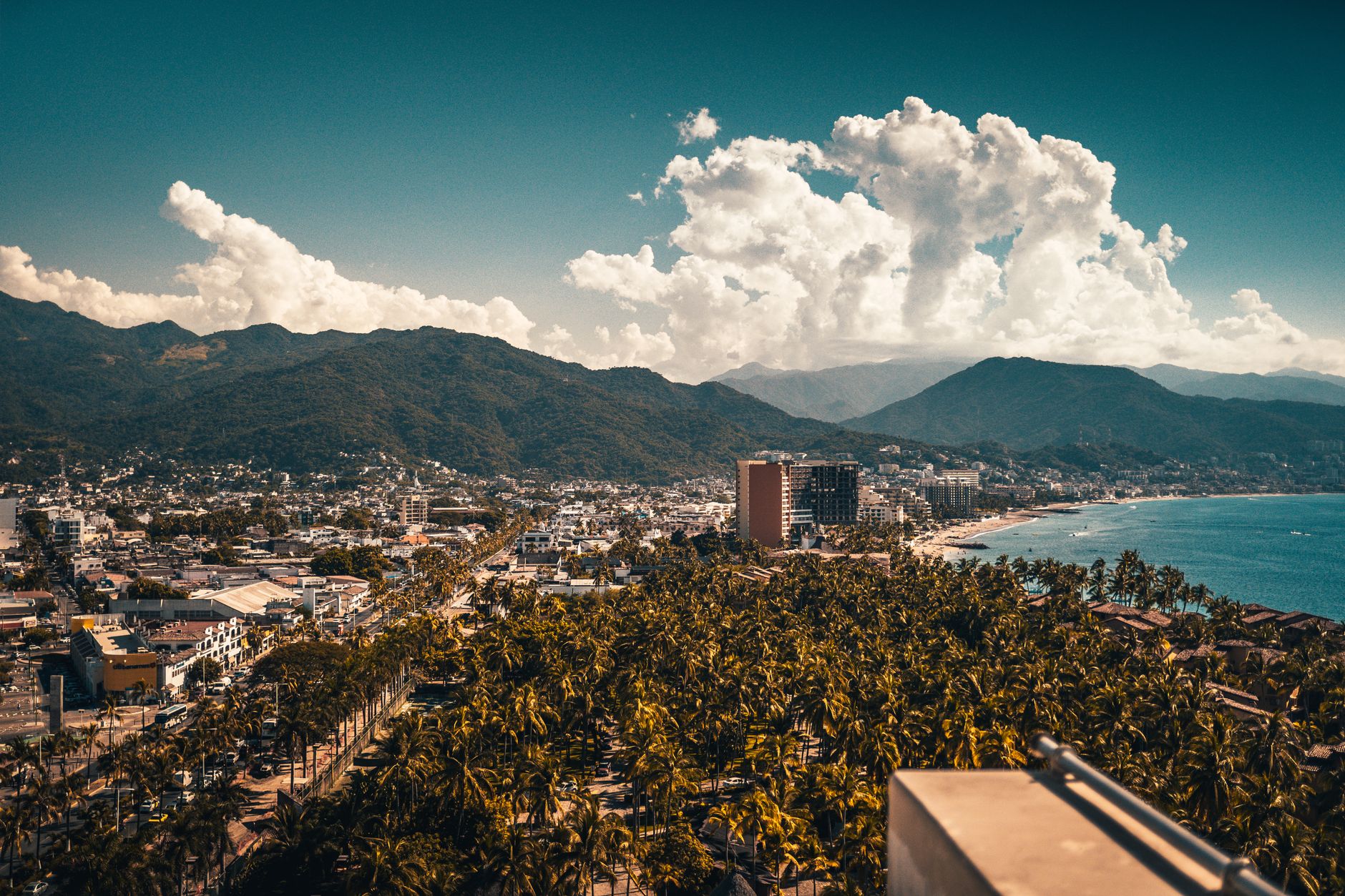
 Puerto Vallarta Zipline, ATV & Jungle Tours in the Sierra Madre Compared
A Puerto Vallarta zipline tour is the easiest jungle adventure; ATVs and side-by-sides are muddier and need a driver; ho