
Puerto Vallarta in Rainy Season (June to October): Is It Worth Going?

Yes, the Puerto Vallarta rainy season (June to October) is worth it if you want the lowest prices of the year, a warm sea, green jungle and turtle releases, and you are happy to plan around afternoon and evening storms. It is the wrong choice if you need guaranteed sunshine, want to see humpback whales or cannot move your dates in September, the wettest month and the peak of hurricane season.
| Month | Rain | Crowds & prices | Best for | Watch out for |
|---|---|---|---|---|
| June | First storms, usually at night | Low | Value with mostly dry days | Rising heat and humidity |
| July | Frequent storms | Busier: Mexican school holidays | Family trips, warm sea | Hotels fill on weekends |
| August | Wet, very humid | Low after mid-month | Turtle releases, green hills | Mosquitoes |
| September | Wettest month | Lowest of the year | Cheapest rooms, empty beaches | Hurricane peak, closures |
| October | Easing, still humid | Low | Value, waterfalls, turtles | Hurricane risk remains |
Our month-by-month guide to the best time to visit Puerto Vallarta compares the whole year. This article goes into the five wet months only: what a day actually feels like, what is better and worse than in winter, and how to plan so the rain costs you as little as possible.
What the Puerto Vallarta rainy season is really like
The temperature barely changes from winter: daytime highs sit around 31–33 °C. What changes is the night, which stays at 24–25 °C, and the humidity, which makes the afternoon feel much hotter than the thermometer says. The sea reaches its warmest of the year, around 30 °C in August.
A typical rainy-season day
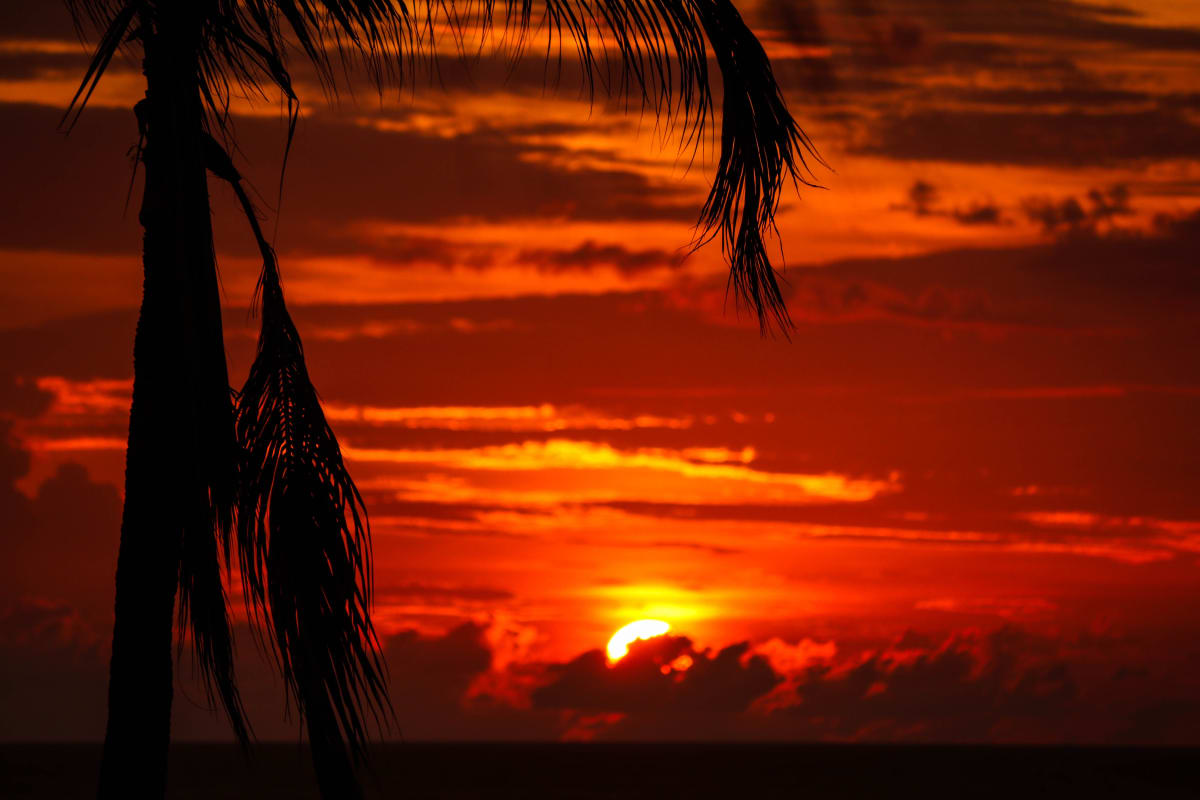
It rarely rains all day. The usual pattern is a clear, steamy morning, clouds building over the Sierra Madre after lunch and a heavy thunderstorm in the evening or at night, often with spectacular lightning over Banderas Bay. By the next morning the streets are dry again. That rhythm is the key to the whole season: do the beach, the boat and the hike before about 2 pm, and keep the late afternoon for something under a roof.
Early, middle and late season
June is the gentlest month: storms are still occasional and mostly at night. July and August bring the most regular rain, and July also brings Mexican families on their summer holidays, so it is not as quiet as the rest of the season. September is the wettest and emptiest month, and the one most exposed to tropical storms. In October the rain eases, the hills are at their greenest and the town slowly wakes up for the winter.
What is better in the rainy season
Low season is not only a discount on winter. Some of the best things the bay has to offer happen only in these months.
Sea turtle releases
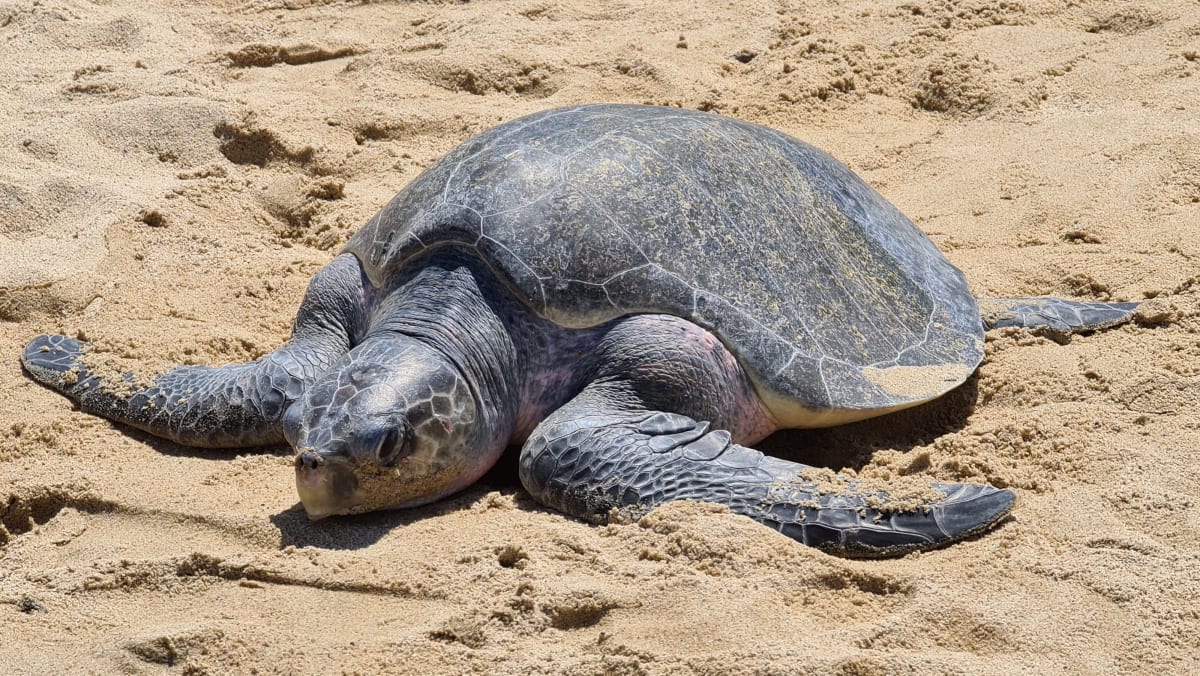
Olive ridley turtles come ashore to nest on the beaches of the bay during the rainy season, and conservation camps release the hatchlings from late summer into early winter, usually at dusk. Some camps welcome visitors and some resorts run their own. A good camp keeps simple rules: watch, do not touch, no flash photos, and let the hatchlings crawl to the sea on their own. It is one of the few wildlife experiences that is better in low season than in high season.
A green Sierra and running waterfalls
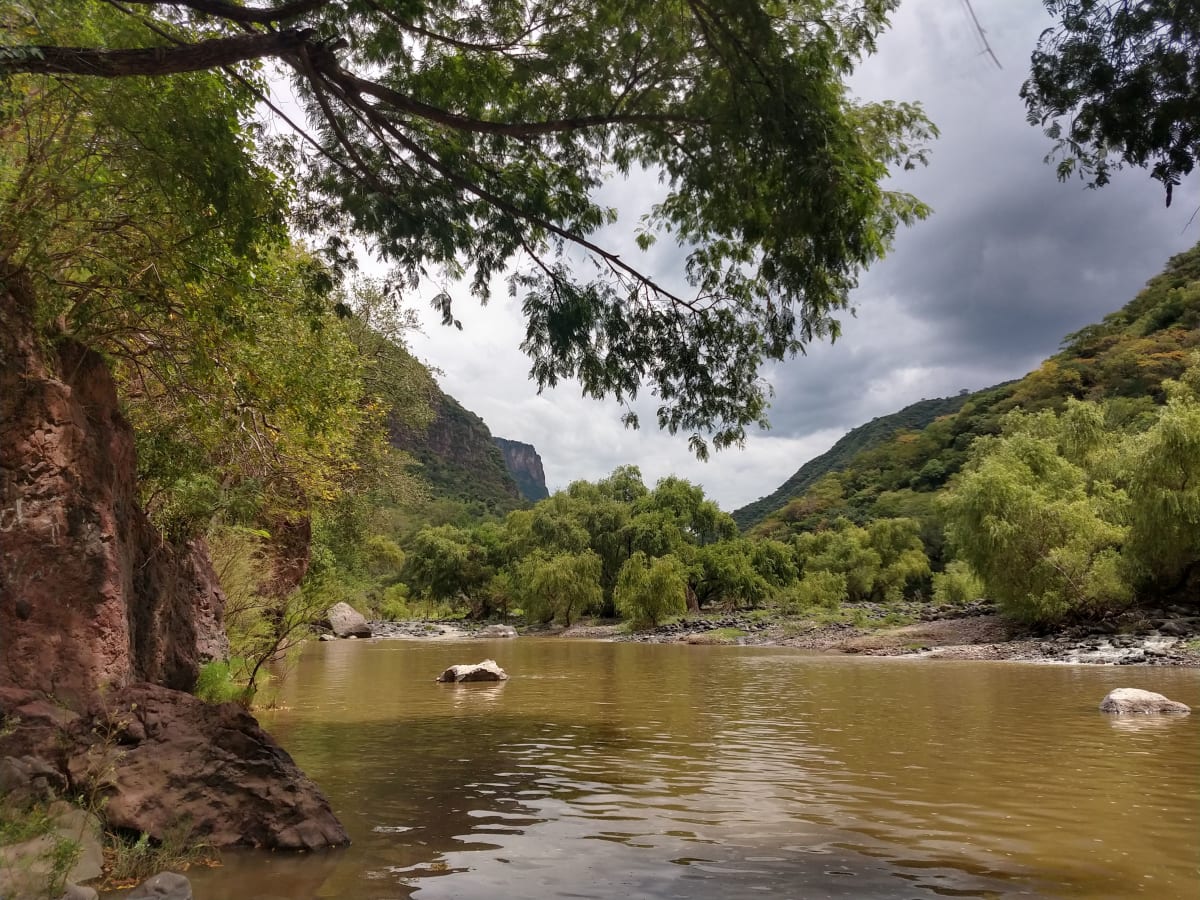
By the end of the dry season the hills behind Puerto Vallarta are brown and dusty. A few weeks of rain turn them a deep, almost fluorescent green, rivers such as the Cuale run full and waterfalls like the one at Yelapa are actually worth the boat ride. Jungle hikes, river swims and zipline courses are at their most beautiful now, with one condition: go in the morning, and expect mud. Our guide to zipline and ATV tours in Puerto Vallarta explains which tours cope best with wet trails.
Lower prices and empty beaches
Hotel rates drop well below their winter level, especially from late August to October, and beaches that are packed at Easter can be almost empty on a weekday in September. Restaurants and tour operators that stay open compete harder for fewer customers. If price is your main reason to travel, our tips for Puerto Vallarta on a budget show where the savings really are. We do not quote a fixed discount: it depends on the hotel, the week and the exchange rate, so compare your own dates.
What to do on a rainy afternoon in Puerto Vallarta
When the storm arrives, there is plenty to do under a roof, most of it in the old town on either side of the Río Cuale:
- Galleries in the old town. Downtown and the Zona Romántica have a dense cluster of art galleries, many showing Huichol (Wixárika) beadwork and yarn paintings alongside contemporary Mexican art. Look up addresses in our art gallery directory.
- The church of Our Lady of Guadalupe. The downtown church with its crown-topped tower is the city’s landmark and a short walk from the Malecón.
- Isla del Río Cuale. The island in the river has craft stalls, shaded paths and a small archaeology museum. Avoid the river banks while a storm is passing, when the water rises fast.
- The municipal market. The market by the Río Cuale bridges sells crafts downstairs and has simple food stalls upstairs, all under a roof.
- A long lunch or a cooking class. Afternoons are the natural time for a slow meal of seafood, a tequila or raicilla tasting, or a class where you learn to make salsas and tortillas.
- A spa or the hotel pool. Warm rain on a pool is pleasant, but get out of the water and off the beach at the first thunder.
What is worse: closures, boats and hurricanes
The rainy season has real downsides, and they are worth knowing before you book.
Seasonal closures
From late August, and above all in September, some restaurants, bars and shops close for two to six weeks while their owners take their own holidays or renovate. Popular places reopen in October or November. Check a restaurant’s social media before you make a special trip, and do not assume every beach club runs a full service.
Boat trips and the sea
There are no humpback whales: they are in the bay only from December to March. Boat trips to the islands and the south-shore coves still run, but the port authority can close the port to small boats when a storm is approaching, and tours are then cancelled at short notice. After heavy rain, the rivers carry sediment into the bay and the water near their mouths turns murky, so snorkeling is usually clearer in the morning and away from river outlets.
Hurricane season
The eastern Pacific hurricane season runs officially from 15 May to 30 November, with the highest risk in September and October. Banderas Bay is relatively sheltered and direct hits are rare, but they do happen: Hurricane Kenna in 2002 and Nora in 2021 both caused damage in the area. A storm passing offshore is more likely to mean a few days of heavy rain, big waves and cancelled boats than a direct hit. Follow the forecasts of the US National Hurricane Center in the days before and during your trip, and obey any instructions from local civil protection.
How to plan a rainy-season trip
- Book flexible. Choose refundable rooms and buy travel insurance that covers weather and hurricanes, especially for September and October.
- Do everything in the morning. Boat trips, beaches, hikes and ziplines before about 2 pm; museums, galleries and long lunches after.
- Pick the right room. Air conditioning is not optional in August. A pool and a covered terrace make the stormy evenings pleasant.
- Sleep in the old town if you want to walk. In the Zona Romántica and downtown, restaurants and galleries are a few minutes away, so a storm does not end your evening.
- Pack for wet heat. A light rain jacket or umbrella, sandals that can get wet, quick-dry clothes and insect repellent, because mosquitoes, including those that carry dengue, are most active now.
To compare neighborhoods with air-conditioned rooms and pools, see our Puerto Vallarta stays page, and to book the morning boat or jungle trips, browse the Puerto Vallarta tours, which show the free-cancellation terms of each one.
Frequently Asked Questions
Does it rain all day in Puerto Vallarta in the rainy season?
Rarely. Most days start clear and the rain comes as a thunderstorm in the late afternoon, evening or night. Whole days of rain usually happen only when a tropical storm passes nearby.
What is the wettest month in Puerto Vallarta?
September. It is also the peak of hurricane season and the quietest month of the year, when some restaurants and shops close for a few weeks.
Is the rainy season a good time for a cheap trip to Puerto Vallarta?
Yes. Late August to October usually brings the lowest hotel rates of the year. July is the exception: Mexican school holidays keep prices higher.
Can you see whales or turtles in the rainy season?
Turtles, yes: olive ridleys nest in the rainy months and hatchlings are released from late summer into early winter. Whales, no: humpbacks are in Banderas Bay only from December to March.
Continue exploring Puerto Vallarta
You Might Also Like
 ExploringOct 28, 2026
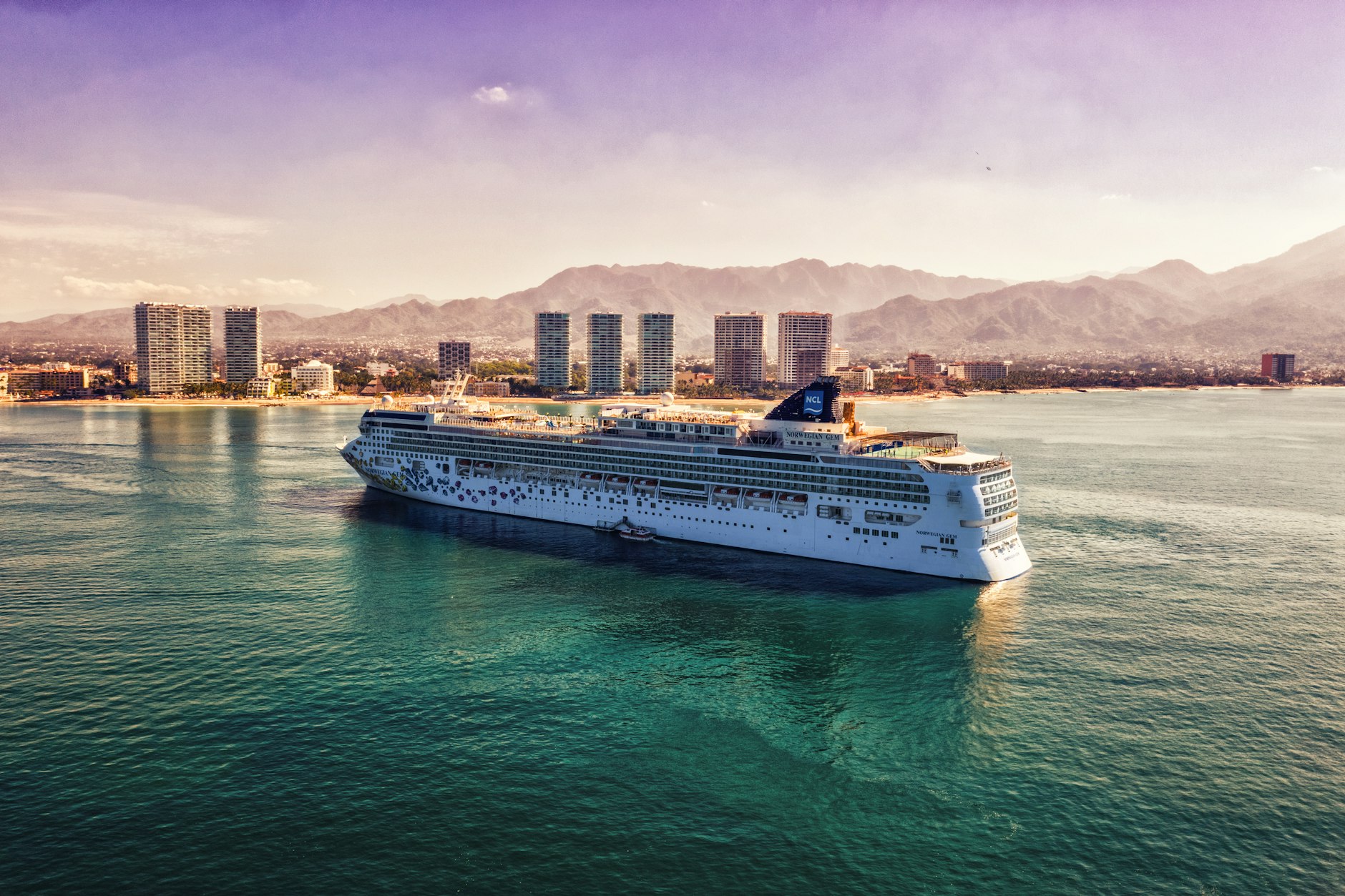
Puerto Vallarta Cruise Port Guide: What to Do in One Day Ashore
A cruise day in Puerto Vallarta is about eight hours. Here is how to get from the terminal to the Malecón, what fits in
 ExploringOct 27, 2026
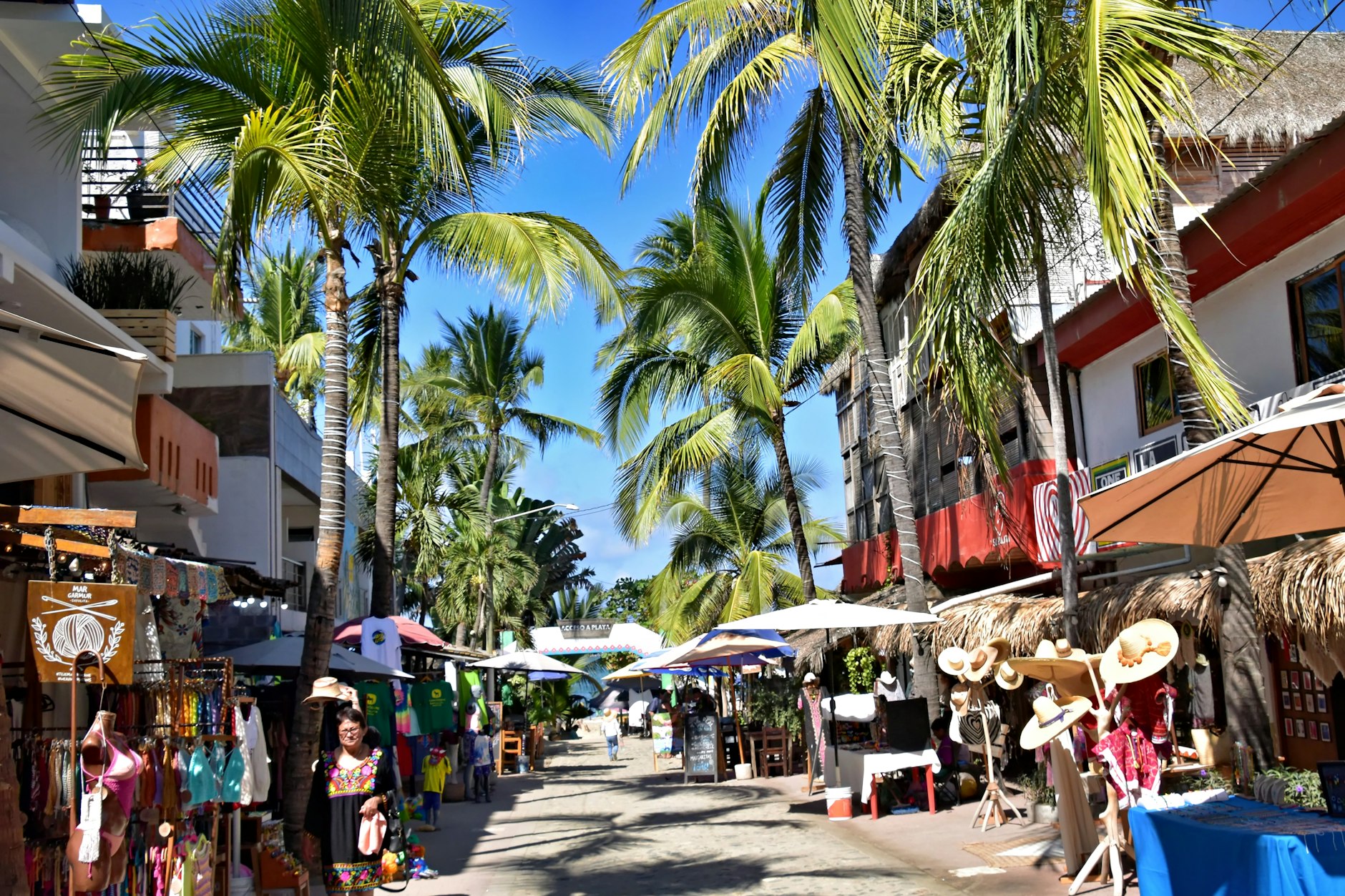
7 Days in Riviera Nayarit: Puerto Vallarta, Sayulita & San Pancho
A one-week Riviera Nayarit itinerary that starts in Puerto Vallarta, moves up the coast road through Bucerías and Punta
 ExploringOct 27, 2026
Riviera Nayarit vs Riviera Maya: Which Mexican Riviera Is Right for You?
The Riviera Nayarit is a Pacific coast of surf towns, jungle and humpback whales next to Puerto Vallarta; the Riviera Ma